
HFX Wanderers FC vs Cavalry FC: Clash of Footballing Identities

The Wanderers Grounds has rarely felt as polarized as it does heading into HFX Wanderers FC vs Cavalry FC. On one side, a home side clinging to sixth in the Canadian Premier League table, with 20 points from 21 matches and a goal difference of -8 (29 scored, 37 conceded overall). On the other, the league leaders Cavalry, top of the standings with 46 points from 20 games and a formidable goal difference of +28 (40 scored, 12 conceded overall). It is a meeting of contrasting footballing identities: HFX’s fragile, often chaotic 4-3-3 against Cavalry’s ruthless, well-drilled 4-2-3-1.
HFX’s season-long profile tells of a team that lives on the edge. Overall they score 1.4 goals per match and concede 1.8, and at home that picture worsens defensively: 1.5 scored and 1.7 conceded on average. The form line of WDDLLLDWLLWLWDLDLLWLL is a rollercoaster, but the recent standings snapshot is harsher: just 5 wins in 21, and three home defeats in 10. Yet within that inconsistency lies a clear tactical idea from Vanni Sartini: a bold front three, an on-ball double pivot, and midfielders tasked with threading the needle in tight spaces.
Cavalry arrive as the league’s reference point. Overall they average 2.0 goals scored and just 0.6 conceded per match, with that defensive record mirrored both at home and on their travels. Away, they still produce 1.7 goals on average while allowing only 0.6. Fourteen wins from 20 fixtures, just two defeats, and a recent form line of WWWWD underline a side that not only tops the table but controls matches territorially and emotionally.
Tactical Overview
Tactically, the lineups confirm the clash of structures. HFX’s 4-3-3 is anchored by Lorenzo Callegari at the base of midfield, flanked by Lucas Olguin and Isaiah Johnston. Ahead of them, Miguel Arilla and J. Bahamboula support A. Reid as a fluid front line. Cavalry’s 4-2-3-1 builds from a solid back four of Adam Pearlman, Daan Klomp, Amer Didic and B. Kamdem, screening in front by Harrison Paton and Sergio Camargo, with N. Myroniuk, Tobias Warschewski and N. Edwards supplying C. Elva.
The absences list offers no extra drama, so both coaches can lean on their core. Discipline, however, will be a quiet but decisive subplot. HFX’s season card profile is heavy late: 30.95% of their yellow cards arrive between 76-90 minutes, with another 11.90% in added time between 91-105. They also have one red card in that 91-105 window. Cavalry spread their bookings more evenly, but still peak between 46-60 minutes with 23.91% of their yellows, and they have already seen one red around the 31-45 interval. This is a match where the final quarter-hour could tilt on a tired leg or a mistimed press.
Key Players
In the “Hunter vs Shield” duel, HFX’s primary hunter is Johnston. With 6 goals and 1 assist in 21 appearances, plus 20 shots (17 on target), he is both their top scorer and a volume shooter from midfield. He has also converted 3 penalties from 3, and with HFX perfect from the spot overall this campaign (6 scored from 6, no misses), any penalty award dramatically changes their attacking ceiling.
The shield he faces is not just a single player but Cavalry’s collective. Their overall defensive line has conceded only 12 goals in 20 matches, and on their travels just 6 in 10. Klomp is emblematic of that solidity: 3 goals, 1 assist, but more importantly 586 passes at 91% accuracy, 5 successful blocks and 10 interceptions. He is the calm distributor that turns Cavalry’s defensive actions into controlled possession, rather than panicked clearances.
Around him, Pearlman adds bite and progression from right-back. Over the season he has 2 assists, 24 tackles, 2 blocks and 4 interceptions, plus 462 passes at 85% accuracy. He is also a disciplinary risk, with 5 yellows, but his duels record (83 contested, 55 won) suggests he wins far more than he loses. For Johnston, operating between the lines, the challenge will be to pull Klomp and Pearlman into uncomfortable zones, forcing them to defend facing their own goal rather than stepping out.
Flipping the Narrative
In the opposite direction, the Hunter vs Shield narrative flips. Cavalry’s attacking fulcrum is Warschewski. With 4 goals and 2 assists, 24 shots (14 on target) and a league-leading 25 key passes for his club, he is both finisher and creator. He also draws 20 fouls, constantly testing defensive concentration. Behind him, Camargo and Goteh Ntignee add variety: Camargo’s 387 passes at 85% accuracy and Ntignee’s 30 dribble attempts with 16 successful make Cavalry dangerous both centrally and in wide 1v1s.
HFX’s shield is more fragmented. Callegari’s numbers are elite for a team in the bottom half: 855 passes at 87% accuracy, 23 tackles, 2 blocks and 21 interceptions. He is the metronome and the first line of resistance. Alongside him, Olguin quietly underpins the press: 643 passes at 90% accuracy, 16 tackles, 4 blocks, 10 interceptions and 91 duels contested with 45 won. If HFX are to slow Cavalry’s central combinations, the Callegari–Olguin axis must compress space around Warschewski and deny him the pockets he thrives in.
Engine Room Battle
The “Engine Room” battle, then, is finely poised. For HFX, Johnston and Callegari must connect quickly with Arilla, whose 4 assists and 12 successful dribbles show he can carry the ball into the final third. For Cavalry, Paton is the enforcer and tempo-setter: 309 passes at 84% accuracy, 18 tackles, and a willingness to foul (19 committed) that has already brought him 7 yellow cards. His job is to disrupt Johnston’s rhythm and prevent HFX from building multi-pass sequences through the middle.
On the flanks, Pearlman vs Reid and Kamdem vs Bahamboula will shape how high HFX can keep their wingers. Cavalry’s away record suggests they are comfortable forcing opponents wide and then compressing, trusting Klomp and Didic to dominate aerially and in the box.
Statistical Outlook
Statistically, the prognosis tilts heavily towards the visitors. Cavalry’s overall xG-like profile—40 goals from a side that averages 2.0 per match while conceding only 0.6—speaks to both attacking efficiency and defensive control. HFX, conceding 1.8 per match overall and 1.7 at home, will almost certainly allow Cavalry chances. The question is whether their own attacking output, 1.5 goals on average at home and perfect penalty conversion, can keep pace.
Expect HFX to start aggressively in their 4-3-3, leaning on Johnston’s late runs and Arilla’s creativity, but the deeper the match goes, the more Cavalry’s structure and fitness should tell. With Cavalry’s clean-sheet record on their travels (4 in 10) and their capacity to manage tight scorelines, the tactical preview points towards an away win—unless HFX can turn their emotional home energy, and that flawless record from the spot, into the kind of chaotic, high-variance game that league leaders usually avoid.
Related News
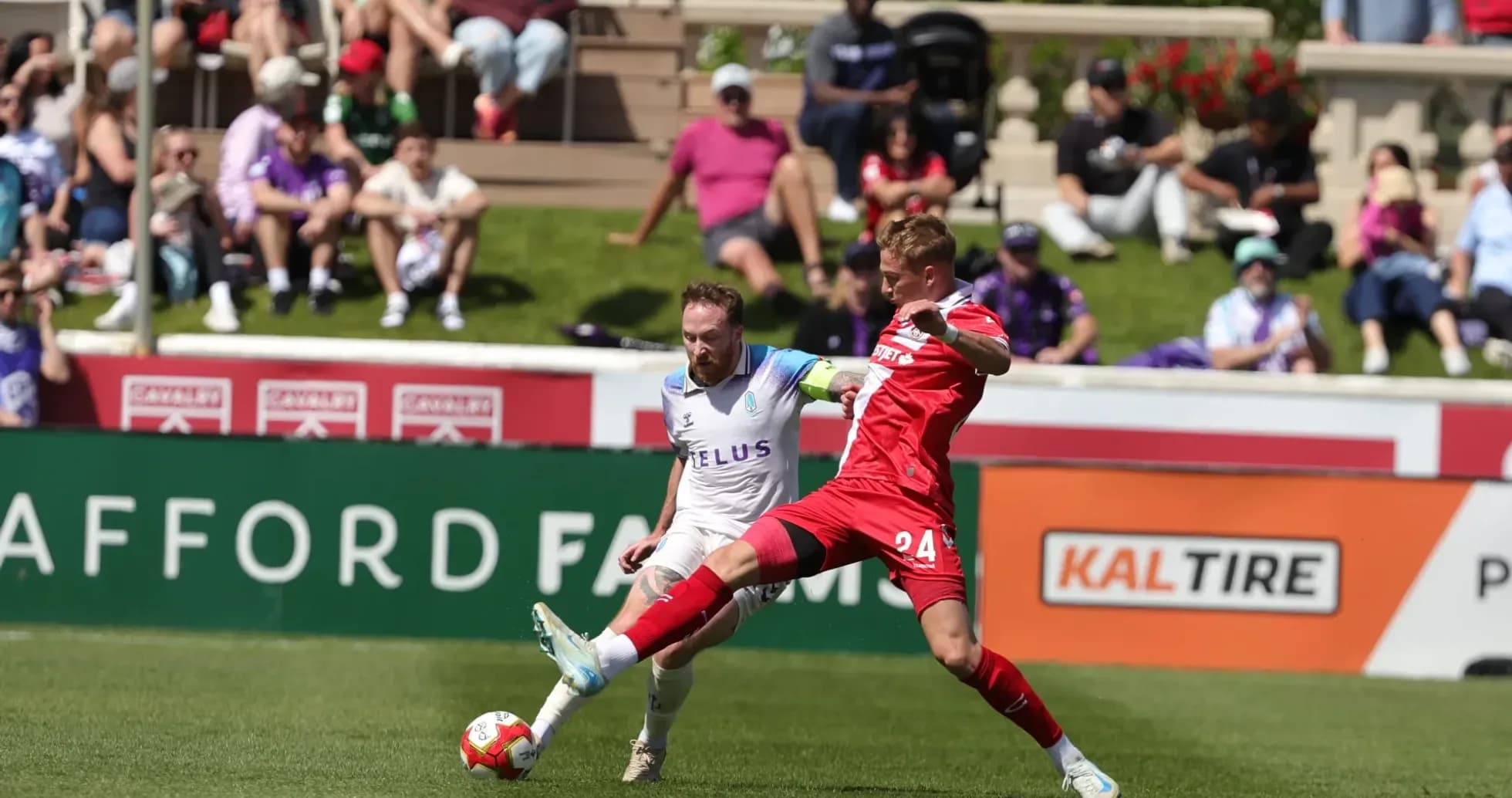
Pacific FC vs Cavalry FC Stats: Head-to-Head Record Before Match
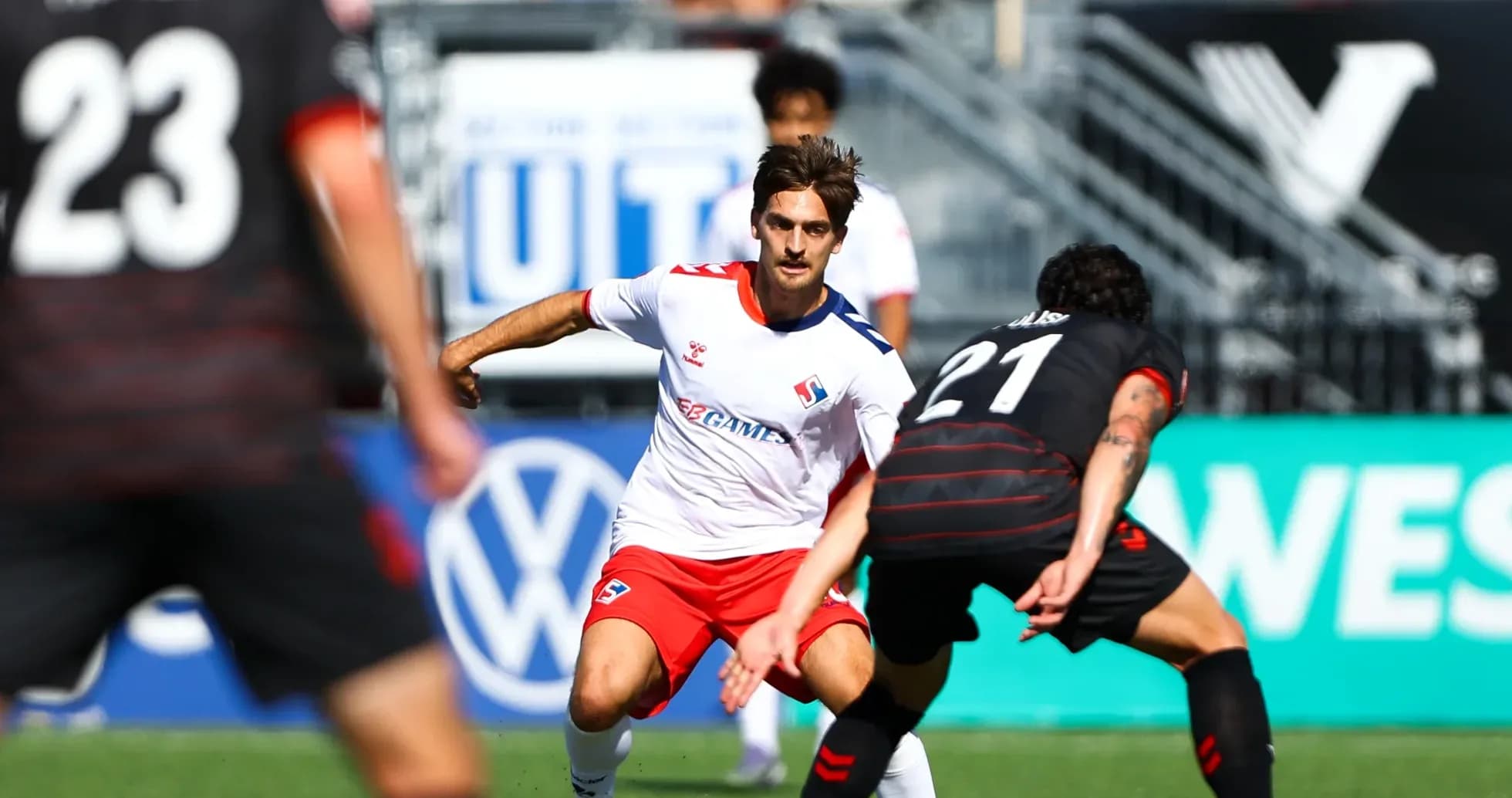
Vancouver FC Triumphs Over Supra du Quebec: A Tactical Analysis
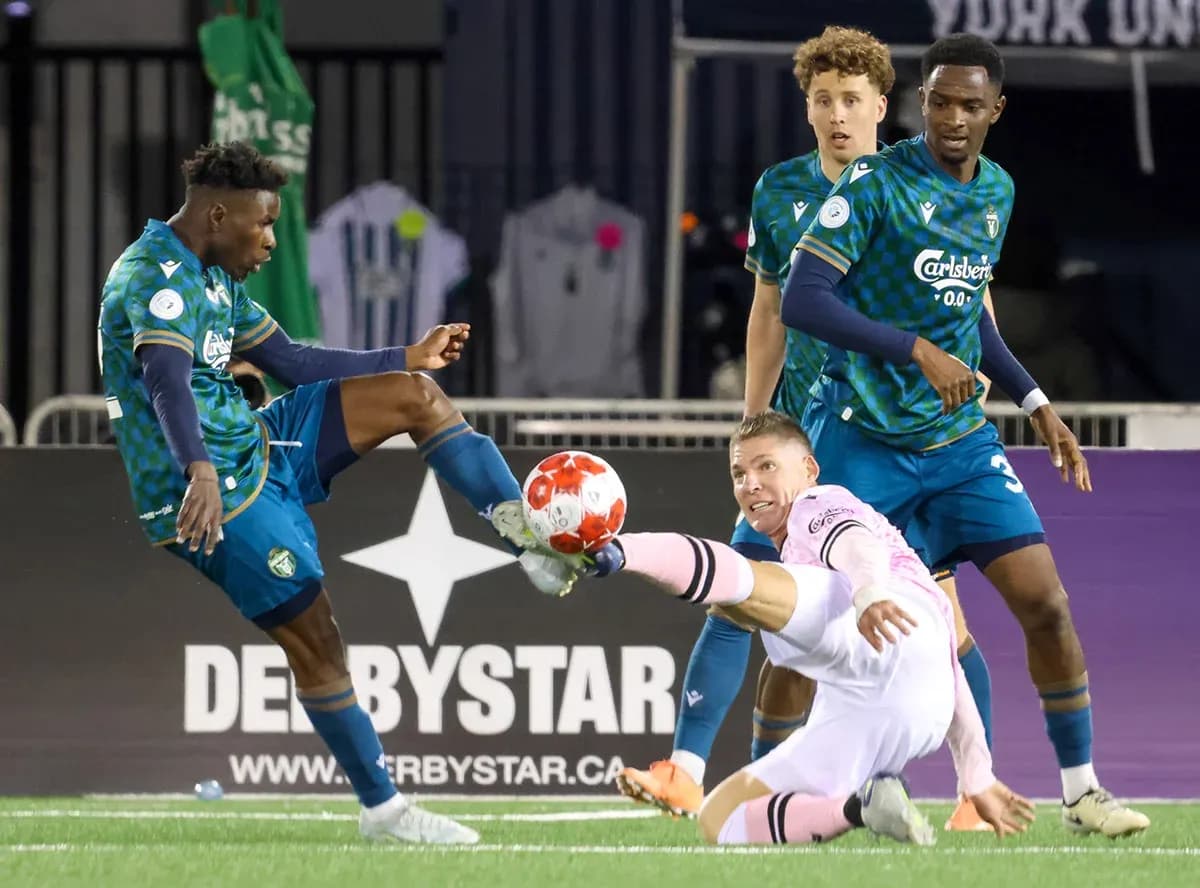
York United vs Vancouver FC: Head-to-head Stats and Past Meetings
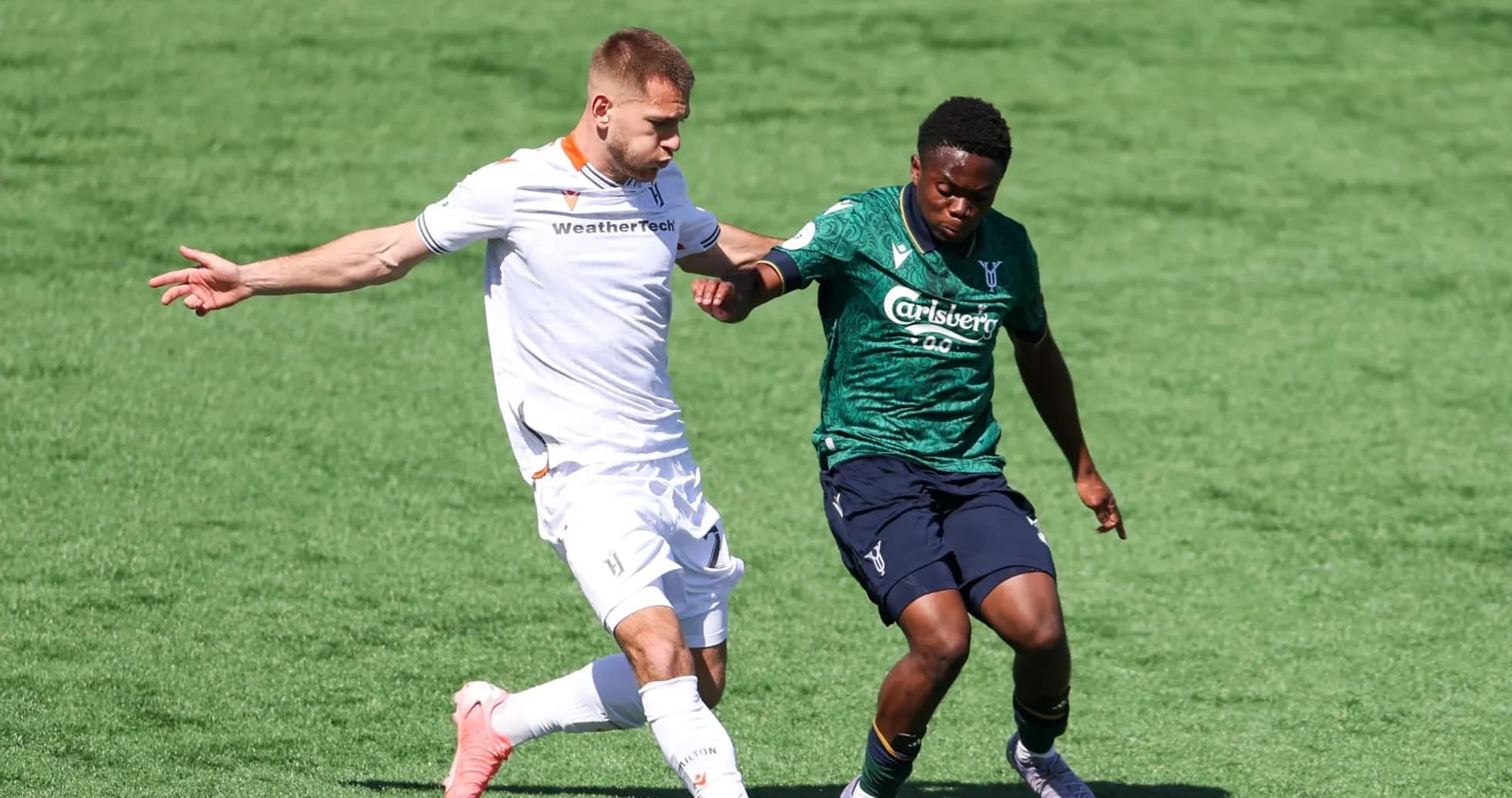
Forge and York United Battle to 1-1 Draw in Canadian Premier League

Forge vs Atlético Ottawa: Head-to-Head Stats and Historical Context

Atlético Ottawa vs Pacific FC: Goalless Draw Highlights Tactical Discipline