
Houston Dash W and San Diego Wave W Battle to a 2-2 Draw
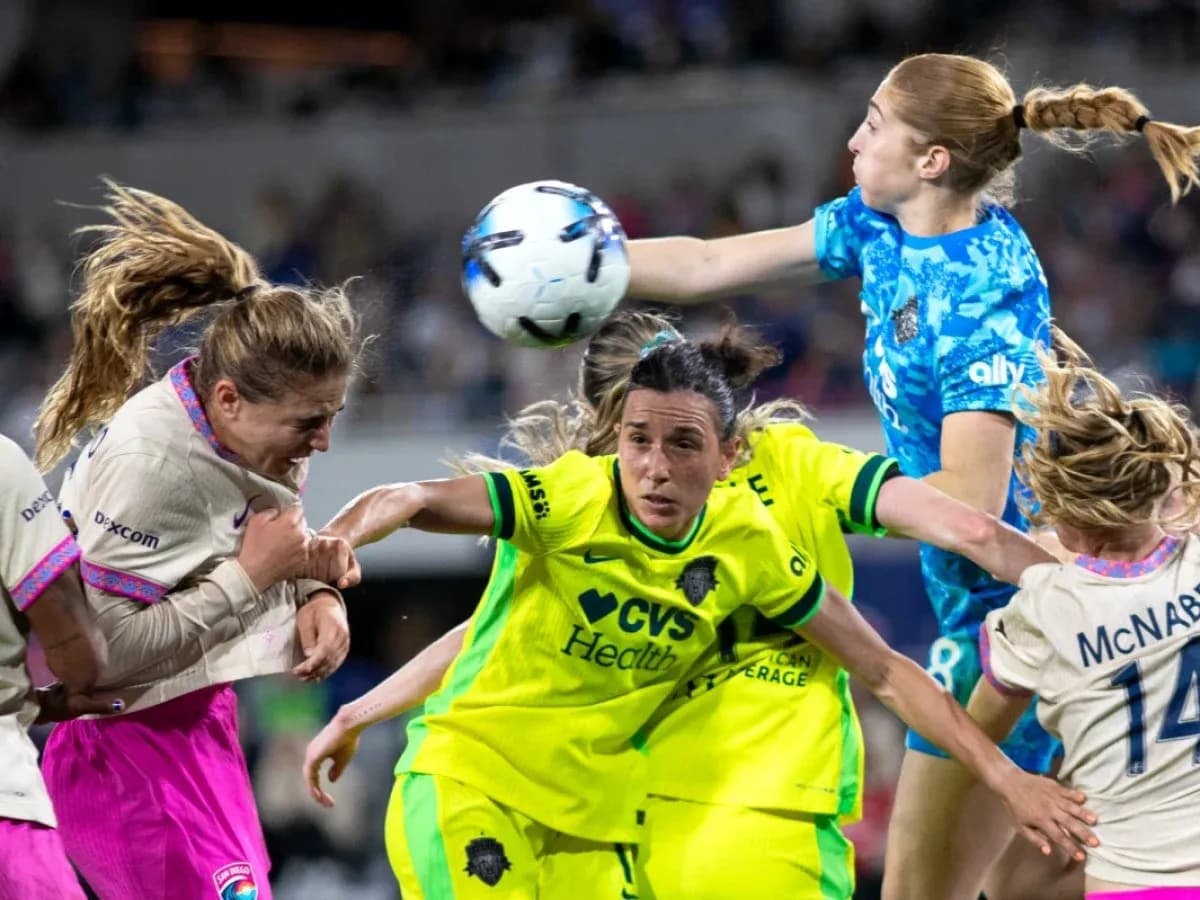
Under the lights at Shell Energy Stadium, a 2-2 draw between Houston Dash W and San Diego Wave W felt less like a routine group-stage fixture and more like a tactical argument that refused to find a winner. Heading into this game, the league table framed it as a clash of opposites: Houston in 12th on 11 points, trying to claw their way out of the lower reaches, and San Diego in 2nd on 22 points, already shaping as a play-off force. Over 90 minutes, those identities were both confirmed and complicated.
Both coaches went mirror-for-mirror in a 4-2-3-1, but the systems carried different intentions. Fabrice Gautrat’s Dash, who had used 4-4-2 in 8 of their 10 league games, leaned into the double pivot to stabilise a side that had conceded 17 goals in total and averaged 1.7 goals against at home. Jonas Eidevall’s Wave, more accustomed to this shape, arrived as one of the league’s sharper travellers: on their travels they had 4 wins from 6, with 10 goals scored and only 8 conceded, an away average of 1.7 goals for and 1.3 against.
First Half
The first half unfolded along expected lines. San Diego, buoyed by their away form, imposed themselves early, and the half-time scoreline of 0-1 reflected their control. The axis of K. Dali and K. Ascanio in the double pivot gave the visitors a calm, progressive base, while the advanced trio of M. Barcenas, L. E. Godfrey and Dudinha rotated relentlessly behind Ludmila. That front four had clear statistical pedigree: Dudinha entered as one of the league’s most productive attackers with 4 goals and 4 assists in 11 appearances, supported by Godfrey’s 4 goals and 2 assists from midfield.
Houston’s response was more cautious. The back four of L. Boattin, P. K. Nielsen, M. Berkely and L. Klenke sat relatively narrow, protecting the central lane in front of J. Campbell. Given Houston’s overall defensive record – 17 goals conceded in 10 games, with 10 of those at home – the priority was to avoid the kind of early collapse that had scarred their season. D. Colaprico and C. Hardin formed the screen, with Colaprico in particular embodying the side’s edge: 20 tackles, 6 blocked shots and 9 interceptions this season underline her role as the primary disruptor.
Second Half
If the first half belonged to San Diego’s structure, the second belonged to Houston’s resilience. The Dash, who had scored 10 of their 12 total goals at home, leaned into their Shell Energy identity. The three behind central forward L. Ullmark – A. Patterson, K. Rader and M. Graham – pushed higher, compressing the pitch and forcing San Diego’s full-backs into deeper starting positions. The adjustment turned the game into a series of duels, where Houston’s physicality and willingness to compete began to tell.
Patterson, listed as a midfielder here but with the defensive numbers of a full-blooded defender (32 tackles, 3 blocked shots, 11 interceptions this season), became the emotional centre of the Dash press. She stepped into pockets between San Diego’s lines, harassing Dali’s receiving angles and preventing clean progression. Behind her, Nielsen’s reading of the game – 7 blocked shots and 12 interceptions across the campaign – allowed Houston to hold a relatively high line without completely exposing Campbell.
For San Diego, the key was whether their stars between the lines could keep carving open a defence that had already failed to keep a clean sheet in 7 of 10 league matches. Dudinha’s season numbers – 40 dribbles attempted, 24 successful, 14 key passes – spoke of a player who thrives in chaos, and she repeatedly tried to drag Houston’s structure out of shape. When she drifted inside from the left, Godfrey would dart into the half-space from the right, looking to exploit any hesitation in Boattin or Klenke’s positioning.
Discipline was always going to be a sub-plot. Houston’s yellow-card distribution this season shows a pronounced late-game spike: 26.67% of their cautions arriving between 76-90 minutes, with another 13.33% from 91-105. That pattern matched the narrative of a team that becomes increasingly desperate as the clock runs down. San Diego, by contrast, spread their cards more evenly, but still showed a notable 20.00% share in each of the 46-60, 61-75, 76-90 and 91-105 minute windows. With no red cards for either side this season and no penalty misses on record – Houston have scored all 3 of their penalties, San Diego have yet to take one – the disciplinary edge was about control rather than catastrophe.
The “Hunter vs Shield” duel here revolved around San Diego’s multi-headed attack against Houston’s fragile but combative back line. The visitors’ 17 goals overall, split 7 at home and 10 away, came up against a Dash defence that had already conceded 10 times at Shell Energy alone. On paper, the Wave’s offensive ceiling was higher; on the pitch, Houston’s collective effort and Campbell’s presence narrowed that gap enough to keep the game alive.
In the “Engine Room” battle, Dali and Ascanio’s passing range and press resistance were tested by Colaprico’s bite and Hardin’s work rate. Colaprico, with 220 passes and 8 key passes this season, is more than just a destroyer; she is the first pass into transition. When she broke San Diego’s pressure, the ball often went quickly into Rader or Graham between the lines, giving Ullmark something to attack and pinning back the Wave’s centre-backs K. Wesley and K. McNabb.
Following this result, the 2-2 scoreline felt like a fair reflection of the underlying profiles. San Diego’s superior attacking metrics and away record were enough to carve out chances, but Houston’s home scoring average of 1.7 and their refusal to fold under pressure ensured they struck back. Without xG data, the best verdict leans on structure and trends: a high-event game where San Diego’s crafted combinations met a Dash side increasingly committed to direct, vertical attacks.
In the end, the draw preserves San Diego’s status as contenders and offers Houston a point that feels like a small step toward redefining their season’s narrative. The tactical story, though, is clear: this Dash side is at its best when its midfield disruptors and full-backs play on the front foot, and this Wave team is most dangerous when Dudinha and Godfrey can turn possession into chaos in the final third. On this night in Houston, neither blueprint fully broke the other.
Related News
Portland Thorns W vs Houston Dash W: NWSL Women Clash

Kansas City W vs Denver Summit W: NWSL Women Showdown
Portland Thorns W vs Houston Dash W Prediction: Key Stats and Tips

Washington Spirit W vs Angel City W Prediction: Key Stats and Betting Tips

Racing Louisville W vs San Diego Wave W Predicted Lineups and Team News
Kansas City W vs Denver Summit W Prediction: Key Stats and Betting Tips