
Indy Eleven's Solid Victory Over Rhode Island: A Statement of Intent
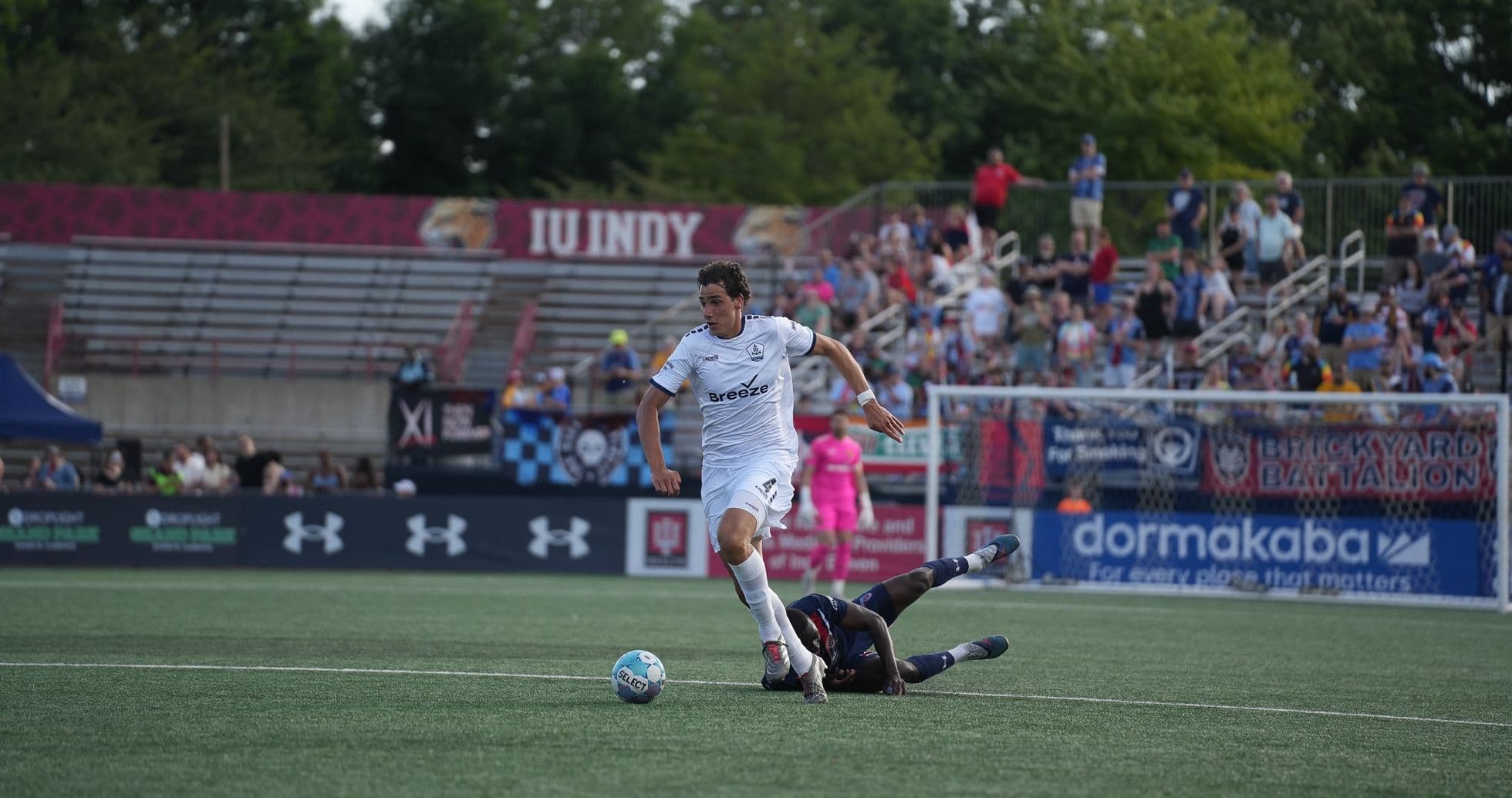
Under the lights at Michael A. Carroll Stadium, Indy Eleven’s 1–0 victory over Rhode Island felt less like a routine group-stage win and more like a quiet statement of intent from a side already carving out a clear seasonal identity. Following this result in the USL Championship group stage, the league table snapshot underlines the story: Indy sitting 2nd on 18 points with a goal difference of 5, Rhode Island 9th on 12 points and a goal difference of 3. The margins in the scoreline were fine; the margins in structure, control and game management were not.
Indy’s campaign profile has been clear for weeks. Overall this season, they have played 10 matches, winning 5, drawing 3 and losing 2, scoring 16 and conceding 11. The math is simple and telling: a goal difference of 5 built on a solid spine rather than wild attacking swings. At home, the numbers sharpen into something close to a fortress: 6 played, 5 wins, 1 draw, 0 defeats, 12 goals for and only 5 against. An average of 2.0 goals scored at home, and just 0.8 conceded, frames Michael A. Carroll Stadium as a venue where Indy not only win, they suffocate visiting ambition.
Rhode Island arrived with a different kind of volatility. Overall, they had 3 wins, 3 draws and 4 defeats from 10, with 17 goals scored and 14 conceded, a goal difference of 3. On their travels, they had played 4, winning 1 and losing 3, scoring 6 and conceding 8, an away average of 1.5 goals for but 2.0 against. This is a side that can punch, but often leaves its chin exposed.
Sean McAuley’s selection reflected that home dominance and a preference for a stable core. E. Dick anchored the side in goal, with a back line built around the presence of L. Neidlinger, M. Rasheed and P. Craig, and the versatile A. Quinn providing balance. In midfield, C. Lindley and B. Rendon offered the platform, while J. O’Brien and J. Blake linked lines and pressed. Up front, N. Okello and E. Kizza carried the burden of stretching Rhode Island’s back four and pinning them deep.
Khano Smith’s Rhode Island, by contrast, came with a shape that hinted at both ambition and caution. Koke Vegas in goal is a steadying figure, shielded by a defensive unit of N. Scardina, K. Yao, G. Stoneman and A. Sanchez. The midfield cluster of C. Holstad, H. Bacharach Capdevila, J. Kwizera and A. Shapiro-Thompson was tasked with threading the needle between resisting Indy’s pressure and releasing the front pair of Leo Afonso and J. Williams in transition.
Tactically, the voids in this contest were less about absences and more about discipline and timing. There were no listed injuries or suspensions in the data, so both coaches had close to their preferred squads. Yet the season-long card profiles of each team shaped the emotional temperature of the night. Indy’s yellow-card distribution is spread but spikes between 31–45 minutes, where 31.25% of their cautions arrive, and again late, with 25.00% between 76–90 minutes. Rhode Island’s pattern is more volatile: 34.78% of their yellows come in the 76–90 minute window, and all of their reds this season have arrived in that same late-game stretch (100.00% between 76–90 minutes).
In a tight match like this, that matters. As the game tilted into its decisive phases, Indy were the side more accustomed to managing a lead at home, while Rhode Island were walking into the period of the match where their discipline historically frays. The 1–0 scoreline, preserved under pressure, fits that narrative: Indy’s control, Rhode Island’s late risk profile, and a home side that understands how to close a door and keep it shut.
Within that framework, the “Hunter vs Shield” matchup was less about a single marksman and more about collective tendencies. Indy’s attack at home averages 2.0 goals, but what stands out is their variety: their biggest home win is 3–1, and their biggest away win is 2–0, suggesting a side comfortable in both multi-goal contests and narrow margins. Rhode Island’s defence away concedes 2.0 goals per game, with their heaviest road defeat a 4–2 scoreline. They are used to open, stretched games; Indy dragged them into something more controlled and positional.
The reverse duel – Rhode Island’s offensive “hunter” against Indy’s “shield” – tilted toward the hosts as well. Overall, Rhode Island score 1.7 goals per match, but away that drops slightly to 1.5, and they have failed to score twice this season. Indy’s defence at home concedes only 0.8 per match and has already produced 1 clean sheet in total. In this match, Dick’s command of his area and the composure of Rasheed and Craig in front of him translated those season-long trends into a clean sheet reality.
The “Engine Room” battle was where the game’s texture was truly decided. Lindley and Rendon, supported by O’Brien and Blake, formed a compact, hard-working midfield box that denied Rhode Island’s creators time between the lines. C. Holstad and H. Bacharach Capdevila tried to set Rhode Island’s rhythm, with Kwizera and Shapiro-Thompson drifting into pockets, but too often they found themselves receiving under pressure, forced backward or wide. Without clear data on individual passing or chance creation, the broader seasonal context fills in the picture: Indy’s overall goals against average of 1.1, combined with only 2 failed-to-score matches, paints them as a side that controls central spaces and ensures their forwards are rarely starved.
From a statistical prognosis standpoint, this 1–0 result sits exactly where the underlying numbers would have pointed. Heading into this game, Indy were a dominant home side with a positive goal difference and a defensive record that rewards structure over chaos. Rhode Island were a dangerous but inconsistent visitor, capable of scoring but vulnerable when stretched, particularly late and under scoreboard pressure. Both teams have perfect penalty records this season, each scoring 1 from 1, but with no misses on either side, the margins here were always more likely to come from open play patterns than from the spot.
Following this result, the trajectory lines are clear. Indy’s promotion push remains firmly on track, their home record burnished by another clean sheet and another one-goal win that speaks to maturity as much as flair. Rhode Island, meanwhile, remain a compelling but incomplete project: enough attacking punch to worry anyone, but with an away defensive profile and late-game disciplinary curve that will continue to cost them in tight, playoff-style encounters unless it is addressed.
Related News
San Antonio's Tactical Edge Secures 2–1 Victory Over Colorado Springs

Charleston Battery Dominates Loudoun United 4–1 in Statement Win

Miami FC vs Orange County SC: USL Championship Clash Highlights
Colorado Springs vs San Antonio: USL Championship Group Stage Preview

Charleston Battery vs Loudoun United: Match Preview
Miami FC vs Orange County SC Match Preview