
Ipswich vs Liverpool: Tactical Insights from the 2–0 Defeat
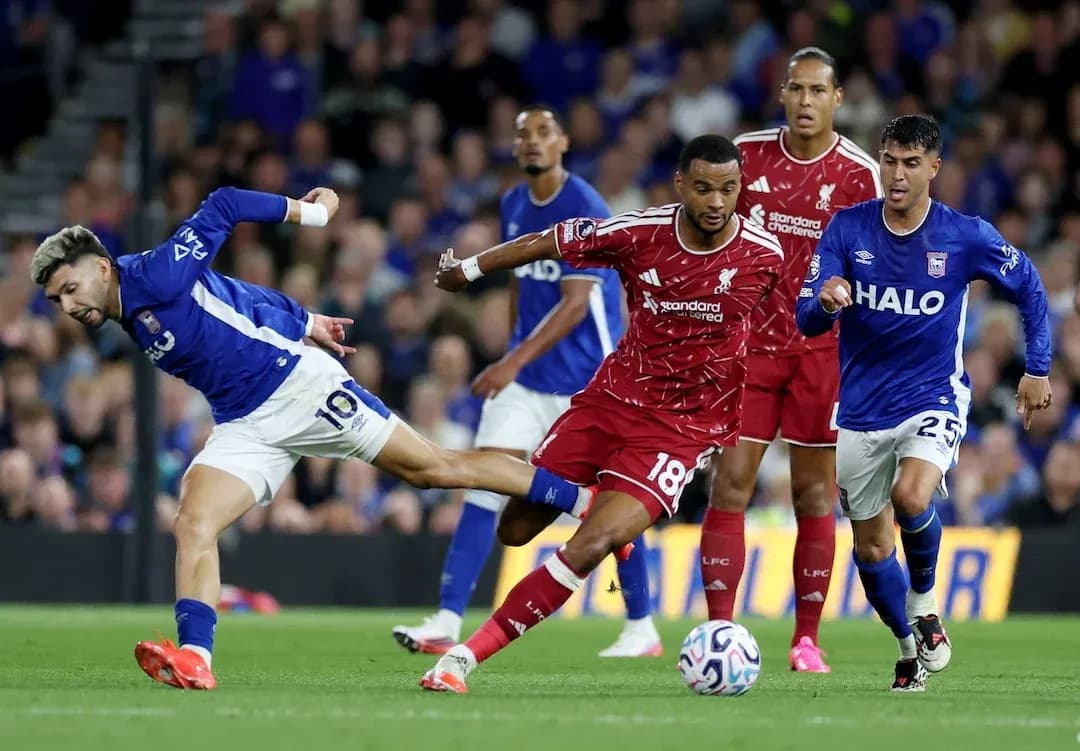
Under the Friday night lights at Portman Road, Ipswich’s 2–0 home defeat to Liverpool felt less like an upset and more like a confirmation of where these two projects stand in the early weeks of the 2026–27 Premier League season. The league table tells its own story: Ipswich sit 14th with 3 points and a goal difference of -4, while Liverpool, unbeaten and increasingly assured, occupy 6th with 5 points and a goal difference of 2. Following this result, the patterns that had been hinted at in the opening rounds now look like clear tactical identities.
I. The Big Picture – Two 4-2-3-1s, Two Different Worlds
Both sides lined up in a 4-2-3-1, but the symmetry on paper masked a gulf in control and maturity.
Ipswich, under G. O’Neil, stayed loyal to the structure that has defined their return to the top flight. K. Scherpen in goal sat behind a back four of L. Davis, J. Greaves, I. Diop and D. O’Shea. In front of them, S. Lukić and E. Palacios formed the double pivot, with a lively but raw trio of A. Fatawu, J. Enciso and D. Maeda supporting lone forward Emersonn.
The system mirrors their season so far: brave but brittle. Overall, Ipswich have played 3 league matches, winning 1 and losing 2. At home they have won 1 and lost 1, scoring 2 and conceding 3; on their travels they have scored 2 but shipped 5. The numbers underline the imbalance: overall they score 1.3 goals per game but concede 2.7. At home, they manage 1.0 goal for and 1.5 against on average; away, they score 2.0 but concede 5.0. The intent is there, but the structure is not yet hardened.
Liverpool, by contrast, arrived in Suffolk with a clear sense of self. Andoni Iraola also deployed a 4-2-3-1, but his version is all about territorial control and vertical surges. Alisson Becker anchored a back line of M. Kerkez, Virgil van Dijk, J. Jacquet and R. Araújo. A. Mac Allister and D. Szoboszlai ran the engine room, with Víctor Muñoz, F. Wirtz and C. Gakpo floating behind A. Isak.
Heading into this game, Liverpool had drawn both of their opening fixtures at home and away before a composed away win, leaving them unbeaten with 1 win and 2 draws from 3. They score 2.0 goals per game both at home and away, and concede 1.0 on their travels and 2.0 at Anfield, for an overall average of 1.3 goals against. It is a profile of a side that can hurt you consistently while rarely being overwhelmed.
II. Tactical Voids – Absences and Discipline
Ipswich’s squad was stretched in precisely the zones where they needed stability. A. Matusiwa, J. Philogene and J. Taylor all missed the fixture through injury, depriving O’Neil of a natural defensive screen and an extra wide threat. Without Matusiwa’s bite in front of the back four, Lukić and Palacios were asked to cover huge spaces against one of the league’s most intelligent attacking midfields.
Liverpool had their own absentees, but crucially in areas of depth rather than structure. C. Bradley, F. Chiesa, H. Ekitike, J. Gomez and G. Leoni were all ruled out, yet Iraola could still field a back four led by Van Dijk, a high-level double pivot, and a front four featuring a top scorer and the league’s leading creator.
Disciplinary trends also framed the contest. Ipswich’s yellow cards this season have been heavily front-loaded: 75.00% of their cautions arrive between 31–45 minutes, with another 25.00% between 46–60. That suggests a side that starts bravely, then begins to lunge as pressure mounts before and just after half-time. Liverpool, by contrast, spread their bookings across the 90 minutes, with a pronounced spike between 46–60 (40.00% of their yellows). Iraola’s team is aggressive after the interval, pressing high and fouling tactically to lock opponents in.
In a match where Ipswich were always likely to endure sustained spells without the ball, those trends mattered: the hosts were at risk of losing their heads just as Liverpool traditionally step on the gas.
III. Key Matchups – Hunter vs Shield, Engine vs Engine
The headline duel was always going to be A. Isak against the Ipswich back line. Isak arrived as the league’s leading scorer with 3 goals from 3 appearances, taking 7 shots and hitting the target 5 times. He is not simply a finisher; his 18 duels and 6 dribbles attempted show a forward comfortable receiving under pressure, rolling defenders and linking play.
Ipswich’s defensive numbers offered little comfort. Overall they had conceded 8 in 3, and their “biggest defeats” column told a stark story: a 0–2 loss at home and a 5–2 defeat away. They have yet to keep a clean sheet anywhere, and have already failed to score once at home. Against a striker in Isak’s form, and with Van Dijk and Jacquet able to hold a high line, Ipswich’s centre-backs were always going to be dragged into uncomfortable territory.
Behind Isak, the creative triangle of Gakpo, Wirtz and Víctor Muñoz posed a different sort of problem. Gakpo, in particular, is the Premier League’s leading provider with 3 assists in 3 games, adding 1 goal of his own. His 8 key passes and 88 completed passes at 84% accuracy mark him out as Liverpool’s hybrid between winger and playmaker. He is also defensively engaged, with 6 tackles, 1 block and 5 interceptions so far.
Ipswich’s answer lay in the craft and courage of J. Enciso and A. Fatawu. Enciso has already supplied 2 assists this season, taking 11 shots and hitting 3 on target, while completing 6 successful dribbles from 15 attempts. Fatawu adds another 7 successful dribbles from 15 attempts, plus 7 key passes and 1 assist. Together, they are Ipswich’s primary route out of pressure and into transition.
But that creative pair were constantly funneled into Liverpool’s pressing lanes. Mac Allister and Szoboszlai, supported by Kerkez and Araújo stepping aggressively, could clamp down on Ipswich’s wide counters. Kerkez’s card record – 2 yellows already – speaks to his willingness to foul to stop breaks, but he also brings 6 tackles, 3 blocks and 2 interceptions, and has blocked 3 shots this season. Araújo adds another 2 blocks and 2 successful dribbles from the back, allowing Liverpool to both suffocate and restart attacks quickly.
The “engine room” battle was equally pivotal. Lukić and Palacios had to cope with Liverpool’s double pivot plus Wirtz drifting inside. With no specialist destroyer like Matusiwa available, Ipswich’s midfield screen was porous, forcing Diop and Greaves to step out and leaving channels for Isak to dart into.
IV. Statistical Prognosis – Why 2–0 Felt Inevitable
Even without explicit xG numbers, the season data sketches a clear expected pattern. Liverpool, scoring 2.0 goals per game overall and conceding just 1.3, came into Portman Road with the profile of a side that routinely creates enough to score twice while limiting opponents to scraps. Ipswich, with 1.3 goals for and 2.7 against overall, and no clean sheets anywhere, looked primed to concede multiple times if Liverpool’s pressing and rotations clicked.
On their travels, Liverpool’s balance is even starker: they score 2.0 and concede 1.0, and have already recorded a 0–2 away win as their biggest victory. Ipswich at home, by contrast, have a narrow margin for error: they score 1.0 and concede 1.5, with their best result a 2–1 win and their worst a 0–2 defeat. This match simply followed those established curves.
Liverpool’s penalty record also hints at their composure in decisive moments. They have taken 1 penalty this season and scored it, with no misses. Ipswich, by contrast, have yet to win a penalty and therefore have had no chance to tilt tight games from the spot.
Overlay the disciplinary patterns – Ipswich’s tendency to collect cards around half-time, Liverpool’s ferocious post-interval press – and the script becomes clear. A strong Liverpool start, Ipswich stretched and booked as they chase shadows, and then a controlled away performance once the lead is established. A 2–0 scoreline fits that narrative almost perfectly: the visitors’ attack producing its usual two-goal output, their defence holding firm against a side still learning the margins of the Premier League.
Following this result, Ipswich remain a brave, enterprising newcomer with real talent in Enciso and Fatawu, but their numbers and tactical gaps scream “relegation battle” unless the defensive structure tightens. Liverpool, meanwhile, look every inch a top-four contender: unbeaten, tactically coherent, and with a spine – Alisson, Van Dijk, Mac Allister, Gakpo, Isak – that can impose its will on nights like this, home or away.
Related News
Arsenal vs Chelsea Predicted Lineups: Team News and Tactical Analysis
Everton vs Manchester United Predicted Lineups: Team News & Analysis
Arsenal vs Chelsea: Premier League Showdown Preview
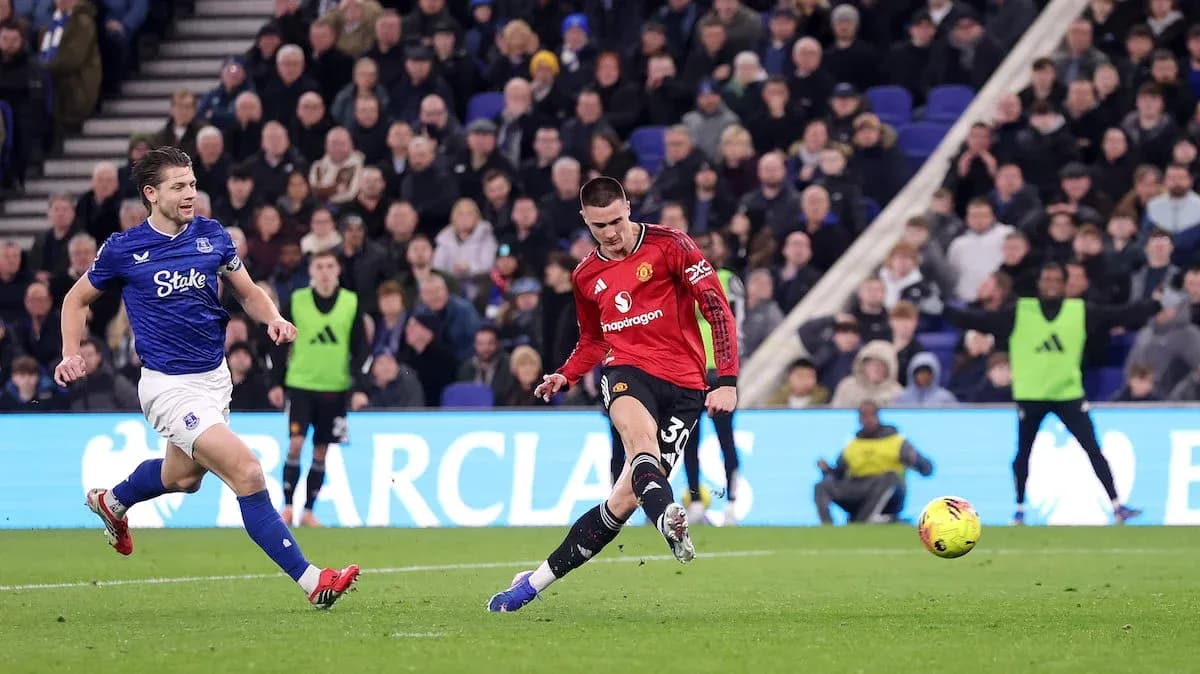
Everton vs Manchester United: Premier League Showdown at Hill Dickinson Stadium
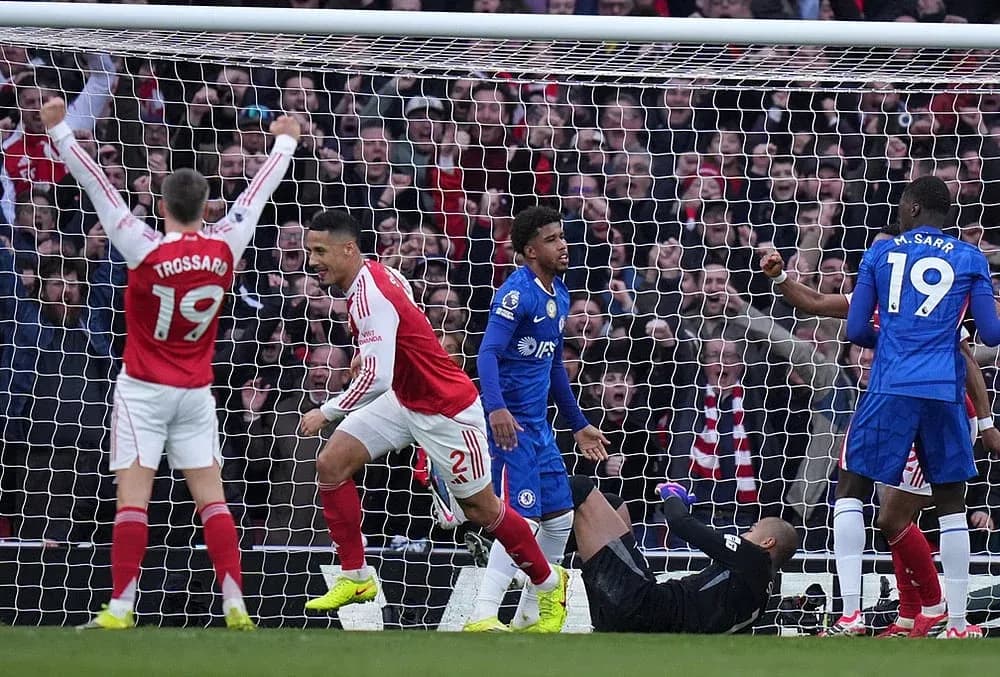
Arsenal vs Chelsea Prediction: Key Stats and Betting Tips
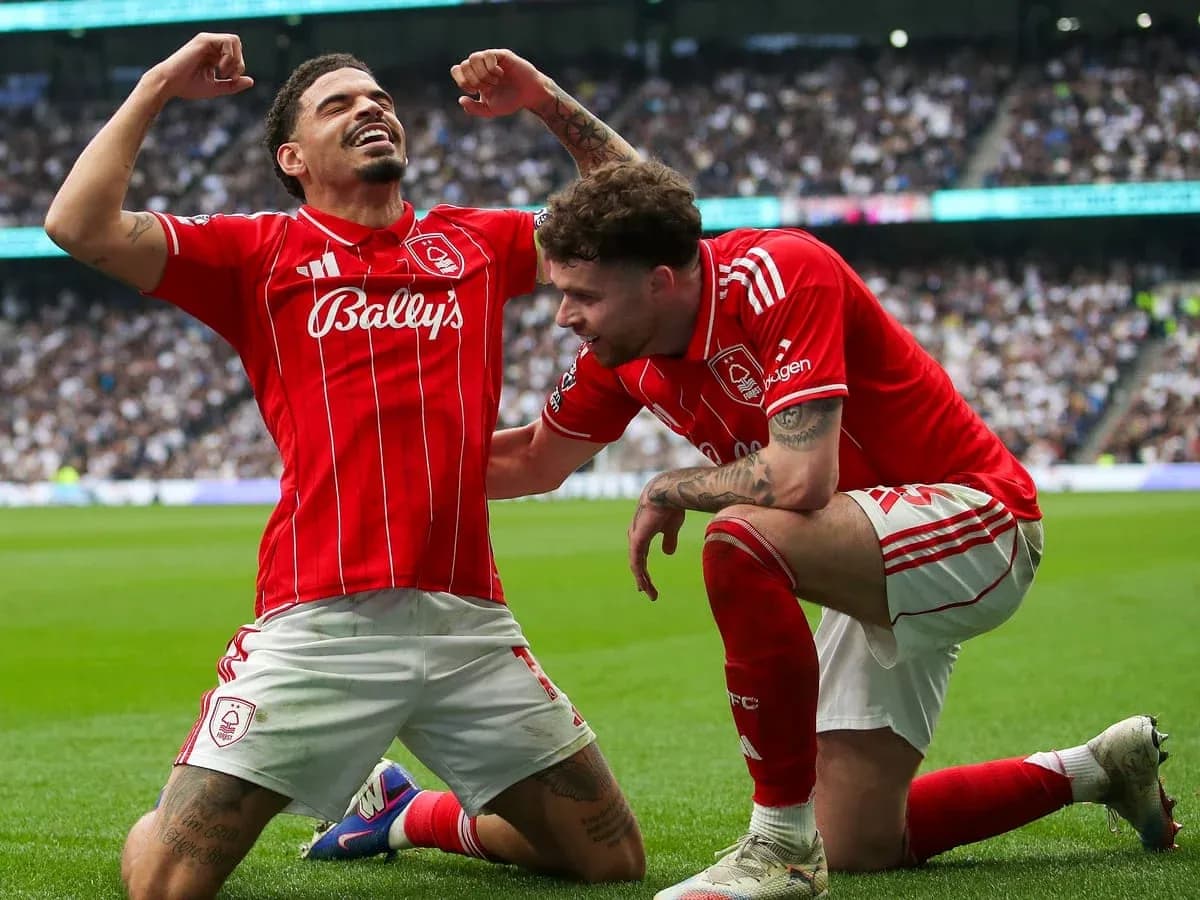
Nottingham Forest vs Tottenham Predicted Lineups and Team News