
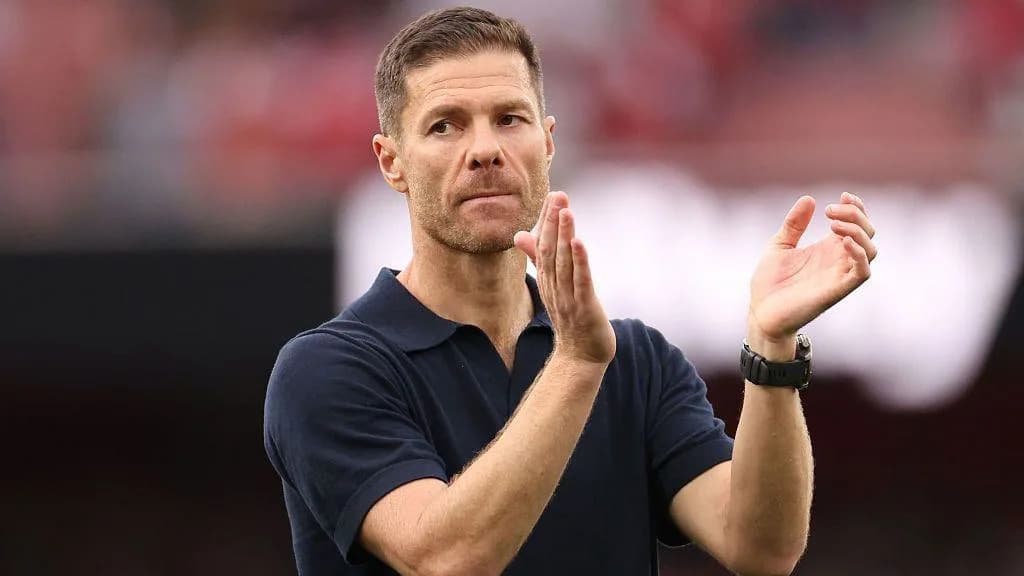
Is Possession Football Losing Its Grip in the Premier League?
In the early 2000s, Premier League defenses shrank the playing area to limit scoring chances. Attacking teams were urged to act quickly, exploiting open spaces with fewer defenders around.
Pep Guardiola shifted this approach over the last decade. His Manchester City sides forced opponents into tight defenses, a challenge theoretically harder to crack. Their defenders often held positions near midfield, covering large areas, but the key was maintaining possession close to the opponent’s goal. After all, if you control the ball, your opponents can’t score.
Why Teams With High Possession Are Dropping Points
This season, among the first 50 Premier League matches, sides with over 60% possession won just 36.4% of those games. That’s down from 53.5% in 2023-24. Does this mean possession football is fading? The reality isn’t so clear. Are teams winning because they hold less of the ball, or do they lose possession because they've taken the lead early? Both explanations have merit.
A Case Study: Xabi Alonso’s Chelsea
Chelsea began their campaign by beating Fulham and Brighton despite holding less of the ball — 3-2 and 4-3 wins respectively. Yet when they had more possession, such as in a 2-2 draw with Hull and a 3-0 loss to Brentford, results did not follow.
- Brighton game possession: 25.6%
- Successful passes: 146 (lowest since records began in 2003-04)
- Goals scored: Four goals through quick transitions and throw-in plays
Chelsea’s direct attackers like Joao Pedro, Cole Palmer, Pedro Neto, and Morgan Rogers thrive on counter-attacks, making low possession advantageous against Brighton’s ball-dominant style (second only to Manchester City).
The Stigma Around Counter-Attacking
Underdogs such as newly promoted Hull embrace counter-attacking football. Big clubs, however, face pressure to control games with the ball, making low possession tactics harder to maintain long-term, even if effective.
Manchester United have struggled similarly, averaging 1.5 points per game when dominating possession, but 2.6 points with less than 50%. Clubs like Brentford, Leeds, and Hull build squads that fit counter-attacking strategies well. Their mix of strong defenders, sharp counter-attackers, and set-piece threats helps them compete against wealthier teams.
Tactical Shifts and Player Roles
Man-to-man pressure has increased, complicating build-up play. Teams now often rely on long balls over presses or driving runs into space, with players like Manchester City's Nico O'Reilly and Arsenal's Declan Rice exemplifying this approach.
While effective initially, these methods may not suit teams filled with physically dominant athletes who lack the intricate skills to break down tight defenses, a common hurdle for high-possession teams.
Modern defense strategies include man-marking close to goal, reducing chances to find free players—a core part of Guardiola’s positional play. This shifts attacks to one-on-one dribbling duels, requiring individual talent some teams might be missing.
Possession Varies With Scoreline
Possession averages can obscure how teams change tactics based on match situations. Chelsea, for instance, scored early in each of their first four games, then dropped deeper to protect leads, conceding possession but capitalizing on space left behind.
- Possession when level: 51.4%
- Possession when ahead: 34.5%
- Possession when behind: 67.2%
Interestingly, when defending leads, Chelsea’s attackers could play more instinctively and exploit space, while chasing goals with higher possession exposed struggles against compact defenses.
Arsenal's Balanced Approach
Arsenal showcase the benefits of blending possession and direct attack. Players like Bukayo Saka and Max Dowman offer dribbling skill, while Martin Odegaard, Martin Zubimendi, Bruno Guimaraes, and Christos Tzolis provide reliable passing to unlock defenses. Their set-piece threat also helps secure leads when chances are scarce.
- Possession when ahead: drops slightly from 60.4% to 56.6%
Defensively, players like Gabriel, Ezri Konsa, Jurrien Timber, and Declan Rice help maintain control with less ball possession.
Manchester City protect leads differently, maintaining high possession (64.9%) even when ahead, reflecting continuity from Guardiola’s era under coach Enzo Maresca.
Controlling the Game on Your Terms
All successful teams share one goal: forcing opponents to play uncomfortable football. Andoni Iraola, Liverpool’s current manager, explained in 2025 that making rivals play outside their preferred style gives a clear edge. He led Bournemouth, a team known for winning with less possession against stronger opponents.
Many teams struggle to break down evolved defensive tactics, so advantages often come from attacking large open spaces. Bridging the gap between thriving without the ball and dominating with it will take time—time some top coaches don’t have.
Related News

Chelsea vs Bournemouth Stats: Head-to-Head Record and Recent Form

Premier League Players and Agents Consider Compensation Claims Against Manchester City Following Guilty Verdict
Is Possession Football Losing Its Grip in the Premier League?
Juventus Aims to Renew Pierre Kalulu's Contract Amid Interest from Premier League
Premier League Managers Facing Potential Sackings During International Break
Arsenal's Myles Lewis-Skelly Names Unexpected Tottenham Rival as Toughest Premier League Opponent