
Iran’s Road to 2026: Key Players and Challenges
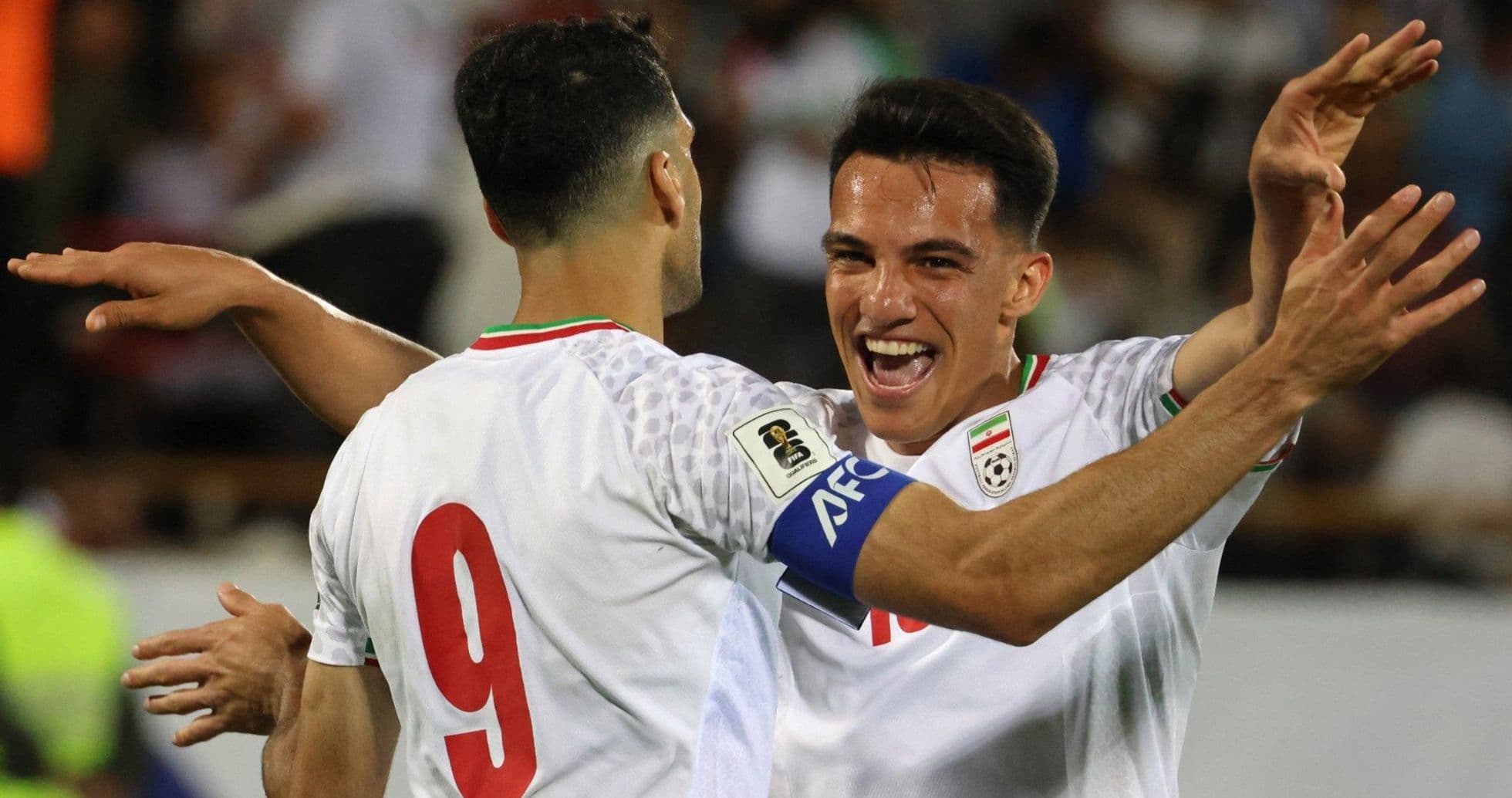
World Cup 2026 is coming into focus for Iran, and one truth already feels settled: the team will rise or fall on the shoulders, gloves and goals of a hardened core that has seen it all.
Beiranvand, from the streets to the biggest stage
In goal, there is no real debate. Alireza Beiranvand, now 33 and at Tractor, is still the man with the gloves and the story that refuses to fade.
He ran away from his nomad family at 12. Slept rough on the streets of Tehran. Took whatever work he could find while chasing a professional career. Years later he stood on a World Cup pitch and denied Cristiano Ronaldo from the penalty spot in 2018 – the first time Portugal had ever failed from 12 yards at a World Cup.
More than 80 caps later, Beiranvand is the overwhelming favourite to be Iran’s No. 1 in the USA, Mexico and Canada. His presence, his experience, his sheer narrative weight make him the natural anchor for Team Melli.
Behind him, the pecking order is tighter. Hossein Hosseini of Sepahan is the main challenger, a reliable, seasoned option who may again have to live with the label of “very capable back-up.” Payam Niazmand at Persepolis and the younger Mohammad Khalifeh of Aluminium Arak FC are pushing too, likely locked in a battle to claim the third goalkeeping spot on the plane.
The engine room: Ezatolahi, Ghoddos and a rising talent
If Beiranvand is the symbol of resilience, Iran’s midfield is the platform for everything else.
Saeid Ezatolahi, now with Shabab Al Ahli, remains a central pillar. A foot injury kept him out of the March friendlies, but he is expected to be fit for the summer and, with it, restored to his role as a midfield metronome. Alongside him, Saman Ghoddos – currently at Kalba – brings guile, versatility and a rare calm in tight spaces. He is a key player and will be expected to shoulder a major share of responsibility in North America.
Experience runs through the rest of the unit. Omid Noorafkan at Sepahan and Mohammad Ghorbani of Al Wahda are proven options, comfortable in the grind of international football and trusted by Amir Ghalenoei. Then there is the injection of youth: Amir Razzaghinia of Esteghlal, an exciting talent who could transform from promising name to genuine World Cup story if he earns meaningful minutes.
The balance is clear: steel, structure, and a touch of invention.
Taremi, again the reference point
Up front, nothing has changed. Mehdi Taremi remains the face of Iran’s attack and, in many ways, of this generation.
Now 33 and at Olympiacos, he is heading for his third World Cup. He already has more than 100 caps and over 50 goals for his country, a return that underlines just how central he is to everything Iran do in the final third. He will arrive in North America off the back of another prolific campaign in Greece, still a ruthless presence in the box and still capable of carrying a team’s attacking burden.
He knows the World Cup stage intimately. In Qatar 2022, he scored twice against England in a 6-2 defeat – a reminder that even on difficult nights, he finds the net.
Around him, the support cast has quality and variety. Alireza Jahanbakhsh, now with FCV Dender EH after spells at Brighton and in the Eredivisie, offers width, work-rate and a sharp left foot from the flank. Mehdi Ghayedi, currently at Al-Nasr, is another near-certainty for the squad, a lively, inventive forward who can unsettle defences in a heartbeat.
The wider attacking pool is deep. Ehsan Mahroughi (Foolad), Ali Alipour (Persepolis), Shahriyar Moghanlou (Kalba), Hossein Abarghouei (Persepolis), Mohammad Mohebi (Rostov), Amirhossein Mahmoudi (Persepolis), Ali Gholizadeh (Ekstraklasa), Mehdi Torabi (Tractor) and Amirhossein Hosseinzadeh (Tractor) all give Ghalenoei different profiles and combinations to work with.
The Azmoun void and Eckert’s opportunity
Yet the most striking name in any discussion about Iran’s attack is the one missing.
Sardar Azmoun, with 57 goals in 91 internationals, has long formed a devastating partnership with Taremi. His absence would be seismic. After he was left out of the March friendlies amid reports of a perceived act of disloyalty to the government, Iran are widely expected to head to the World Cup without him.
Those numbers – 57 in 91 – are not easily replaced. They represent years of chemistry, of instinctive understanding with Taremi, of big goals in tight moments. If he does not return, Iran will be forced to redraw the attacking blueprint they have leaned on for so long.
Into that space steps Dennis Eckert of Standard Liege. Called up by Ghalenoei for the March fixtures, the forward, who has Iranian ancestry, now has a genuine chance to fight his way into the World Cup squad. It is a huge opportunity, but also a demanding one: he is not being asked to simply join a squad, he is walking into the shadow of one of Iran’s most prolific modern forwards.
Beiranvand’s back line and Ghalenoei’s shape
Behind all that attacking intrigue, the structure looks familiar.
Iran are expected to line up in a traditional back four. Salheh Hardani at right-back and Milad Mohammadi on the left provide energy and width, while Shojae Khalilzadeh is likely to partner Hossein Kanaanizadegan at the heart of the defence. It is a unit built on experience and understanding, tasked with giving Beiranvand the protection he needs and the platform to command his area.
Ghalenoei’s likely system is a 4-2-3-1. Ezatolahi and Ghoddos sit as a two-man shield and springboard in midfield, charged with both breaking up play and feeding the creative line ahead of them. The trio behind Taremi could feature Jahanbakhsh on one flank, Ghayedi on the other and Mohebi operating between the lines.
On paper, it is a shape that offers balance: defensive security, technical quality in midfield, width, and a focal point up front.
The XI that points towards North America
Put it together, and a probable starting XI for World Cup 2026 emerges:
Beiranvand; Hardani, Khalilzadeh, Kanaanizadegan, Mohammadi; Ezatolahi, Ghoddos; Jahanbakhsh, Ghayedi, Mohebi; Taremi.
It is a side built around a veteran goalkeeper who once slept on Tehran’s streets, a striker chasing more World Cup goals, and a midfield that knows how to suffer and still play.
What it may lack, if Sardar Azmoun stays out in the cold, is the extra edge that once made Iran’s front line so feared. The question now is simple: can this reshaped Team Melli find a new way to bite on the biggest stage, or will that missing partnership haunt them across the USA, Mexico and Canada?
Related News
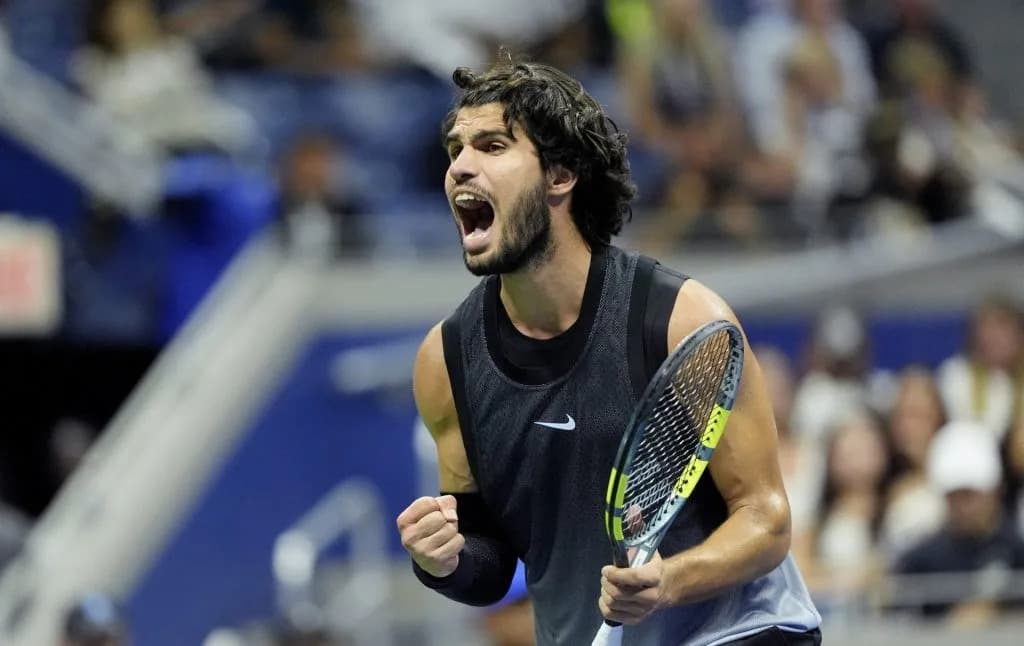
Carlos Alcaraz Urges an End to Matches Ending in the Early Hours
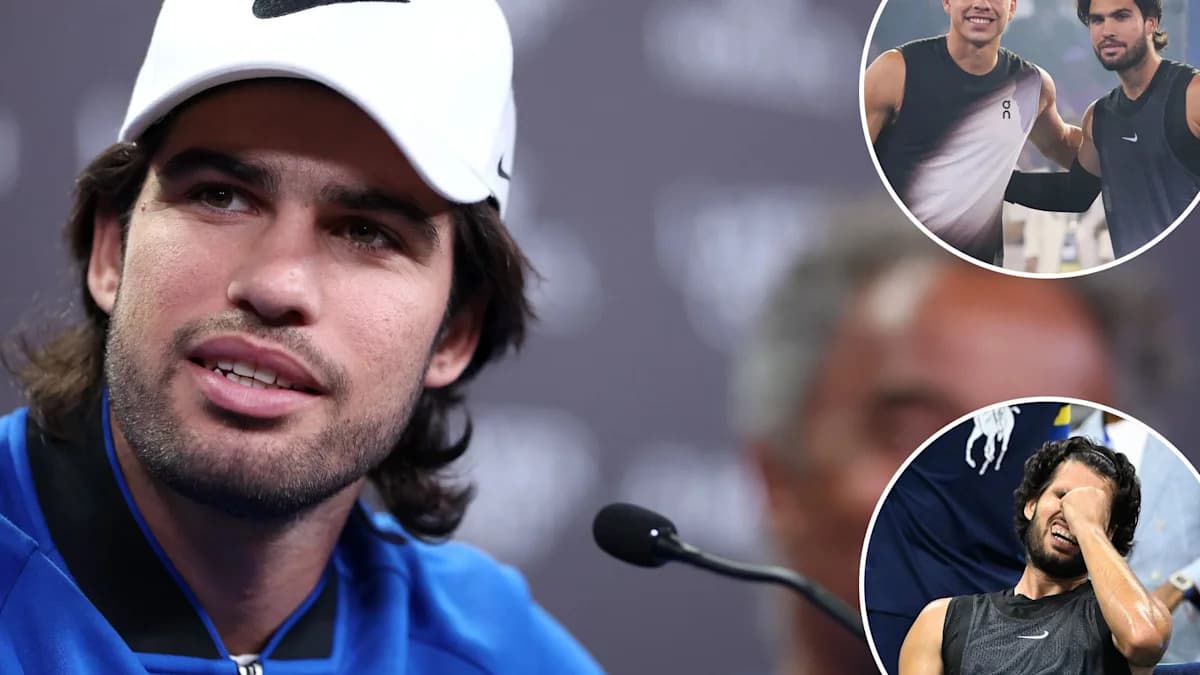
Carlos Alcaraz Criticizes Late US Open Finish After 3:30 a.m. Match
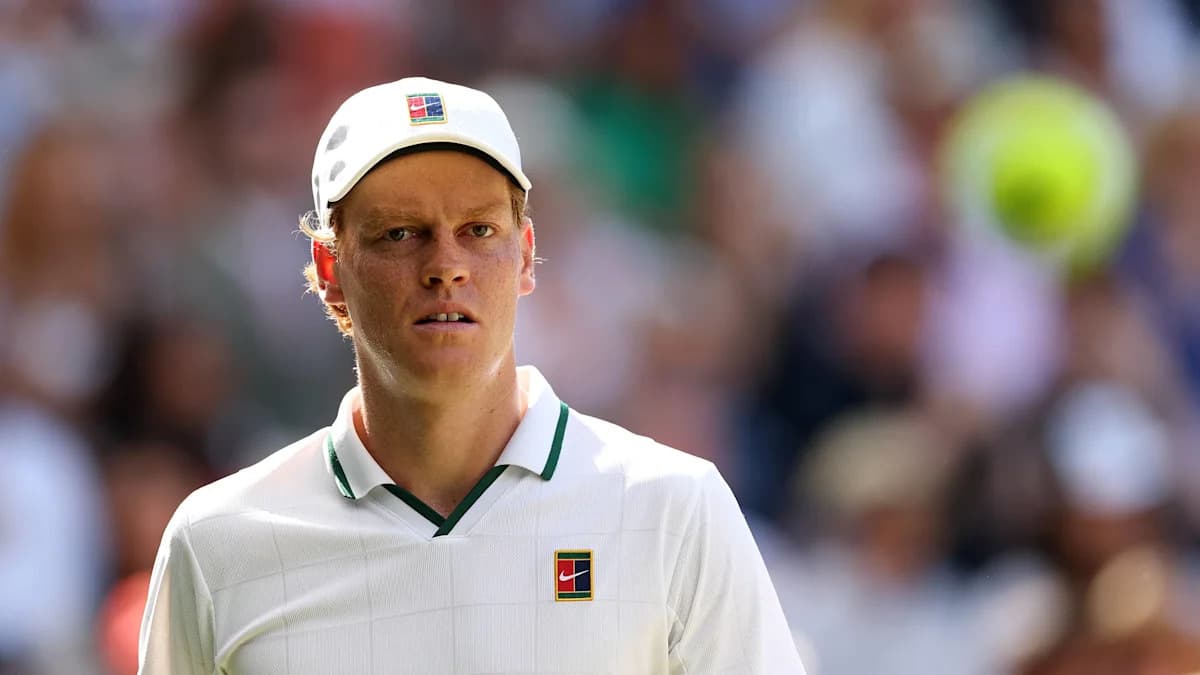
Jannik Sinner Set for ATP 500 Return in Beijing with Novak Djokovic Also Competing
Meet Iva Jovic: The American Tennis Prospect Making Waves
Flavio Cobolli Shares Insights on Practice Session with Jannik Sinner Ahead of Comeback
Till vs Romero: Fight Details, Undercard, and Viewing Info for This Weekend