
Jude Bellingham's Confrontation After England's Heartbreaking Semi-Final Loss
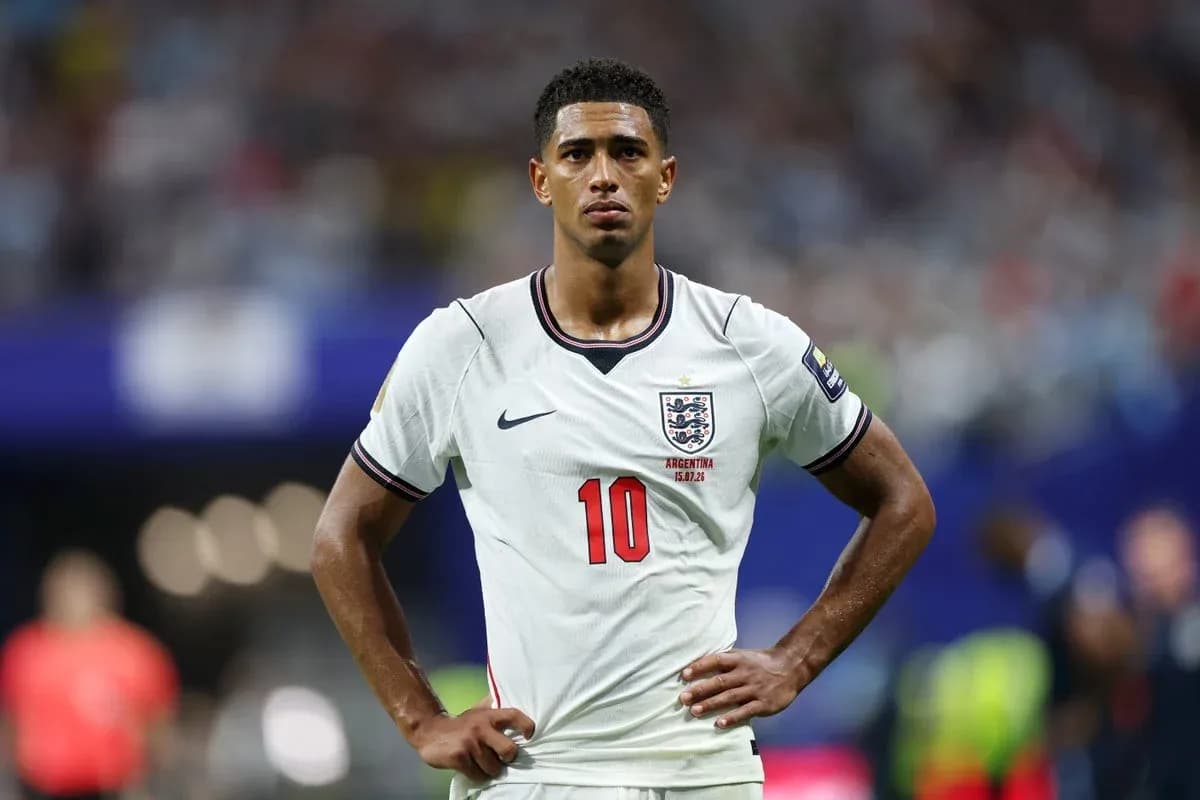
Jude Bellingham became the flashpoint of an ugly post‑match confrontation as England’s World Cup dream died in Atlanta against a relentless Argentina side that refused to stay beaten.
Thomas Tuchel’s team had one foot in the final after Anthony Gordon’s crisp 55th‑minute finish, only for the game to twist violently in the closing stages. Enzo Fernandez dragged Argentina level late on, Lautaro Martinez then drove the knife in with a dramatic winner, and England’s 2-1 semi-final defeat detonated a raw, combustible scene at full-time.
The match had simmered for long spells without ever truly catching fire in open play. Nineteen fouls. No shots on target in a suffocating first half. Plenty of niggle, little rhythm. Argentina snapped into challenges, England bristled, and the tension built with every stoppage.
It exploded after the final whistle.
Television cameras first picked out Bellingham standing alone on the pitch, processing the defeat as Argentina’s players celebrated around him. He began moving through the opposition, offering handshakes. Nearby, substitute Valentin Barco – who had not played a minute – sprinted past to join the jubilant Argentina huddle.
Then came the flashpoint. Footage shows Bellingham stepping towards Barco and slapping him on the back of the head. Barco reacted instantly, shoving the England midfielder, and the confrontation escalated in seconds.
Nico Paz initially tried to prise the pair apart, but more players from both sides surged in and the scene quickly turned into an untidy melee. Pushing, jostling, raised voices – the sort of chaotic scuffle that often follows a high-stakes defeat when emotions are at their sharpest.
The bad blood did not come from nowhere. Another clip from earlier in the night shows Barco sprinting towards the England dugout after Fernandez’s equaliser, appearing to celebrate directly in front of Tuchel, his staff and the substitutes’ bench. That gesture, with England reeling from the late blow, may well have lodged in Bellingham’s mind by the time the final whistle sounded.
Argentina’s attempts to wind up their opponents had been a theme throughout. At one point Bellingham could be seen laughing off the aggression of Leandro Paredes as the midfielder tried to bait him. England absorbed a string of fouls, Argentina relished the scrap, and the psychological battle ran alongside the footballing one.
Layered over all of this was a rivalry that has never been just about sport.
The relationship between England and Argentina remains shadowed by history, and the Falkland Islands hovered in the background of this semi-final long before kick-off. Extra security was drafted in around the stadium in Atlanta, an acknowledgement of the political charge that still surrounds meetings between these two nations.
When the game ended, Argentina’s players made that context unmistakable. They unfurled a supporters’ banner reading “Las Malvinas are Argentine”, a direct reference to the Falkland Islands, a British overseas territory that remains a point of fierce contention in Argentina and a recurring motif in the country’s football culture.
The message evoked the 1982 war, when Argentina’s then far-right military dictatorship invaded the Islands and 907 people were killed before Britain reasserted control. Decades on, the scars and slogans endure, often spilling into football grounds whenever these flags meet.
On this night, that history collided with sporting heartbreak and modern star power. England’s young leader, Bellingham, stood at the centre of it all – first as the team’s emotional heartbeat, then as the figure at the eye of the storm, framed by cameras as Argentina celebrated and tempers finally snapped.
England now fly home with nothing but regret and bruised pride. Argentina leave Atlanta with a comeback for the ages, a banner held high, and a rivalry that feels as charged as ever.
Related News
India's Record Chase of 406 Against West Indies Highlighted by Gill's 223 and Rohit's Century

Alex Pereira Hints at Major UFC Bout: 'Big Challenge' Ahead
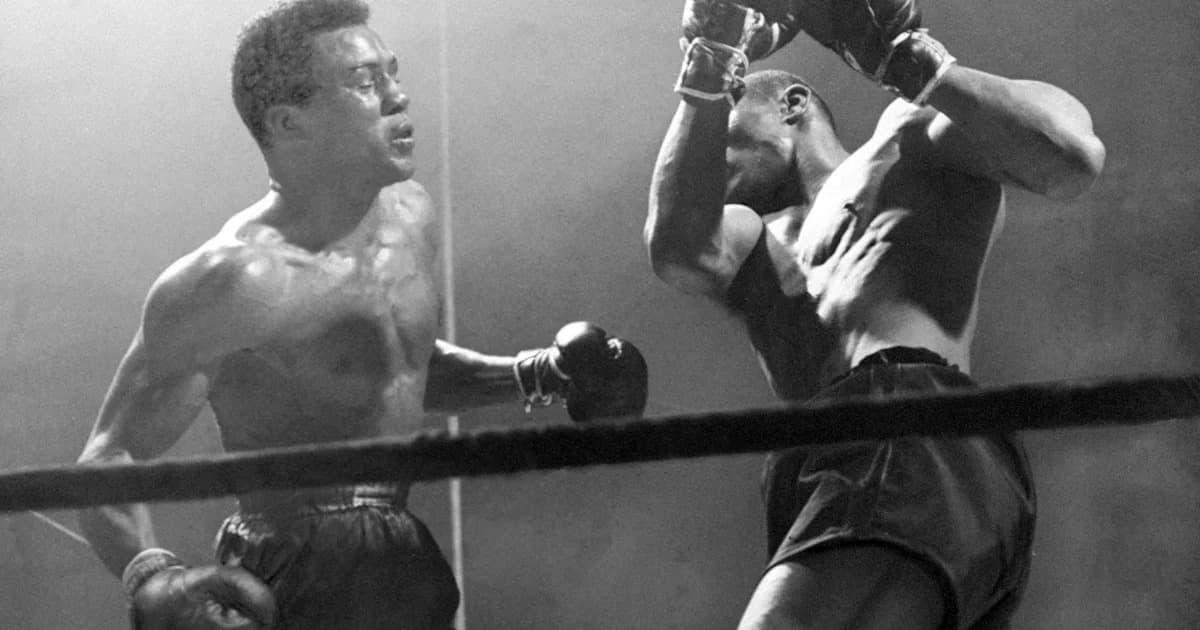
Three Hall of Famers, Ten Fights, 109 Rounds: The Forgotten Rivalry That Shaped Lightweight Boxing's Golden Era
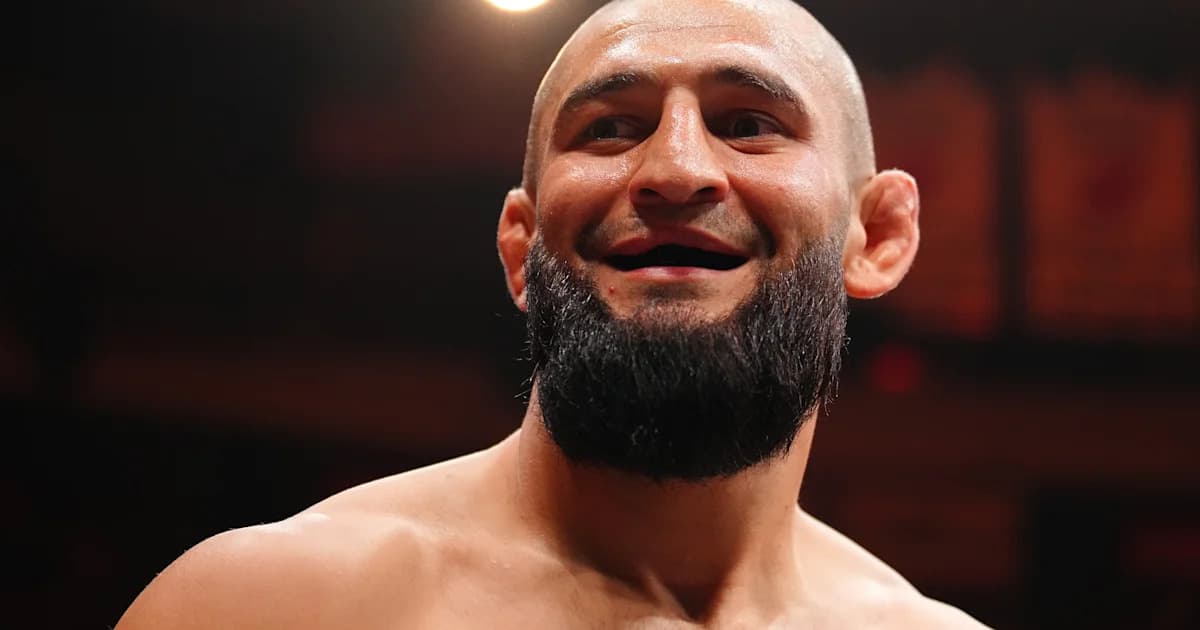
Khamzat Chimaev and Colby Covington Set for RAF Abu Dhabi Title Clash in November
Thomas Tuchel Confident Harry Kane Will Join 100-Goal Club for England Soon
Cristiano Ronaldo Vows to Reveal Truth After Leaving Portugal Squad Amid Conflict