
Kansas City W Dominates Portland Thorns W 3-1 in NWSL Showdown
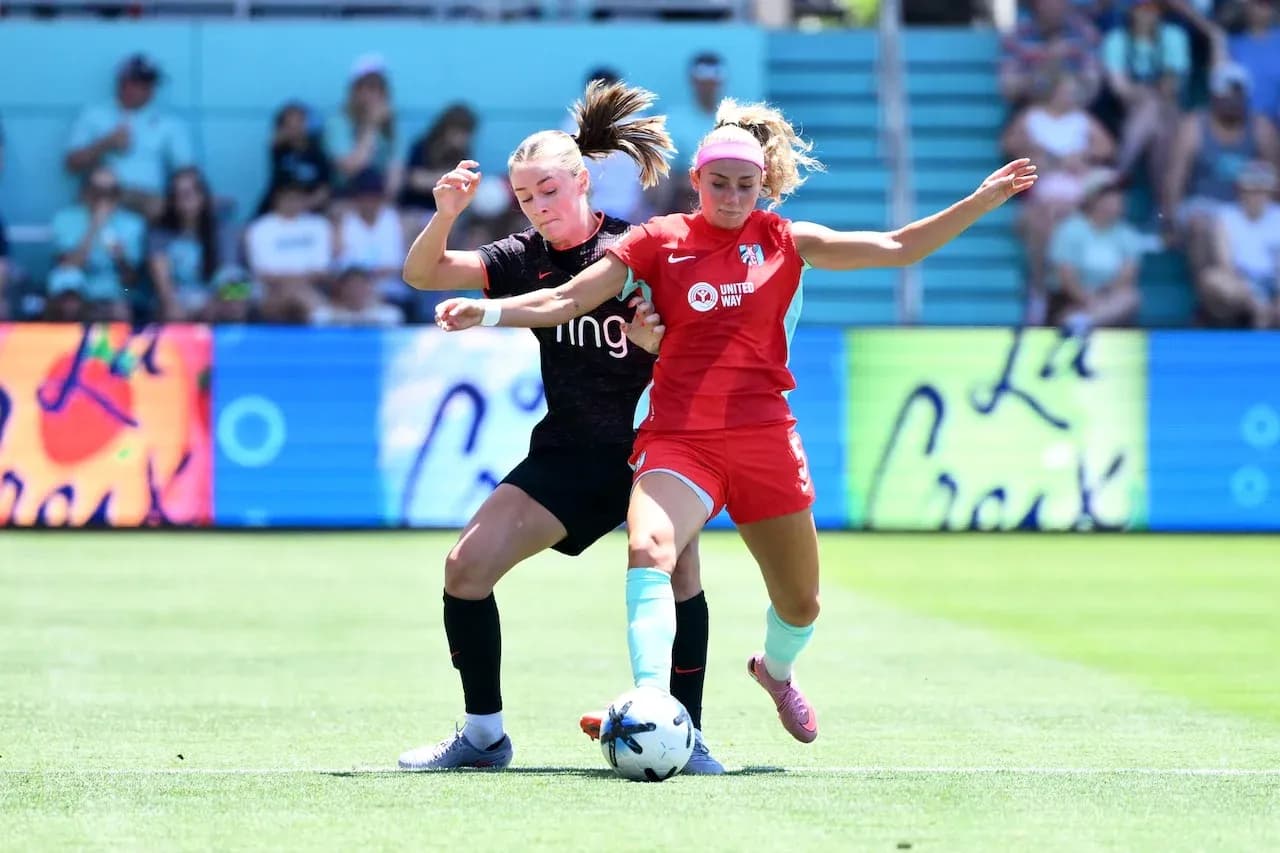
Under the late afternoon light at CPKC Stadium, Kansas City W turned a statement fixture into a declaration of intent. In a Group Stage meeting of NWSL Women contenders, they dismantled Portland Thorns W 3-1, overturning a 1-1 half-time scoreline and reasserting their home dominance in front of a crowd that has grown used to seeing them impose themselves on this pitch.
Heading into this game, the table said one thing, the performance levels another. Kansas City were 6th with 18 points from 11 matches, their overall goal difference locked at 0 after scoring 17 and conceding 17. The split, though, revealed their true identity: at home they had been perfect, five wins from five, with 13 goals for and only 3 against. On their travels they were fragile, but in Kansas City they were ruthless, averaging 2.6 goals for and conceding just 0.6.
Portland arrived as the more decorated proposition in the standings. They sat 2nd with 23 points from 12 games, a total goal difference of 6 built on 18 goals scored and 12 conceded overall. Their defensive record at home had been immaculate – 0 goals conceded there – but away they were far more human: 10 scored, 12 conceded, and three defeats in seven. This was a clash between a perfect home side and a heavyweight that still hadn’t quite solved life on the road.
Both coaches leaned into their preferred identities by mirroring each other in a 4-2-3-1. Chris Armas trusted the system that has become Kansas City’s default, a shape they had used 8 times already this season. Lorena started in goal behind a back four of E. Bravo-Young, G. Robinson, K. Sharples and I. Rodriguez. Ahead of them, the double pivot of L. LaBonta and B. Feist provided structure, while the attacking band of three – M. Cooper, Croix Bethune and T. Chawinga – worked off central forward A. Sentnor.
Robert Vilahamn responded in kind with his own 4-2-3-1, a formation Portland had deployed 9 times this campaign. M. Arnold anchored the side in goal, with a back line of R. Reyes, C. Calzada, S. Hiatt and M. Vignola. In midfield, J. Fleming and C. Bogere formed the screening pair, while the creative and attacking burden fell to M. Muller, P. Tordin, R. Turner and S. Wilson as the lone striker.
The first half played out like a meeting of equals. Kansas City, buoyed by their home scoring average of 2.6, pushed high with Bethune and Cooper drifting into half-spaces, while Chawinga – already on 6 goals and 2 assists in just 7 appearances – occupied awkward pockets between Portland’s lines. Portland, for their part, showed why they average 1.4 goals on their travels: quick vertical transitions, with Turner and Tordin trying to pull Kansas City’s centre-backs into wide channels and Wilson stretching the last line.
By 45 minutes, the 1-1 scoreline reflected the balance: Kansas City’s attacking verve against Portland’s capacity to punch back. But as the match tilted into the second half, the underlying season-long trends began to assert themselves.
The tactical voids were subtle rather than headline-grabbing. There was no published list of absentees, but the disciplinary histories shaped how both midfields behaved. Kansas City, who have yet to see a red card in the league and collect most of their yellows between 31-45 minutes (37.50% of their cautions), were aggressive but controlled in that crucial pre-interval window. Portland, by contrast, carried the shadow of their red-card history into this fixture: R. Reyes has already been sent off once this season, while C. Bogere has combined a yellow with a yellow-red. The Thorns’ card distribution shows a late-game spike, with 27.27% of their yellows coming between 76-90 minutes, and that nervous edge reappeared as Kansas City turned the screw in the closing stages.
The second half became a showcase for Kansas City’s attacking spine. Chawinga, the league’s third-ranked performer by rating, was the “Hunter” in this contest. Her 6 goals from 10 shots total this season underline a ruthless shot selection, and her 13 dribble attempts with 7 successful give her the ability to break lines on her own. Operating from the left or drifting central, she repeatedly targeted the space around Reyes and Hiatt, forcing Portland’s right side into uncomfortable 1v1s.
Behind her, Bethune and Cooper were the “Engine Room” that made the structure sing. Bethune, with 2 goals, 3 assists and 12 key passes this season, combined tight control in traffic with progressive passing. Her 41 dribble attempts, 21 of them successful, allowed Kansas City to bypass Bogere’s pressing lane and attack the back four directly. Cooper, also on 3 assists, offered the complementary vertical threat, driving into the channels and linking with Sentnor’s back-to-goal play.
For Portland, the theoretical counterweight was formidable. O. Moultrie, even from the bench in this fixture, has been one of the league’s premier creators with 4 goals, 4 assists and 24 key passes, while Tordin adds 3 goals and 4 assists from wide areas. Turner, with 4 goals and 58 duels won, is normally the aggressive runner that turns their possession into penetration. But here, the Thorns’ usual attacking rhythm never quite sustained beyond moments.
Kansas City’s defensive platform at home – only 3 goals conceded in 5 league matches heading into this game – held firm after the interval. Robinson and Sharples managed Wilson’s movement, while LaBonta and Feist compressed the central lanes that Fleming and Bogere needed to dictate. Bogere’s season profile, with 33 tackles and 17 fouls committed, speaks to an enforcer who walks a disciplinary tightrope; as Kansas City increased the tempo, Portland’s midfield grew reactive rather than proactive.
The late phases belonged almost entirely to the hosts. Where Portland’s season-long yellow card data shows a late-game surge, Kansas City’s discipline and fitness allowed them to keep pushing without losing structure. The 3-1 full-time scoreline was not just a snapshot of 90 minutes, but a crystallisation of the season’s statistical undercurrents: Kansas City’s flawless home form and attacking firepower overwhelming a Portland side whose away defensive average of 1.7 goals conceded finally buckled under sustained pressure.
From an Expected Goals lens, even without raw xG values, the patterns are clear. Kansas City’s volume of home goals, their creative trio’s shot and key-pass numbers, and Portland’s away concession rate all point toward a game tilted in the hosts’ favour once they found their rhythm. Portland’s own attacking metrics suggest they would always carry a threat, which the first-half equaliser reflected, but their inability to control the midfield against Bethune, Cooper and Chawinga meant their xG likely lagged behind Kansas City’s as the match wore on.
Following this result, Kansas City’s narrative in this NWSL Women season sharpens: a side with a 4-2-3-1 identity, a devastating home attack, and a star in Chawinga who is bending matches to her will. Portland remain a top-tier contender, but this was a reminder that away from home, against a fearless, high-tempo unit, their shield can be pierced – and decisively so.
Related News
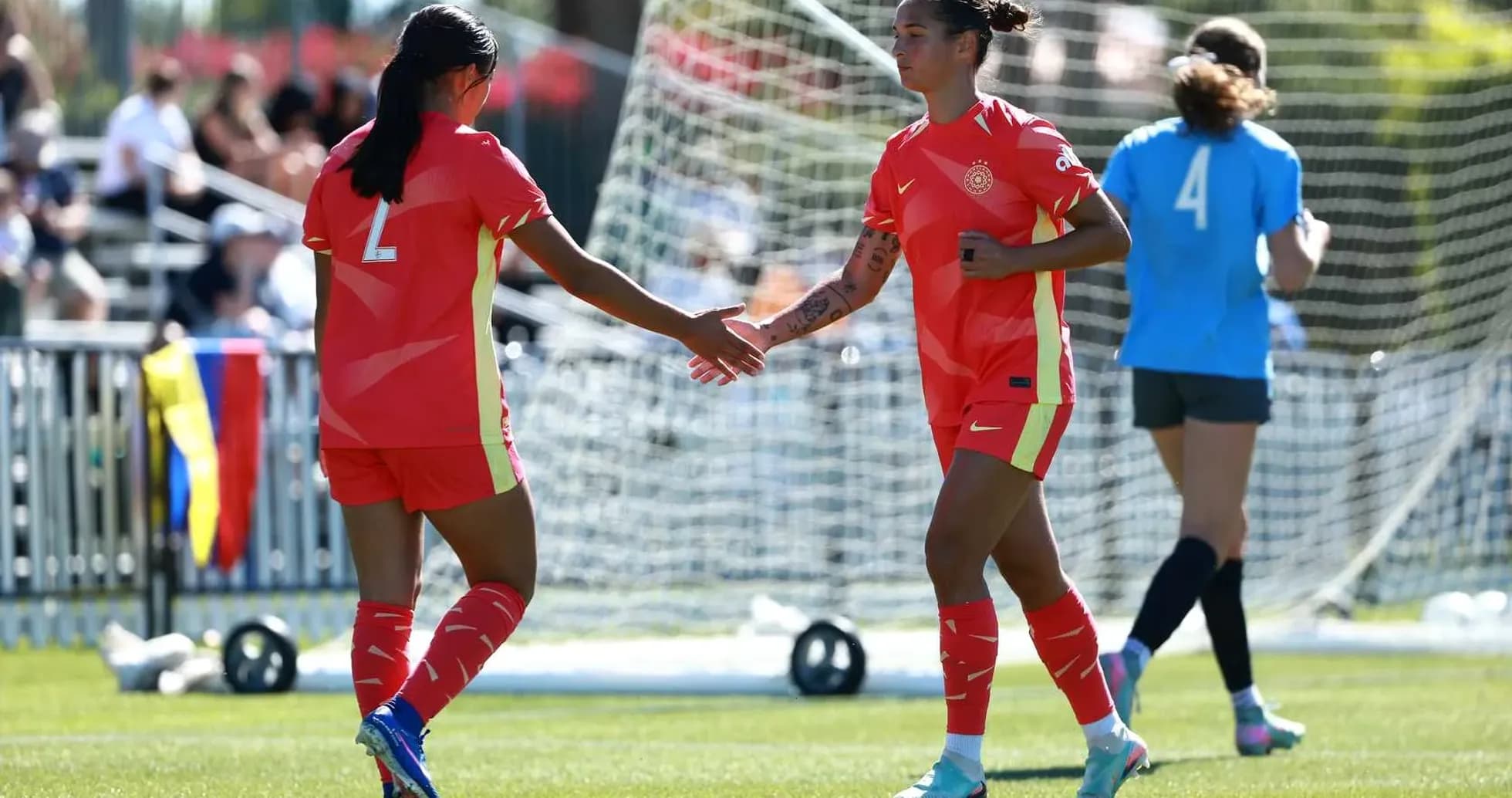
Portland Thorns W vs Houston Dash W: NWSL Women Clash

Kansas City W vs Denver Summit W: NWSL Women Showdown
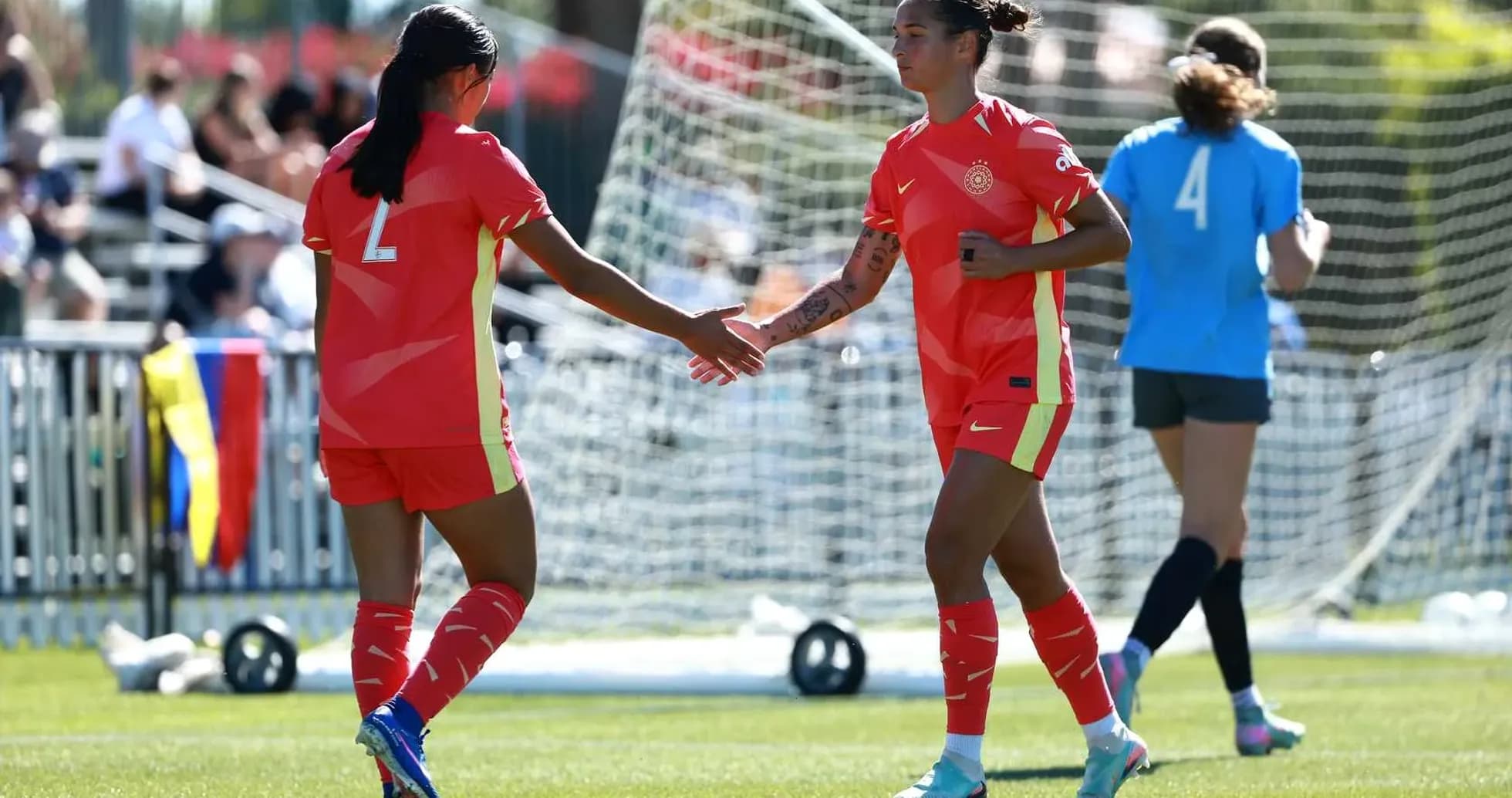
Portland Thorns W vs Houston Dash W Prediction: Key Stats and Tips
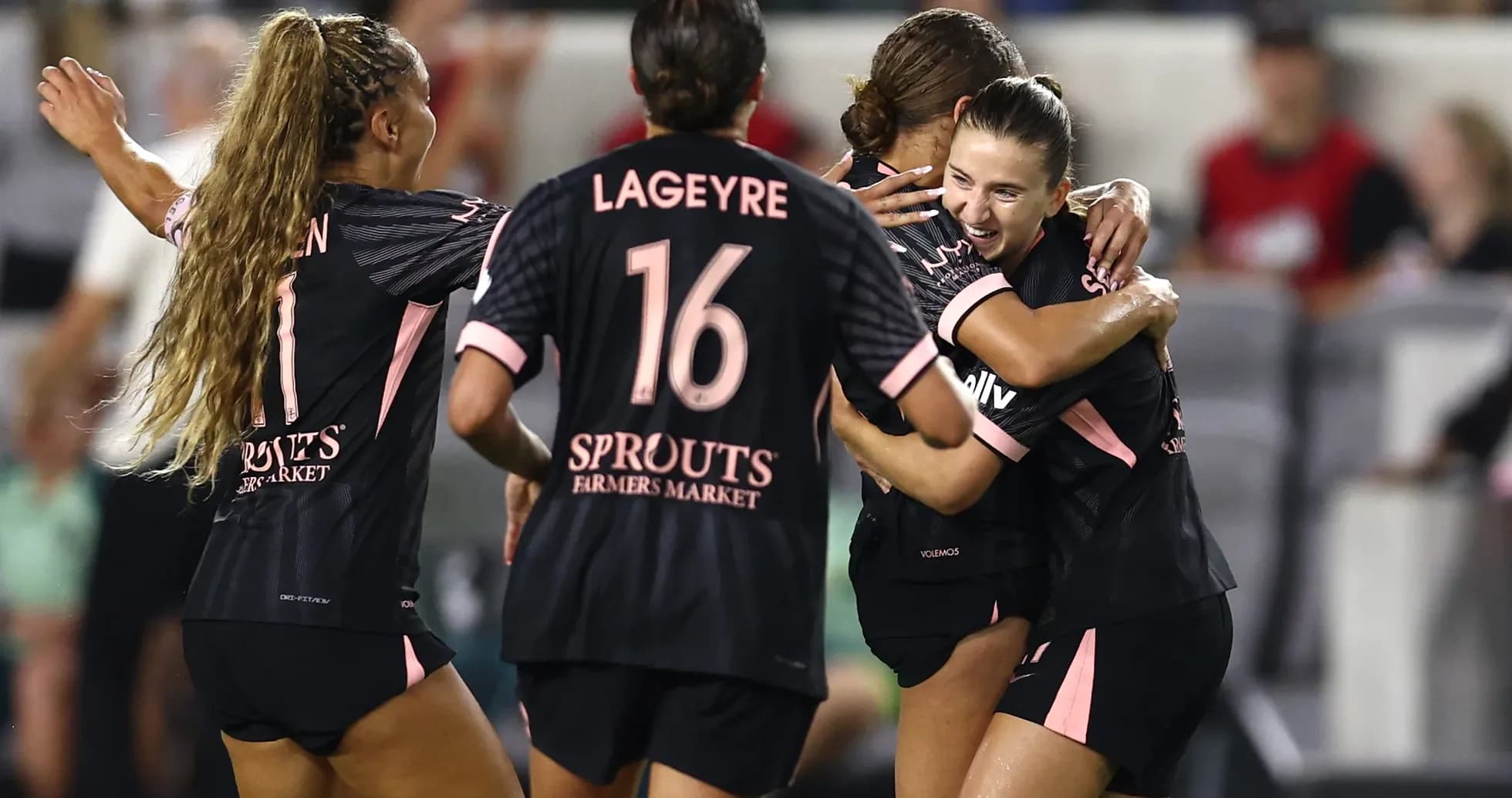
Washington Spirit W vs Angel City W Prediction: Key Stats and Betting Tips
Racing Louisville W vs San Diego Wave W Predicted Lineups and Team News

Kansas City W vs Denver Summit W Prediction: Key Stats and Betting Tips