
Klopp Supports Wirtz After Challenging First Year at Liverpool
The numbers are on the screen, the fee is in every headline, and the debate has rumbled all season. Florian Wirtz did not arrive at Liverpool quietly, and he has not been allowed to grow quietly either.
A transfer reported to be in excess of £100 million. A 23‑year‑old billed as a creative cornerstone for the next era at Anfield. A fanbase conditioned by a decade of elite standards. It was never going to be a gentle introduction.
A season that never quite settled
Wirtz’s first campaign in England became a collage of contrasts. There were flashes – those sharp turns between the lines, the disguised passes that sliced open compact defences, the moments where Anfield rose because it recognised something special. Then came the lulls: games where he drifted, spells where injuries stalled his rhythm, weeks when the conversation shifted from promise to price tag.
Liverpool’s season as a whole did him no favours. An inconsistent team tends to magnify every individual wobble, and Wirtz found himself under the microscope from August to May. Every touch weighed. Every missed chance replayed. Every quiet performance framed against that nine‑figure fee.
By the end of 2025/26, the raw output read: 49 appearances in all competitions, seven goals, ten assists. In the Premier League, five goals and four assists. Respectable numbers for a newcomer in a demanding league, but not the explosive return many had imagined when he swapped the Bundesliga for the Kop.
The discourse followed a familiar pattern. Was he doing enough in the final third? Was he assertive enough in big games? Was this really the player Liverpool had broken the bank for?
Klopp looks past the spreadsheet
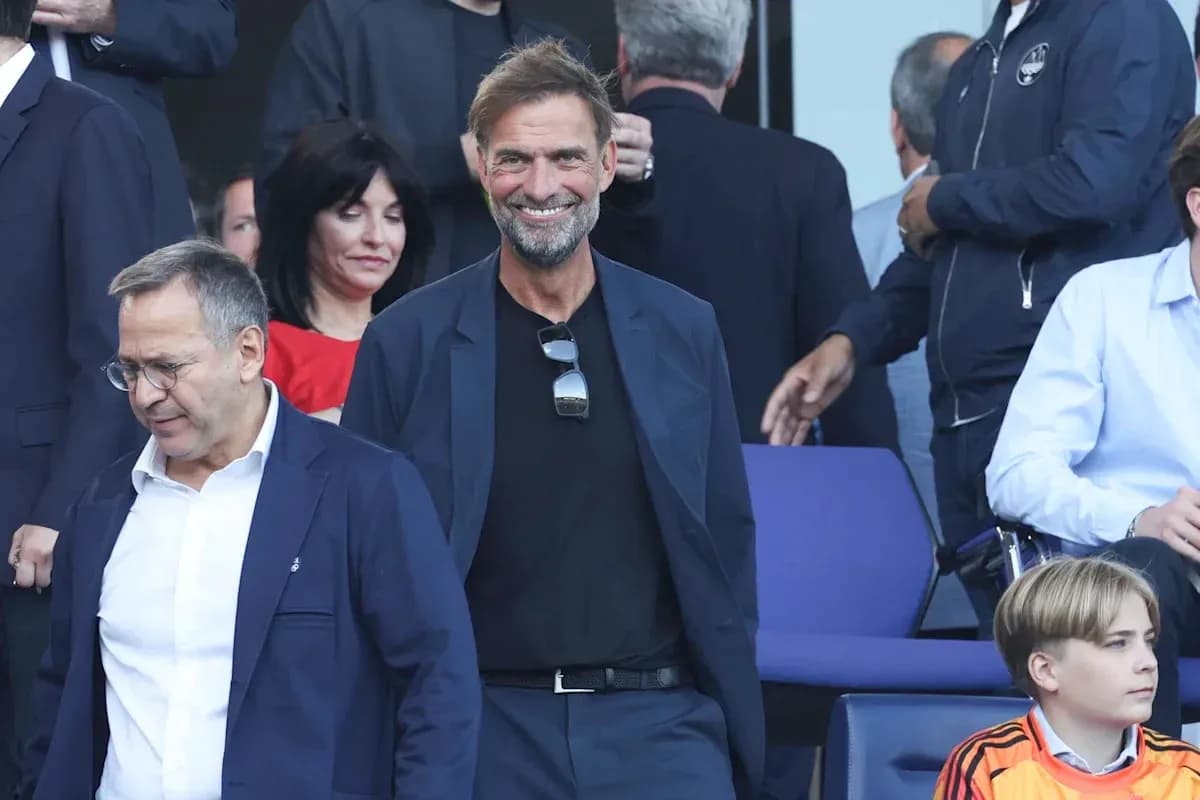
Jurgen Klopp has never been one to let a spreadsheet define a player. Even from outside the Liverpool dugout now, his reading of Wirtz cuts through the noise.
Speaking to BBC Sport, the former manager offered a pointed defence of his compatriot and a reminder of what Liverpool actually bought.
“I think he has everything you need to be a standout player. I don’t want to put any pressure on the boy, stuff like that.
“Unlucky with injuries, besides that, I really think he showed already how good he can be in a difficult season, we all know that.”
It was classic Klopp: protective, but clear. The message was simple – judge the player, not just the price; the context, not just the column of goals and assists.
Throughout his career, Klopp has built reputations on patience. He has lived through awkward first seasons before the explosion: forwards who needed time to calibrate their movement, midfielders who had to learn the tempo, defenders who only settled once the chaos of a new league became routine. Wirtz, in his eyes, belongs in that category – a work in progress with a very high ceiling, not a finished article misfiring.
Beyond goals and assists
Inside the club, the view has been more nuanced than the public debate. Liverpool’s staff have consistently pointed to Wirtz’s work away from the obvious metrics.
His movement between the lines has helped drag defensive blocks out of shape. His pressing, while still adapting to Premier League intensity, has shown the aggression and intelligence that coaches value. His ability to receive under pressure and turn into space has given Liverpool a different type of creative fulcrum, one less reliant on raw pace and more on angles and timing.
These are the subtleties supporters do not always celebrate in real time, but they are the details that keep a player in the heart of a manager’s plans.
And there is time. Wirtz is 23, still at the front end of a career phase where elite midfielders usually learn their craft rather than define an era. The prime years – 25 to 28 – remain in front of him. Liverpool did not just pay for the player he is now; they paid for the one he is expected to become.
Lessons banked, pressure rising
The first‑season caveats, though, are about to expire. The adaptation period has largely been spent. The league is no longer new. The stadiums, the opponents, the rhythm of the calendar – all familiar now.
With that comes a different kind of pressure.
Liverpool will expect Wirtz to step from promising contributor to decisive force. To tilt big games. To turn promising positions into match‑defining actions. Seven goals and ten assists across competitions was a platform; the next step is to turn those numbers into something that matches his status in the squad and the investment behind him.
Inside Anfield, the belief remains that he can do exactly that. The technical quality is obvious. The intelligence in tight spaces, the capacity to unlock deep blocks, the courage to take the ball when others might hide – these are not traits that disappear. They sharpen with experience.
Klopp’s verdict underlines that conviction. In a “difficult season,” as he put it, Wirtz still showed enough to convince one of Liverpool’s most influential modern figures that the club’s long‑term bet is sound.
Second season, different story?
So the stage is set. The debate around Wirtz will not disappear; if anything, it will intensify as expectations rise. But the framing can change.
Last year was about survival and adaptation – learning new teammates, a new league, a new level of scrutiny. This year has to be about authority. About taking ownership of games at Anfield, about becoming the player opponents plan for, not just another name on the teamsheet.
Liverpool believe those steps are coming. Klopp, watching from a distance, clearly does too.
If they are right, the mixed, maddening, occasionally brilliant debut campaign will be remembered not as a warning sign, but as the necessary turbulence before take‑off.
Related News
UFC 332 Preview: Natalia Silva vs. Wang Cong Fight Card, Odds, Start Time, and Details
Andy Roddick Responds to Andre Agassi’s Comments on Alexander Zverev at the Laver Cup

Knicks Prepare for Flexible Roles in Title Defense
Rui Hachimura Swaps Lakers Fans to Clippers in Surprising Jersey Exchange

Who Will Be the NBA's Next First-Time All-Stars? Top Picks and Long Shots for 2027

How Strong Is Your Team at Home? Check Out the 2026 Brasileirão Home Standings