
Kobbie Mainoo: A Teenager's World Cup Struggle
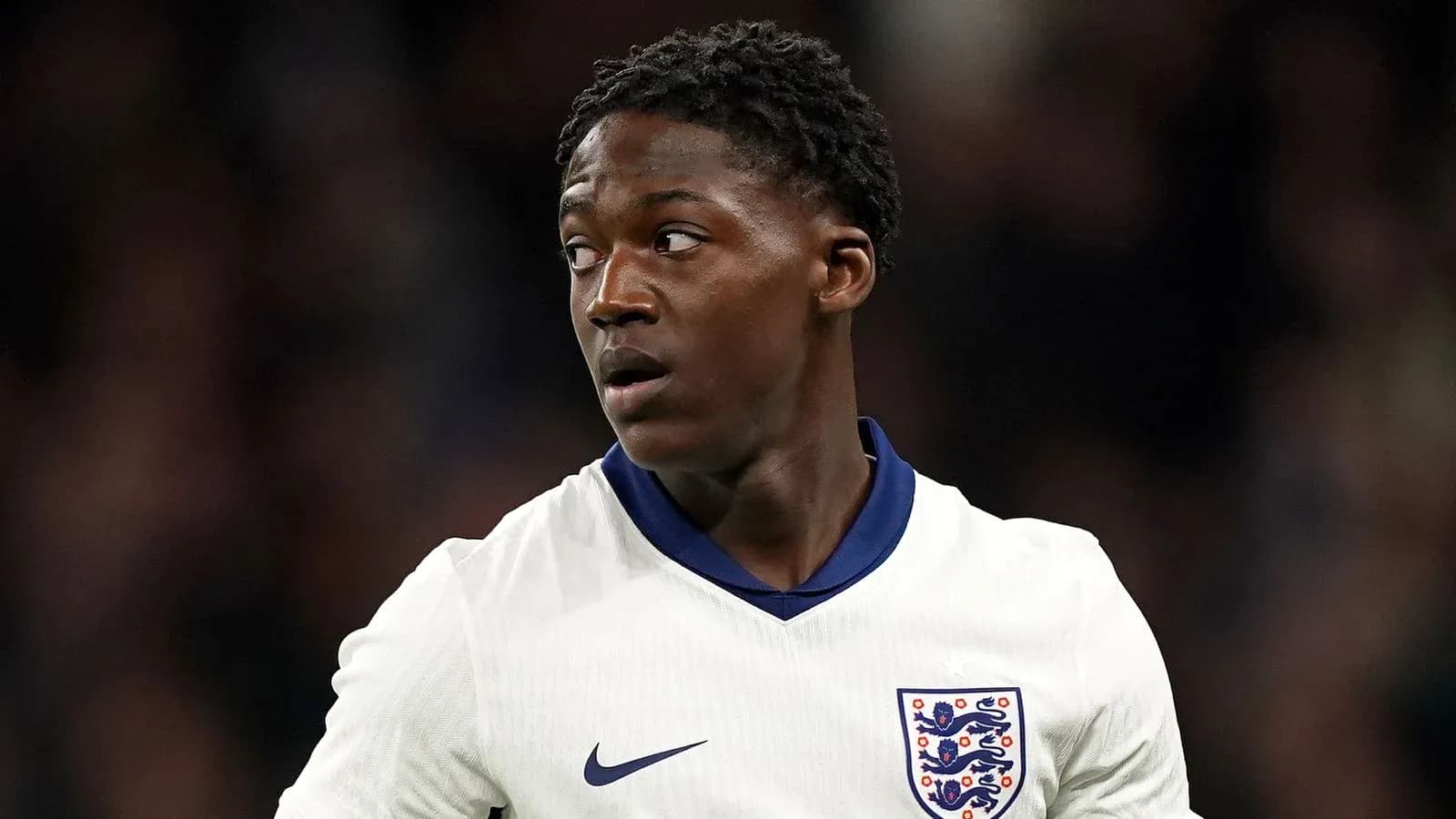
Kobbie Mainoo walks quickly through the mixed zone these days. Head down, bag slung over his shoulder, first out of the dressing room, first onto the team bus. No drama, no tantrums. Just a teenager who looks like he has suddenly found international football to be a very lonely place.
At this World Cup, he has become part of a small, unwanted club. Mainoo is one of only three outfield England players yet to play a single minute. Ivan Toney and Trevoh Chalobah are the others, but their roles were clear from the start. His never really was.
Chalobah arrived late, a replacement for the injured Tino Livramento, and always knew he was cover. John Stones has been the first-choice defender waiting in reserve, Chalobah the next name down. Toney’s brief was spelled out even more bluntly. Thomas Tuchel told him he was a “finisher”, the man to turn to only if Harry Kane broke down or a penalty shoot-out loomed.
Kane has been relentless. Fully fit, six goals, and England have not yet needed spot-kicks. Toney understands why he sits.
Mainoo’s situation cuts differently. This is the midfielder who started a European Championship final for England at 18. A teenager who, last summer, looked as if he had kicked open the door to a decade at the heart of his country’s midfield. He could have been forgiven for thinking this World Cup in the USA and Mexico would be another step on that ascent.
Instead, six games in, he has not had a touch.
It is not as if opportunity has been absent. Jordan Henderson’s tournament ended the moment he broke his wrist celebrating after the win over Mexico. A midfield place opened up. Another stayed stubbornly shut.
Tuchel has been clear in his choices. Declan Rice and Elliot Anderson are his preferred pairing, and they have justified that faith. Rice, the vice-captain, remains the anchor: first name on the team sheet when fit, the balance point of this England side. Anderson, whose move to Manchester City was completed mid-tournament, has surged through the competition. His performance against Norway in the quarter-final was his best yet, full of control and conviction.
Rice, though, has been fighting his own battles. Illness, knocks, the accumulated fatigue of a long season. None of it has been enough to keep him off the pitch for long.
Until Norway.
Laid low by a Mexican stomach bug that left him in bed for three days, Rice could only manage 45 minutes in the Miami heat. The game, the conditions, the context – it all screamed for fresh legs and a calm, progressive passer in midfield. Mainoo must have felt the door finally creak open.
Tuchel shut it.
He turned instead to Eberechi Eze. On for Rice at half-time, the Arsenal man was asked to tilt the game England’s way by adding thrust between the lines, by threading passes through tired Norwegian legs, by making the team more aggressive with the ball. It was a bold, attacking choice.
Mainoo, watching from the bench, would have felt he could do that job too. His energy, his ability to take the ball in tight spaces, to play forward early – those are precisely the qualities that might have helped as the Miami humidity drained the life from England’s midfield.
The pressure of the quarter-final grew, the heat intensified, and still he waited.
Then came another twist. Midway through the second half, Tuchel summoned Reece James into midfield. A right-back by trade, and nursing a hamstring issue, James has long been one of Tuchel’s trusted options as a defensive midfielder. For England, as for Chelsea, his defined role sits on the flank. His manager keeps dragging him into the centre when the stakes are high.
James added steel. He added familiarity. He did not add a minute for Mainoo.
When Ezri Konsa, filling in as a makeshift right-back, cramped up and had to come off, the script seemed to write itself. James dropped back into defence. A midfield spot opened again. Mainoo, surely now?
Not quite. Morgan Rogers came on instead, with Eze pushed out to the left wing. Another chance, another name called.
This is where the story bites for Mainoo. Tuchel’s logic is, on its own terms, hard to dismantle. He trusted players he knows in roles he has tested before. He leaned on versatility, on experience, on those who have already delivered for him in this tournament. In a World Cup quarter-final, with England chasing the “ultimate prize”, sentiment does not get a seat on the bench, let alone on the pitch.
But the human cost is there in the small details. In the teenager who leaves the dressing room alone after every game. In the quiet figure who is not sulking, not disruptive, just slightly adrift. In the gap between what last summer promised and what this one has delivered.
Mainoo’s international future still looks bright. Talents like his do not vanish because of one tournament on the sidelines. Yet tournaments shape careers as much as they showcase them. For now, as England march on towards a semi-final against Argentina, one of their brightest young midfielders remains a spectator, watching a World Cup pass him by from the wrong side of the white line.
Related News
India's Record Chase of 406 Against West Indies Highlighted by Gill's 223 and Rohit's Century
Alex Pereira Hints at Major UFC Bout: 'Big Challenge' Ahead
Three Hall of Famers, Ten Fights, 109 Rounds: The Forgotten Rivalry That Shaped Lightweight Boxing's Golden Era
Khamzat Chimaev and Colby Covington Set for RAF Abu Dhabi Title Clash in November
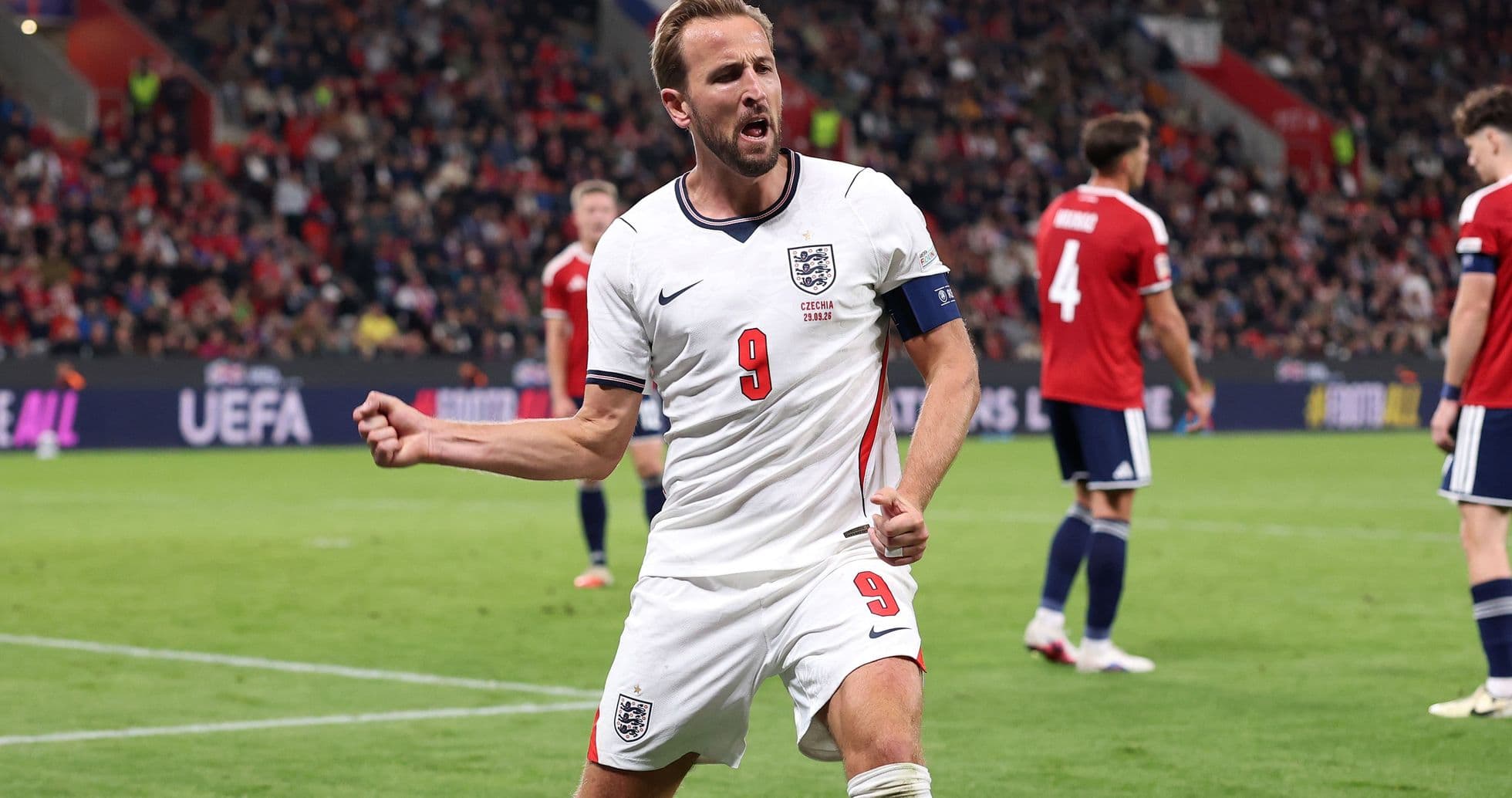
Thomas Tuchel Confident Harry Kane Will Join 100-Goal Club for England Soon
Cristiano Ronaldo Vows to Reveal Truth After Leaving Portugal Squad Amid Conflict