
Kylian Mbappé Sparks Political Storm with Warning on Far Right
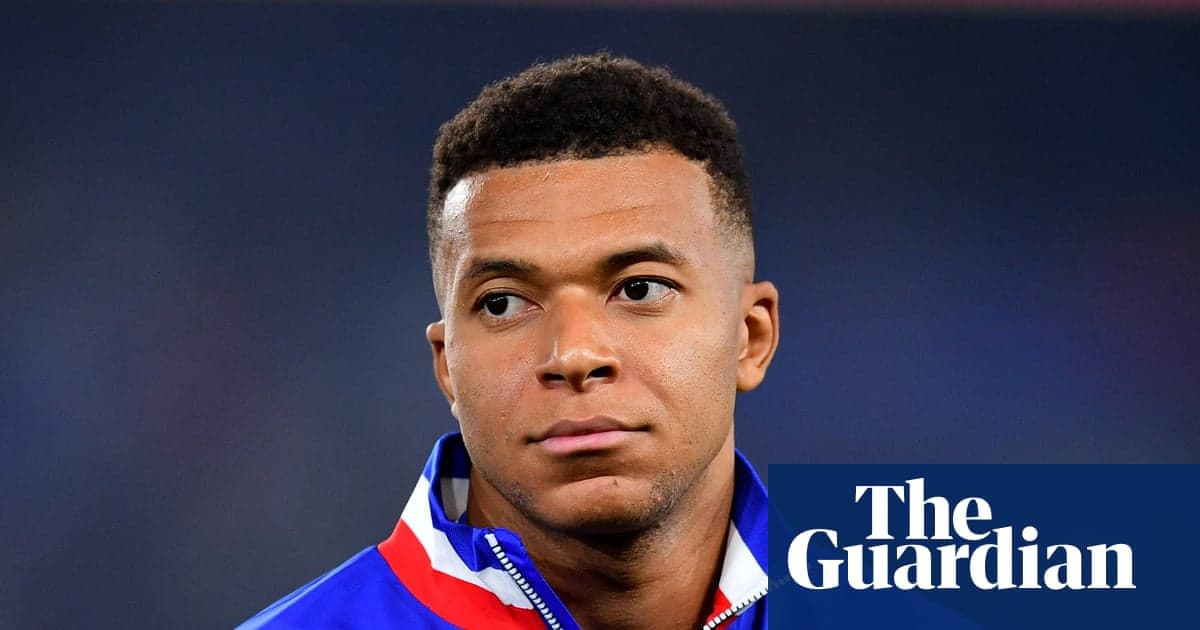
Kylian Mbappé is used to hostile crowds and crunch-time pressure. But this time the noise isn’t coming from the stands. It’s from France’s far right.
The France captain has ignited a fresh political storm after warning about the prospect of Marine Le Pen’s National Rally (RN) winning next year’s presidential election. Speaking to Vanity Fair, Mbappé, 27, did not hide his unease.
“I know what it means and what consequences it can have for my country when people like them come to power,” he said.
Those words were enough. The RN, already riding high in the polls ahead of the spring vote, pounced.
Bardella hits back – with a football jibe
Jordan Bardella, the 30‑year‑old RN president and Le Pen’s protégé, moved first. He didn’t just challenge Mbappé’s politics. He went straight for his career choices.
Mbappé left Paris Saint‑Germain in 2024 for Real Madrid, chasing the Champions League. PSG promptly won it without him the following season.
“I know what happens when Kylian Mbappé leaves PSG: the club wins the Champions League! (And maybe soon a second time),” Bardella wrote on social media, twisting the knife.
It was a calculated dig. A political leader using footballing failure – or at least the perception of it – as a weapon in a national debate.
Le Pen plays down Mbappé’s influence
Marine Le Pen then joined the pile‑on. Speaking to RTL radio, she tried to turn Mbappé’s stature against him.
She said she actually found it “reassuring” that he did not want her party to win, arguing that his own strategy of leaving PSG for Real Madrid “had not worked”. Football fans, she insisted, did not need the captain of France telling them how to vote.
“Frankly I think football fans are free enough to know who to vote for without being influenced by Mbappé,” she said.
The message from the RN leadership was clear: stay in your lane.
“Not a political activist”: RN demands neutrality
Julien Odoul, RN MP and party spokesperson, pushed that line harder. For him, the armband carries a duty of neutrality.
As captain of the national team, he argued, Mbappé must represent all of France – “including the millions of RN voters” – and should not become a “political activist”.
But Mbappé has never pretended to be neutral about the direction of his country. Born in 1998 to a family of Algerian and Cameroonian heritage in Paris’s northern suburbs, he has long spoken about the realities of life in the banlieues and fought against the stereotypes attached to them.
A long-running feud
This is not a new clash. The feud between Bardella and Mbappé has been simmering for years.
During France’s snap parliamentary elections in 2024, Mbappé described the RN’s gains as “catastrophic”. Bardella fired back, accusing wealthy athletes of lecturing people “who can no longer make ends meet, who no longer feel safe”.
The argument has only intensified as Bardella edges closer to the Élysée. He could become the RN’s presidential candidate this summer if an appeals court upholds Le Pen’s ban on running. Mbappé, meanwhile, has grown into the defining figure of a national team often held up as a symbol of modern, diverse France – and widely tipped to win this summer’s World Cup.
Two faces of the country. Two radically different visions.
“Foremost a citizen”
Mbappé shows no sign of retreating into silence. Asked by Vanity Fair about accusations that he is too rich to talk about politics, he pushed back.
“Even as a footballer, you’re foremost a citizen. We’re not disconnected from the world … or from what’s happening in our country,” he said. “People sometimes think that because we have money, because we’re famous, these kinds of problems don’t affect us.” Footballers, he insisted, “have our say, like everyone”.
The RN’s surge in the 2024 parliamentary elections, he said, had stunned him and other players.
“We’re citizens and we can’t just sit there saying all will be fine and go and play. We have to fight this idea that a footballer should just be content to play and keep quiet.”
For Mbappé, the pitch is not a shield from politics. It is a platform.
The weight of history
His stance carries extra resonance in France. Mbappé was born the year Zinedine Zidane led the “Black‑Blanc‑Beur” generation to World Cup glory in 1998, a team mythologised by politicians as proof that a multicoloured France could overcome its identity fractures through footballing triumph.
That promise has frayed. The RN’s rise has exposed deep social and cultural fault lines. In that context, every word from the captain of a multi‑ethnic, globally adored national team lands with added weight.
A risky fight for the RN
The political calculation cuts both ways. William Thay, of the thinktank Le Millénaire, believes Bardella’s response was tactically sharp. Mbappé’s popularity in France, he argued, has dipped since his PSG exit, amid accusations of arrogance and underwhelming performances at Real Madrid. Taking him on might not be as dangerous as it once was.
But there is a warning attached. Thay noted that by attacking one of France’s biggest sporting icons, the RN risks alienating moderates already uneasy about a party seen by many as deepening social divisions rather than healing them.
So the battle lines are drawn: a far‑right movement on the brink of power, and a captain who refuses to “keep quiet and play”.
When the World Cup anthem fades and the campaign rallies begin, which voice will France choose to follow?
Related News
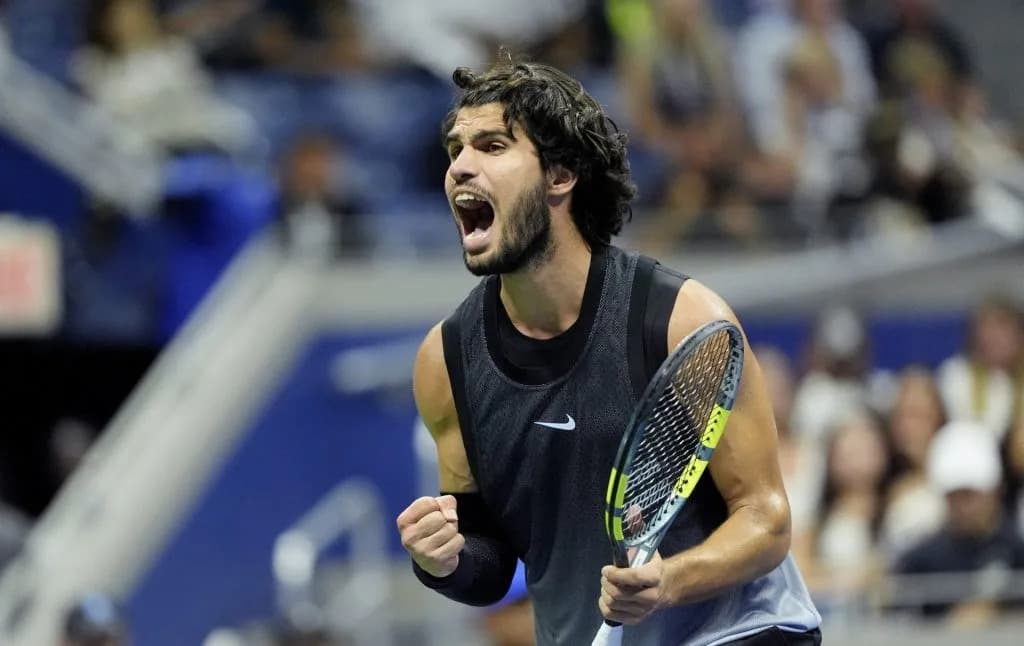
Carlos Alcaraz Urges an End to Matches Ending in the Early Hours
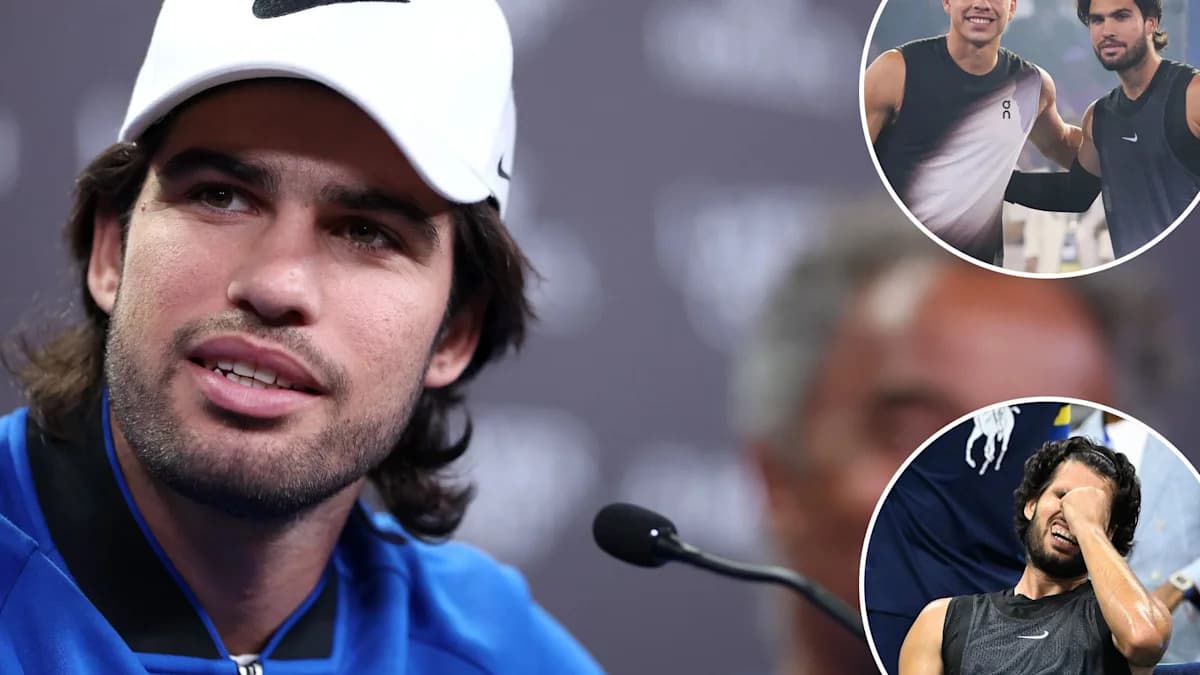
Carlos Alcaraz Criticizes Late US Open Finish After 3:30 a.m. Match
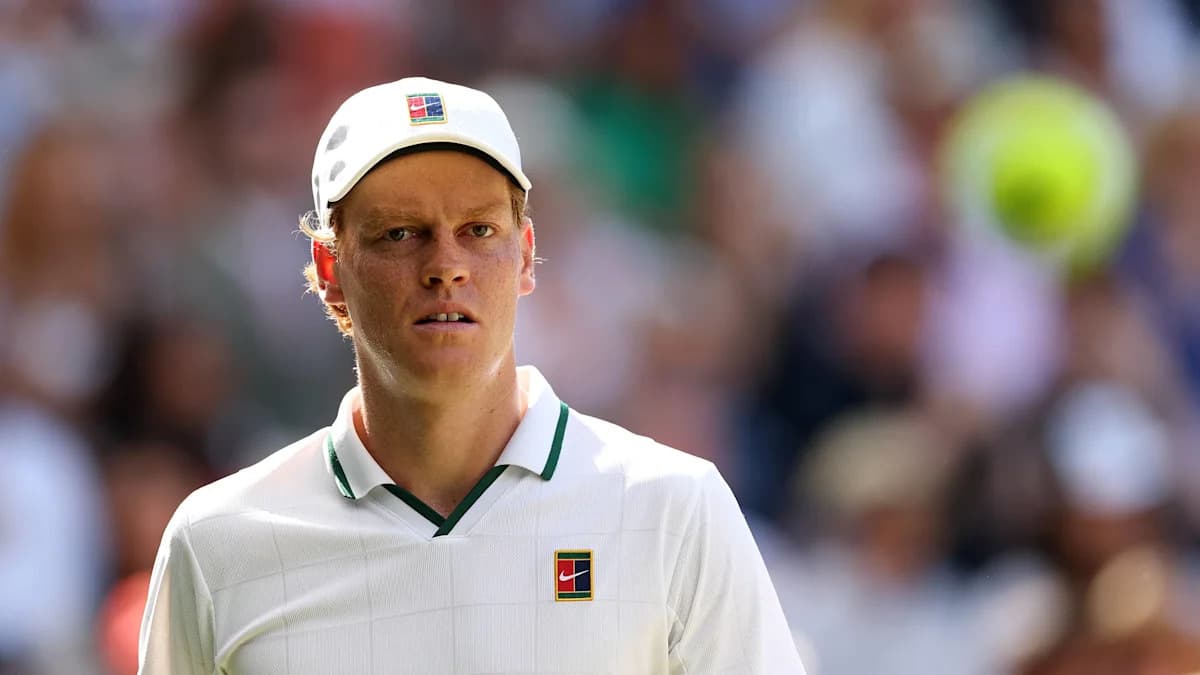
Jannik Sinner Set for ATP 500 Return in Beijing with Novak Djokovic Also Competing
Meet Iva Jovic: The American Tennis Prospect Making Waves
Flavio Cobolli Shares Insights on Practice Session with Jannik Sinner Ahead of Comeback
Till vs Romero: Fight Details, Undercard, and Viewing Info for This Weekend