
La Liga Returns: A Quiet Start After Spain's World Cup Triumph
Less than a month after Spain lifted the World Cup, La Liga is back. On paper, it’s the first of Europe’s major domestic leagues to restart. In reality, the curtain rises in subdued fashion.
The calendar says opening weekend. The big beasts say: not yet.
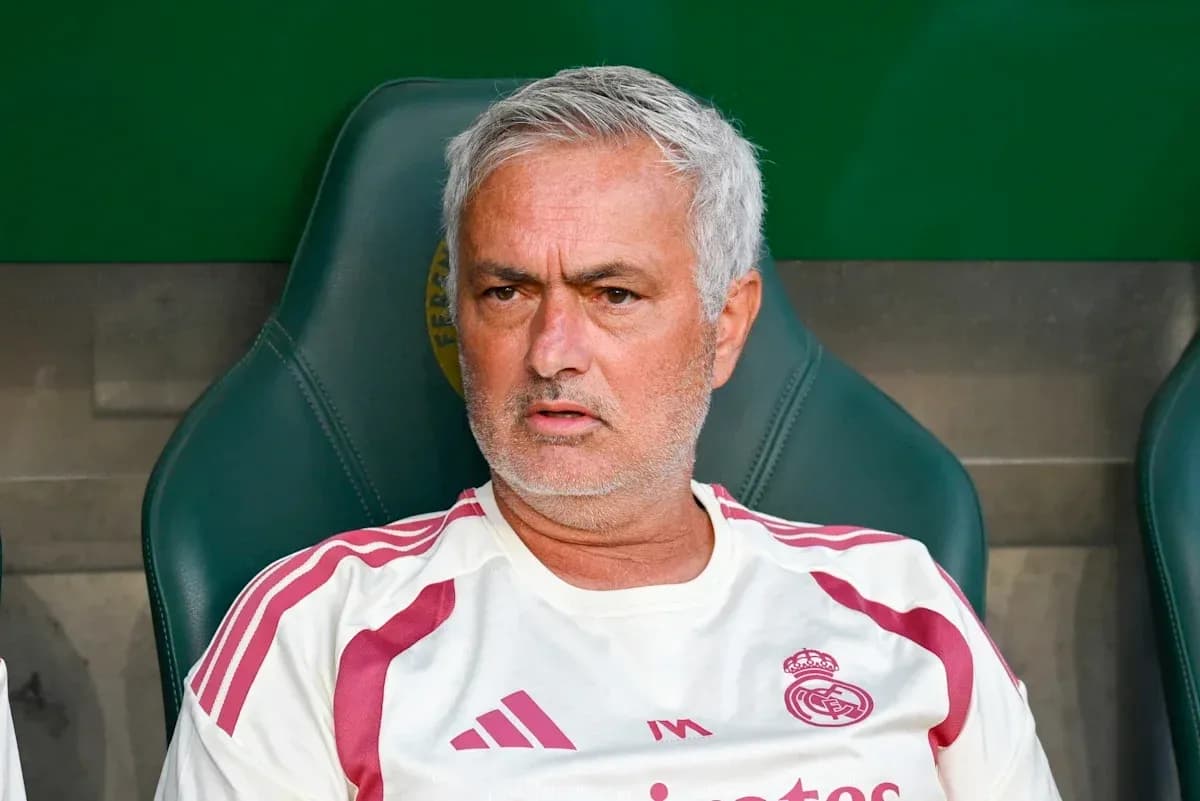
One match has already been pushed back, and neither defending champion Barcelona nor José Mourinho’s reshaped Real Madrid will appear until the following round because of their late-returning World Cup stars.
A fungus outbreak on the pitch at Celta Vigo’s stadium has forced their home opener against Osasuna, originally set for Sunday, to be postponed to August 27. It’s an odd, almost symbolic start: a league itching to get going, checked by something as mundane as a damaged field.
Barcelona, hunting a third straight league title, won’t begin its defense until August 23 away to Elche. Real Madrid, rebuilt under Mourinho after a second straight season without a major trophy, opens a day earlier at Espanyol on August 22.
In the meantime, others step into the spotlight.
A muted opening weekend
Alaves against Getafe will officially get the ball rolling on Saturday. Later that day, Sevilla hosts Rayo Vallecano, a familiar early-season fixture with points that often matter a lot more in May than they seem to in August.
Sunday brings a story with real weight: Racing Santander back in the top flight after 14 years in the wilderness. The club’s return is rewarded — or punished — with an immediate test at home to last season’s third-place finisher, Villarreal, who again line up behind the twin giants of Barcelona and Madrid. Espanyol also welcomes Levante to round out the weekend’s slate.
The European season itself is already underway. Paris Saint-Germain claimed the first piece of silverware on Wednesday, beating Aston Villa 2-1 in the UEFA Super Cup. La Liga now has to catch up to the mood.
Barcelona’s title defense: world champions at the core
Barcelona’s push for a three-peat is built around familiar faces who just conquered the world with Spain. Lamine Yamal, Dani Olmo, Gavi, Pedri and Pau Cubarsí all return to club duty carrying the glow of a second World Cup title for their country.
One hero from that night in the final may not be around much longer. Ferran Torres, scorer of Spain’s extra-time winner against Argentina, is unlikely to stay. He is reportedly in negotiations over a move to PSG, a potential departure that would strip Barcelona of a decisive attacking option and a fresh world champion.
Hansi Flick, though, has been handed a new weapon. England forward Anthony Gordon has arrived to help offset the loss of veteran striker Robert Lewandowski. Gordon brings pace and directness, a very different profile to the man he replaces, and his adaptation will shape how quickly Barcelona can find a new attacking rhythm.
Mourinho’s Madrid, rebuilt and under pressure
Across the capital, the stakes are clear. Real Madrid have turned back to José Mourinho to stop a slide that has left them without a major title in each of the last two seasons. Patience is not a currency that lasts long at the Bernabéu; this is a rescue mission.
The core remains star-studded. Kylian Mbappé, Vinícius Júnior and Jude Bellingham stay at the heart of the project. Around them, the club has gone heavy on reinforcements.
World Cup champion Marc Cucurella comes in, along with Ibrahima Konaté, Denzel Dumfries, Bernardo Silva and Yan Diomande. It is a substantial refresh, aimed at giving Mourinho depth, flexibility and the physical edge he craves.
The price of that rebuild has been the departure of seasoned names. Dani Carvajal and David Alaba are among the veterans who have left, stripping away some of the old guard’s experience and leadership. How quickly the new group can mesh — and how Mourinho handles a dressing room full of strong personalities — will define Madrid’s season.
Atletico Madrid between ambition and uncertainty
Atletico Madrid, as ever, sit in the middle of it all, trying to cling to the coat-tails of the top two while surviving their own upheaval.
Diego Simeone sent three players to Spain’s World Cup squad: Marcos Llorente, Marc Pubill and Álex Baena. They return with medals, but the bigger storyline revolves around a player who went all the way to the final with Argentina.
Forward Julián Álvarez has made it clear he wants to leave. During the World Cup he asked for a transfer, and interest has come from both Real Madrid and Barcelona. Atletico insist they do not intend to sell. Álvarez is back in training, yet the doubts over his future hang over the club like a storm cloud.
Simeone has already lost Antoine Griezmann, Thiago Almada, Nahuel Molina and Clément Lenglet. That is a serious chunk of experience and quality ripped out of his squad.
The response has been targeted recruitment. Alejandro Grimaldo, Morten Hjulmand and Lee Kang-In have arrived to reshape the spine and add creativity. Cristian “Cuti” Romero is also set to join, bringing aggression and authority to the back line. It feels like a new version of Atletico is being pieced together on the fly, with Álvarez’s fate still a crucial missing piece.
A league wired for the future
On top of the transfer noise and tactical shifts, La Liga is stepping into new technological territory. It will become the first league in the world to roll out “connected ball” technology on a large scale.
The match ball now carries a radio-frequency sensor that continuously transmits real-time data on its position and the precise instant of every contact. Around 12 antennas in each stadium capture that information and feed it into the league’s wider technological system.
The promise is clear: more accurate decisions, richer data, a cleaner picture of every key moment. The game may look the same from the stands, but beneath the surface, every touch is being tracked.
New faces, old scars
Three clubs arrive from the second division with very different stories. Racing Santander are back after 14 long years away. Malaga also return, another familiar name climbing out of the shadows. Then there is Deportivo La Coruña, a former champion that has spent eight seasons fighting to escape the lower tiers. Their promotion brings a historic badge back to the top table.
Dropping out are Mallorca, Girona and Oviedo, the latest casualties of a league where the margins between survival and the drop grow thinner every year.
So La Liga starts again. The champions are late, Real Madrid’s new era waits a week, and Atletico balance on a transfer tightrope. The ball, quite literally, is wired for what comes next. The question now is whether the football can match the drama of Spain’s golden summer, or whether this season writes a very different story.
Related News
Manchester United's Transfer Strategy: Carrick Seeks More Signings
Arsenal Signs Liverpool Starlet Vincent Joseph: A New Forward in the Academy
Michael Carrick's Transfer Strategy at Manchester United
Carrick Draws Line on £100m Transfers Amid Rashford Uncertainty
Carrick's Commitment to Keeping Fernandes at Manchester United
La Liga Returns: A Quiet Start After Spain's World Cup Triumph