
Las Vegas Lights and FC Tulsa Battle to Goalless Draw
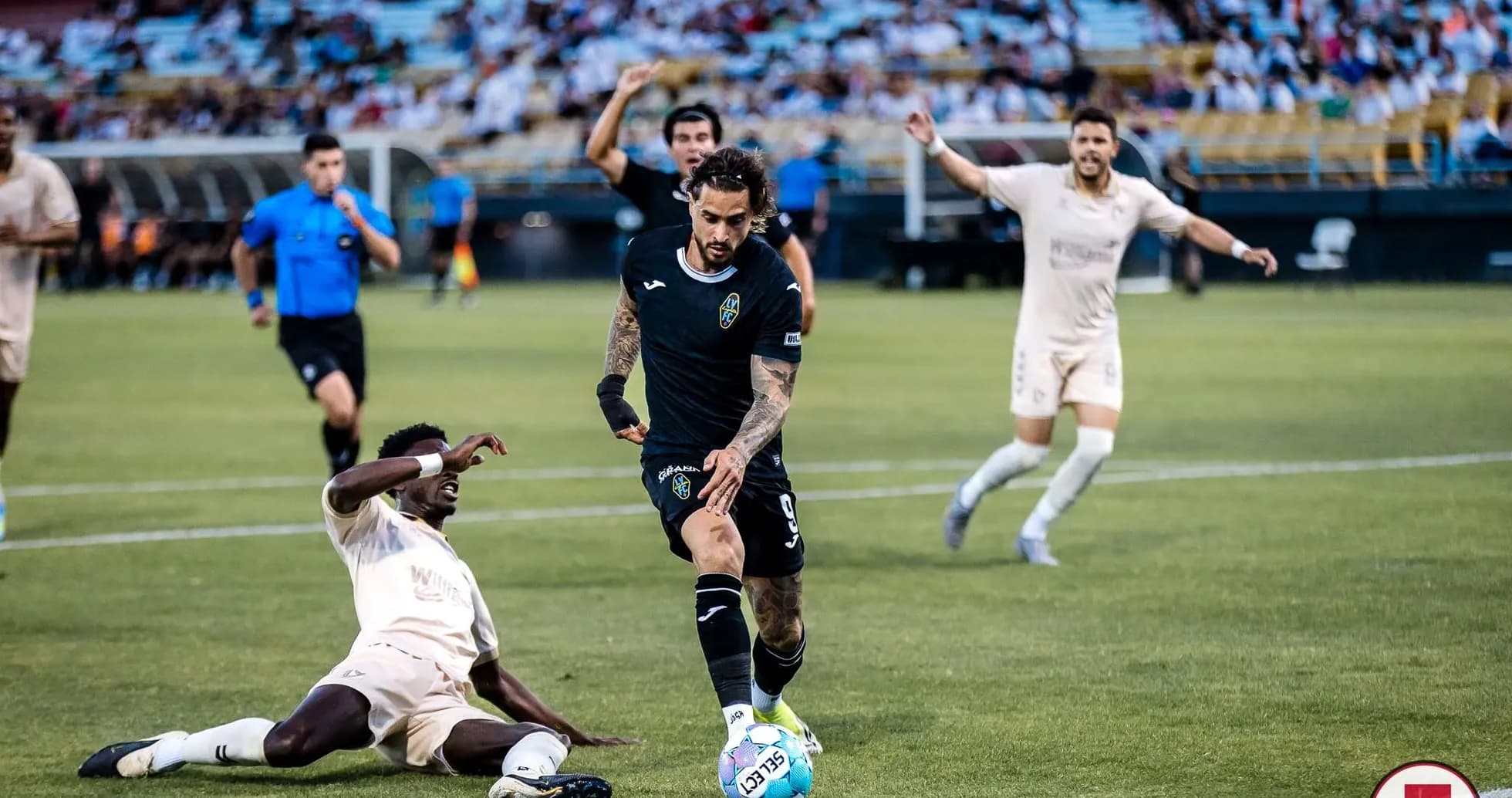
Under the desert lights at Cashman Field, Las Vegas Lights and FC Tulsa played out a goalless stalemate that felt less like a dead end and more like a tactical checkpoint in their USL Championship journeys. Following this result, the table still shows the contrast between an 11th‑placed Las Vegas side trying to turn home comfort into a launchpad, and a 3rd‑placed Tulsa group built on control and measured risk. Yet the 0–0 in the group stage also underlined how both teams’ seasonal DNA shaped the night.
Las Vegas came into the game as one of the league’s purest home‑and‑away split personalities. Overall this campaign they have 16 goals for and 19 against, a goal difference of -3, but the story changes dramatically by venue. At home they had played 5, winning 3 and drawing 2, with 6 goals scored and only 2 conceded. That defensive tightness in Nevada contrasts sharply with their travels, where 17 goals conceded in 6 away games had dragged their overall average against up to 1.7 per match. At Cashman, though, the numbers are different: just 0.4 goals conceded on average at home, with 1.2 scored. The clean‑sheet count backs it up: 3 shutouts at home, none away.
FC Tulsa, by contrast, arrived as a more balanced, playoff‑calibre unit. Overall they had played 10, with 4 wins, 4 draws and only 2 defeats, scoring 13 and conceding 9 for a goal difference of +4. Their away profile is quietly impressive: on their travels they had 2 wins, 2 draws and 1 loss, with 7 scored and 5 conceded, averaging 1.4 goals for and 1.0 against away from home. That blend of modest attacking output and defensive control has underpinned a form line of “DWWWD” in the standings, and a longer seasonal run of “LDWDLDWWWD” that speaks to resilience rather than volatility.
On the night, both coaches leaned into those identities. Devin Rensing’s Las Vegas XI, with M. Stajduhar in goal, was built on a spine of defenders and ball‑winners who could protect that formidable home record. B. Pope, N. Jones, A. Guillen and T. Antonoglou formed a back line that, while not explicitly mapped by formation in the data, clearly had one mission: keep the box clean and the game in front of them. Ahead of them, the central cluster of M. Ybarra and K. Scott, flanked by the likes of C. Pinzon and O. Anderson, had to balance pressing Tulsa’s build‑up with feeding J. Rodriguez and M. Arteaga.
Luke Spencer’s FC Tulsa, with A. Tambakis between the posts, mirrored that emphasis on structure. L. Stauffer, Ian, A. Clarke and L. Batista offered a back four capable of stepping into midfield, while G. Robinson and B. Sparks added legs and coverage in the middle third. The creative burden fell on J. Webber and Bruno Lapa, with J. Kocevski knitting lines together and N. Pierre tasked with stretching a Las Vegas defence that rarely gives up cheap chances at home.
The tactical voids in this fixture were less about missing names and more about stylistic absences. Las Vegas, despite 16 goals overall this campaign, have only managed 6 at home; they rely on efficiency rather than volume. Their seasonal record shows they have failed to score just once at Cashman, but when the attacking patterns stall, there is no obvious, high‑volume scorer to bail them out. Without top‑scorer data, the burden appears distributed: Pinzon, Rodriguez and Arteaga all capable, none yet dominant.
Tulsa’s own limitations are visible in their failed‑to‑score column: 4 matches overall where they drew a blank, split evenly between home and away. That speaks to a team that can control territory and tempo but sometimes lacks ruthlessness in the box. On a night when Las Vegas’ home defensive averages held true, that trait was always likely to surface.
Disciplinary trends also framed the contest’s edge. Heading into this game, Las Vegas’ yellow cards were spread, but with noticeable spikes: 20.00% of their yellows between 16–30 minutes, another 20.00% between 31–45, and a late‑game surge of 20.00% from 76–90 plus 15.00% from 91–105. Their only red card this season came in the 76–90 window, underlining how emotional and stretched their endings can become. Tulsa’s yellow‑card distribution, meanwhile, shows a pronounced mid‑to‑late‑game risk: 17.86% between 16–30, 17.86% between 46–60, then a peak 25.00% from 61–75 and 21.43% from 76–90. Both sides, in other words, are most combustible as fatigue and urgency rise.
That disciplinary profile intersects neatly with their tactical matchups. The “Hunter vs Shield” duel in this fixture was less about a single striker and more about systems: a Las Vegas attack that averages 1.2 goals at home against a Tulsa defence that concedes just 1.0 away. On paper, that leans slightly towards a low‑scoring equilibrium, which is exactly what unfolded. Stajduhar and Tambakis were protected by compact blocks, and neither side possessed the individual finisher to tilt expected goals decisively.
In the “Engine Room”, Ybarra and Scott for Las Vegas had to disrupt the rhythm of Webber, Kocevski and Bruno Lapa. Tulsa’s season suggests they are comfortable in controlled, medium‑tempo games; their overall goals‑against average of 0.9 reflects a side that manages transitions well and rarely allows chaos. Las Vegas, whose overall goals‑against average stands at 1.7 but drops to 0.4 at home, were determined not to open up and feed Tulsa’s counters.
From a statistical prognosis standpoint, the 0–0 feels almost inevitable when set against the numbers. Tulsa’s 1.3 goals scored overall and Las Vegas’ 1.5 overall are both moderated by the venue effect: a stingy home defence versus a cautious, structured away side. Neither team has missed a penalty this season—Las Vegas have converted 1 of 1, Tulsa 2 of 2—so there was no soft route to a breakthrough from the spot either.
Following this result, Las Vegas can frame the night as another data point in a growing narrative: at Cashman Field, they are hard to beat, their defensive metrics holding firm against one of the conference’s form teams. For Tulsa, the draw away to a side unbeaten at home consolidates their promotion push, even if it slightly undercuts their recent winning streak.
Looking Ahead
The tactical lesson is clear. Las Vegas must find a way to raise their home goals‑for beyond 1.2 per match without sacrificing the defensive platform that has given them 3 home clean sheets. Tulsa, meanwhile, need to translate their territorial control into sharper final‑third xG, especially in games where the opponent is content to sit on a low block. If these sides meet again with something more than group‑stage points on the line, expect the same cagey structure—but the team that solves its attacking void first will own the tie.
Related News
San Antonio's Tactical Edge Secures 2–1 Victory Over Colorado Springs

Charleston Battery Dominates Loudoun United 4–1 in Statement Win

Miami FC vs Orange County SC: USL Championship Clash Highlights
Colorado Springs vs San Antonio: USL Championship Group Stage Preview

Charleston Battery vs Loudoun United: Match Preview

Miami FC vs Orange County SC Match Preview