
Las Vegas Lights Fall to Orange County SC in 3–2 Clash

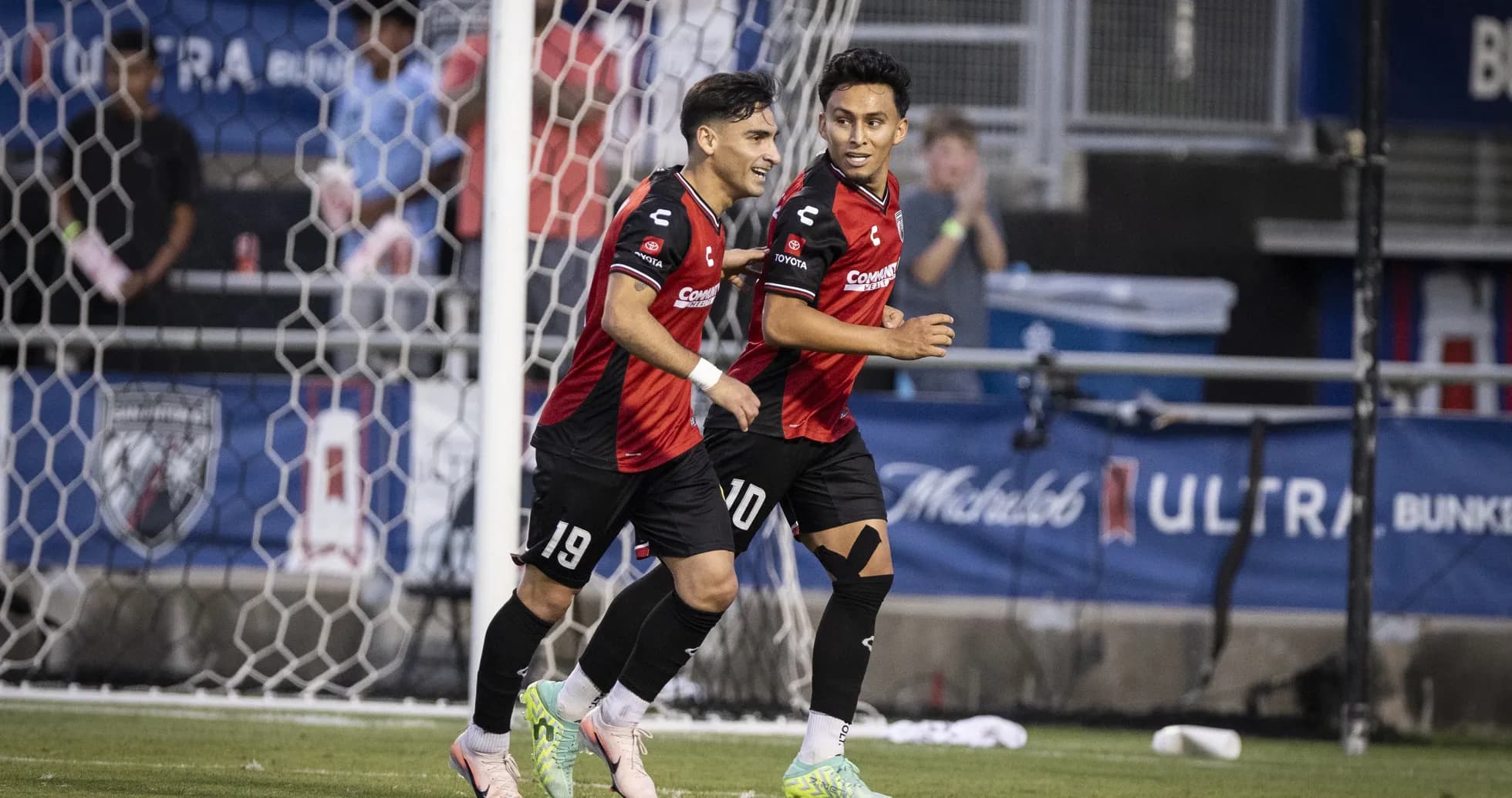
Under the desert lights of Cashman Field, Las Vegas Lights and Orange County SC delivered a 3–2 away win for the league leaders, a result that neatly mirrored their broader seasonal identities. In the USL Championship Group Stage, the table already hinted at the script: Las Vegas arriving as an 11th‑placed side with volatility baked into their form, Orange County as the measured, defensively sound leaders. Following this result, the narrative of the campaign feels less like a one‑off twist and more like a confirmation of trend lines.
Heading into this game, Las Vegas were the quintessential chaos team. Overall this campaign they had scored 20 and conceded 23, giving them a goal difference of -3 across 13 matches. At home, though, there was a different, more disciplined version: 8 goals for and only 5 against in 6 fixtures, with averages of 1.3 scored and 0.8 conceded at Cashman Field. That home resilience was the platform Devin Rensing leaned on again, naming a side that suggested front‑foot ambition but fragile balance.
M. Stajduhar anchored them in goal, with a defensive line built around B. Pope, N. Jones and the experienced A. Guillen, while T. Antonoglou offered the natural outlet on the flank. In front, the blend of industry and invention was clear: C. Pinzon and M. Ybarra as the rhythm keepers, K. Scott as the box‑to‑box connector, and the more advanced trio of O. Anderson, J. Rodriguez and the focal point M. Arteaga tasked with turning territorial pressure into goals.
This XI spoke of intent. Arteaga’s presence as a central spearhead, supported by Rodriguez and Anderson, hinted at a side willing to commit numbers into the final third. But the season’s numbers had already warned of the trade‑off: overall Las Vegas were scoring 1.5 goals per game while conceding 1.8, and on their travels they had shipped 18 in 7. The structural frailties that haunted them away from home were always liable to surface when the game became stretched, even in a venue where they had kept 3 clean sheets.
Orange County SC, by contrast, arrived with the poise of a side that knows exactly what it is. Overall this campaign they had 18 goals for and 13 against, a goal difference of +5 that underpinned their status at the top of the table. Away from home they were impressively balanced: 11 scored and 9 conceded in 7 matches, with averages of 1.6 goals for and 1.3 against on their travels. Danny Stone’s selection reflected that blend of control and incision.
A. Rando in goal had the protection of a back line featuring G. Doody, T. Brewitt, G. Tubbs and N. Ciotta, a unit built more for compactness than spectacle. Ahead of them, the midfield core of L. MacKinnon, S. Kelly and N. Benalcazar provided a mix of ball progression and defensive coverage, while C. Hegardt and O. Sylla linked play into the advanced zones. Y. Bazini, leading the line, represented the cutting edge of a team that tends to do just enough in front of goal while trusting its structure to hold.
If Las Vegas were the high‑variance side, Orange County were the control group. They had already recorded 5 clean sheets overall (3 at home, 2 away), and had failed to score only twice all season. This is a side that seldom implodes, preferring to keep games in a manageable band of chaos. Their biggest away win, 2–3, and their heaviest away defeat, 3–2, both suggest a team comfortable in tight margins, something that played out again in this 3–2 victory.
Discipline and game management formed a subtle but important subplot. Las Vegas’ yellow‑card profile heading into this game showed a worrying late‑game spike: 22.73% of their bookings arriving between 76–90 minutes, with another 13.64% in added time (91–105). They had also seen a red card in the 76–90 range, underlining how their emotional temperature tends to rise as matches close. Orange County, for their part, were not immune to late‑game edge either: 38.10% of their yellows came between 76–90 minutes, with a further 28.57% between 61–75, plus a red also in that 76–90 window. This was always likely to be a contest where composure in the final quarter‑hour would matter as much as tactics.
In that context, Las Vegas’ penalty record felt like another loaded die. Overall this campaign they had earned 2 penalties, scoring 1 and missing 1, a 50.00% conversion rate that underlined both their ability to force high‑leverage situations and their inconsistency in exploiting them. Orange County, by contrast, had not taken a penalty at all this season, their 0 total attempts leaving no room for either praise or criticism from the spot.
The benches told their own stories of depth and flexibility. Rensing’s options – including C. Lanphier, B. Mines, B. Ofeimu, A. Okyere, C. Locker, N. Sessock and G. Probo – offered energy and verticality, particularly in wide and midfield areas. Names like Mines and Ofeimu hinted at the possibility of late tactical pivots: more direct wide running, extra defensive presence, or a shift to a back three. Stone, meanwhile, had a deeper arsenal: T. Kadono, M. Palomino, T. Espy, E. Zubak, J. Johnson, A. Marinch, O. Kurnik, E. Solis and F. O’Brien gave him multiple ways to adjust the game state – from adding an extra forward like Zubak to reinforcing midfield control with Palomino.
From a “Hunter vs Shield” perspective, the clash was always going to revolve around how Las Vegas’ home attack would fare against Orange County’s away resilience. At Cashman Field, Las Vegas’ 1.3 goals scored and 0.8 conceded per game hinted at a side that could edge tight contests. But Orange County’s away metrics – 1.6 scored, 1.3 conceded – suggested they were well equipped to absorb pressure and strike in key moments. The 3–2 scoreline in favor of the visitors felt like the statistical midpoint of those competing tendencies.
In the “Engine Room,” the battle between Las Vegas’ central trio – with Ybarra and Scott trying to impose tempo – and Orange County’s disciplined midfield spine of Kelly, Benalcazar and MacKinnon was decisive. The leaders’ season‑long pattern of conceding only 13 in 13 overall, an average of 1.0 per game, spoke to how effectively that unit screens the back line and limits high‑quality chances, even if Las Vegas did manage to breach them twice on the night.
Without explicit xG data, the statistical prognosis rests on the broader season arc. Orange County’s combination of a positive goal difference, strong away record (3 wins, 3 draws, 1 loss on their travels) and high clean‑sheet count suggests that, over time, they tend to outperform opponents in chance quality and defensive solidity. Las Vegas, for all their attacking verve and respectable home numbers, are still defined overall by a negative goal difference and a form line that oscillates between promise and vulnerability.
Following this result, the story of the night at Cashman Field is one of a league leader behaving like one: absorbing the best of a dangerous but inconsistent host, then leaning on structure, depth and late‑game resilience to edge a high‑scoring contest that always seemed likely to tilt their way.
Related News
San Antonio's Tactical Edge Secures 2–1 Victory Over Colorado Springs

Charleston Battery Dominates Loudoun United 4–1 in Statement Win

Miami FC vs Orange County SC: USL Championship Clash Highlights
Colorado Springs vs San Antonio: USL Championship Group Stage Preview

Charleston Battery vs Loudoun United: Match Preview

Miami FC vs Orange County SC Match Preview