
Levski Sofia vs AEK Athens: Tactical Analysis of Goalless First Leg
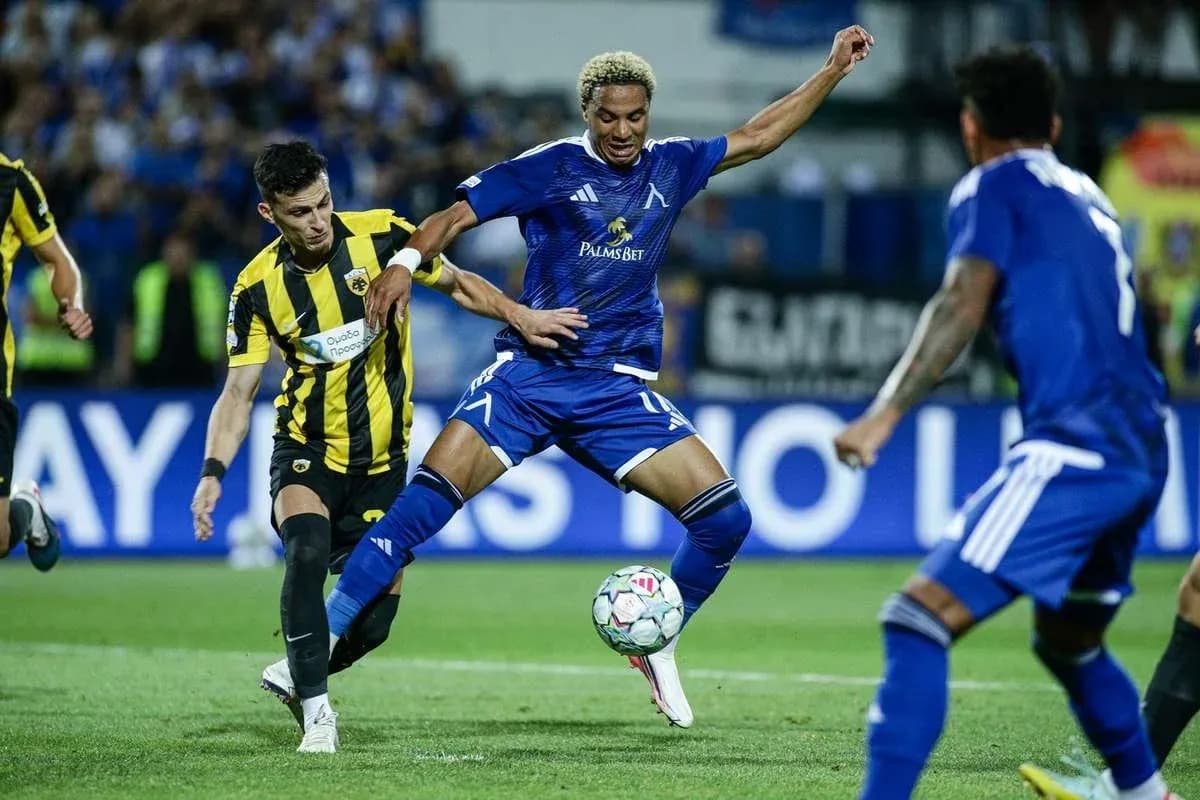
Levski Sofia and AEK Athens FC produced a goalless but tactically rich first leg at Georgi Asparuhov Stadium, a match defined by structure, control phases and risk management rather than chaos in either box. Across 90 minutes, Levski shaded possession at 52% and out-shot AEK 15–12, yet both sides ultimately prioritised keeping their defensive block intact over overcommitting in search of a winner.
Levski lined up in a 4-2-3-1 under Julio Velazquez, with S. Vutsov in goal behind a back four of A. Centelles, N. Serafimov, K. Dimitrov and A. Neves. The double pivot of M. Moubarik and Maicon was central to their plan: build from the back with short combinations, use the pivots as a pressure-release valve, and then find the three advanced midfielders – A. Oko-Flex, Serginho and Everton Bala – between AEK’s lines to connect with lone forward Reinaldo.
AEK, in Marko Nikolic’s 4-4-2, approached the tie more reactively. T. Strakosha anchored a back four of S. Pilios, F. Relvas, H. Moukoudi and L. Rota, with a compact midfield band of four – A. Koita, K. Kairinen, R. Marin and L. Majer – screening central zones and funnelling Levski wide. Up front, Zini and L. Jovic worked more as first defenders than pure finishers, curving their presses to steer Levski’s build-up into predictable areas.
The statistical profile underlines Levski’s territorial and possession control. Their 485 total passes to AEK’s 453, combined with a marginally higher completion rate (428 accurate at 88% versus AEK’s 394 at 87%), reflects a home side comfortable circulating the ball and re-starting attacks. Crucially, though, Levski’s possession did not translate into overwhelming penalty-box pressure: just 6 of their 15 shots came from inside the box, and only 3 were on target. AEK, despite having less of the ball, posted 5 shots inside the box from 12 attempts, but hit the target only once.
That shooting pattern speaks to the defensive organisation on both sides. Levski’s back line, protected by Moubarik and Maicon, was aggressive in stepping to the ball around the top of the box, forcing AEK into 7 shots from outside the area and limiting clear sightlines for Zini and Jovic. The 4 blocked shots Levski registered in attack also indicate how often AEK’s centre-backs and midfielders were in position to get bodies in front of efforts, especially around the “D” where Levski tried to work shooting angles for their attacking midfielders.
The goalkeepers were rarely exposed. S. Vutsov (Levski Sofia) had to make only 1 save, a product of AEK’s inaccuracy rather than passivity; Nikolic’s side did reach shooting positions but struggled to work the ball cleanly onto the target under pressure. At the other end, T. Strakosha (AEK Athens FC) produced 3 saves, dealing with Levski’s more frequent but generally manageable efforts. Neither goalkeeper was forced into high-volume or high-difficulty shot-stopping, which fits a game where both defensive units controlled their own penalty areas effectively.
The foul count – 17 by AEK to Levski’s 8 – highlights the different defensive approaches. AEK were far more willing to break rhythm and disrupt Levski’s combinations in midfield, particularly as the hosts tried to accelerate through Serginho and Oko-Flex between the lines. Their two banks of four compressed space centrally, and when Levski did manage to turn, AEK’s midfielders and full-backs often accepted contact to halt transitions before they could reach the final third in full flow. Levski, by contrast, defended more through positioning and compactness than repeated contact, trusting their structure rather than systematic fouling to slow AEK’s counters.
Set pieces offered only marginal separation. Levski earned just 1 corner to AEK’s 2, another sign that, while the hosts spent more time in AEK’s half, they were not relentlessly forcing last-ditch defending or emergency clearances. AEK’s extra corner reflected sporadic but dangerous forays, often after turnovers when Levski’s full-backs had advanced.
The substitution pattern in the second half further underlined both coaches’ reading of the tie. At 57', AEK adjusted first: P. Mantalos (IN) came on for L. Majer (OUT), adding more craft and ball retention in the right half-space, while B. Varga (IN) replaced L. Jovic (OUT) to offer fresher legs and more vertical threat against a tiring Levski back line. These changes aimed to improve AEK’s ability to hold the ball when they did break and to pose a more direct aerial and physical challenge up front.
Velazquez responded on 67' by introducing J. Perea (IN) for A. Oko-Flex (OUT), seeking more penetration and off-ball running from the right side to stretch AEK’s back four. As the game moved into its final quarter, Levski doubled down on energy and forward thrust: at 79', M. Soula (IN) came on for Everton Bala (OUT), and A. Mitkov (IN) replaced Reinaldo (OUT), effectively refreshing both the left flank and the central striking role. These moves hinted at a desire to increase tempo and pressing intensity rather than to radically alter the structure.
AEK’s own 81' double change – M. Gacinovic (IN) for A. Koita (OUT) and O. Zubkov (IN) for Zini (OUT) – rebalanced their midfield and attack for the closing stages. Gacinovic provided extra work rate and tactical discipline in midfield, while Zubkov’s introduction gave them a different profile in the forward line, more capable of dropping off to link play and helping AEK relieve pressure.
Levski’s final defensive tweaks in the last minutes – S. Hevertton (IN) for A. Neves (OUT) at 88' and S. Stoyanchov (IN) for Maicon (OUT) at 89' – suggested a dual aim: maintain defensive solidity on the right and inject fresh legs in midfield to guard against late AEK counters, while still keeping enough attacking threat on the pitch to exploit any mistake.
In the end, the 0-0 reflects a finely balanced tactical contest. Levski controlled more of the ball and volume of shots, AEK controlled the rhythm of Levski’s possession through fouls and compactness, and both defensive units, supported by well-protected goalkeepers, ensured that this play-off tie remains wide open heading into the second leg.
Related News

Fenerbahçe vs Lyon: Tactical Analysis of UEFA Champions League Draw
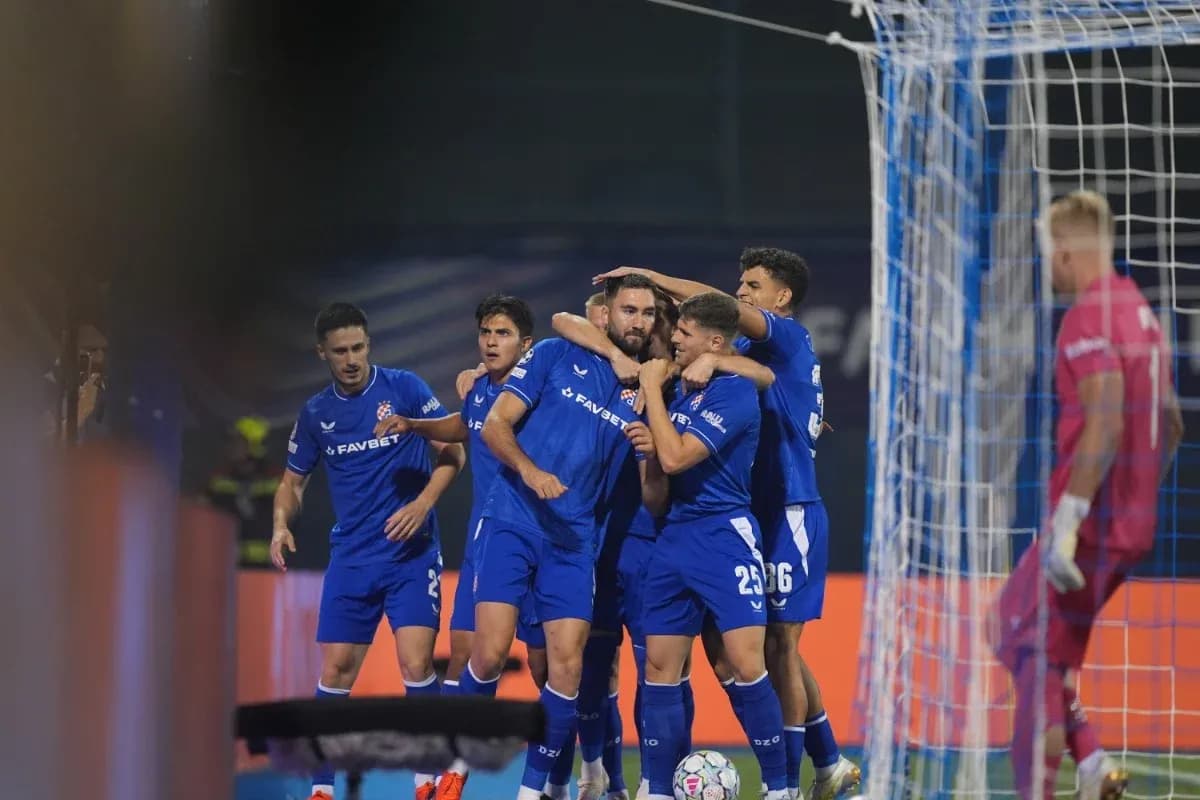
Dinamo Zagreb vs Viking: Tactical Analysis of the 2-2 Draw
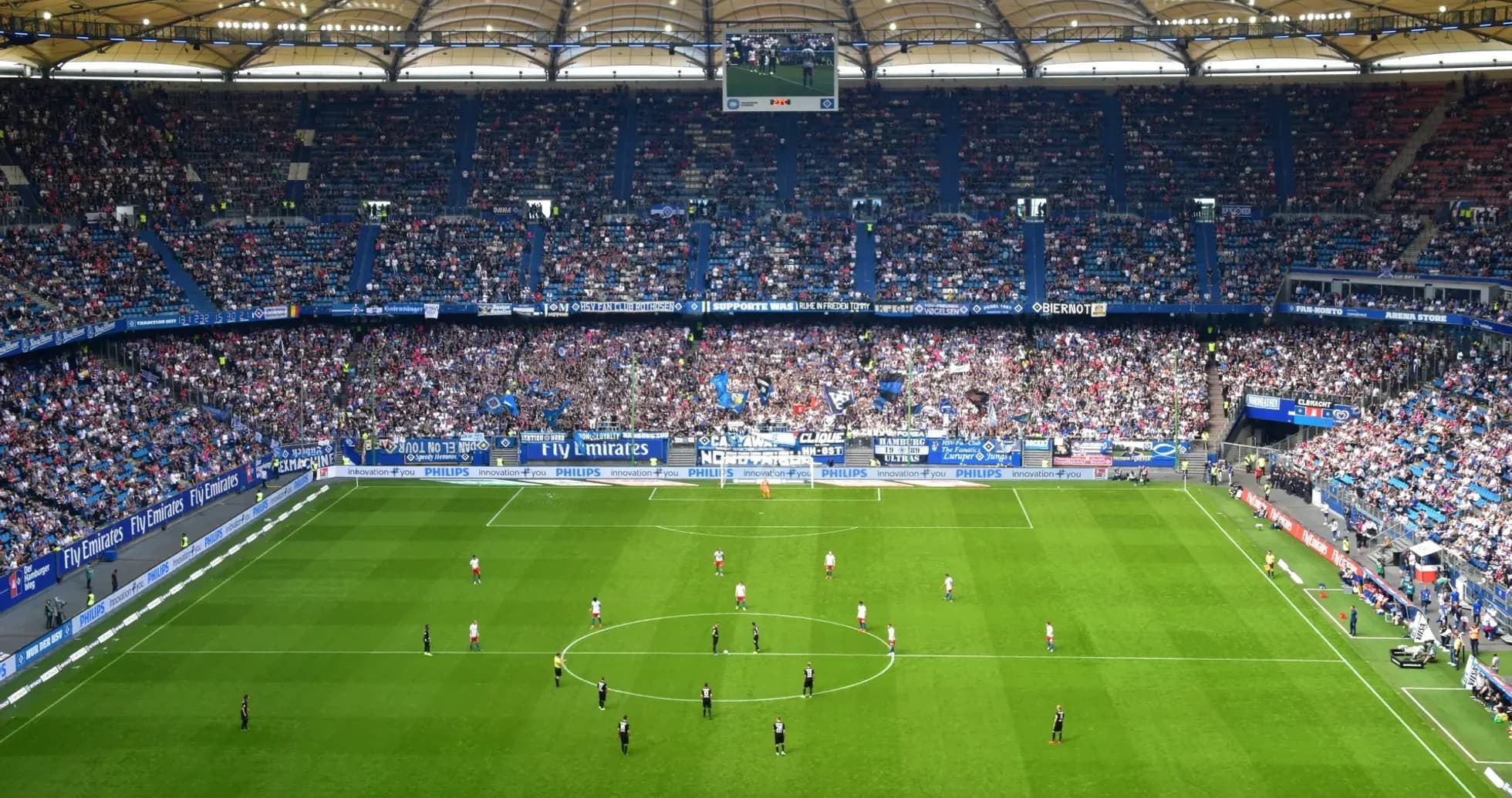
Dinamo Zagreb and Viking Draw 2-2 in UEFA Champions League Play-offs
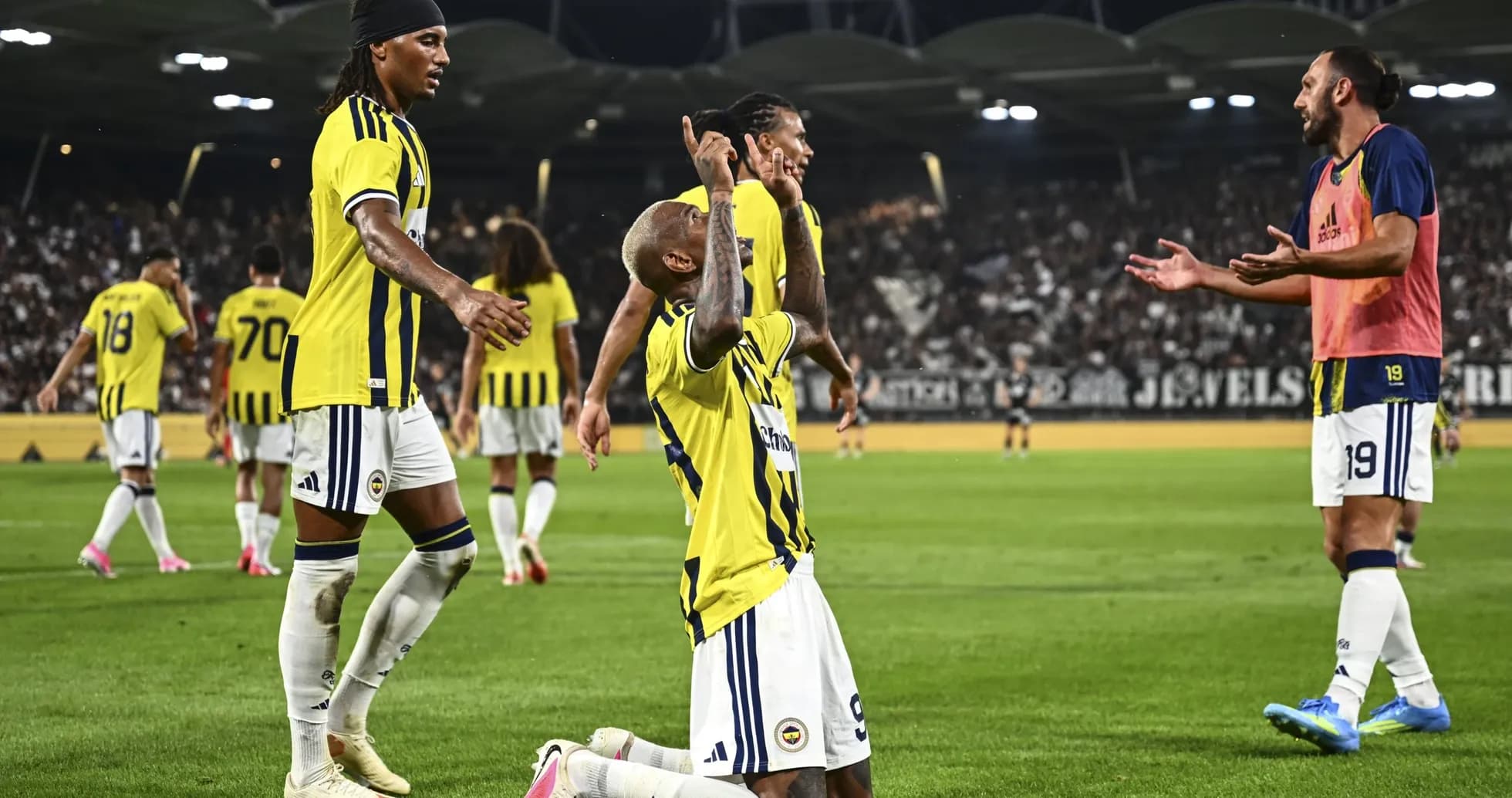
Fenerbahçe 1-1 Lyon: UEFA Champions League Play-offs Review
Levski Sofia vs AEK Athens FC: UEFA Champions League Play-offs Match Report
Slovan Bratislava vs Celje: Champions League Play-Off Insights