
Lexington Dominates El Paso in USL Championship Showdown

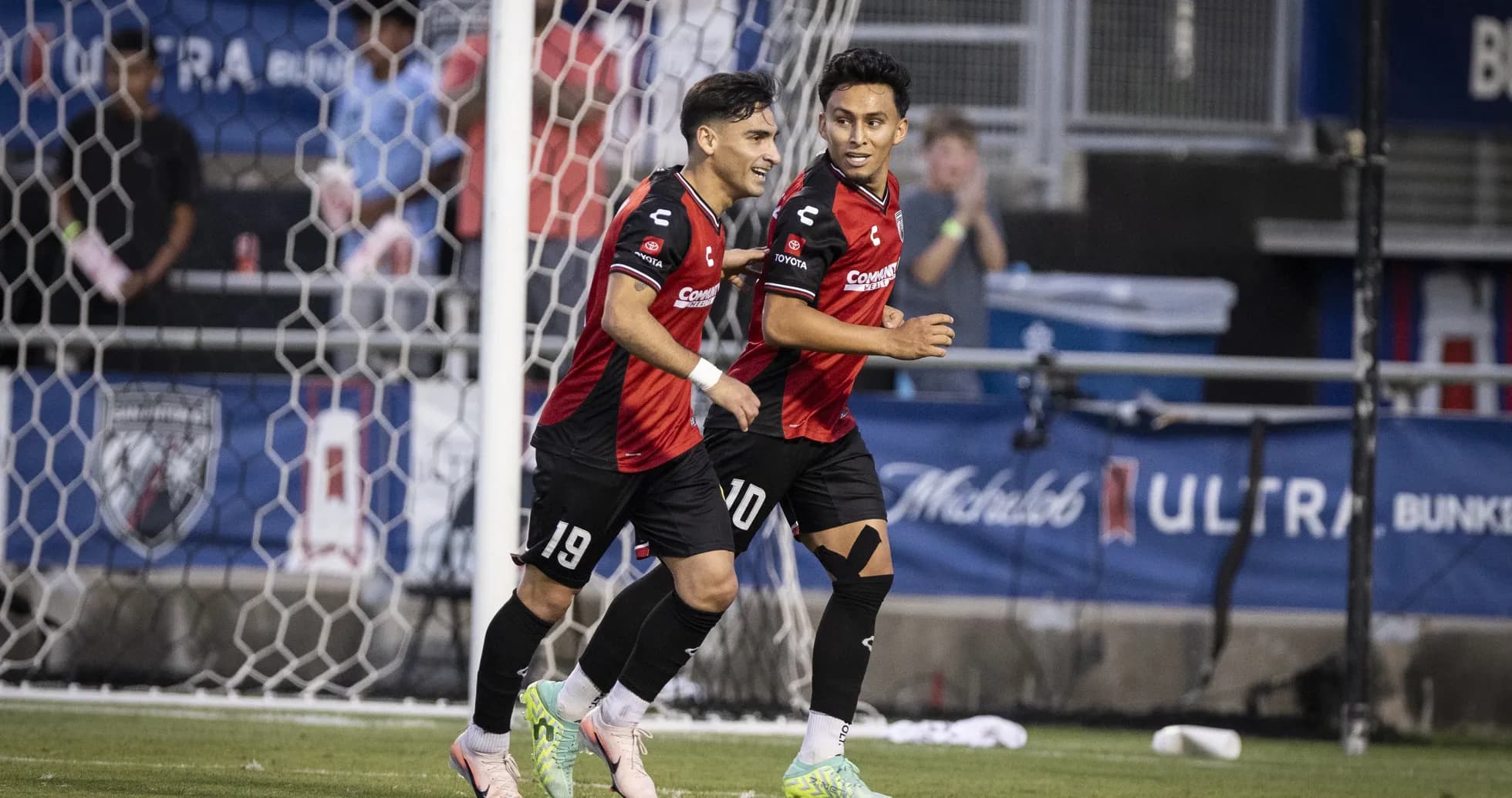
Under the desert lights of Southwest University Park, this USL Championship group-stage meeting between El Paso Locomotive and Lexington always felt like a stress test of identity. One side came in with attacking swagger but defensive fragility; the other with a more modest attacking record but a growing sense of resilience. Over 90 minutes, Lexington’s clarity of purpose cut through El Paso’s chaos, delivering a 4–1 away win that felt as much like a tactical statement as a scoreline.
Heading into this game, El Paso sat 6th in USL 1 with 14 points from 10 matches. Their overall goal difference of 1 was the purest expression of their split personality: 21 goals for and 20 against. At home, they had been particularly volatile — 9 goals scored but 15 conceded across 5 fixtures, an average of 1.8 goals for and 3.0 against. On their travels, Lexington arrived in El Paso ranked 10th with 12 points from 11 games, balanced at 15 goals scored and 15 conceded overall. Away from home they had been tighter, scoring 7 and conceding 9 in 6 outings, an average of 1.2 for and 1.5 against.
From the opening whistle, the lineups told their own stories. Junior Gonzalez leaned again into his technical core: S. Mora-Mora in goal behind a back line featuring A. Quezada, K. Twumasi, N. Dollenmayer and R. Ruiz. In front of them, E. Calvillo and G. Diaz were tasked with knitting play together, with A. Mendez and Gabriel Torres offering connective tissue between midfield and the front. D. Abitia led the line, a reference point for El Paso’s direct entries and combinations.
Masaki Hemmi’s Lexington, by contrast, looked built for control and transition. O. Semmle anchored the side from goal, shielded by a defensive unit of X. Zengue, K. Burks, A. Ordonez and J. Hafferty. The double pivot of B. Ferri and A. Molloy promised structure and distribution, while the advanced line of L. Blessing, Nick Firmino and M. Epps buzzed behind central striker P. Goodrum. On paper, Lexington’s shape hinted at a compact mid-block ready to spring forward once possession was won.
First Half
The first half played out like a clash between a team addicted to risk and another quietly exploiting it. El Paso, whose season-long profile showed they had failed to keep a single clean sheet at home and conceded an average of 3.0 goals per home match, again left space between lines and behind their back four. Lexington, used to grinding away games with relatively modest away scoring numbers, suddenly found an opponent whose openness invited them forward.
Lexington’s season-long card profile suggested a side that often grew more combative as matches wore on, with 28.57% of their yellow cards coming between 76–90 minutes and 23.81% between 61–75. Here, though, they did their most decisive work before the interval, racing into a 2–0 lead by half-time. El Paso’s home vulnerability — 15 goals conceded in just 5 home matches heading into this fixture — resurfaced with brutal clarity.
Second Half
If El Paso’s defensive issues are structural, their attacking numbers are anything but timid. Overall, they averaged 2.1 goals scored per match, with 2.4 on their travels and 1.8 at home. They had not failed to score once this season, home or away. That attacking DNA flickered again in the second half as they pulled one back, but Lexington, whose overall defensive record was more balanced at 1.4 goals conceded per game, managed the momentum swings with composure.
Tactically, the “Hunter vs Shield” dynamic tilted heavily toward Lexington’s forwards. Goodrum’s movement stretched a back line that has been conceding 2.0 goals per match overall, while the interplay of Firmino and Blessing between the lines repeatedly asked questions of Calvillo and Diaz’s defensive coverage. Without a clearly defined holding specialist, El Paso’s midfield struggled to protect a defense that already leaked chances at home.
In the “Engine Room” duel, the contrast was stark. Ferri and Molloy operated as a disciplined hinge for Lexington, recycling possession and controlling tempo. Their work allowed Lexington to choose when to accelerate through Epps and Blessing, and when to slow the game to protect their lead. For El Paso, Calvillo’s passing range and Mendez’s creativity offered flashes, but without a secure platform behind them, their contributions were often reactive rather than dictating.
Discipline has been another quiet subplot to El Paso’s season. Their yellow-card distribution shows a steady accumulation across the middle phases of games, with 25.00% of bookings between 46–60 minutes and another 25.00% between 61–75, plus 21.43% in both the 31–45 and 76–90 windows. Red cards have also appeared early in matches, with 40.00% between 16–30 minutes and 20.00% in three other ranges. Even without explicit card data for this specific fixture, the pattern underlines how often El Paso’s intensity can spill into indiscipline — a dangerous trait for a team already defending on the edge.
Lexington, meanwhile, had shown a tendency to grow more aggressive late, but their overall red-card profile — a single dismissal in the 0–15 window — suggested they usually maintain control. That composure translated here into a ruthless, controlled away performance, one that saw them add two more goals after the break to close out a 4–1 win.
Following this result, the statistical prognosis for both squads sharpens. El Paso’s attacking potency remains undeniable — 21 goals in 10 matches overall is the return of a playoff-calibre frontline — but their home defensive record is unsustainable for a side aiming to stay in the upper reaches of the table. Lexington, by contrast, showed that their balanced 15–15 overall goal record heading into the match may have understated their ceiling when given space to counter and a lead to protect.
In narrative terms, this was a night where structure beat chaos. El Paso’s talent was on the pitch, but Lexington’s cohesion was on the scoreboard. For Gonzalez, the path forward is clear: keep the attacking verve, rebuild the defensive platform. For Hemmi, this performance becomes a template — a reminder that, even on their travels, this Lexington side can be more than just stubborn; they can be devastatingly efficient.
Related News
San Antonio's Tactical Edge Secures 2–1 Victory Over Colorado Springs

Charleston Battery Dominates Loudoun United 4–1 in Statement Win

Miami FC vs Orange County SC: USL Championship Clash Highlights
Colorado Springs vs San Antonio: USL Championship Group Stage Preview

Charleston Battery vs Loudoun United: Match Preview

Miami FC vs Orange County SC Match Preview