
Liverpool Fans' Fury as Transfer Committee Faces Backlash
Liverpool’s title defence was supposed to be the platform for a dynasty. Instead, one year on from that swaggering, statement window, the mood on Merseyside has curdled into something close to open revolt.
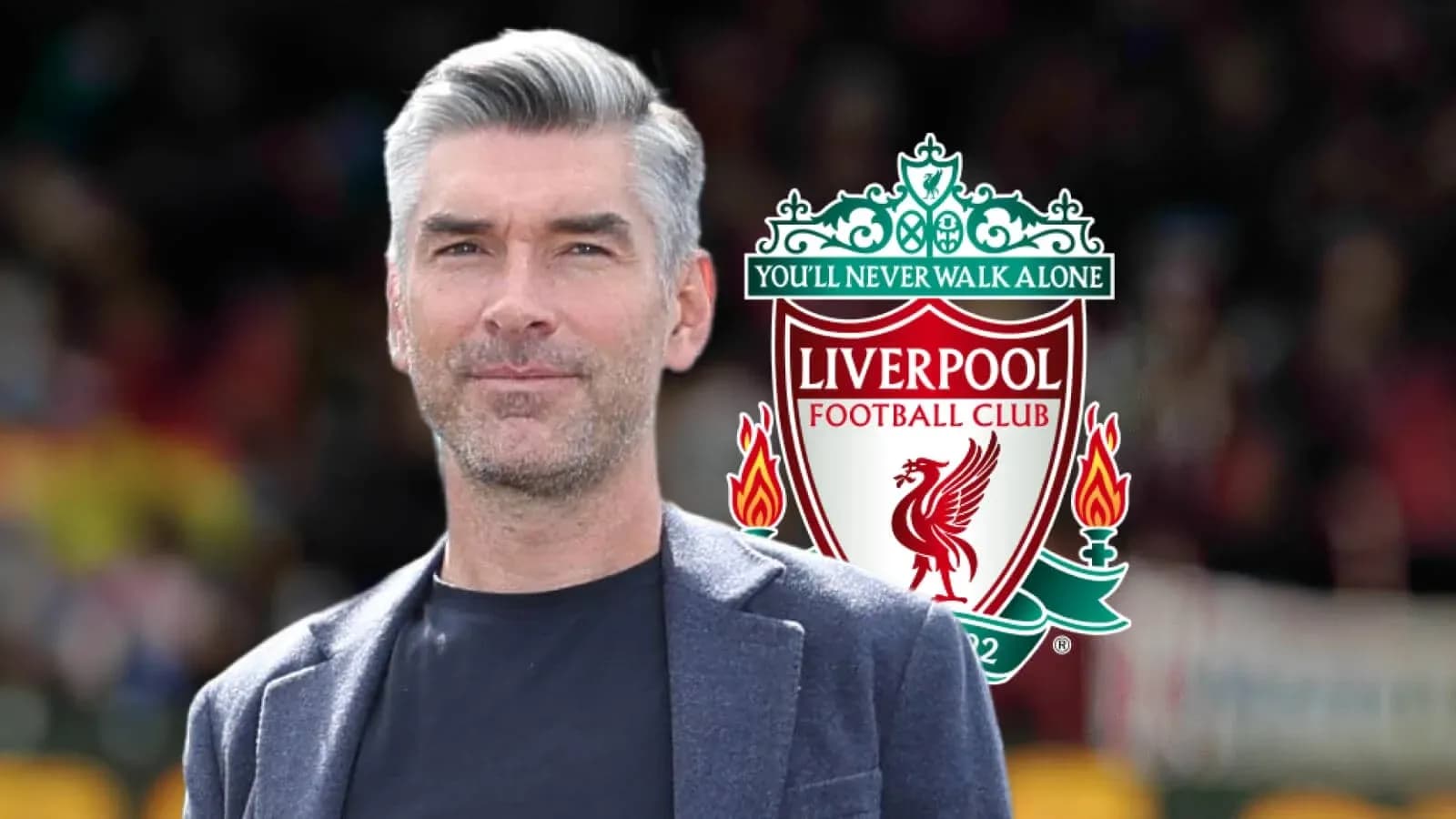
The anger has a name now: Richard Hughes.
Twelve months ago, the club’s transfer committee went for the jugular. Premier League champions and newly rich with belief, they pushed hard and early. Florian Wirtz and Jeremie Frimpong arrived as Bundesliga winners. Hugo Ekitike was plucked away from Newcastle in what felt like a pointed, almost gleeful power move. Then came Alexander Isak, at the time arguably the most complete centre‑forward in the division.
Liverpool were being handed the title before a ball had been kicked. The fanbase talked about depth, evolution, dominance. Rival supporters talked about damage limitation.
Reality, of course, had other ideas.
From spree to surrender
Fast forward to this summer and the same committee appears to be operating in reverse. Players are being moved out with a freedom that would be admirable if there was any sign of a coherent plan behind it. Even Stefan Bajcetic has gone. The question from supporters is brutally simple: who plays in midfield when the first-choice three need a rest or pick up injuries?
And then there’s the elephant in the room. Mohamed Salah. Everyone knew he was leaving. Liverpool had half a year, at least, to map out life after their generational right‑sided forward. Instead, the club have stumbled into the season chasing options in public, trying to retrofit a solution to a problem they saw coming from miles away.
Bradley Barcola, Yankuba Minteh, Ismaïla Sarr – names floated, discussed, briefed. No resolution. No clarity. Just a sense of a club sprinting down blind alleys while the games have already begun.
Supporters look at a midfield that still lacks a genuine holding player to shield a back line exposed by ultra-aggressive full-backs. They see a structure that asks the centre-backs to defend huge spaces with little protection. They see the same flaws Newcastle ruthlessly exposed. And they look upwards, not at the dugout.
Hughes, the new sporting director, is being told in no uncertain terms where the blame lies. Fans argue that in any other high-paying industry, a leadership team that neglected such obvious squad needs would already be clearing their desks.
There is one sliver of optimism. Victor Muñoz. A low-key signing, sensibly priced, high on potential and low on pressure. The sort of deal Liverpool built their modern reputation on. Supporters cling to that as proof the club still remembers how to be shrewd.
But the broader mood is grim. Some are already recalibrating expectations, bracing for a season that feels more like late‑era Wenger at Arsenal or the perpetual almost‑there version of Spurs, rather than a serious tilt at major honours. The miracle scenario? New head coach Andoni Iraola somehow stitches this unbalanced squad into something resembling a title challenger. More realistically, Liverpool could be dragged into a scrap just to stay in the Champions League places.
Right now, the fury is not aimed at the touchline. It’s aimed at the boardroom.
Villa’s uneasy trade with Chelsea
On the other side of the Midlands, Aston Villa supporters are looking at their own club’s dealings and wondering if the ambition matches the rhetoric.
The outgoings tell one story. Morgan Rogers has gone to Chelsea for a fee that looks absurd on paper, but he is young, English, under contract and a genuine game-changer when on song. That “English premium” is real, and Villa cashed in. The problem is what they’ve lost on the pitch.
Set-piece coach Austin MacPhee has also headed to Stamford Bridge. Villa fans know exactly what that means. Under MacPhee, dead balls became a weapon. Just look at Youri Tielemans’ first goal in the Europa League final – a choreographed routine, celebrated with a sprint towards the bench where MacPhee stood. Those details matter at the top level.
Then there’s the looming spectre of Emi Martínez. Nothing is done, but with Zion Suzuki arriving and Chelsea’s goalkeeping situation bordering on chaotic, the logic is easy to trace. Martínez, twice recognised by FIFA as the best goalkeeper in the world and still only 33, would transform Chelsea’s spine. For Villa, losing him would be seismic.
The incomings? Far less convincing to some eyes.
Alejandro Garnacho, if he arrives, is seen by sceptical fans as a potential repeat of the Jadon Sancho story: big name, big hype, uncertain end product. Villa have already moved on one underperforming winger in Jhon Durán Guessand and still have Leon Bailey’s inconsistency to contend with. The appetite for another project wide man is limited.
Nicolas Jackson is another head-scratcher. Bought by Chelsea for £32m, now apparently worth £65m. The leap is doing little to calm concerns that Villa are paying premium prices for players their rivals have already decided are surplus to requirements.
The fear is clear: in trying to smash through the glass ceiling and establish themselves as a Champions League regular, Villa are selling their best assets to the very clubs they’re trying to catch or overtake, then handing those clubs fresh funds for players they no longer want.
Unai Emery retains absolute credit in the bank for what he has done since arriving. That buys patience. It does not erase the nagging worry that the “maths ain’t mathing” for a team with genuine top‑four ambitions.
Because if you want to join the elite, you can’t keep strengthening it.
Could Emery tempt United?
All of which feeds into a different conversation entirely: Unai Emery’s future.
If Manchester United’s Michael Carrick experiment stalls, one name will sit very high on any sensible shortlist. Emery has built a career on extracting more from the collective than the sum of the individuals. He is a serial winner in cup competitions and has shown at Villa that he can elevate a club’s entire outlook.
If Villa continue to sell key players from under him, the prospect of a move to Old Trafford – with its resources, reach and scale – will only grow more plausible. For United, it would look like a rare win‑win. For Villa, it would be a brutal consequence of their own market choices.
United fans split between scars and optimism
Inside Old Trafford, the mood is strangely split.
On one hand, the Hull defeat was a jolt. United have ripped up and rebuilt their midfield at last, which is both the solution and the problem. New combinations need time. Carrick must learn quickly who fits where. The early experiment of using Youri Tielemans as part of a double pivot has already raised eyebrows; he simply doesn’t have the legs for that role. Used as a Bruno Fernandes alternative higher up, he can be a genuine asset, and both can stay fresher across the season.
Recruitment isn’t finished either. A left‑back and a back‑up striker before the window closes would give the squad a more balanced look and turn this into a quietly promising campaign.
There are reasons to enjoy it already. The squad, by and large, feels more likeable. Marcus Rashford’s return brings a human storyline United fans are desperate to see end well. Nobody is pretending a title challenge is imminent, but a return to the Champions League and a sense of forward motion is enough for some.
For others, the clock is ticking louder. As one fan turning 40 put it, life is starting to present its bill. You catch yourself welling up to songs about staying young. You look to football for those 90 minutes that make you feel something again. United, for too long, have failed to provide even that. If they can’t, he suggests, maybe the answer lies in the gym or on a five‑a‑side pitch, chasing a different kind of escape.
It’s a raw, honest reflection of where United are: no longer a guarantee of joy, but still a habit too strong to break.
The Saudi question and football’s moral faultline
Beyond club colours, another battle rages: money versus meaning.
The Saudi Pro League continues to pull players with life‑changing offers. Many come from backgrounds where poverty wasn’t an abstract concept but a daily reality. The argument goes that if anyone has earned the right to cash in, it’s them.
Yet there’s a counterpoint. When you’re already a multi‑millionaire, how much more do you need? A pound goes further in the favela than in Cheshire. Some players, like N’Golo Kanté, have won universal admiration for living modestly, driving unremarkable cars and pouring vast amounts of their wealth into helping others. Others, like Jordan Henderson, have drawn heavy criticism for choosing Saudi after publicly aligning themselves with causes that sit awkwardly with their new employers’ values.
The debate is not going away. It cuts to the core of what fans want their heroes to represent, and what those heroes owe – if anything – to the people who sing their names.
Chewed up, spat out
Behind the headlines, a harsher reality lurks. Sport, at the top level, is a machine that devours dreams.
Recent reports in American football have laid bare the physical cost: one in four former NFL players suffering serious brain damage. The odds of even making it to that level are microscopic. The same is broadly true in football. Thousands of teenagers stake everything on the game. A handful make it. Many of those who fall short land on their feet. Many do not.
For every Raheem Sterling crashing a Lamborghini, there are countless anonymous stories – players who got close, went all in, and were spat out by a system that had no use for them once the dream died. They are left to rebuild without the support structures, the money, or the adulation.
Elite sport demands more than talent and work. It demands luck. The lucky few become icons. The unlucky many disappear into the background, their bodies and minds often carrying the scars of a pursuit that promised everything.
It is worth remembering them the next time a transfer fee breaks a record or a player takes a deal that offends our sensibilities. Because behind the spectacle, behind the fury at directors and the angst over windows gone wrong, there is a simple, uncomfortable truth: this game we love can chew people up and spit them out.
And yet, every weekend, we all come back for more.
Related News
Gabriel Jesus Transfer Saga: Napoli's Pursuit Amidst Arsenal Training
Manchester United Signs Sweden Winger Monica Jusu Bah
Manchester United's Next Steps for JJ Gabriel and Harry Amass After U-21 Win
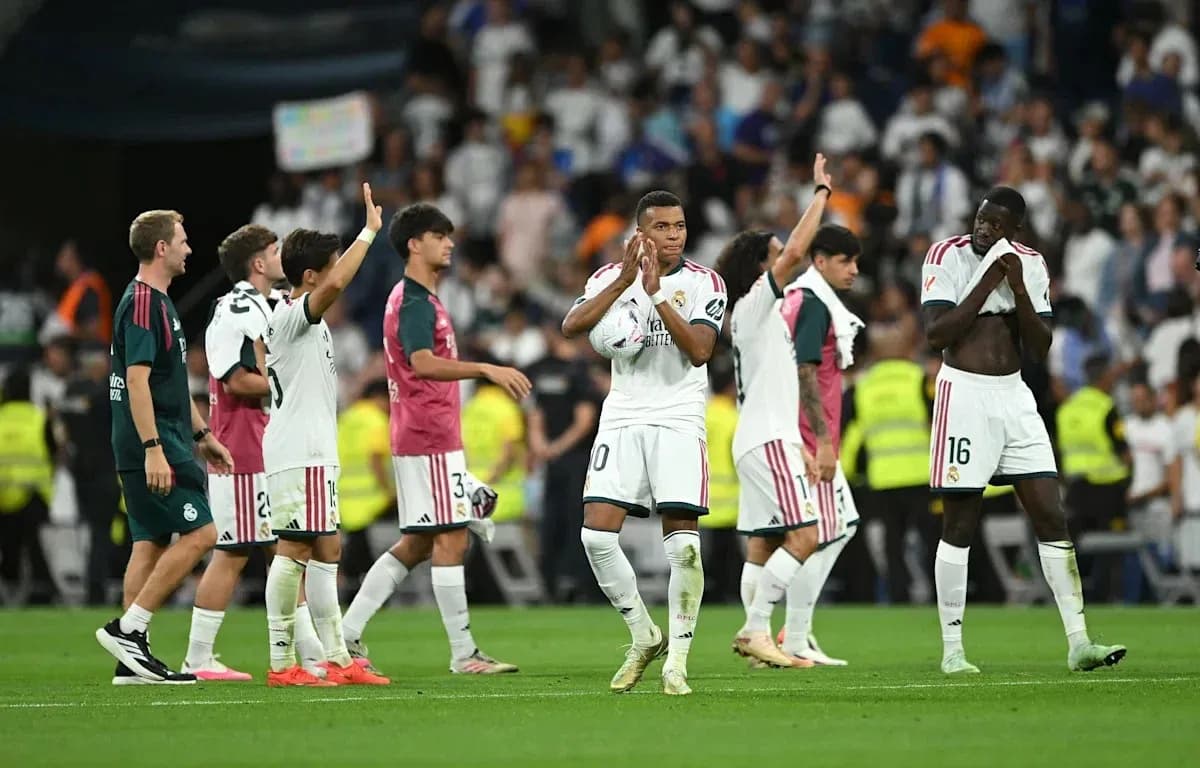
Kylian Mbappé’s Hat-Trick Signals Real Madrid’s New Unity
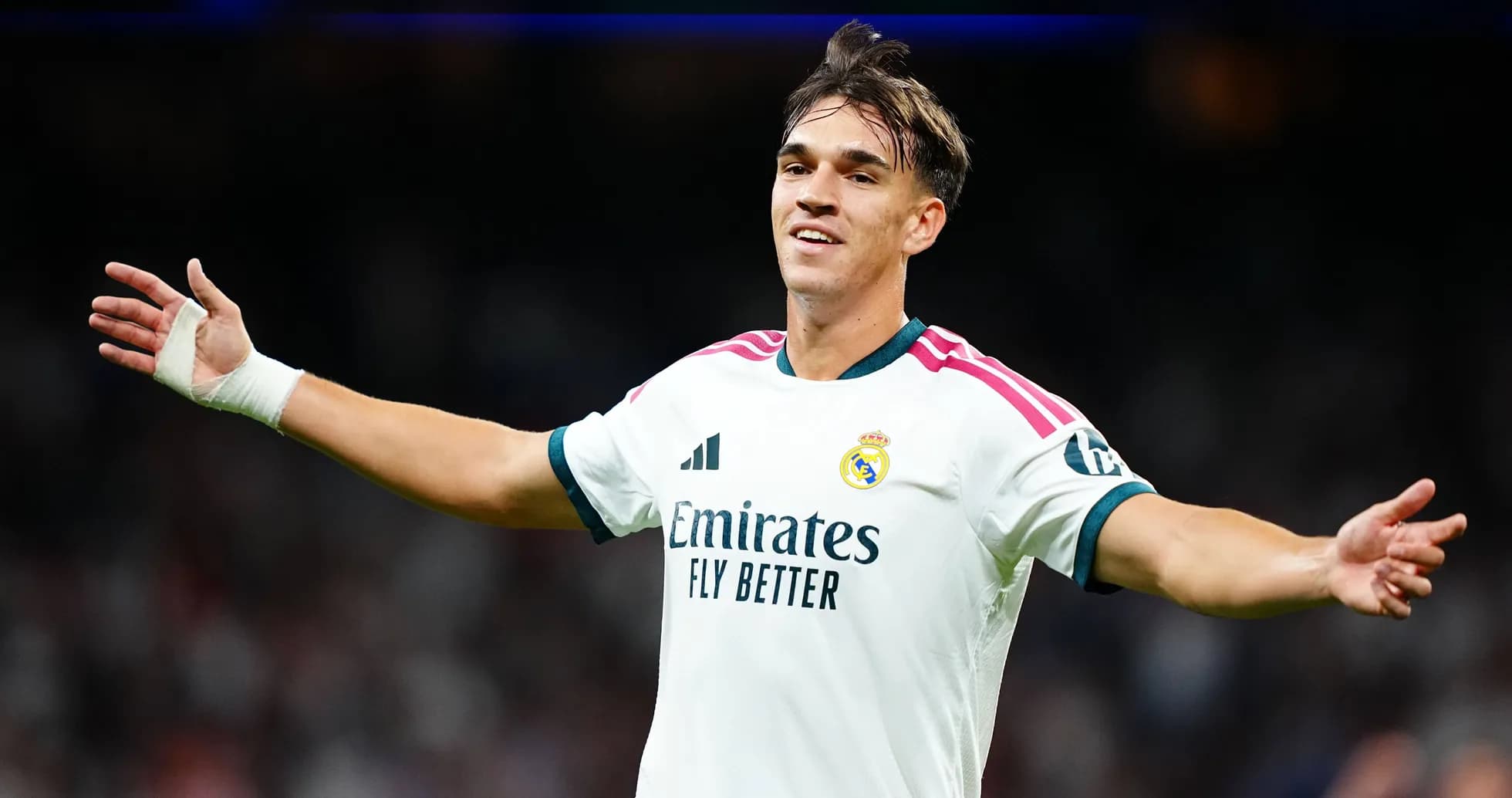
Barcelona's Missed Opportunity: Carlos Espí's Move to Real Madrid
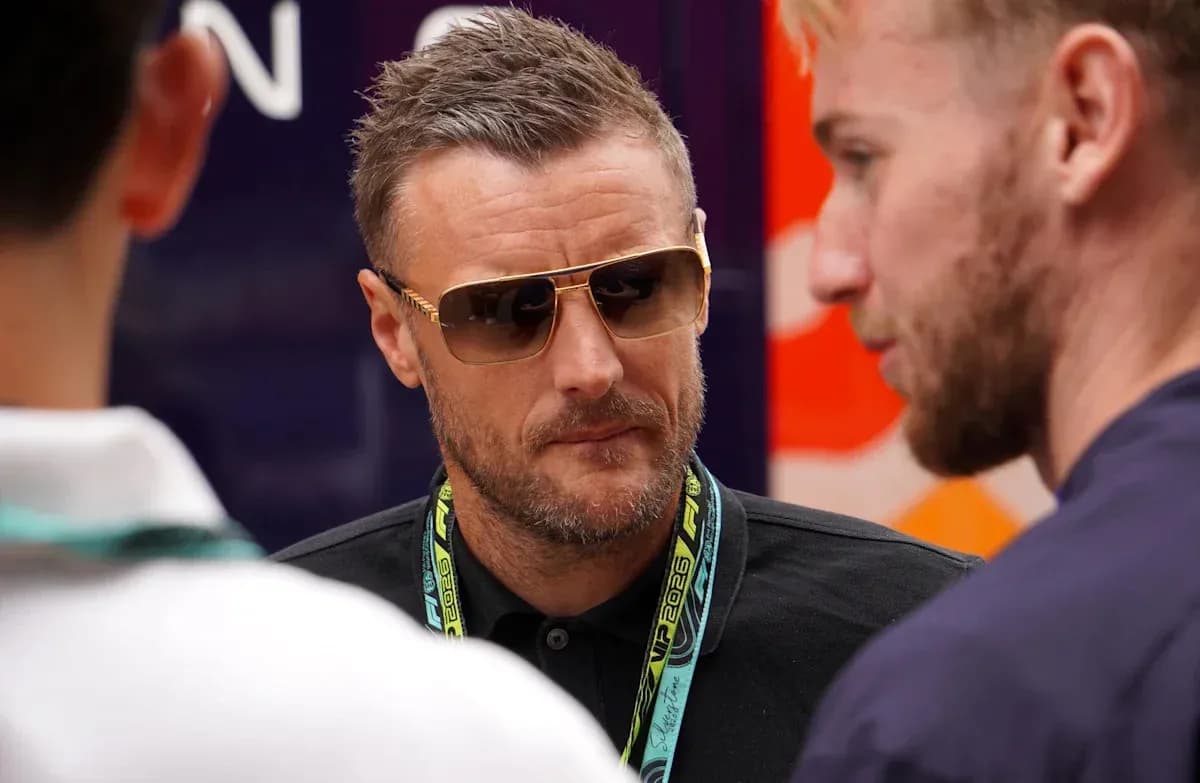
Jamie Vardy Joins That’s Football for Bundesliga Commentary