
Liverpool's New Era Under Iraola: From Bournemouth to Anfield
Twelve months ago, Liverpool were perfect. Five wins from five in the Premier League, Arne Slot sweeping into England and looking every inch the man to defend a title. That surge began with a win over Bournemouth, then coached by Andoni Iraola, under the lights on opening night.
No one inside Anfield that evening imagined the twist that would follow: Slot gone within a year, Iraola walking through the same doors as Liverpool’s new head coach.
Football does not wait around for anyone.
From Bournemouth’s touchline to Anfield’s hot seat
Now Iraola returns to Bournemouth, unbeaten in the league with Liverpool but already six points worse off than this stage last season. The numbers are a reminder: this is not a seamless continuation of Slot’s reign. It is something different, more rugged, still forming its shape.
For three years, Bournemouth was his workplace and his home. On Sunday, he’ll walk into the away dressing room at the Vitality Stadium – a smaller, hastily upgraded space to meet Europa League regulations – and feel the oddness of it all. Same ground, different badge, different expectations entirely.
He has traded the south coast seaside for Formby’s sand dunes, the same quiet corner of Merseyside once favoured by Jurgen Klopp and Brendan Rodgers. He has been spotted in the city centre, out on his bike along the coast, easing into the rhythm of a club that never really sleeps.
But where he truly lives is on the training pitch.
Six days a week, no light days
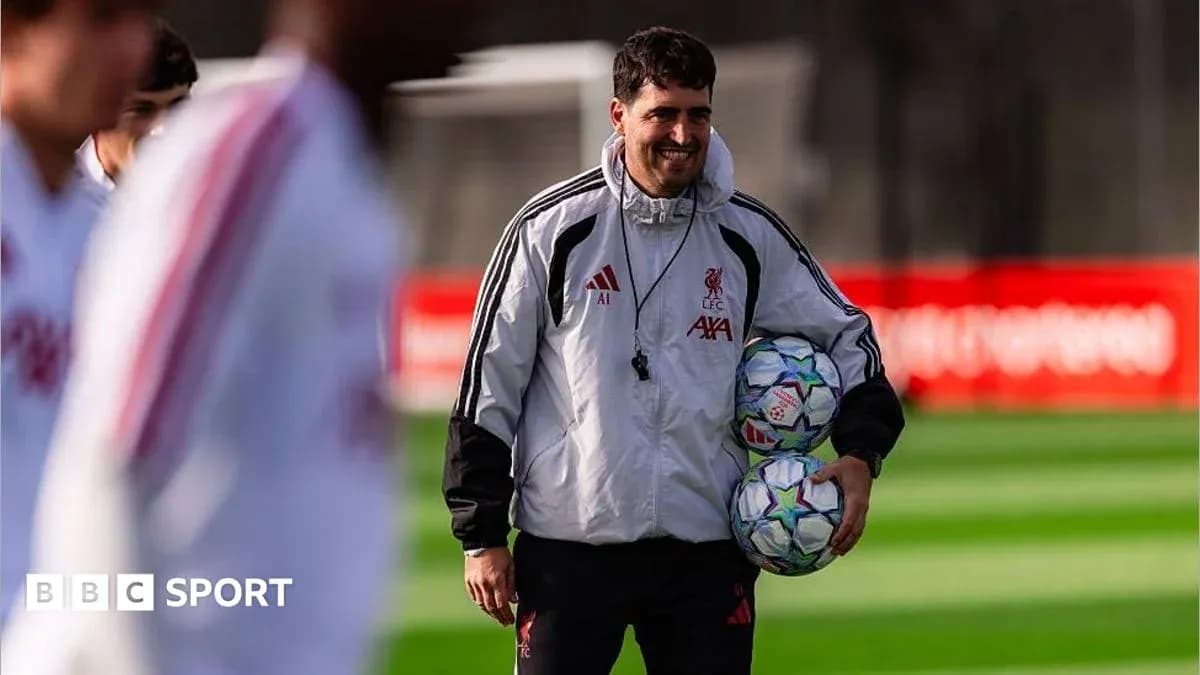
At Liverpool’s AXA Training Centre in Kirkby, Iraola has quickly built a reputation as a relentless presence. He is a six-days-a-week coach in the truest sense, often the first man out on the grass, laying out cones, setting up drills, shaping the tempo before a ball is even struck.
"It's really intense. There's a lot of hard work and no sort of light days. Everyone's putting in 100%," said forward Lewis Koumas. That line sums up the new regime as well as any tactical board.
Inside the building, he cuts a quieter figure than some of his predecessors. The manager’s office is rarely where you’ll find him. Instead, he gravitates to the coaches’ room, alongside Tommy Elphick, Shaun Cooper and long-time ally Pablo de la Torre. The hierarchy is clear, but the day-to-day presence is low-key, almost understated.
De la Torre, who followed him from Rayo Vallecano to Bournemouth and now to Liverpool, has become central to one of the non-negotiables of Iraola’s football: physical standards. The players must be able to run, and then run some more.
Structurally, though, Liverpool have not been torn up and rebuilt. The club’s head coach model keeps any one man from reshaping everything in his own image. Iraola has been hired to coach, to refine, to elevate – not to rip the place apart.
Learning Liverpool’s brutal calendar
Where he is learning on the job is in the sheer volume of games. Bournemouth’s demands were one thing. Liverpool’s are something else entirely.
The Reds are guaranteed at least 49 matches this season. With decent cup runs, that number could push into the 60s. Iraola has leaned into the expertise around him, listening closely to medical and fitness staff as they juggle loads, minutes and recovery windows.
His training schedule reflects that reality. Rather than a fixed daily slot, sessions shift with kick-off times, with late afternoon and early evening work now common. Under Slot, training time barely moved; under Iraola, the clock bends to the fixture list.
He has also opened clear lines to the academy. Rob Page, in charge of Liverpool’s Under-21s, speaks of a deliberate alignment.
"We have an understanding of how the first team play and key principles, like how we press, how he [Iraola] wants his number 10 to press, how he wants his number eight to press, how he wants his centre-backs to press - we mirror that absolutely," Page said.
The message is simple: if you are coming through at Kirkby, you are already rehearsing Iraola’s football.
A young squad built to run
The squad he has inherited – and is now shaping – is young. The average age of Liverpool’s Premier League players this season is 25.3, with only five clubs fielding younger groups. That is by design.
Iraola was chosen in part for his track record with young talent. Already, that trust is visible. In the Carabao Cup against Tottenham, Rio Ngumoha (18), Trey Nyoni (19) and Koumas (20) all started. None were there to make up the numbers. All three are expected to play more significant roles as the season wears on.
On the pitch, the structure is clear. Dominik Szoboszlai outlined it this week: a number six, a number eight and a number 10 at the heart of midfield. Many supporters spent the summer calling for a pure defensive midfielder, but Iraola’s belief is that the system can function if the collective sharpens its pressing and positioning.
Intensity remains the buzzword. Under him, it is not just a slogan, it is a demand. Liverpool have made the most sprints in the Premier League so far, an early marker of what he wants this team to be.
Yet the schedule bites. Less than 72 hours after beating Atletico Madrid in the Champions League, Liverpool looked flat in a goalless draw against Fulham. The legs that fuel the press can also betray it.
Iraola knows that across a season like this, they will need to win in different ways – off a set-piece, through a flash of individual brilliance, by grinding out results when the press just won’t bite as hard.
A coach adapting as much as he changes
Inside the dressing room, his methods are precise. Team selections are typically held back until the morning of the game, keeping everyone on edge, everyone ready. Post-match debriefs wait until the following day, when emotions have cooled and analysis can cut deeper.
In front of the cameras, he has already had a taste of Liverpool’s magnifying glass. After a pre-season friendly against Monaco, his comments on the team running out of steam after 30 minutes were seized upon and widely shared. He had intended to acknowledge a work in progress, not criticise his players. The lesson was swift: at Liverpool, every phrase can be clipped, reframed and debated.
Since then, his media appearances have carried a calm, measured tone. He answers, he explains, but he chooses his words carefully. The adaptation is mutual: Iraola is bending to Liverpool’s scale as much as Liverpool are bending to his ideas.
The weight of draws and the pull of home
For all the nuance, the bottom line remains blunt. Liverpool have not lost a league game under Iraola. They have also dropped points too often for a club with their ambitions.
Vice-captain Alisson put it plainly last week: draws are not enough for Liverpool. Not after 12 league defeats last season. Not for a squad built and paid to challenge at the top.
The schedule offers no respite. Sunday’s trip to Bournemouth will be their fourth game in 12 days. After the international break, a run of four matches in 10 days awaits. Between 11 October and 7 November, they will play nine times. Every selection, every training tweak, every recovery session matters.
Somewhere in that chaos, there is a personal thread. On Thursday night, Bournemouth marked their Europa League debut with a win over Real Sociedad, in the Basque region where Iraola grew up. It would have raised a smile. A club he helped shape stepping out in Europe, in his homeland, on a night that underlined just how far his own journey has taken him.
Now he flies back there as Liverpool’s head coach, chasing a win at a ground he knows as well as any in English football.
His Premier League unbeaten run, stretching back to January across two clubs, is a neat statistic. But at Liverpool, numbers like that only matter if they sit alongside trophies and title races.
On Sunday, in a familiar stadium but in unfamiliar colours, Iraola has the chance to turn an unbeaten start into something more convincing. The question is no longer whether Liverpool are hard to beat.
It is whether they are ready, under their new man, to start winning like Liverpool again.
Related News
Jamie Vardy's Next Chapter at Burnley: A New Challenge Ahead
Liverpool's Search for New Sporting Director: Internal vs. External Candidates
Alexander Isak's Easy Decision for Liverpool Move
Liverpool's New Era Under Iraola: From Bournemouth to Anfield
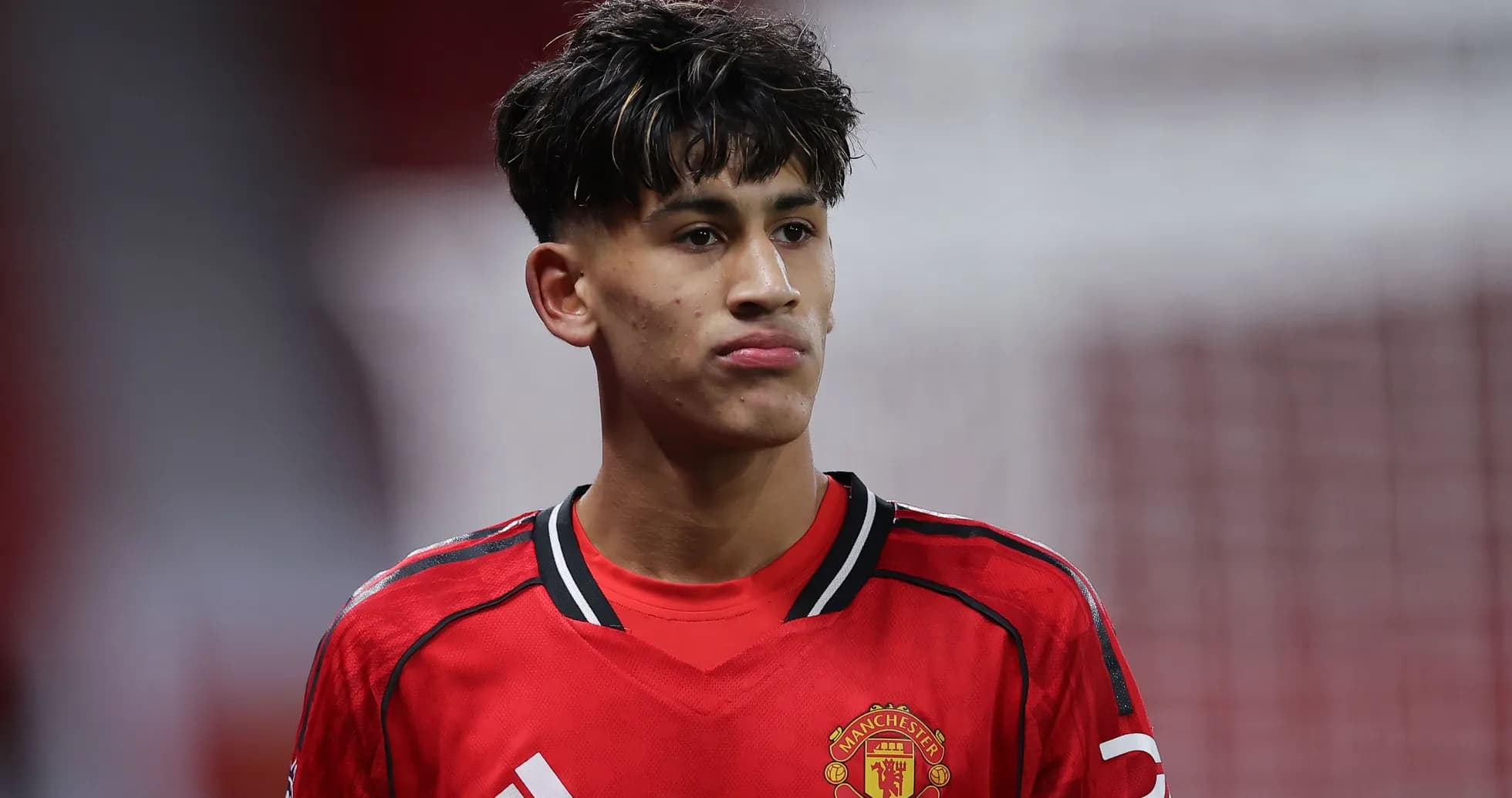
JJ Gabriel's Future in Doubt as Manchester United Prodigy Seeks Exit
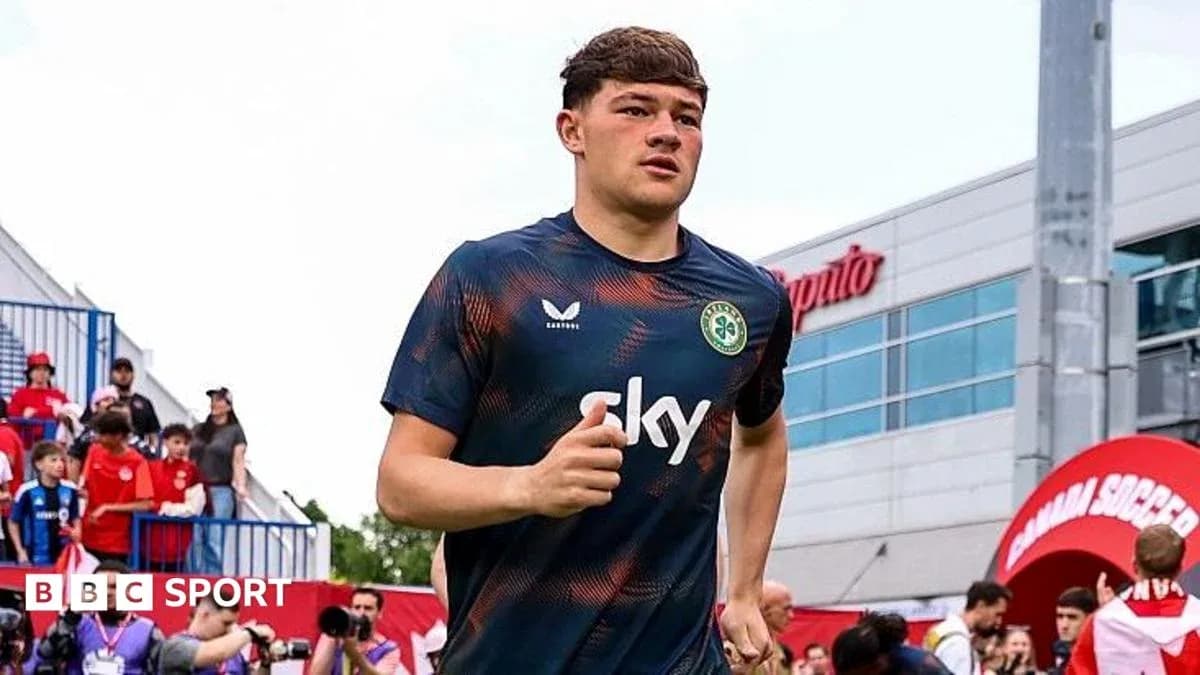
Owen Elding's Long-Awaited Call-Up to Ireland National Team