
Liverpool Sells 30% Stake to 1892 Holdings Consortium
Liverpool have sold a significant minority stake to some of the biggest names in global business – but Fenway Sports Group insist they are not going anywhere.
FSG confirmed on Thursday it has agreed to sell 30% of the club to a new consortium, 1892 Holdings, fronted by Amit Bhatia and backed by Amazon founder Jeff Bezos and Facebook co-founder Eduardo Saverin. The deal, worth £1.65bn, values Liverpool at around £5.5bn and will install Bhatia as vice-chair on an expanded board once regulatory approval is secured.
A heavyweight consortium steps in
Bhatia, son-in-law of Indian steel tycoon Lakshmi Mittal, initiated and led the talks with FSG. The name of his vehicle, 1892 Holdings, is a deliberate nod to Liverpool’s founding year, and its backing is anything but modest.
The consortium is supported by the Mittal Family Trust, the K5 Sports fund – where Bezos is the lead investor – and EE Capital, the family office of Elaine and Eduardo Saverin. Elaine Saverin and Bryan Baum, co-founder and managing partner of K5 Global, will also take seats on the Liverpool board. Bezos will not. Despite his presence as the world’s third-richest man, he is described as a passive investor with no board role.
The numbers involved are eye-catching. Bezos is estimated to be worth $272bn (£201bn), Eduardo Saverin around $33bn, and the Mittal family roughly $17bn. Yet the message from Boston is clear: money is arriving, control is not leaving.
FSG remain majority owners and retain full operational control of Liverpool. There is no obligation within the agreement for either side to increase or decrease their stakes in future, though Bhatia’s group holds options to buy more shares should FSG ever decide to sell.
Long courtship, long-term play
FSG say they were not driven to the table by financial strain but by the profile and expertise of Bhatia’s consortium. Principal owner John W Henry, chair Tom Werner and president Mike Gordon have spent close to a year getting to know Bhatia and his partners before committing to the deal.
They believe the partnership can open doors in global business, technology and investment, with particular emphasis on India and wider Asia – markets Liverpool have long targeted but never fully cracked.
Gordon, who has taken on a more hands-on role at Anfield since Michael Edwards left his position as FSG’s chief executive of football, framed the move as a continuation of the group’s long-term strategy. He said Liverpool has always been built on thinking beyond a single season and making decisions for the club’s long-term interests, and that this approach keeps attracting “respected investors and business leaders around the world”.
As he told it, discussions with Bhatia made it clear the consortium shared FSG’s philosophy and appreciation of what makes Liverpool distinct. The new investors, Gordon said, will complement the structure already in place.
No transfer windfall – for now
Supporters looking for an immediate transfer splurge under Andoni Iraola will have to temper expectations. Under Premier League and Uefa financial regulations, spending is closely tied to turnover, so fresh equity alone does not automatically translate into a bigger transfer budget.
FSG insist there will be no change to Liverpool’s transfer strategy or this summer’s budget, and no alteration to the club’s leadership or day-to-day operations. Iraola’s reality on the training ground and in the recruitment meetings remains the same.
Where the deal could bite, and quickly, is on the commercial side. The involvement of figures such as Bezos, Bhatia and Saverin is expected to unlock new sponsorships, partnerships and technological ventures that can swell Liverpool’s revenues. The club’s annual income already hit a record £703m in the year ending May 2025. With this new network, FSG believe that figure can climb significantly.
Bhatia steps into the spotlight
For Bhatia, the move marks a return to front-line football ownership at the highest level. He spent almost 19 years involved with Queens Park Rangers in a variety of roles, from club chair to chair of the community trust, before transferring his shareholding in July.
At Anfield, he is expected to be a visible presence, far more so than Bezos or Saverin and arguably more than some members of FSG’s own hierarchy. As vice-chair, he will sit at the heart of Liverpool’s strategic direction, even as the Boston ownership group keeps the final say.
Speaking on behalf of 1892 Holdings, Bhatia called the investment “a huge privilege”, stressing the consortium’s respect for FSG and its belief in Liverpool’s leadership. He said they were “incredibly proud” to be investing alongside FSG and that they intend to support the club’s success “for years to come”.
The deal now waits on regulatory approval, a process that could stretch up to 90 days. Once cleared, Liverpool will stand as one of the most valuable clubs in world sport, backed by some of the planet’s richest individuals, yet still controlled by the group that bought it for £300m in 2010 after the chaotic Tom Hicks and George Gillett era.
The ownership model has just become more complex, the boardroom more crowded and the commercial horizons broader. The question is simple: how far can Liverpool push that advantage on and off the pitch in the seasons ahead?
Related News
Burnley Cancels Finotive One Sponsorship Deal Just 42 Days Later
Barcelona sells Jofre Torrents to Ajax for €6m
Manuel Ángel and David Jiménez: Waiting for Their Next Steps
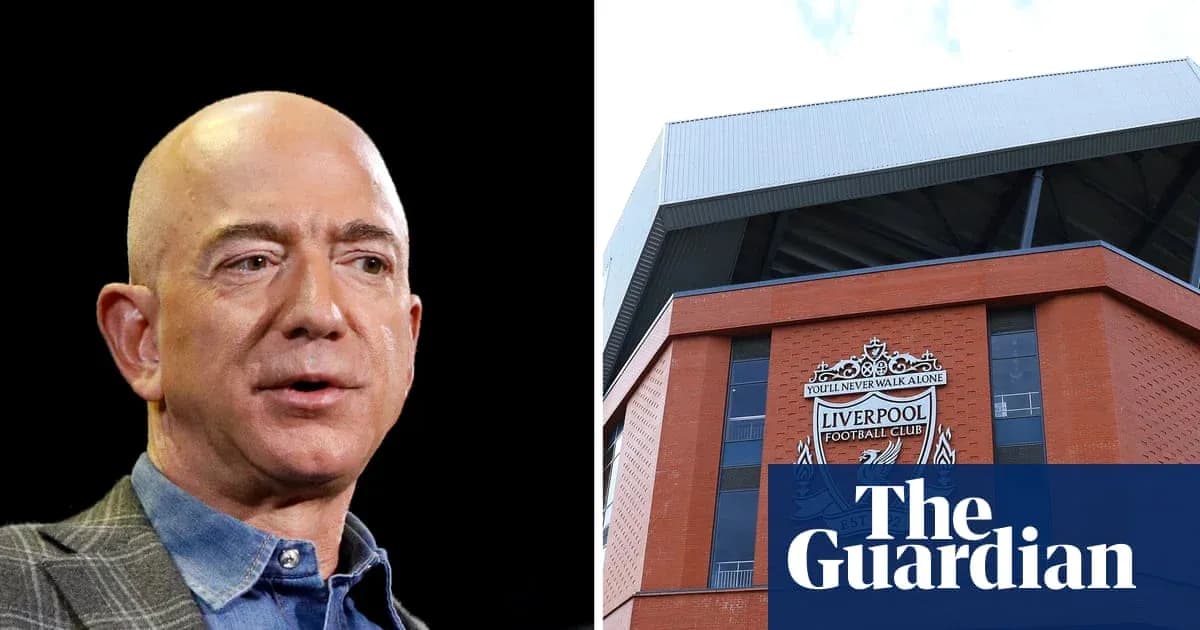
Liverpool Sells 30% Stake to 1892 Holdings Consortium
Ethan Williams Joins Peterborough United from Manchester United
Tottenham Pursue Gakpo and Savinho for Attack Upgrade