
Liverpool's Midfield Reset and Mo Salah's Departure
There was a time when Liverpool were accused of clinging too long to the past. Under Jurgen Klopp, the charge was clear: a great side allowed to age together, the refresh arriving a beat too late.
Then came the midfield reset.
Alexis Mac Allister, Dominik Szoboszlai and Ryan Gravenberch walked through the door in the same summer, a bold attempt to redraw the core of a team that had gone to the well once too often. It looked messy at first. Form flickered, roles shifted, patience frayed. But that trio eventually formed the backbone of a title-winning midfield – under a manager who has already paid with his job.
That, in itself, says plenty about how quickly Liverpool’s reality has been changing.
Arne Slot’s own downfall, in the eyes of many supporters, began with his handling of Mo Salah. The Egyptian went public with his frustration at being dropped, speaking of feeling “scapegoated” for a wider slump in form. When a legend of that stature starts airing grievances, the noise rarely dies down quietly.
Now Salah, 34, has signed for the club that finished third in the Turkish league last season. On paper, it is a jarring destination for a player who, not long ago, sat firmly in the “best in the world” conversation. For a fanbase used to seeing him under the lights on Champions League nights, the move has prompted more than a few double takes.
Yet strip away the emotion and the picture sharpens. This is what the end of a cycle often looks like.
Salah squeezed one of his finest campaigns into the twilight of his Liverpool career. That vintage 2022-23 push under Klopp, when Liverpool chased all four trophies deep into the season, felt like a final, furious sprint from a squad that had spent years at full throttle. The price for that effort came quickly. The drop-off was steep, and for some, irreversible at the very top level.
You can argue that Salah’s late surge only accelerated the decline that followed. The numbers stayed strong, the aura remained, but the margins at the summit of the game are unforgiving. A half-yard lost, a fraction slower to explode past a defender, and everything changes.
Liverpool now stand at the familiar crossroads that every elite club faces with its icons. Jamie Carragher’s old line – “leave the football before the football leaves you” – feels particularly sharp here, only twisted slightly: leave the footballer before the footballer leaves you.
Because yes, on pure availability and experience, Salah could still be walking out at Anfield on the opening day, armband on, anthem ringing around him. He remains capable of deciding games. But would Liverpool be braver, and ultimately wiser, to treat this moment as the start of the next era rather than an extension of the last?
The recruitment noise suggests they know the answer. Links to PSG’s Ibrahim Mbaye have surfaced, with reports also pointing to continued interest in his team-mate Bradley Barcola. Different profiles, different ceilings, but the same underlying message: this attack needs new ideas, new legs, new rhythms.
That doesn’t erase what came before. Salah is a Liverpool legend, a defining figure of the Klopp years, a player whose numbers and moments will be replayed for decades on Merseyside. Statues and murals are built for this kind of career.
But legends don’t always get to choose the perfect exit. Sometimes the game makes the decision for them, quietly at first, then all at once.
His move to Turkey underlines a simple truth that many suspected but didn’t want to confront: for all parties, the time to move on had arrived. The question now is not what Salah was, but who Liverpool dare to become without him.
Related News
Carlos Alcaraz Urges an End to Matches Ending in the Early Hours
Carlos Alcaraz Criticizes Late US Open Finish After 3:30 a.m. Match
Jannik Sinner Set for ATP 500 Return in Beijing with Novak Djokovic Also Competing
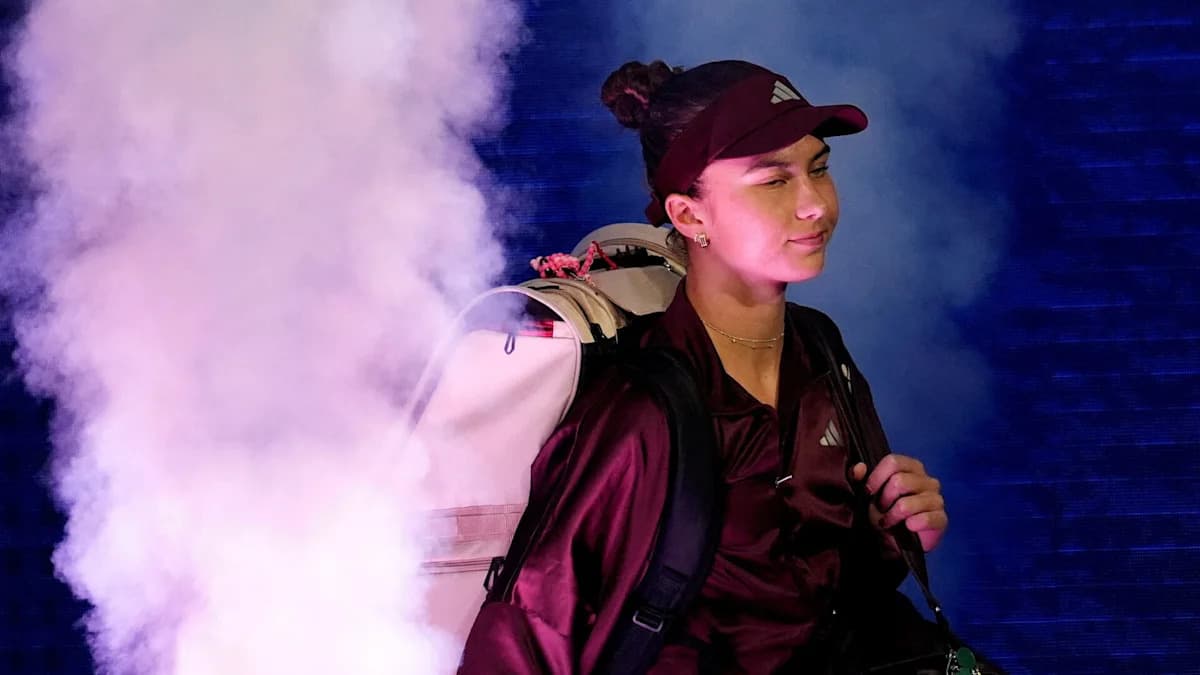
Meet Iva Jovic: The American Tennis Prospect Making Waves
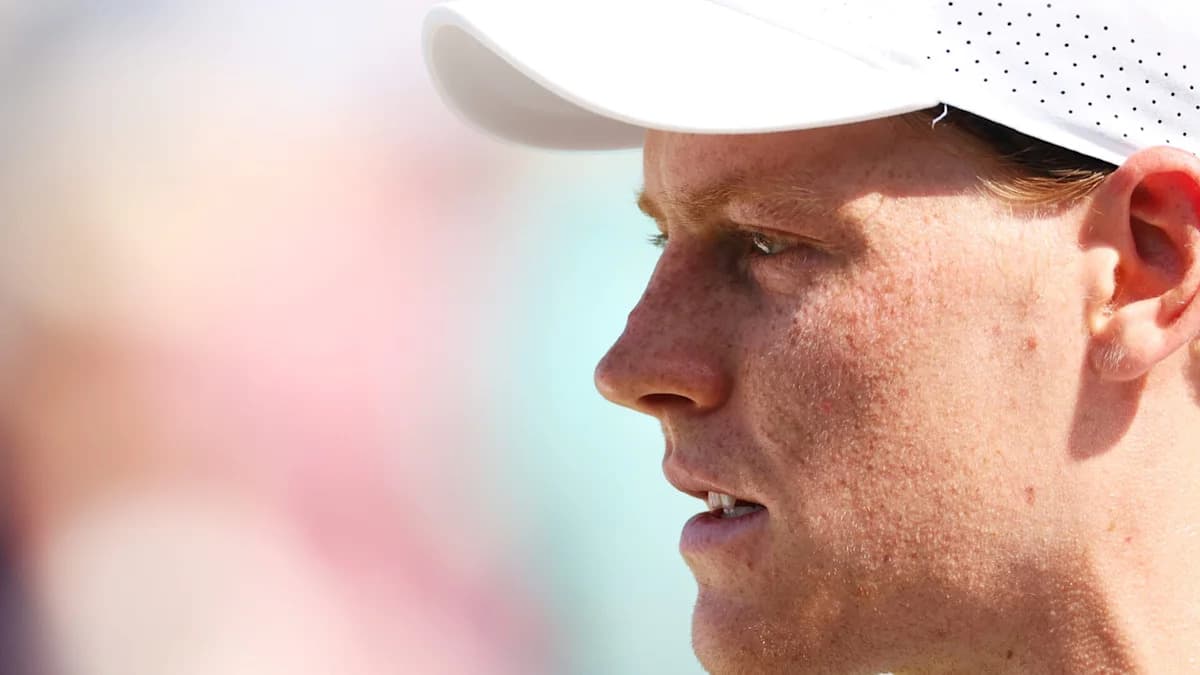
Flavio Cobolli Shares Insights on Practice Session with Jannik Sinner Ahead of Comeback
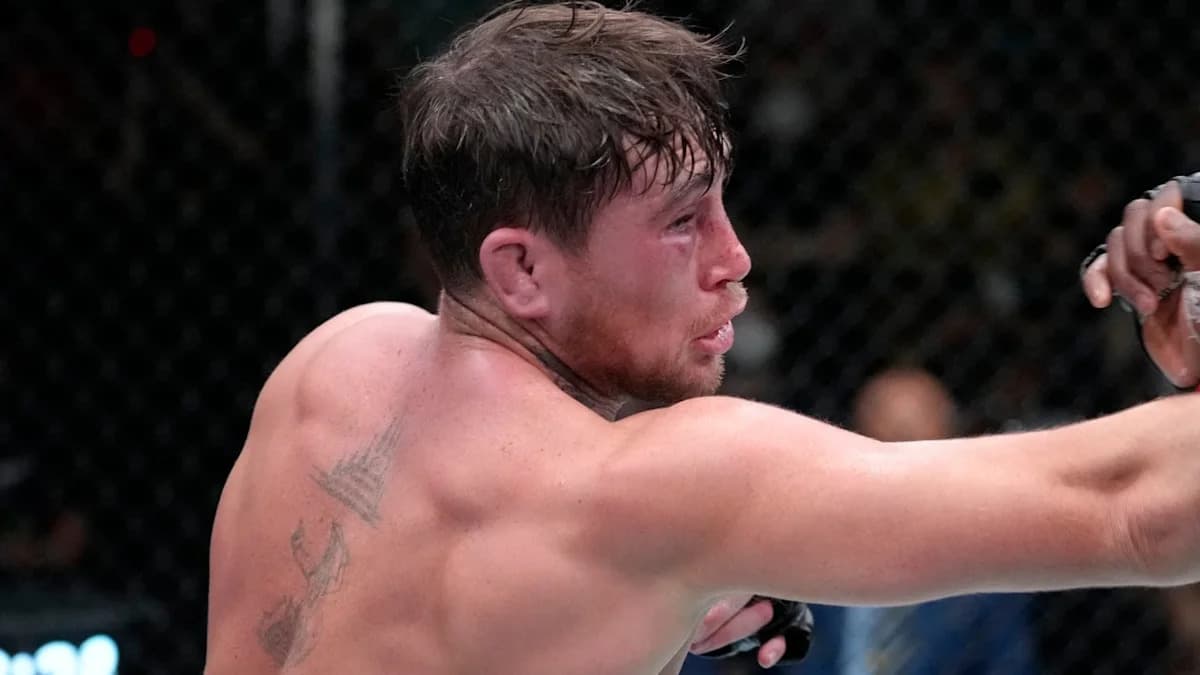
Till vs Romero: Fight Details, Undercard, and Viewing Info for This Weekend