
Louisville City and Brooklyn Battle to a 2-2 Draw
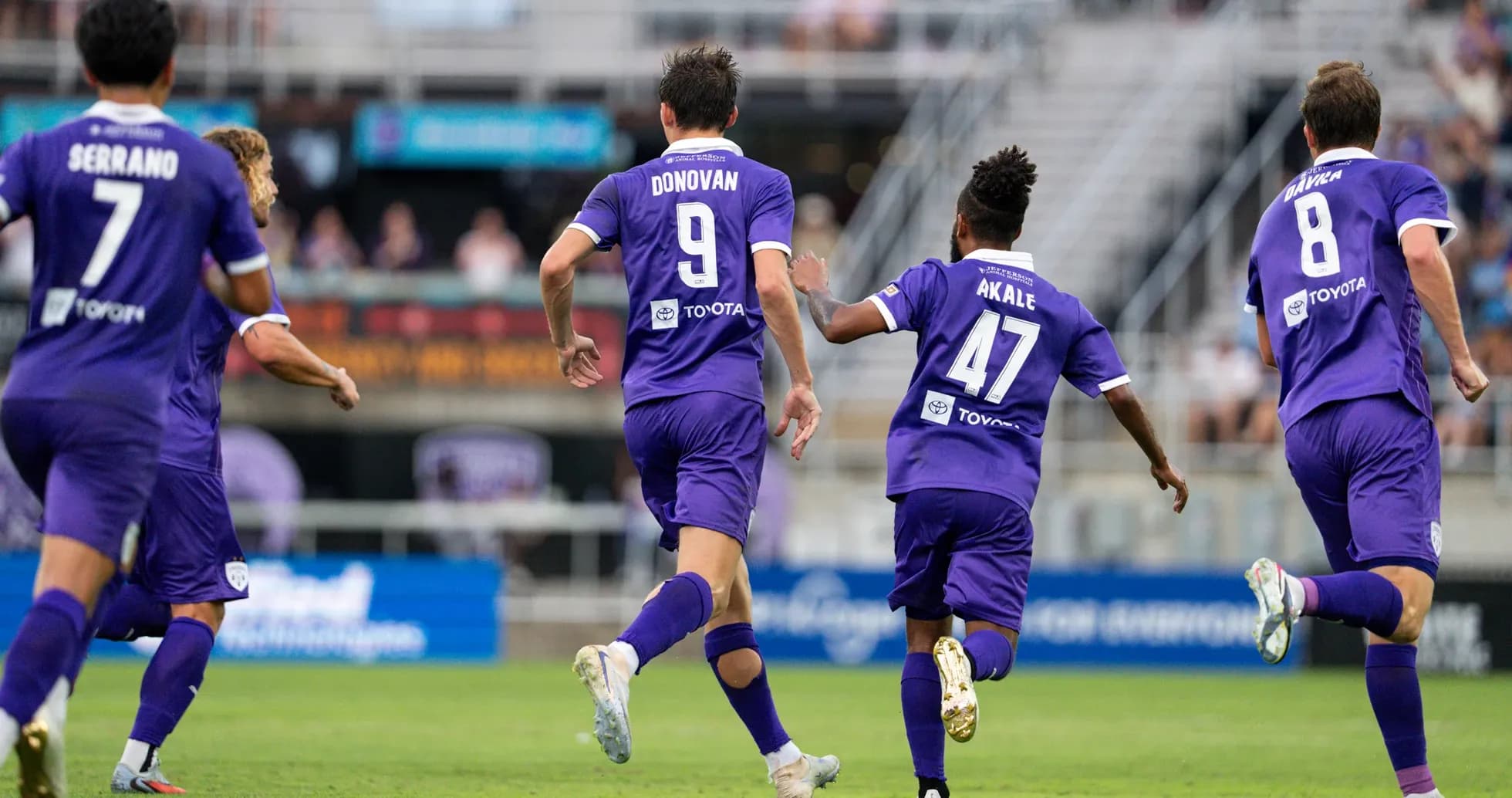
Under the lights at Lynn Family Stadium, Louisville City and Brooklyn served up a 2-2 draw that felt less like a routine group-stage fixture and more like an early stress test for two sides heading in opposite directions in the USL Championship hierarchy. Following this result, the table still tells a clear story: Louisville, ranked 3rd in USL 1 with 21 points and a goal difference of +2 (24 scored, 22 conceded overall), remain very much in the promotion conversation. Brooklyn, 11th with 9 points and a goal difference of -9 (13 scored, 22 conceded overall), continue to search for an identity that can lift them out of the lower reaches.
I. The Big Picture – contrasting identities, converging on a draw
Louisville came into the night with the statistical profile of a volatile contender. Overall this campaign they have averaged 1.7 goals for and 1.6 goals against per match, a blend that guarantees drama but not always control. At home, those numbers sit at 1.6 scored and 1.6 conceded, underlining why Lynn Family Stadium has been more stage than fortress: 3 home wins, 1 draw, 3 defeats from 7.
Brooklyn arrived as fragile travelers. On their travels they had yet to win, with 0 away victories, 2 draws and 4 defeats from 6, scoring 7 and conceding 17. That away defensive record – an average of 2.8 goals conceded per away match – framed the tactical expectation: Louisville’s front line would find chances; Brooklyn’s best hope lay in transition and set-piece moments rather than extended control.
The 1-1 score at half-time and the eventual 2-2 full-time result fit that script: Louisville’s attacking ambition repeatedly met Brooklyn’s capacity to punch back in moments, even if the visitors rarely looked structurally secure.
II. Tactical voids and discipline – tension without chaos
There were no listed absentees in the data, leaving both coaches to lean fully into their preferred personnel. For Louisville, Simon Bird had the luxury of continuity, building his side around a spine of D. Faundez in goal, S. Totsch and B. Dayes at the back, and a midfield core featuring T. Davila and Z. Duncan.
Season-long card data hints at how Louisville’s aggression is distributed. Their yellow-card peak comes in the 46-60 minute window, where 26.09% of their cautions are shown, followed by 21.74% between 76-90 minutes. This is a team that often ramps up intensity after the interval, sometimes at the cost of control. Brooklyn’s own yellow-card curve is more spread, with notable spikes at 46-60 and 61-75 minutes (both 19.23%), and a striking late surge in added time: 23.08% of their yellows arrive between 91-105 minutes. That pattern suggests a side that often ends games under siege, scrambling rather than dictating.
Red cards have not been a feature for Louisville this season, but Brooklyn’s disciplinary edge is sharper: both of their reds come in the 91-105 minute range, a sign that emotional and physical fatigue can tip them over the line when defending late.
III. Key matchups – Hunter vs Shield, Engine Room vs Enforcer
Hunter vs Shield
Without explicit top-scorer data, the “Hunter” for Louisville is best understood as a collective front unit built around the movement of C. Donovan and the creative surges of wide players like R. Serrano and M. Akale. Heading into this game, Louisville’s attack at home had already produced 11 goals from 7 matches, an average of 1.6, and they have previously hit as many as 4 at home in a single match.
Brooklyn’s “Shield” on their travels has been porous: 17 goals conceded away before this fixture, also 17 in total away, at 2.8 per match. The central defensive pairing of V. Latinovich and C. Frogson, protected by M. Pinto, faced a structural problem rather than an individual one: the block has tended to sit deep, but the distances between lines invite pressure and second balls. In that context, a 2-goal concession in Louisville is almost a modest outcome, but it underscores how much work remains if Brooklyn are to stabilize.
On the flip side, Brooklyn’s own attacking “Hunter” is embodied in the fluidity of players like T. McNamara and S. Stojanovic feeding runners such as C. Olney JR and M. Anderson. Overall, Brooklyn have averaged 1.1 goals per match this season, 1.2 on their travels, and they have shown they can score twice away from home in isolated bursts. Louisville’s defense, conceding 1.6 goals per match overall and 1.6 at home, is susceptible when the game breaks open – and Brooklyn exploited that, finding two goals despite being second-best in several phases.
Engine Room – where the game tilted
In midfield, the contest between Louisville’s double axis of T. Davila and Z. Duncan and Brooklyn’s pairing of M. Pinto and T. McNamara framed the flow of the match. Louisville’s season-long form line – WWWWLDWLLLLDWD – reveals long streaks of both dominance and vulnerability, and much of that hinges on whether their midfield can impose tempo.
Here, Davila’s role as a connector and Duncan’s work rate allowed Louisville to sustain pressure, especially after half-time, in line with their tendency to play with greater edge between 46-60 minutes. Brooklyn’s response relied on McNamara’s experience to slow the game and pick passes into the channels for P. Mangione and Stojanovic, seeking to bypass the congested central lanes.
IV. Statistical prognosis – xG tilt, defensive fragilities shared
Even without explicit xG numbers, the underlying profiles point to a match where Louisville likely shaded Expected Goals. At home they create enough to average 1.6 goals scored, against an opponent that usually ships 2.8 on their travels; scoring twice feels aligned with that expectation, if not slightly under their potential given Brooklyn’s away frailty.
Defensively, both sides showed why their goal differences sit where they do. Louisville’s overall goal difference of +2 (24 for, 22 against) reflects a team that wins by outscoring rather than suffocating. Brooklyn’s -9 (13 for, 22 against) is the mark of a side that must work hard for every goal yet concedes cheaply.
Following this result, the narrative is clear. Louisville remain a dangerous, imperfect contender: capable of multi-goal outputs, but still allowing opponents a route back into matches. Brooklyn, meanwhile, can take heart from scoring twice away to a top-three side, but until their away defensive record shifts from 17 conceded in 6 to something more sustainable, they will live on a knife edge.
The 2-2 draw at Lynn Family Stadium felt, in the end, like a snapshot of both teams’ seasons: Louisville’s attacking ambition meeting Brooklyn’s resilience and volatility, with neither side quite able to bend the night fully to their will.
Related News
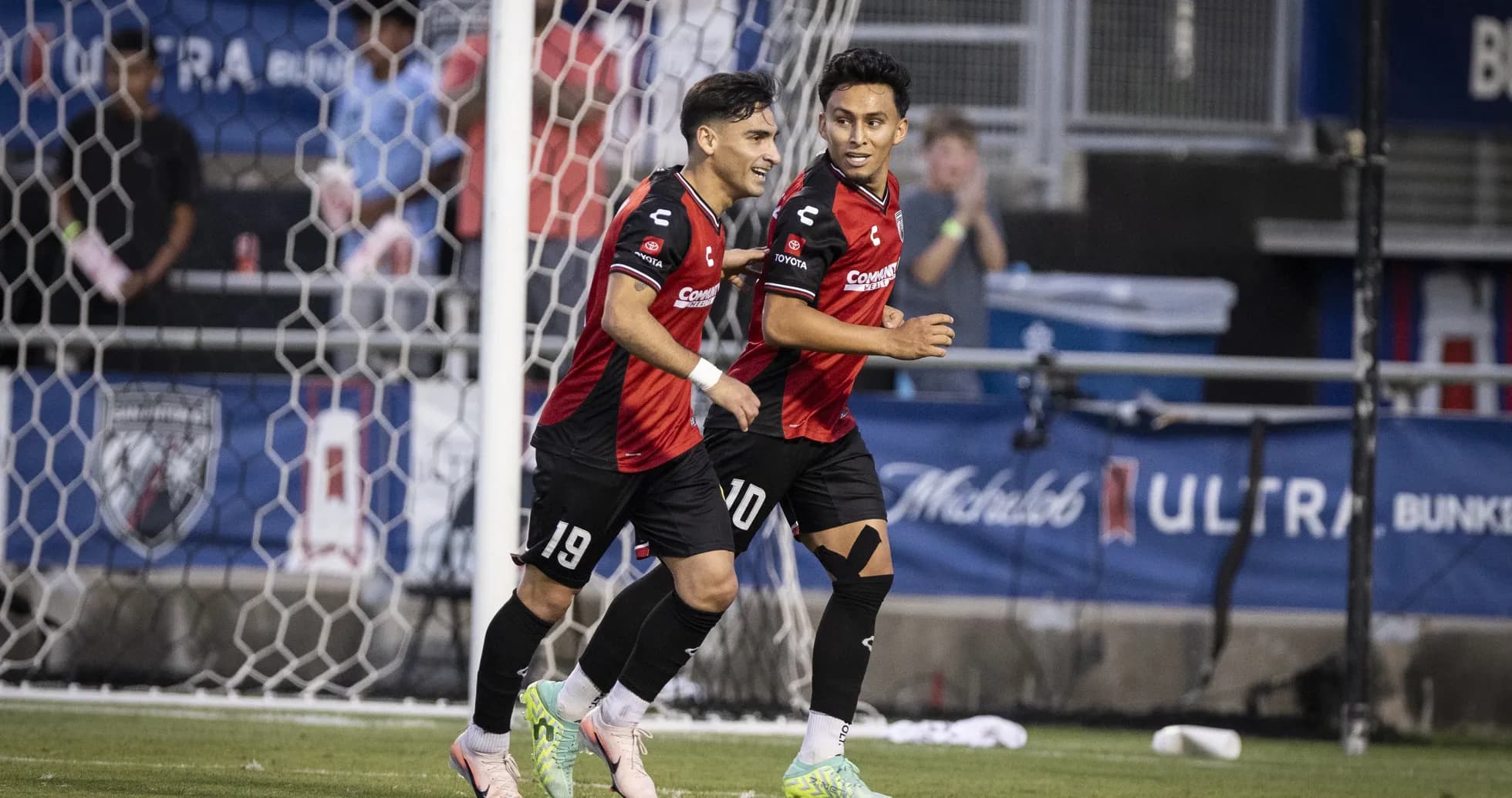
San Antonio's Tactical Edge Secures 2–1 Victory Over Colorado Springs

Charleston Battery Dominates Loudoun United 4–1 in Statement Win

Miami FC vs Orange County SC: USL Championship Clash Highlights
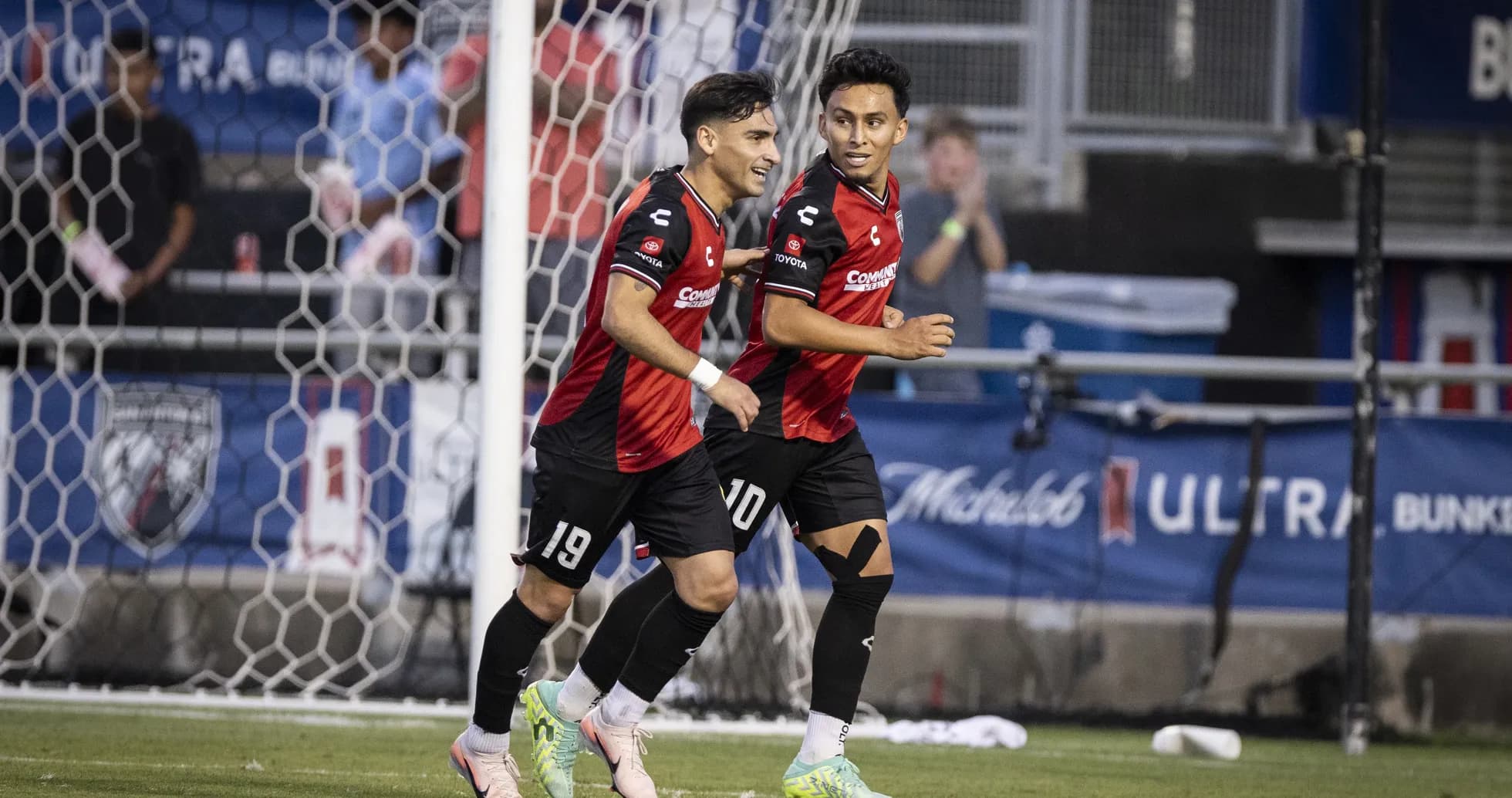
Colorado Springs vs San Antonio: USL Championship Group Stage Preview

Charleston Battery vs Loudoun United: Match Preview
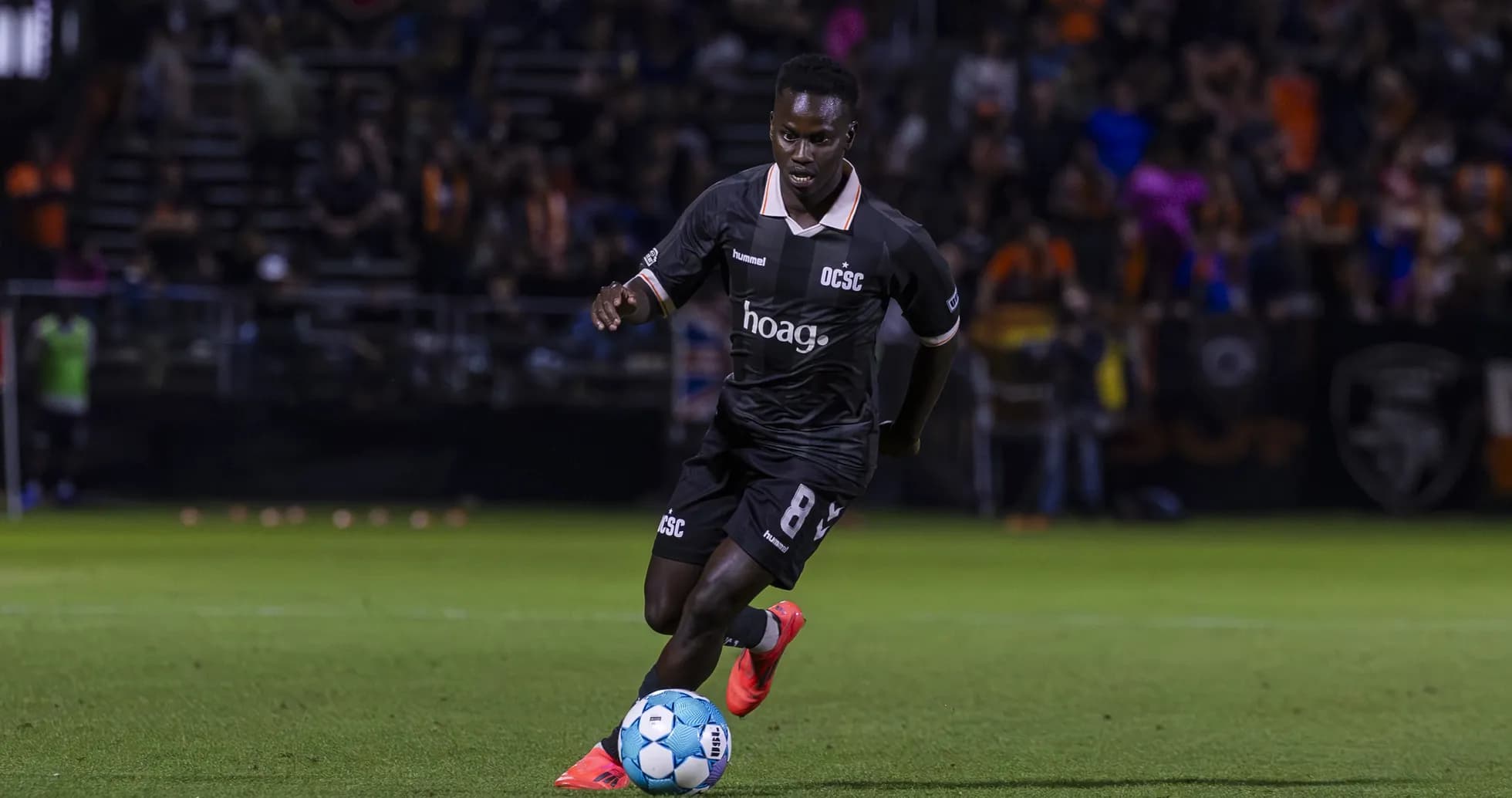
Miami FC vs Orange County SC Match Preview