
Manchester City Sign Elliot Anderson for Record Fee
Manchester City have won the race for Elliot Anderson – and rewritten the British transfer market in the process.
The Nottingham Forest midfielder will move to the Etihad in the summer after City agreed a deal worth £116million, a fee that sources close to Forest insist is actually closer to £130m. Either way, it is a number that will make Anderson the most expensive British player of all time and one that forced Manchester United to walk away.
City pay, United walk
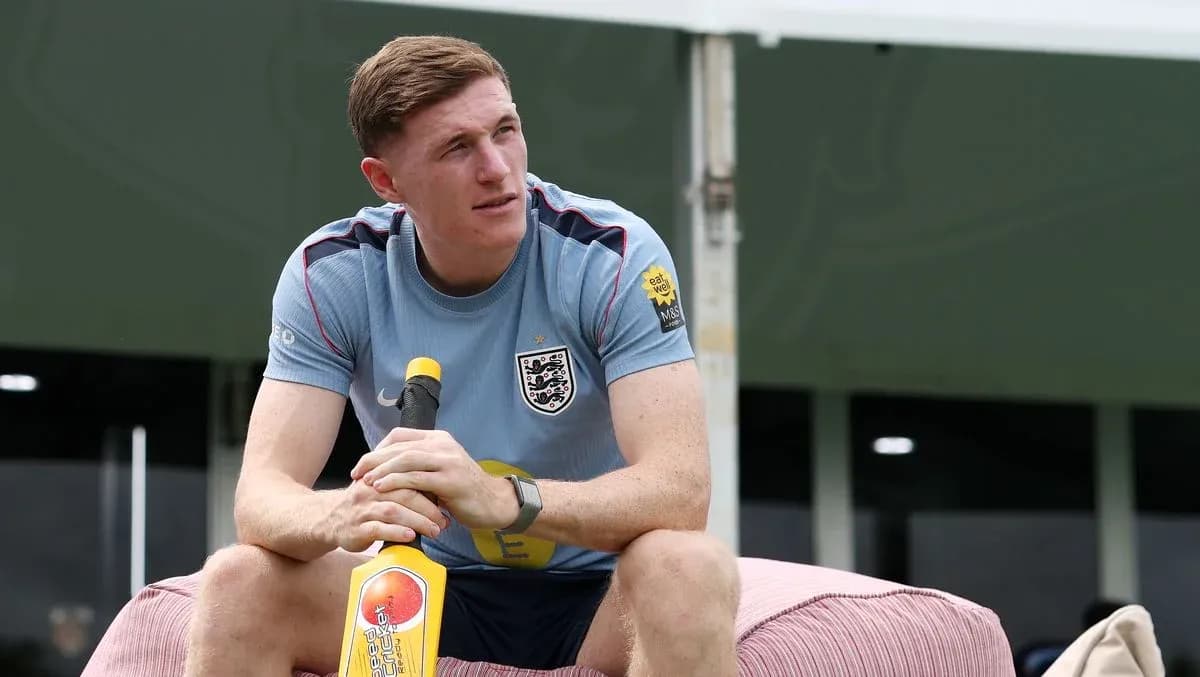
A recent photograph from England’s training camp in Kansas City showed Anderson smiling, cricket bat in hand, relaxed in the sunshine. Behind the scenes, his future was anything but casual. Now it is settled. City have paid what others would not.
United were in the conversation early. They saw Anderson as an outstanding candidate to succeed Casemiro and reshape their midfield. Once City’s opening bid – already described as lofty – was knocked back, the numbers escalated into a territory United simply refused to enter.
Omar Berrada had already laid down the marker. Speaking on United’s in-house podcast, the CEO made the club’s stance plain.
“We have to be really disciplined, it’s simple. We have a plan, we know what we can invest, and we have to stick to that,” he said. “In some cases, we may decide to make an investment knowing it’s the right thing for not just the next two or three years, but the next 10 years. But clearly, we need to stay very focused on what we’re trying to achieve. It’s very important that you don’t let the market or the agents dictate.”
City did not blink. United did. And once the fee for Anderson surged towards record-breaking territory, Old Trafford’s recruitment team stepped back.
The Fernandes dilemma
Cost was only half the story. United believed there was another route to a high-end midfielder: Mateus Fernandes.
The 21-year-old’s numbers last season stacked up impressively against Anderson’s. Fernandes won more tackles and hit more accurate switches of play. He trailed only narrowly in ground duels won, total possessions regained, and recoveries in the defensive third. On the data, the gap was not enormous. On the balance sheet, it was.
Relegation with West Ham had opened a window. United sensed an opportunity to strike what they viewed as a fair deal for a player whose ceiling remains high. Then Tottenham arrived.
Spurs’ interest has delighted the West Ham boardroom. If they are prepared to meet the £85m asking price, United face an awkward decision. That figure is higher than they had budgeted for Fernandes, a player with back-to-back relegations on his CV and a price tag that screams modern-market inflation.
This is where Berrada’s words stop being theory and become a test. United want to remain disciplined. They also know that at some point, discipline cannot become paralysis. Miss too many first-choice targets and the squad simply does not improve.
So is Fernandes worth a bid in the region of £85m? That is the calculation now dominating discussions at Carrington.
A week of cards on the table
The timing adds pressure. The new financial year for clubs is a week away. This is when balance sheets close, strategies sharpen and negotiations accelerate. With that backdrop, it would be a surprise if Fernandes’ future was not significantly clearer by this time next week.
United are prepared to sanction a marquee midfield signing. That much has been consistent behind the scenes. The caveat has been just as consistent: the deal must represent fair value.
Walk away from Anderson at £116m–£130m and the logic is easy to follow. Let Tottenham meet West Ham’s £85m valuation for Fernandes and the scrutiny intensifies. Did United stand firm on principle, or did they allow another top target to slip away?
Alternatives, but at what cost?
There is a list of fallback options. The club’s data department has drawn up several midfielders whose profiles and metrics appeal. The problem is obvious: the further down that list United go, the more the theoretical quality drops.
Germany international Felix Nmecha is among those being monitored. Borussia Dortmund have a long history of selling key players when the price is right, and United know that there may be better value abroad than in a Premier League bidding war.
That temptation – to look beyond England for smarter deals – grows every time a domestic club quotes £80m-plus for a player still learning his trade. At some stage, though, United must stop admiring models and start landing centrepieces.
In an ideal world, they would have had a clear run at Anderson and brought him in for a fee that did not shatter records. The reality is very different. City have paid the premium, Forest have cashed in, and United are left staring at a market where every twist seems to come with another zero attached.
The next move on Fernandes will show whether their new-found discipline bends under pressure, or defines a new era.
Related News

Anthony Joshua Names Murat Gassiev as Next Opponent if He Defeats Tyson Fury

UFC 332: Start Time and Fight Highlights for Natalia Silva vs. Wang Cong

Court McGee Opens Up About Choosing UFC 332 as His Final MMA Fight
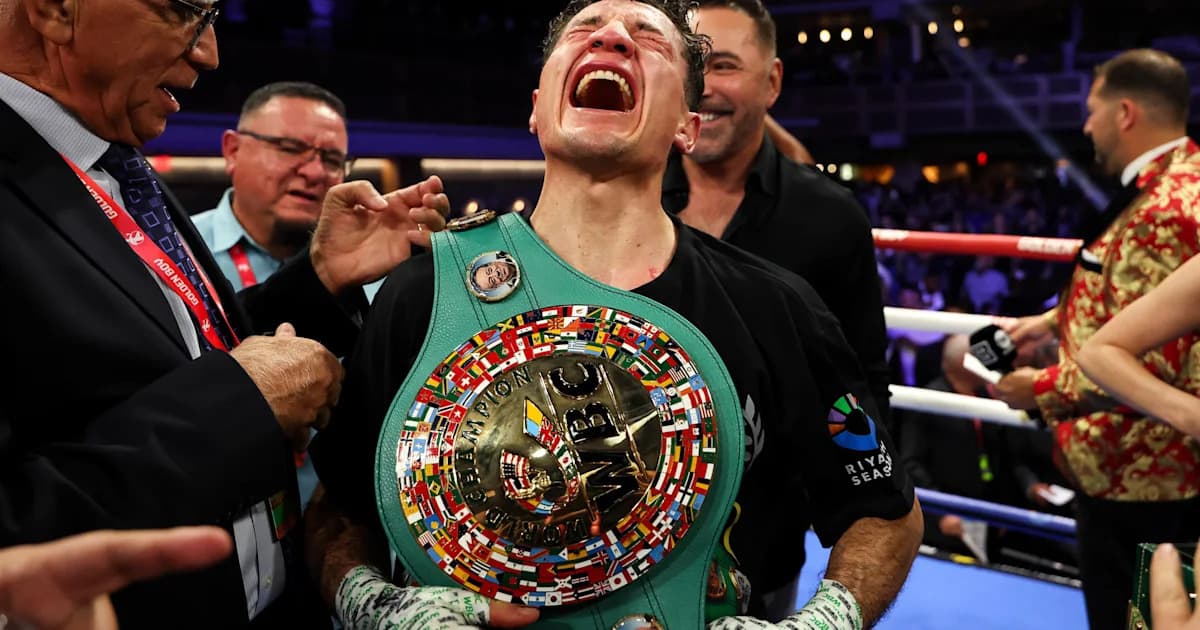
WBC Orders Lightweight Title Unification: William Zepeda vs Jadier Herrera

BCCI Pension List: Monthly Payments to Retired Indian Cricketers in 2025

Why Fury vs Joshua Is Set for Cardiff, and Dua Lipa’s Unexpected Role