
Manchester United 5–2 Ipswich: A Tactical Overview
Old Trafford under late‑summer cloud has rarely felt this curious: a “Match Finished” that reads like a manifesto. Manchester United 5–2 Ipswich is not just a scoreline, it is an early statement about what Michael Carrick wants this team to be in the 2026 Premier League season.
I. The Big Picture – A New Shape for an Old Giant
The league table is still embryonic, but already revealing. Following this result, Manchester United sit 10th with 3 points from 2 matches, their overall goal difference a finely balanced +1, built from 5 goals for and 4 against. At home, though, they look far more imposing: in their single Old Trafford outing they have scored 5 and conceded 2, a home goal difference of +3 and a home goals-for average of 5.0 per game.
Ipswich, back on the big stage, are learning how thin the margins are. They are 12th with 3 points from 2 matches, overall goal difference at -2 (4 scored, 6 conceded). On their travels, that story is starker: 1 away game, 2 scored, 5 conceded, an away goals-against average of 5.0 that underlines how punishing this league can be for a side still stitching itself together.
Both coaches leaned into a mirrored 4‑2‑3‑1, but the identities inside those shapes told different tales. Carrick’s United were built around a bold central axis: S. Lammens in goal; a back four of D. Dalot, H. Maguire, L. Martinez and L. Shaw; a double pivot of Y. Tielemans and K. Mainoo; and a devastating band of three – B. Mbeumo, B. Fernandes and M. Rashford – feeding M. Cunha as the lone forward.
Gary O’Neil’s Ipswich matched the structure but not the control. K. Scherpen anchored a back line of D. O’Shea, I. Diop, J. Greaves and L. Davis. In front, S. Lukic and M. Nunez tried to screen, while the creative burden fell on I. Fatawu, J. Enciso and D. Maeda behind Emersonn.
II. Tactical Voids – Absences that Shape Identity
United’s squad sheet was as notable for who was missing as for who played. C. Baleba (ankle injury), A. Diallo, T. Heaton, M. Mount (foot injury), M. Ugarte (knee injury) and M. de Ligt (back injury) were all ruled out. That cluster of absentees strips depth from every line: de Ligt’s absence forces Maguire–Martinez as the default pairing, Ugarte and Baleba remove a destroyer profile from midfield, while Mount and Diallo rob Carrick of flexible, pressing‑heavy options between the lines.
Ipswich had their own holes: Florentino (inactive), A. Matusiwa, J. Philogene and J. Taylor (knee injury) were all missing. In particular, the absence of Matusiwa and Florentino leaves O’Neil without a true specialist ball‑winner in front of a defence that has already conceded 6 overall, including 5 away.
Discipline is an early subplot. United’s season card data shows yellow cards clustered in two windows: 50.00% between 31–45 minutes and 50.00% in the 91–105 range. It suggests a team that bristles on the cusp of half‑time and at the emotional endgame. Ipswich’s yellows arrive earlier: 66.67% between 31–45 minutes, another 33.33% between 46–60. They tend to boil just as games open up, a risk when trying to press high without a natural holding midfielder.
III. Key Matchups – Hunter vs Shield, Engine Room vs Chaos
The league’s top scorer so far wears red. Bruno Fernandes, already on 3 goals and 1 assist in total this season, is the central figure in United’s attacking tapestry. Across his 2 league appearances he has taken 5 shots, 4 on target, and converted 1 penalty from 1 attempt, a perfect record from the spot so far. He has also completed 151 passes with 6 key passes and 84% accuracy, and even chipped in defensively with 1 tackle, 1 block and 1 interception.
Against Ipswich’s defensive record, Fernandes is the hunter in a forest of uncertainty. Ipswich have conceded 6 overall – 1 at home, 5 away – with an overall goals-against average of 3.0 and an away average of 5.0. Their biggest away defeat, 5–2, came here, and that symmetry with United’s biggest home win (also 5–2) underlines the mismatch: United’s most explosive attacking performance has landed exactly where Ipswich are most fragile.
Around Fernandes, the supporting cast is tailored to exploit those cracks. M. Rashford from the left and B. Mbeumo from the right stretch full-backs, while M. Cunha’s movement between centre-backs drags I. Diop and J. Greaves into uncomfortable channels. Behind them, Y. Tielemans’ passing range and K. Mainoo’s composure give United a platform to sustain waves of attacks rather than play in isolated bursts.
For Ipswich, the “engine room” belongs to S. Lukic and M. Nunez, but the creative spark is higher up. J. Enciso, one of the league’s leading assist providers with 2 assists so far, is Ipswich’s primary conduit between midfield and attack. His 47 passes at 85% accuracy, 2 key passes and 11 dribble attempts (6 successful) show a player willing to carry and create under pressure. Wide of him, I. Fatawu has added 1 assist and 5 key passes, while engaging in 31 duels and 12 dribble attempts, 6 successful – a high‑risk, high‑reward winger profile.
Up front, Emersonn and C. Akpom offer different threats. Emersonn has 1 goal from 3 shots (2 on target), 3 key passes and 2 successful dribbles in total, a blend of penalty‑box presence and link play. Akpom, also with 1 goal in total and 14 duels contested (5 won), is the more physical reference, able to pin centre‑backs and attack crosses late from the bench.
The problem for Ipswich is not whether they can hurt teams – their overall goals-for average of 2.0, both home and away, shows they can. It is whether their shield can hold while the hunters roam. With no clean sheets in total, and 5 conceded on their travels already, every Ipswich attack is shadowed by the fear of what happens when possession is lost.
IV. Statistical Prognosis – Chaos with an Edge
Strip away the noise, and the early-season numbers draw a clear tactical sketch.
United are volatile but devastating at Old Trafford. Overall they average 2.5 goals scored per game and 2.0 conceded, but at home that jumps to 5.0 scored and 2.0 against. They have yet to keep a clean sheet and have failed to score once – away from home – so their matches tilt towards high‑event football. Their penalty record is perfect so far: 1 taken, 1 scored, 0 missed.
Ipswich mirror that chaos at a lower tier of control. They also average 2.0 goals scored per game overall and have not failed to score yet, but concede 3.0 on average. On their travels, the imbalance is brutal: 2.0 scored, 5.0 conceded, no clean sheets.
Overlay the card timing – Ipswich picking up yellows around the 31–60 minute window, United flaring late – and the pattern suggests games that become stretched just before and after half‑time, then emotionally charged in the dying moments.
From a tactical and statistical lens, this looks like a season in which Manchester United will lean into front‑foot, high‑risk football, trusting their attacking structure around Bruno Fernandes to simply outgun opponents, especially at Old Trafford. Ipswich, for all their attacking promise through Enciso, Fatawu, Emersonn and Akpom, will need structural and personnel reinforcements in front of K. Scherpen if they are to turn their admirable bravery into sustainable Premier League survival.
For now, the 5–2 at Old Trafford stands as a vivid illustration: same formation on the chalkboard, very different realities when the whistle blows.
Related News
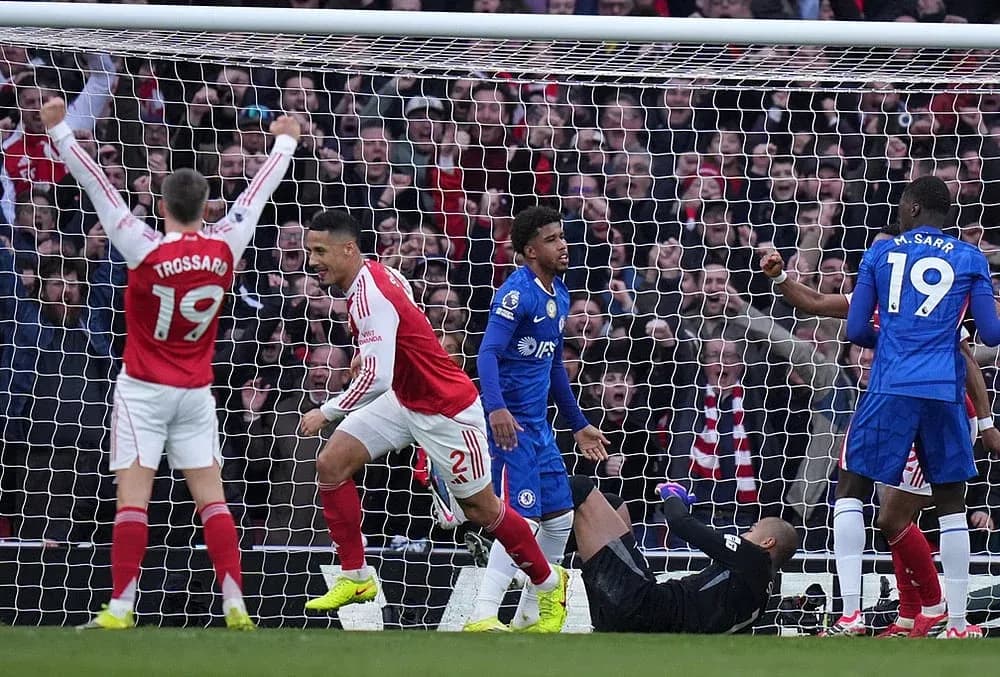
Arsenal vs Chelsea Stats: Head-to-head Record Before September 2026 Match
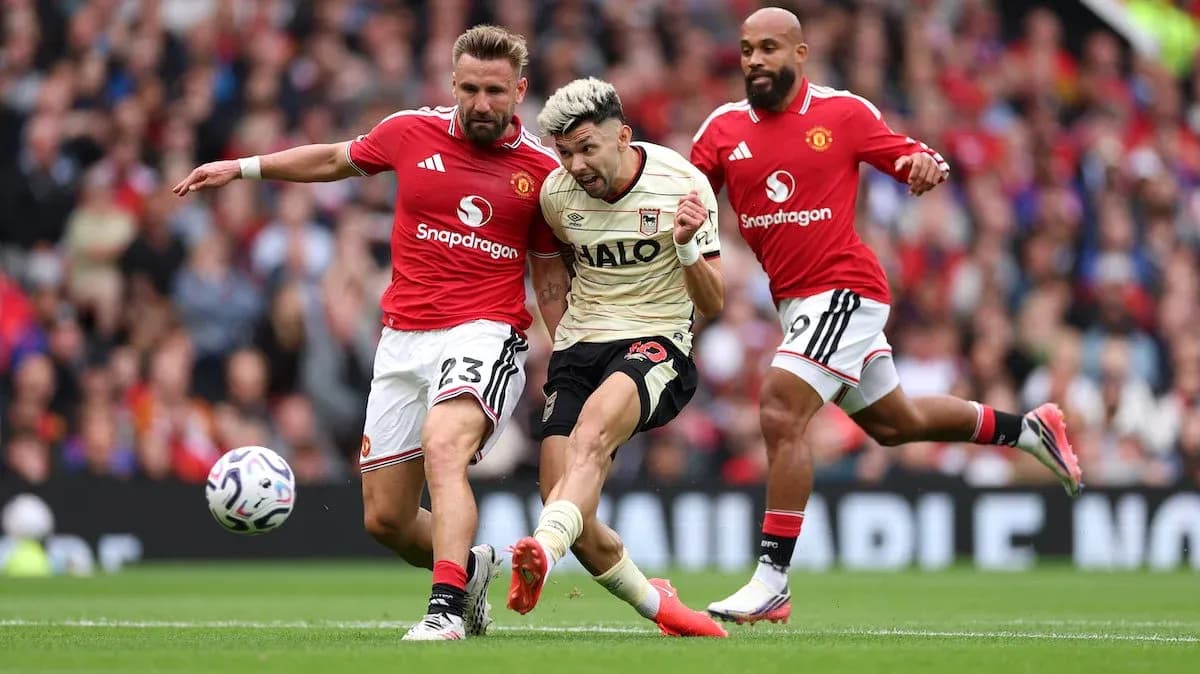
Manchester United 5–2 Ipswich: A Tactical Overview
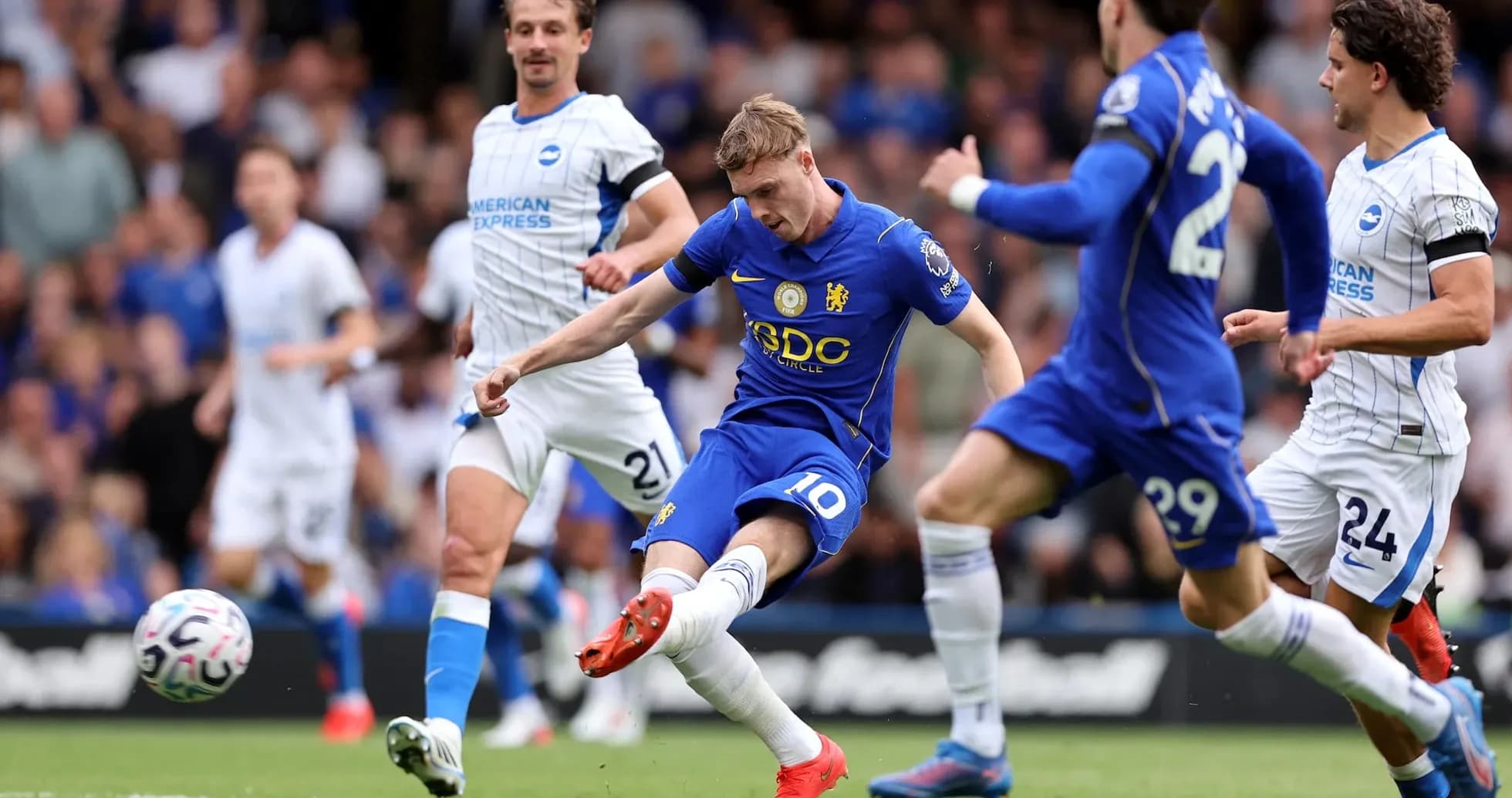
Chelsea Edges Brighton in Thrilling 4-3 Encounter
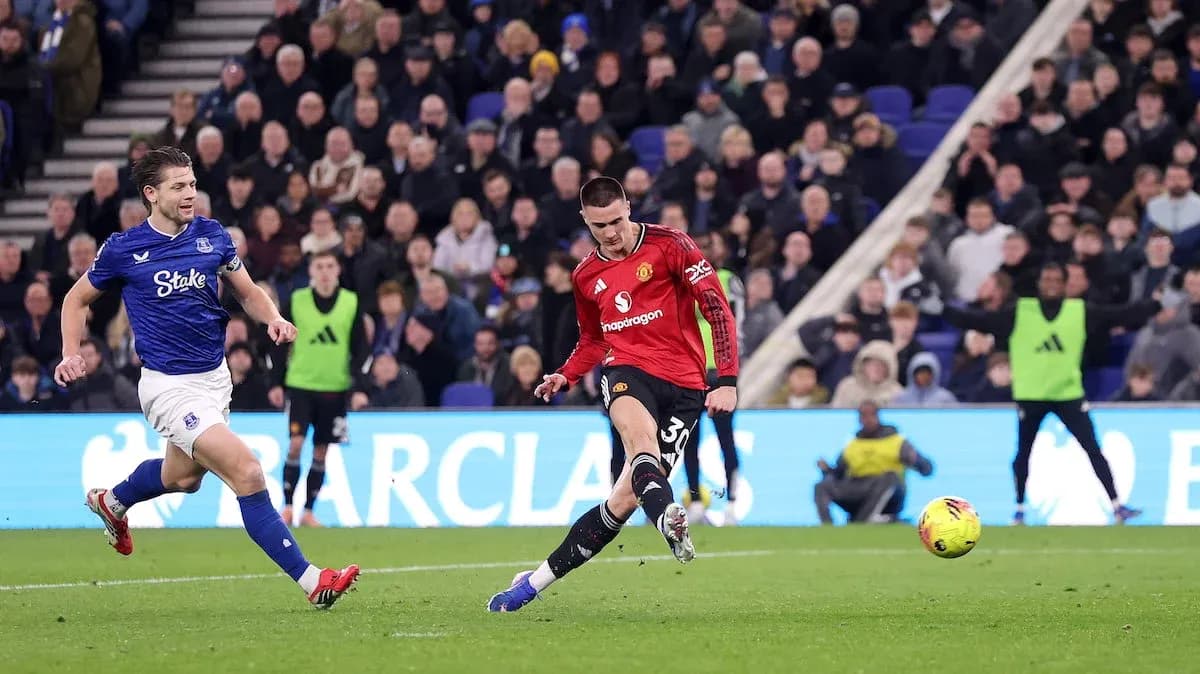
Everton vs Manchester United Stats: Head-to-head Record and Past Meetings
Tottenham's Structural Woes: A Fragile Start to the Season
Nottingham Forest vs Tottenham Stats: Head-to-Head Record Before Match