
Manchester United’s Rasmus Hojlund Regret as Napoli Secures Bargain
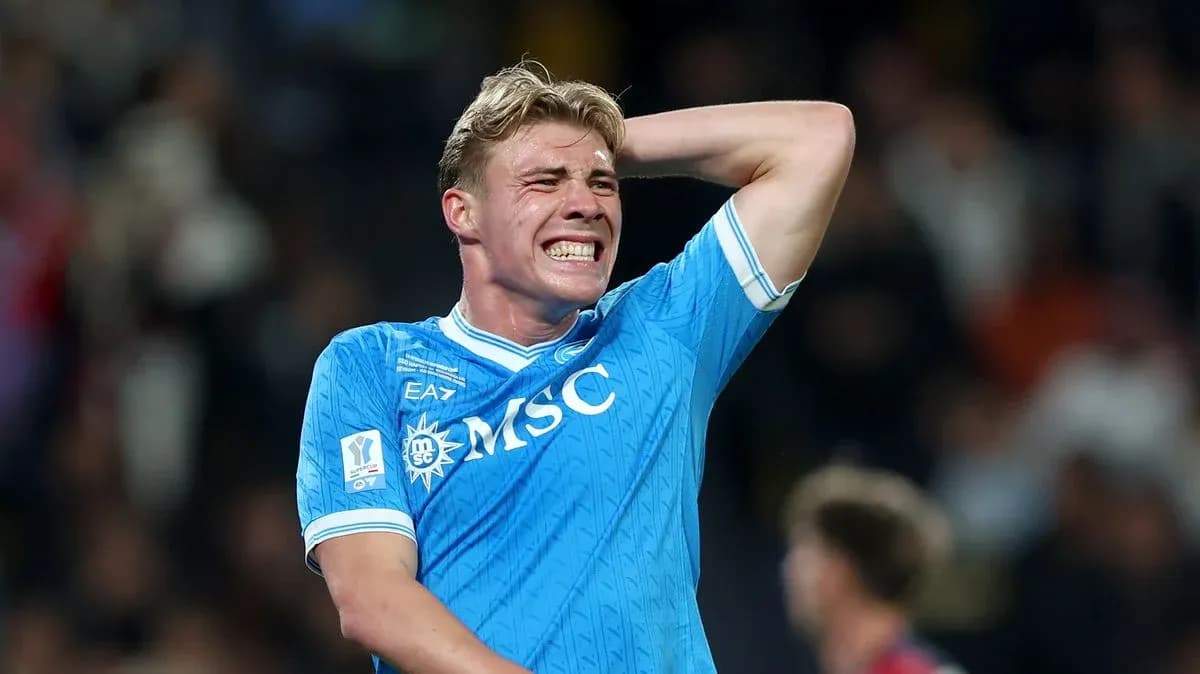
Manchester United thought they were cutting their losses. Napoli might just have pulled off one of the deals of the decade.
Rasmus Hojlund left Old Trafford this summer in a permanent £43.2million move to the Serie A side, the fee locked in after an initial loan with an obligation to buy. At the time, it looked like a clean break for a striker who never truly settled in England. Now, the numbers say United may have sold him more than £60m below his current market value.
From £72m hope to Old Trafford frustration
When United prised Hojlund from Atalanta in 2023 in a deal worth up to £72m, he arrived as the next great centre-forward project: 23 years old, raw, powerful, and quick. The expectation was heavy, the price tag heavier.
His first campaign offered encouragement. Ten Premier League goals in 30 appearances hinted at a player growing into the role, a forward still learning the league but with enough flashes to justify patience.
Then came 2024/25. The entire club collapsed around him.
United slumped to 15th in the table, a dismal season that left few reputations intact. Hojlund’s numbers went with them: just four league goals in 32 games. His strike partner Joshua Zirkzee fared even worse, with two in 24. The attack misfired, confidence drained, and a once-expensive asset began to look like a problem to solve rather than a project to nurture.
Hojlund wanted to stay. He made it clear he was prepared to fight for his place at the “Theatre of Dreams”. The club chose another route.
Napoli gamble – and win
United sent him to Napoli on loan for 2025/26, with an obligation to buy set at £43.2m, dependent on certain conditions. For a player they had signed for up to £72m just two years earlier, it was a sizeable financial hit, but one the club appeared willing to absorb to reset their forward line.
Napoli backed their judgement. The bet paid off.
In Serie A alone, Hojlund delivered 12 goals and six assists, rediscovering the rhythm and confidence that had first persuaded United to invest. The conditions in the deal were met, the obligation kicked in, and Napoli completed the transfer at the pre-agreed price.
From their perspective, it was simple: a productive 23-year-old striker, already adapted to the league, secured for a fee that now looks remarkably low.
CIES valuation twists the knife
The real sting for United arrived with the latest data from the CIES Football Observatory.
Their model currently values Hojlund at around £110m. Not based on sentiment, but on a framework that factors in age, performance, contract situation, economic rights, add-ons and inflation over the past two transfer windows. They also apply a 7.5% band either side of a player’s value when considering what a “fair” fee might look like, depending on the buying club’s financial muscle.
CIES do not take buy-out clauses into account. They deal in what a player should command in an open market. On that basis, Hojlund is now worth roughly £66.8m more than Napoli have just agreed to pay.
For United, it underlines the scale of the financial hit. For Napoli, it confirms what their recruitment department already suspected: they moved early, and they moved well.
A striker still on the rise
Despite his struggles in the Premier League, Hojlund remains in his early 20s. Physically imposing, mobile, and now with a strong Serie A campaign behind him, he has time on his side.
Twelve goals and six assists in Italy last season suggest a forward who thrives in a system that plays to his strengths. If he maintains that output – or improves it – the list of potential suitors will grow quickly. Europe’s elite clubs are always watching for young, high-ceiling strikers, and Napoli now hold a player whose theoretical value is already nudging into triple figures.
United can no longer benefit from that upside. They locked in their exit price a year early and watched his value climb elsewhere.
United’s attacking dilemma deepens
The timing could hardly be worse for INEOS and United’s new football structure.
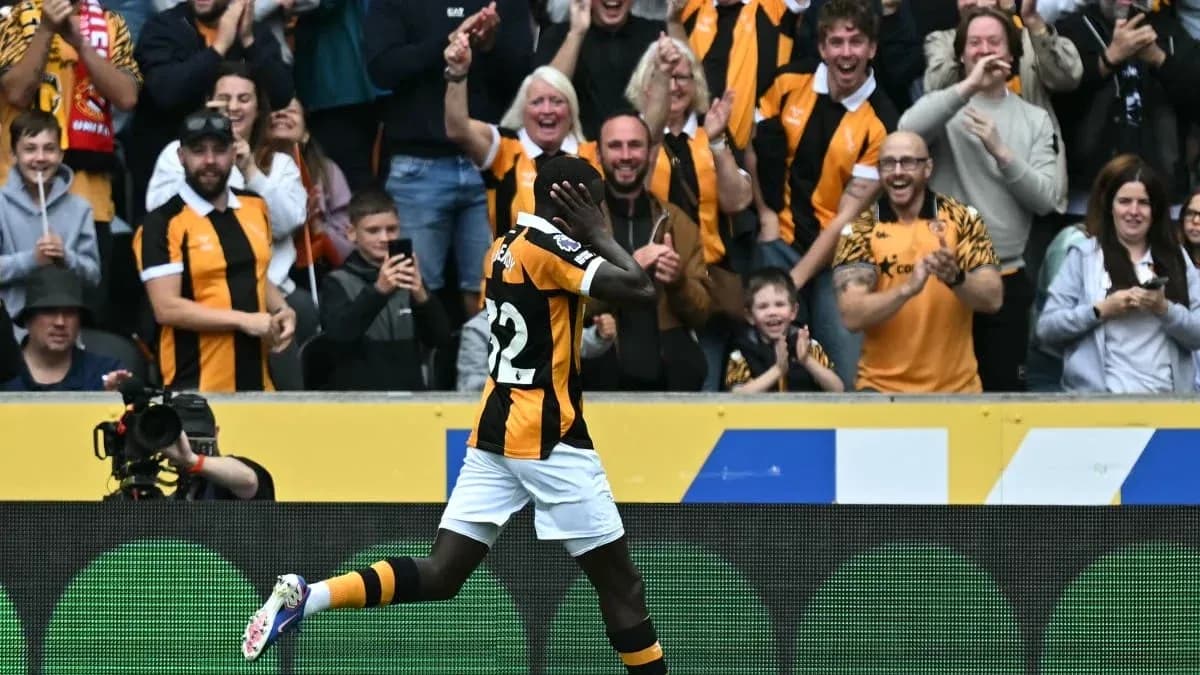
Erik ten Hag’s side – or whoever is ultimately tasked with leading this rebuild – still look short up front. A 2-0 defeat away to newly-promoted Hull City on Saturday underlined the problem. United rarely threatened, lacked punch in the final third, and never looked like a side carrying a reliable goal scorer.
With the transfer deadline looming next month, the club are expected to pursue a new striker, though the priority is also understood to be a central midfielder and a left-back. The funds saved and generated from Hojlund’s departure will form part of that reshaping.
But that is the uncomfortable truth for United: as they scour the market for a forward who can transform their attack, they have just waved goodbye to one who, according to the data, is already worth £110m and climbing.
If Hojlund keeps scoring in Naples, how long before Old Trafford starts asking whether they gave up on him – and on his value – far too soon?
Related News
Liverpool Pursues Yankuba Minteh as Winger Target
Roberto De Zerbi's Tottenham Rebuild: A Troubling Start
Michael Kayode Shines in Brentford's Premier League Victory Over Tottenham
Hull Maul Lifeless United in Carrick's Era Opening
Napoli Sign Benoit Badiashile on Loan from Chelsea
Leeds United's Ambitious Start to Premier League Season