
Manchester United's Shift from Blockbuster Transfers
Manchester United’s new transfer reality is starting to take shape, and it looks very different from the blockbuster days that defined the post-Sir Alex era.
No more scattergun £100million splurges just to make a statement. Not for now, at least.
United move away from the ‘galactico’ era
Since Sir Jim Ratcliffe’s group took charge of football operations, the brief has shifted. United want to step away from the era of marquee signings that made headlines but rarely built coherent teams.
That doesn’t mean they will never go above £100m for a player again. It does mean Paul Pogba’s £89m record from 2016 looks safe for a while yet.
This summer was never set up to be a window of one giant signing. The squad needs were too broad, the surgery too extensive. A full midfield refresh, plus work still to do in other areas, made a single mega-deal illogical.
History tells its own story. United usually go big in the market when they’ve missed out on the Champions League, throwing money at the problem to force their way back in. With a top-three finish secured last season, the urgency – and the budget – naturally eased off. The £225m spend of last summer was always unlikely to be repeated.
This is a leaner, more calculated United. At least, that’s the plan.
The left-back question that won’t go away
One issue, though, simply refuses to quieten down.
When are United signing a left-back?
It’s the blunt question fans keep asking, and with good reason. The club’s approach to the position has felt hesitant. Lewis Hall was a name many wanted United to test seriously. Whether the Newcastle defender would have pushed for a move is unknown, but United never truly pressed the issue. That lack of aggression has not gone unnoticed.
The stance from inside the club is clear enough: they want a left-back, but only at the right price. The signing of Carlos Baleba this week underlined a wider point. United’s hierarchy are prepared to walk away from deals they don’t believe represent value, just as they did with Baleba last summer before finally landing him on their terms now.
Supporters, though, look at Luke Shaw’s injury history and worry. Yes, he stayed fit last season, but with a congested calendar ahead, relying on him without proper cover looks reckless. Harry Amass is highly rated, but he is not yet at the level required to be Shaw’s deputy in a season of high stakes.
The club’s work will not be “undone” if a left-back doesn’t arrive, but the risk level rises sharply. They really do need one in before the window shuts. The current lack of urgency is hard to ignore.
Mainoo, Baleba and the shape of United’s midfield
The other big debate this week has centred on the middle of the pitch.
Is Kobbie Mainoo being blocked? Why bring in Baleba if Mainoo is the future?
The premise doesn’t quite hold. Mainoo and Baleba are very different profiles, and there is every chance they end up forming a partnership rather than competing for the same patch of grass.
As for Mainoo’s minutes, the situation is more straightforward than some fear. He only returned to pre-season less than three weeks ago. He was never a realistic candidate to start the opening-day defeat at Hull. Instead, he came off the bench midway through the second half at the MKM Stadium, a gentle reintroduction rather than a snub.
From here, he’s in contention. The coaching staff view him as both the present and the future of United’s midfield. He will play. A lot.
Baleba’s arrival shouldn’t be seen as a threat to that, but as reinforcement for a department that has been crying out for legs, balance and depth. A season is long. United cannot hang everything on one 19-year-old, however gifted.
Depth up front, decisions at the back
One fan suggestion this week summed up the mood: secure a left-back, then look at Jean-Philippe Mateta as an experienced backup for Benjamin Sesko.
The logic is understandable. Sesko is the headline act, but the season will demand rotation and reliable depth. Mateta offers Premier League experience and a different profile. Whether United move for him is another question entirely, but it’s the type of targeted, role-specific thinking the new regime claim to favour.
The more immediate priority, though, remains that left side of defence. With the window ticking down, United’s new era of restraint and value-based deals is about to be tested in the most traditional way possible.
Do they hold their nerve on price, or blink because the squad can’t afford another hole?
Related News
Tottenham's Ambitious Summer Rebuild: De Zerbi's Perspective
Manchester United's Left-Back Search: Chelsea Players in Focus
Liverpool Seek First Win Against Nottingham Forest at Anfield
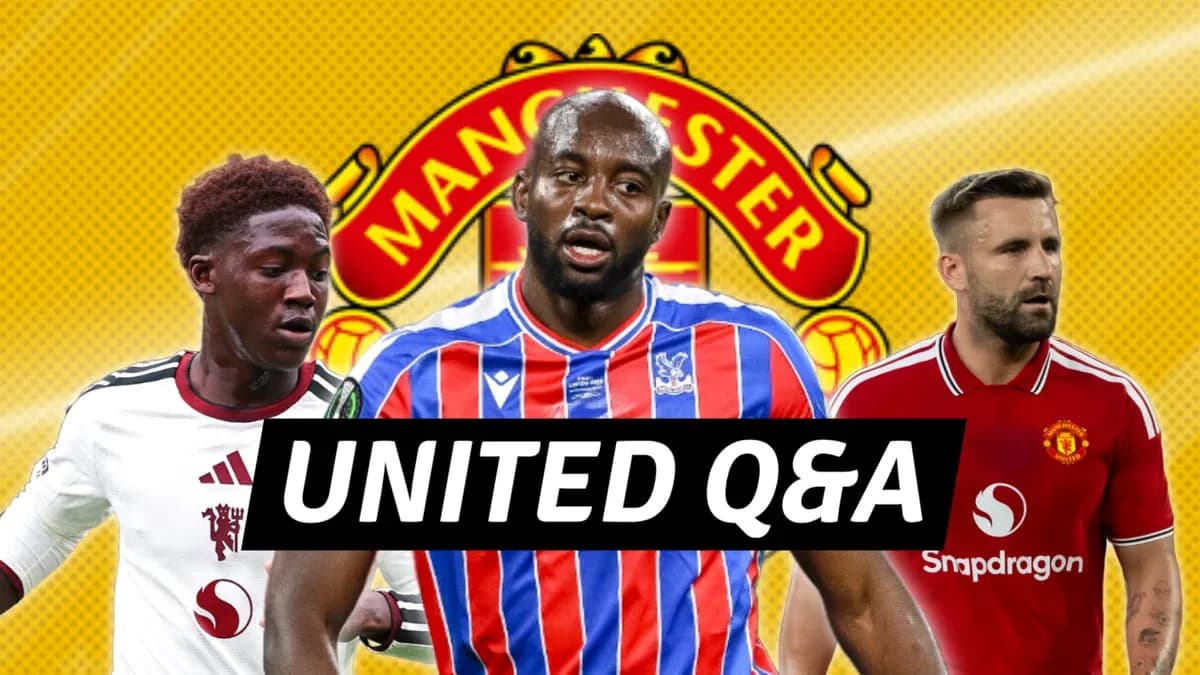
Manchester United's Shift from Blockbuster Transfers
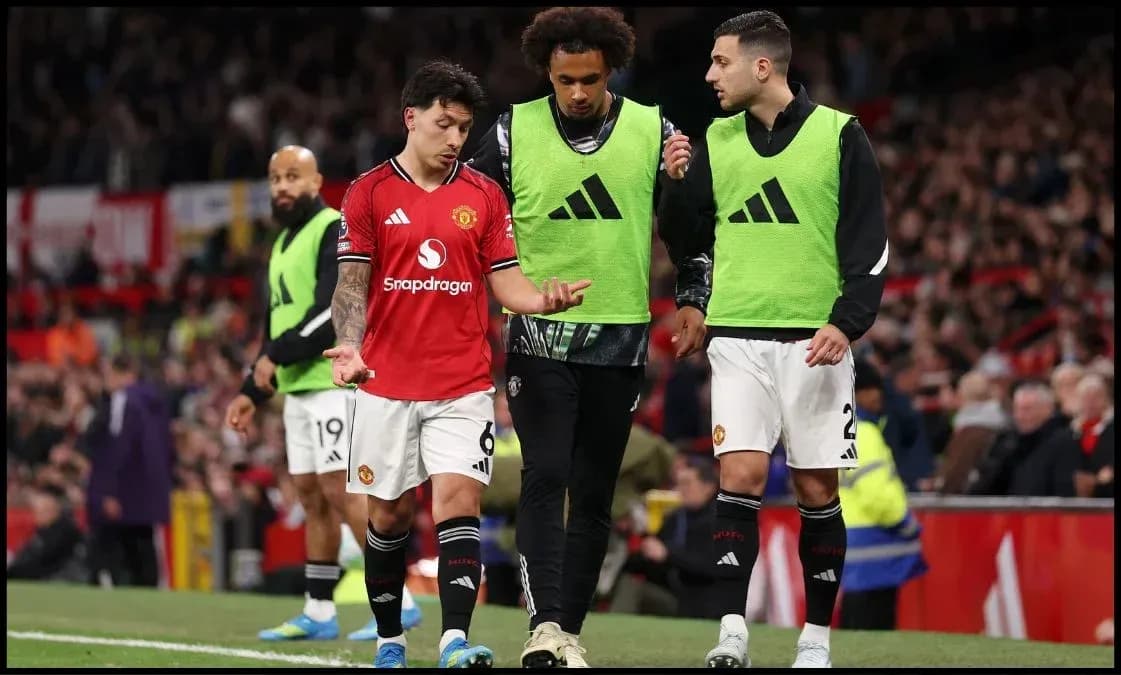
Joshua Zirkzee Set for Fiorentina Move as United Faces Dilemma
Newcastle Triumphs in Five-Goal EFL Cup Thriller