
Manchester United's Transfer Window: A Shift in Strategy
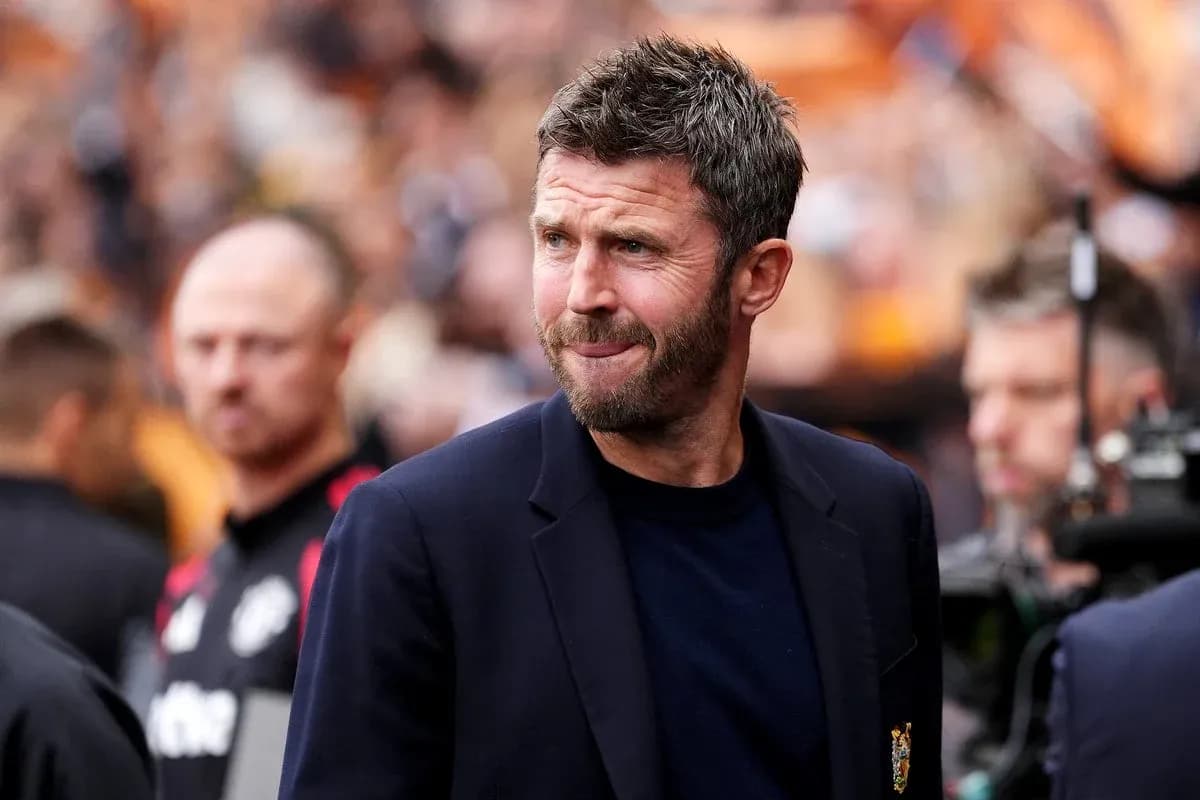
Manchester United used to dominate the transfer window as reliably as they once dominated title races. This summer, under Michael Carrick, they topped a very different table – the only one he really cares about. Since his appointment in January, no club has taken more Premier League points.
In the market, though, United have slipped into unfamiliar territory.
United fall out of the big-spenders club
When the window shut, the numbers told a stark story. According to Transfermarkt, United sat in the bottom half of the Premier League spending table. They committed £148m, potentially rising to £155m, and every penny of that went on midfielders. No senior striker. No senior defender. No extra left-back.
Around them, the usual heavyweights spent like heavyweights. Manchester City surged past £400m. Chelsea and Tottenham both cleared £300m. Newcastle, Aston Villa, Liverpool and Arsenal all went north of £200m. Promoted Ipswich and Hull outspent United. The club that once treated every summer as an arms race suddenly looked… restrained.
Is this austerity, Old Trafford style?
Carrick was never likely to turn his fire on his employers. He chose his words carefully, but the gaps in the squad told their own story.
“Certainly, the players that we've brought into the group, I'm absolutely delighted with,” he said. “I think we've done some really good business there for the quality and the level of player that we've got. You can always look at it, and there's other things you can do or possibly could have done.”
The message was clear enough. He likes what he has. He also knows what he hasn’t.
United went into the season without the extra left-back almost everyone agreed they needed. They did not add the striker many supporters craved. On deadline day they were offered Rayan Ait-Nouri on loan. They were never realistically in a position to buy Lewis Hall, even if Newcastle had been willing to sell. This was not a summer of chasing every shiny object.
A market United couldn’t control
A familiar problem sat at the heart of it: United’s chronic inability to sell.
Some of that was bad luck. Manuel Ugarte’s World Cup injury wrecked any chance of cashing in on him. At the start of the summer, United could have imagined bringing in serious money for Ugarte, Andre Onana and Joshua Zirkzee. Instead, Zirkzee stayed at Old Trafford and Onana went back to Trabzonspor on loan.
They may yet be thankful Barcelona did not exercise their option to buy Marcus Rashford. The proposed £26m fee already looks a relic from another era, and Rashford, unlike some of the others, still has the quality to nail down a starting place. But the broader picture is brutal: the windfall United expected never arrived.
Where they might have pencilled in an extra £50m, perhaps even £100m, only one meaningful fee materialised – the money from the Rasmus Hojlund deal with Napoli, arranged back in 2025. Strip that out and only Coventry made less from player sales. On net spend, United rise up the charts, largely because others – Villa and Chelsea among them – actually turned a profit, and Newcastle flirted with doing the same.
United, by contrast, barely traded at all. In an era when smart clubs buy and sell relentlessly, they looked like an outlier.
Paying today for yesterday’s mistakes
The market moved, and United were left blinking in the glare. Transfer fees for midfielders spiked to absurd levels. Players they admired, such as Elliot Anderson and Mateus Fernandes, started changing hands for sums that would once have been reserved for elite stars. United could not keep pace.
This was not just about Financial Fair Play or a sudden attack of prudence. It was about the bill for past mistakes finally landing.
Big losses on signings like Antony and Casemiro have left their mark. Even last summer, when Senne Lammens looked a bargain, questions remained over the value in the £200m attacking trio of Bryan Mbeumo, Mateus Cunha and Benjamin Sesko. Did United overpay again? The club’s annual accounts routinely list the millions still owed to other clubs in outstanding transfer fees. The debt never really goes away.
Then there is the Glazer-era burden that never leaves the balance sheet: annual interest payments on the loans that bought the club in the first place. Money that could have gone on full-backs and forwards instead vanishes into the cost of ownership.
Ruben Amorim’s brief and costly reign added another layer of strain. United paid Sporting CP €11m in compensation to prise him away. They then had to keep paying the Portuguese coach after sacking him. The on-pitch damage was just as severe. A 15th-place finish in the Premier League in 2025 slashed prize money. A season of only 40 matches – with a Carabao Cup exit to Grimsby under Amorim and an FA Cup defeat to Brighton under Darren Fletcher – left commercial and matchday revenues well down.
When the accounts tightened, the transfer strategy followed.
A budget rebuild, not a galáctico spree
So this was a different kind of rebuild, one conducted with a calculator never far from reach.
Youri Tielemans arrived via a £35m release clause, a neat piece of business when you consider he cost £90m less than Enzo Fernandez. Andrey Santos came in £77m cheaper than his former Chelsea teammate, even if he spent much of his time at Stamford Bridge watching from the bench while Fernandez started.
Carlos Baleba, at an initial £65m, was the priciest of the trio. Yet even he only ranked as the 10th biggest signing by a Premier League club this summer. For United, that alone felt symbolic. Once they set the market. Now they shop within it.
Carrick, for his part, has the table that matters most: top spot in the form guide since he took charge. The question is whether this leaner, more constrained version of Manchester United can stay there without the transfer muscle that once defined them.
Related News
Arsenal Aims for WSL Title Amid Chelsea's Challenge
Sunderland Fans Split on Brentford Trip Predictions
Kobbie Mainoo Shines in Manchester United's 5-2 Victory
Liverpool's Transfer Window Under Andoni Iraola: Expectations and Challenges
Son Heung-min's Move to LAFC: From Reluctance to Embracing MLS
Alexander Isak Shines with Brace in Liverpool Victory