
Marc Skinner’s Departure and Manchester United Women’s Struggles
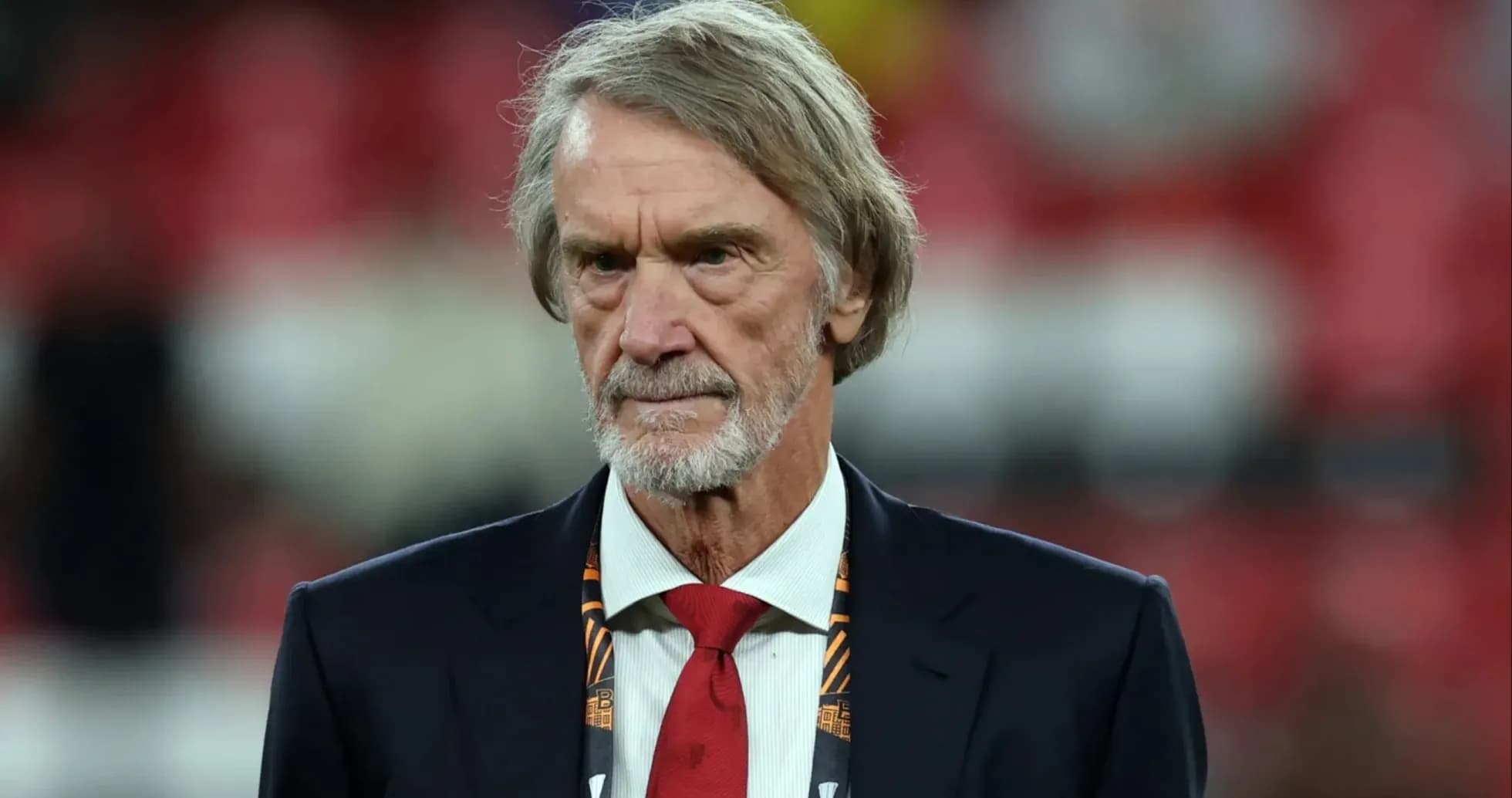
Marc Skinner did not just walk away from Manchester United Women. His departure, a month before the new WSL season, landed like a flare in the night sky, lighting up a truth many around the club have long suspected: under Sir Jim Ratcliffe and INEOS, the women’s team sits firmly in the shadows.
talkSPORT’s women’s football correspondent Angelina Kelly did not dress it up. For her, this is not a story about a manager losing his way. It is about an ownership that either believes it has outsmarted the rest of the league – or simply does not care enough to compete.
A Turbulent Tenure, An Overachiever Walks
Skinner’s time at Old Trafford was never smooth, but it was rarely dull. Kelly put the shock factor of his exit at “50-50” – surprising, but not inexplicable.
On the pitch, the numbers tell one story. With a budget miles behind Arsenal, Chelsea and Manchester City, Skinner still delivered United Women’s first major trophy, the FA Cup. He took them to finishes of fourth, third, fifth, second and fourth. He dragged them into the Champions League for the first time in their history. Four domestic cup finals, one trophy. The others? All lost to Chelsea, 6-0 on aggregate.
For a club still new to the elite women’s game, that is not failure. It is overachievement.
But the mood in the stands told another tale. “The fans weren’t his biggest fan,” Kelly said. Decisions frustrated people. Performances in big moments left scars. United reached big stages, then repeatedly ran into the same blue wall.
Even so, Skinner remained widely respected inside the game. Ex-professionals speak highly of him. Kelly describes him as polite, respectful, and well-regarded. This is not a coach pushed out because he could not cope. This is a coach who looked up, looked around, and saw a club unwilling to match his ambition.
Last season exposed the cracks: shallow squad depth, a lack of genuine stars for the biggest occasions, key players sold, and not enough quality coming in. This summer, those cracks have widened. More departures. Even less depth.
“He’s looking at it and thinking, I’m not going to be able to do anything with this team,” Kelly explained. For a manager conscious of his reputation, staying to front a project that is not being backed starts to look less like loyalty and more like self-sabotage.
The comparison she drew was telling. Skinner’s situation, she said, feels “kind of similar to the Eddie Howe situation” – a manager respected in his own right, but left to operate under owners who simply will not back him at the level required. With one key difference: Newcastle could not spend. Manchester United Women, Kelly argued, will not.
Ratcliffe’s Words, Ratcliffe’s Blind Spot
The backdrop to all of this is ownership. Before Ratcliffe’s arrival, there were signs United were starting to move with the market. Alessia Russo and Ona Batlle left on free transfers, which stung, but the club did at least pay a then-record fee for Brazilian forward Geyse and brought in Melvine Malard, Hinata Miyazawa and Irene Guerrero.
Then Ratcliffe came in. And the tone changed.
He has already faced a backlash for comments about the women’s side, and his visit to the training ground last year became a symbol of the problem. Meeting then-captain Katie Zelem, he reportedly had to ask what her role was at the club. For a billionaire owner of Manchester United, not knowing the captain of your women’s team is not just a bad look. It is a message.
“It's going to come across as a bit disrespectful,” Kelly said bluntly.
Peterborough United chairman Darragh MacAnthony, speaking on talkSPORT, offered the familiar defence: the men’s team brings in the “mass amount of revenue.” That is true. It is also beside the point.
Across the league, other owners have already decided this is not just about immediate profit. Arsenal, Chelsea, Brighton – clubs with men’s and women’s sides – are pumping money into their women’s teams without expecting to cash out overnight.
Kelly pointed to Brighton’s Tony Bloom. Smart businessman. Shrewd operator. And yet, he is investing heavily in Brighton Women, including a stadium in Brighton designed specifically for the women’s side. Not a training pitch. A stadium.
Other clubs see the women’s game as a long-term investment. United, she argued, are treating it as a cost centre.
United Step Back While Rivals Accelerate
The market this summer has underlined the split. United’s rivals are not just spending – they are making statements.
Lyon defender Alice Sombath has joined Tottenham. London City Lionesses, who finished sixth last season in the Championship, have gone out and signed a two-time Ballon d’Or winner in Alexia Putellas. That is an extraordinary move from a club outside the WSL’s traditional power base.
Manchester United’s headline move? Selling Malard to Chelsea for £850,000 and leaning into a new strategy: build around homegrown youth.
On paper, it sounds romantic. A clear identity. A pathway. An academy-led project. In practice, Kelly sees a different reality.
Sources, she said, claim the club now believes spending in the women’s academy is “not sustainable.” The solution? Push sustainability and homegrown players as the core of the project, supposedly in line with United’s historic identity of developing youth.
When asked if “homegrown” is simply code for doing things on the cheap, Kelly did not hide her scepticism.
If you want to attract and develop young talent, you need something to show them. Right now, she argued, United have very little to put on the table for the new season.
There is quality in the spine. A top-class goalkeeper. Maya Le Tissier, a commanding, modern centre-back and captain. Ella Toone, the club’s standout star and a face of the England national team. Jess Park, bright and inventive after arriving from Manchester City.
Beyond that? Very little to convince anyone that this is a project being built to win.
Meanwhile, London City Lionesses – a second-tier side – are throwing their weight behind a marquee name like Putellas. That contrast cuts deep.
“So the thing is,” Kelly said, “either Sir Jim Ratcliffe is going down this sustainable route…and he believes he is smarter than the Arsenal owners, than Tony Bloom, than Michelle Kang, etc. He genuinely believes he's onto something, or perhaps this is a situation where they realise that they don't want to put the money into it.”
In her view, it looks far more like the latter. “It’s not viable in Jim Ratcliffe’s mind at the moment, and he just wants to cast it to the side.”
A Broken Pathway, An Unclear Plan
This is not a club with a deep-rooted women’s structure. The senior women’s side has only existed since 2018. Before that, the pathway simply stopped. Young girls in the United system reached a ceiling and were told, effectively, “see you later.”
Even Ella Toone, the current star of the side, had to leave to play. As a youngster, she turned out for Blackburn and Manchester City because there was no senior pathway at Old Trafford.
That history matters. You cannot talk about a seamless academy-to-first-team model when, for years, there was no first team to aspire to. You cannot sell a vision of homegrown excellence if the infrastructure is still being built while rivals are already sprinting ahead.
“I just struggle to understand what the plan is at Manchester United,” Kelly admitted. She is not alone.
To compete with Arsenal, Chelsea and the emerging forces across Europe, United Women do not need a war chest that mirrors the men’s side. They are not asking for that. Kelly estimated that around £10 million would make a transformative difference – a figure she pointedly compared to the annual salary of Mason Mount.
Less than one player’s wages in the men’s squad. Enough to turn United Women from plucky chasers into serious contenders.
This is not fantasy spending. It is the going rate for ambition.
Risking a Generation of Fans
There is another cost here, one that does not show up on a balance sheet. The fanbase.
The modern supporter, especially in the women’s game, is often drawn to players as much as clubs. When Alessia Russo left United for Arsenal, some fans followed her. That is the reality. Stars move. Allegiances shift.
If United will not invest in big players, if they will not put on a show, they risk becoming a stepping stone rather than a destination. You can talk about identity and sustainability all you like, but if the product on the pitch is a thin squad with a handful of standouts and little else, the energy around the club will fade.
“You still need to be bringing in big players,” Kelly argued. “You still need to be putting on a little bit of a show.” Right now, United look dangerously close to shrinking their ambitions to fit their budget, instead of raising their budget to match their potential.
Skinner saw that landscape and walked away. The question now is not whether he was right to go. The question is whether Manchester United Women are being quietly left to drift while the men’s rebuild dominates the agenda – and how long it will be before the club discovers that the real cost of neglect is not measured in transfer fees, but in the talent and supporters they can no longer keep.
Related News
Carlos Alcaraz Urges an End to Matches Ending in the Early Hours
Carlos Alcaraz Criticizes Late US Open Finish After 3:30 a.m. Match
Jannik Sinner Set for ATP 500 Return in Beijing with Novak Djokovic Also Competing

Meet Iva Jovic: The American Tennis Prospect Making Waves
Flavio Cobolli Shares Insights on Practice Session with Jannik Sinner Ahead of Comeback

Till vs Romero: Fight Details, Undercard, and Viewing Info for This Weekend