
Mexico’s World Cup Journey Brings Hope and Celebration to Southern California
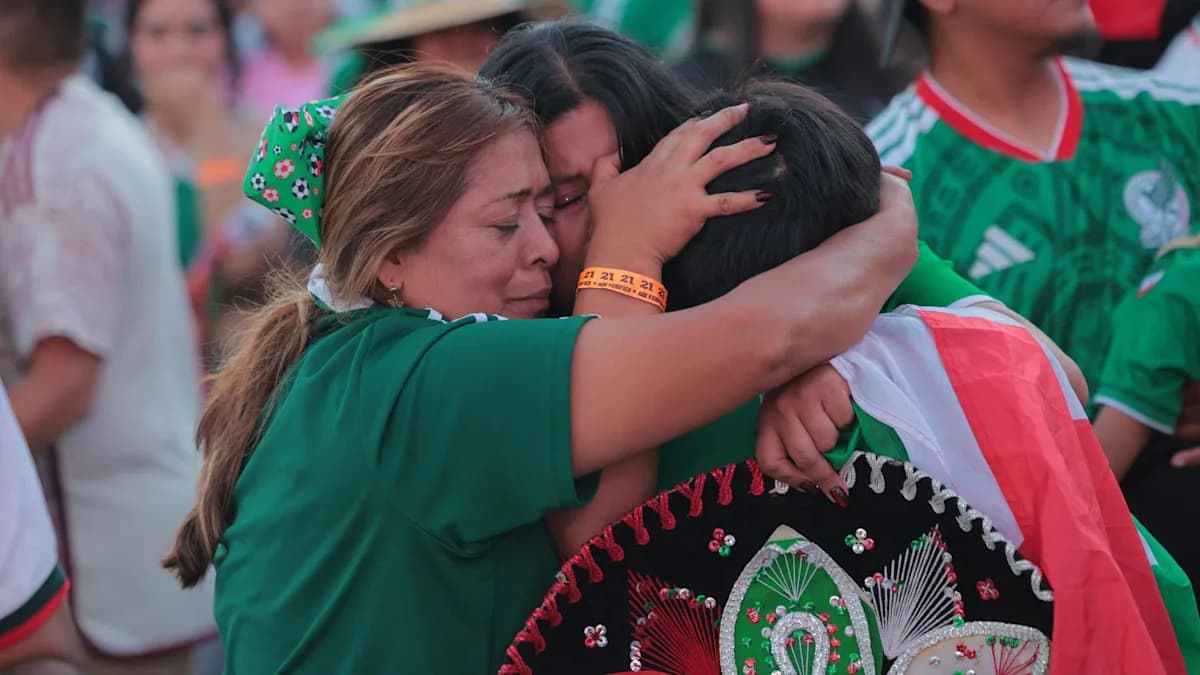
The local Santa Ana bistro is packed, alive with cheers and Mexican flags waving. Though Mexico’s team fell to England 3-2 in the last 16 at Azteca Stadium, the mood here tells a different story. The crowd sings Cielito Lindo, voices rising despite the sting of defeat. Louie Leyla, a Mexican-American who has called California home since 1990, says, “This is sad, but we keep rooting for our people no matter what.”
A Community United Beyond the Scoreline
In Southern California, where one of the largest Mexican communities outside Mexico thrives, the World Cup became a source of joy and unity. Alicia Rojas calls the result “a loss,” yet insists it feels like a win for her Santa Ana community. Nearby, Cynthia Rebolledo’s young son, decked out in Mexican colors, keeps asking if the parade is still on. He’s been cheering for Mexico—and his community.
More Than Just Football
Music fills the room as fans dance, clutching flags. Leigh Slater reflects, “Football mirrors life. You win, you lose. But this World Cup showed the unbreakable spirit of immigrants here.” For weeks, Mexican supporters have been some of the most visible fans, their bright green shirts, flags, and chants lighting up stadiums across the U.S. and Mexico.
Joy Amid Past Hardship
This scene contrasts sharply with the tense atmosphere just a year ago. Latino neighborhoods faced heavy immigration raids, causing businesses to lose customers and families to stay indoors, fearful of public gatherings. Gustavo Arellano, Los Angeles Times columnist, recalls how downtown Santa Ana was deserted during those times. “These streets were empty unless you were protesting,” he says. National Guard vehicles were stationed blocks from his wife’s shop as raids hit hard.
A Year of Change, A Moment of Relief
Fast forward a year, and the celebration feels like catharsis for Mexicans and Latinos alike. Hosting part of the World Cup and Mexico’s advancement to the knockout rounds offered a rare chance to celebrate identity openly—something that had been clouded by anxiety and uncertainty. Supporters once wary of expressing pride now sing the national anthem, wave flags, and wear El Tri jerseys in crowded fan zones filled with families.
Embracing Dual Identity
Arellano notes that Mexican fans used to be criticized for showing their flags during the anti-immigration politics of the 1990s. Today, as America grows more diverse, this expression of cultural pride is more accepted. Despite hopes for an upset, he admits, “The cynic in me says Mexico always comes close but doesn’t beat the elite. Still, we never give up. I’m proud they fought until the very end.”
Celebrating Two Homes
As the U.S. marks its 250th anniversary amidst debates on immigration and identity, diaspora communities have passionately supported teams from around the world. For many Mexican-Americans, the tournament became a celebration of two homes they cherish. At a time described by Arellano as difficult for Latino communities, the World Cup brought something missing for many: joy.
Related News
FIFA Opens New Football Arenas in Palestine to Support Youth in the West Bank

FIFA World Cup 2026: Complete List of Commentators and Presenters
World Cup 2026 Best XI: Messi, Rodri, Mbappe Lead the Team of the Tournament
Spain's Tactical Mastery Secures Second World Cup Victory in 2026
Top 10 Players of the 2026 World Cup: Mbappe or Messi at the Summit?
Gianni Infantino Responds to Critics Amid 2026 World Cup Celebrations