
Morgan Rogers' Chelsea Move: Expectations and Challenges Ahead
Morgan Rogers has the London spotlight now. The price tag alone guarantees that.
Chelsea’s new £117 million signing walked through the doors at Stamford Bridge last month as the most expensive British footballer in history, and wasted no time raising the temperature. Calling Chelsea “the biggest club in London” at his unveiling was always going to be heard up the road at Arsenal, especially after months of noise that Mikel Arteta had marked him down as a priority target. Rogers doubled down by labelling Chelsea the “perfect” fit for his game.
On paper, though, Arsenal would have been the safer bet.
Leaving an Aston Villa side on a sharp upward curve and heading into the Champions League for the Premier League champions? That’s a logical step. Instead, Rogers has walked into another reboot at Chelsea under the BlueCo regime, this one fronted by Xabi Alonso and stripped of European football altogether.
The lighter schedule might help a squad still nursing the scars of last season’s 10th-place finish, but Alonso is not a magician. The loss of Marc Cucurella to Real Madrid cuts deep, and the lingering possibility that Enzo Fernandez could follow him out of the door would rip a huge hole straight through the midfield.
This is not a calm, controlled environment for a 23-year-old record signing to grow in. And the tactical picture is murky. Alonso must work out how to fit Rogers and Cole Palmer into the same side without clogging the central channels. Rogers is at his best as a No.10, receiving between the lines and driving at backpedalling defenders. If Alonso chooses to build around Palmer, Rogers will be shunted wide, where his influence is likely to shrink compared to his Aston Villa role.
The stylistic shift is just as stark. At Villa, Unai Emery turned Rogers into a devastating counter-attacking outlet, attacking space, punishing broken play. At Chelsea, Alonso will demand longer spells of possession and control against packed defences. Less grass to run into, more bodies in front of him. That is where his creativity risks being strangled.
Then there is the weight of that fee. £117m changes expectations overnight. Rogers will be judged from his first touch, his first dip in form, his first quiet month. He is an excellent talent, but he is not the kind of singular, era-defining signing who instantly drags Chelsea back into the title conversation. If anything, he walks into a club still trying to work out what it wants to be.
Carrick boxed in by a thin Manchester United squad
Michael Carrick did his part. Third place in the Premier League, Champions League football secured, and a sense that Manchester United had finally found a steady hand after years of turbulence. That should have been the platform for a serious summer.
Instead, INEOS have tightened the tap.
Just £75m has gone on new faces: Andrey Santos from Chelsea, Youri Tielemans from Aston Villa. Useful players, but nowhere near enough for a squad that has to handle a top-four push and a Champions League campaign.
United are short. Everywhere that matters.
Casemiro’s departure leaves a crater in midfield. Mason Mount still cannot string together a sustained run of games. Manuel Ugarte is only just working his way back from an ACL injury. Behind them, the defensive options thin out alarmingly once you scratch the surface. Up front, the picture is even more fragile: if Joshua Zirkzee completes his expected move to Serie A, Benjamin Sesko could be left as the only natural No.9.
That is a brutal way to enter a three-games-a-week season.
A slow start is not just possible; it feels likely. Confidence, so brittle at Old Trafford in recent years, could drain quickly, and Carrick would find himself fighting for his job before Christmas. His early run – 12 wins from 17 – owed much to individual brilliance and a hard shell out of possession. United still struggled to build from the back, still looked conservative and uncertain with the ball.
That model rarely survives the grind of a full season, let alone one stretched across domestic and European fronts. If the campaign is already listing badly by early December, the pressure on INEOS to act will be ferocious. Another sacking, another reset, and a fourth head coach in less than three years would underline just how chaotic this new era has been.
Arsenal step into the power vacuum
While rivals stumble, Arsenal finally look ready to stride.
The 2025-26 title was not just a trophy; it was an exorcism. After three straight seasons of finishing runners-up, Arteta’s side held their nerve and finished seven points clear of Manchester City, burying the narrative of late-season collapse. That breakthrough alone makes them favourites to retain the crown, but the landscape around them tilts the odds even further.
Liverpool’s defence looks stretched to breaking point. Manchester United lack depth for the schedule ahead. Aston Villa have tightened their spending. Chelsea and Tottenham are both locked into transition. Strip it all back and only City appear capable of mounting a serious challenge.
Even there, the ground is shifting.
Pep Guardiola has gone. So have Bernardo Silva and John Stones, pillars of City’s dominance. Most damaging of all, Rodri – the 2024 Ballon d’Or winner and the team’s heartbeat – has left for Barcelona in a £65m deal. He was the metronome and the shield, the leader who stitched together every phase of play.
City have responded with a huge outlay on Elliot Anderson, a £116m investment in the next iteration of their midfield. But this is a club walking into a transitional phase, and those periods are rarely smooth. Arsenal have already shown the gap in readiness, dismantling City 3-0 in the Community Shield and leaving Enzo Maresca with a long list of problems to solve.
Arteta, by contrast, has the most settled and complete squad in the division. And he has just added more steel and drive in midfield by bringing in Bruno Guimaraes from Newcastle, an all-action Brazilian who fits perfectly into Arsenal’s high-intensity, high-control blueprint.
Unless they implode or suffer an injury crisis on a scale the league has rarely seen, the Premier League trophy looks set to remain at the Emirates in 2027.
Arbeloa walks into a storm at Fulham
Down by the Thames, Fulham have taken a wild swing.
Marco Silva walked away in June after five hugely impressive years, choosing to return to Portugal and take over at Benfica. That vacancy only existed because Jose Mourinho went back to Real Madrid, where Alvaro Arbeloa’s turbulent six-month spell had just come to an end.
Fulham, in turn, handed Arbeloa a three-year deal and the keys to Craven Cottage. It completes a strange managerial circuit, but the risk sits squarely in west London.
On the surface, there are reasons for optimism. Arbeloa learned under Mourinho and Carlo Ancelotti during his playing days at Madrid. As a coach, he backed youth with both the senior side and Castilla, a trait that should appeal to a club eager to promote its academy prospects.
The reality of the Premier League is harsher.
Silva squeezed every last drop out of Fulham’s limited resources with a pragmatic 4-2-3-1 built on organisation and discipline. Arbeloa prefers a higher defensive line, a bolder shape that could leave a squad of this level horribly exposed. His time at Madrid was dogged by dressing-room tension, and while the spotlight will be dimmer at Fulham, the same cracks can appear when results turn.
The squad has not been strengthened enough to offset that risk. Arbeloa has brought Gonzalo Garcia and César Palacios with him from Madrid, and Fulham have made teenage forward Jonah Kusi-Asare’s move from Bayern Munich permanent after a productive loan. Those are interesting additions, not guaranteed lifelines.
Crucially, Harry Wilson has not been replaced. Last season’s top scorer and leading creator has gone, and there is no obvious candidate to fill that void. For a team already punching above its weight, losing that end product is a brutal blow.
The fixture list offers no mercy. Chelsea, Liverpool and Manchester United all come within Fulham’s first five league games. A slide towards the bottom three feels almost baked in, and in that kind of spiral, inexperienced managers rarely get time. Arbeloa is the standout candidate to become the first Premier League head coach to lose his job in 2026-27.
Newcastle’s dream sours into a relegation fear
Not long ago, Newcastle felt like football’s coming force.
The 2025 League Cup win over Liverpool snapped a 70-year wait for domestic silverware. Champions League qualification followed for the second time under Eddie Howe. Tyneside adored him, and the Saudi-backed ownership looked ready to fund a sustained assault on the elite.
Fifteen months later, the mood could not be more different.
The spine has been ripped out. Alexander Isak, Anthony Gordon, Sandro Tonali and Bruno Guimaraes have all left St James’ Park. None have been adequately replaced. Of the five signings made so far this window, only one is older than 20. Established stars have repeatedly turned Newcastle down.
Howe has gone as well, choosing to step away after five years in charge. Faced with a crossroads, Newcastle’s hierarchy have opted against a proven European heavyweight and instead turned to Matthias Jaissle, the German coach who has spent the last three seasons at Al-Ahli in the Saudi Pro League.
Jaissle, like Howe, wants his teams on the front foot. Newcastle CEO David Hopkinson has called him a “rock star”. But right now, he is walking onto a stage set up for failure. The club is still reeling from a 12th-place finish, confidence has drained from the stands to the dressing room, and the squad is thinner and greener than at any point since the takeover.
There is still talent in that dressing room. Enough, on paper, to stay clear of trouble. But the preparation time has been short, the turnover high, and the atmosphere toxic. Supporters feel alienated by ownership decisions, and that discontent hangs over every home game.
Relegation, with these resources, would be a catastrophe. Yet Newcastle have already dropped into the Championship twice this century. To assume it cannot happen again, in the middle of this chaos, is to ignore the lessons of their own history.
Related News
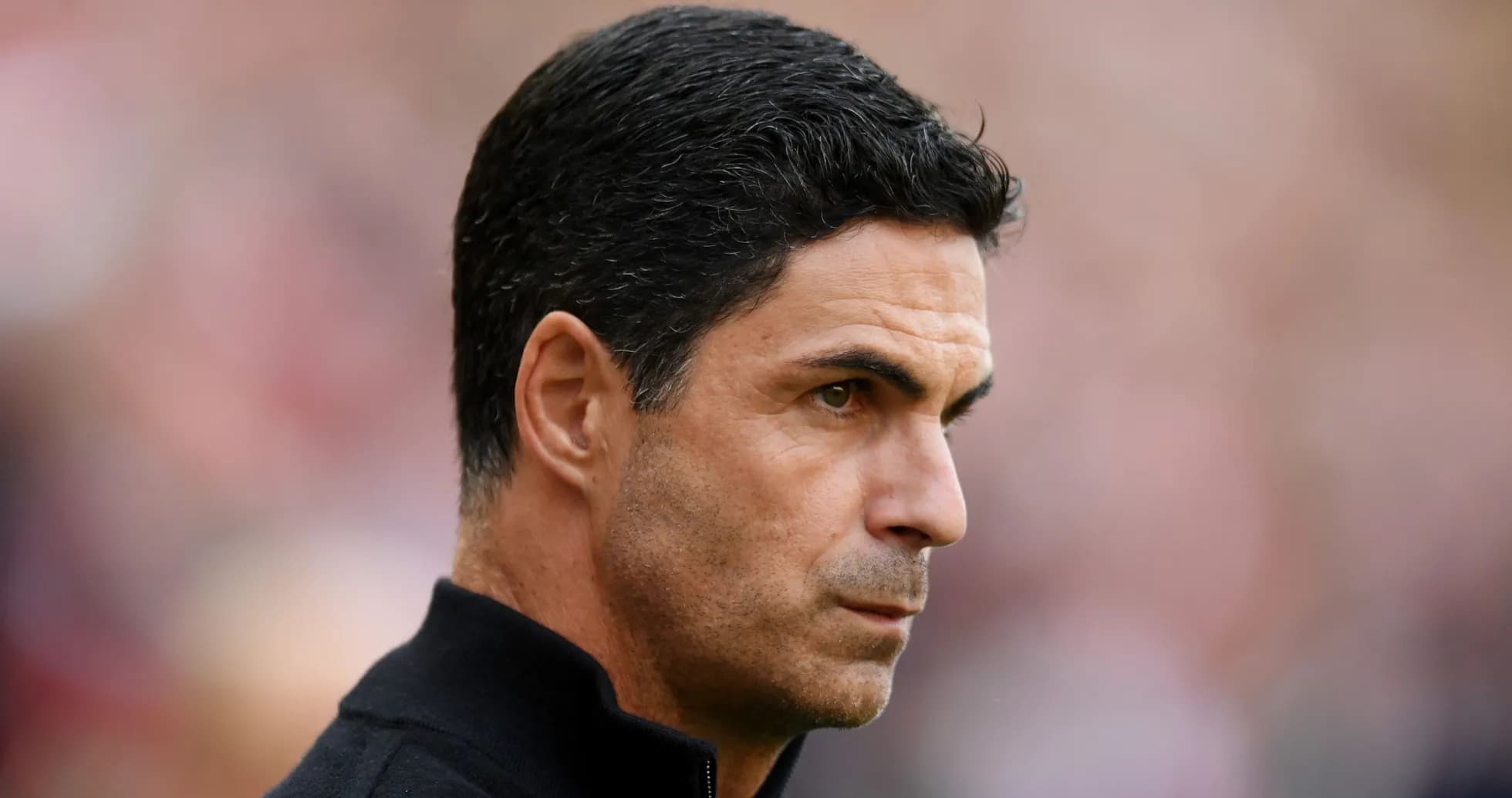
Arsenal's Ambition for Back-to-Back Premier League Titles
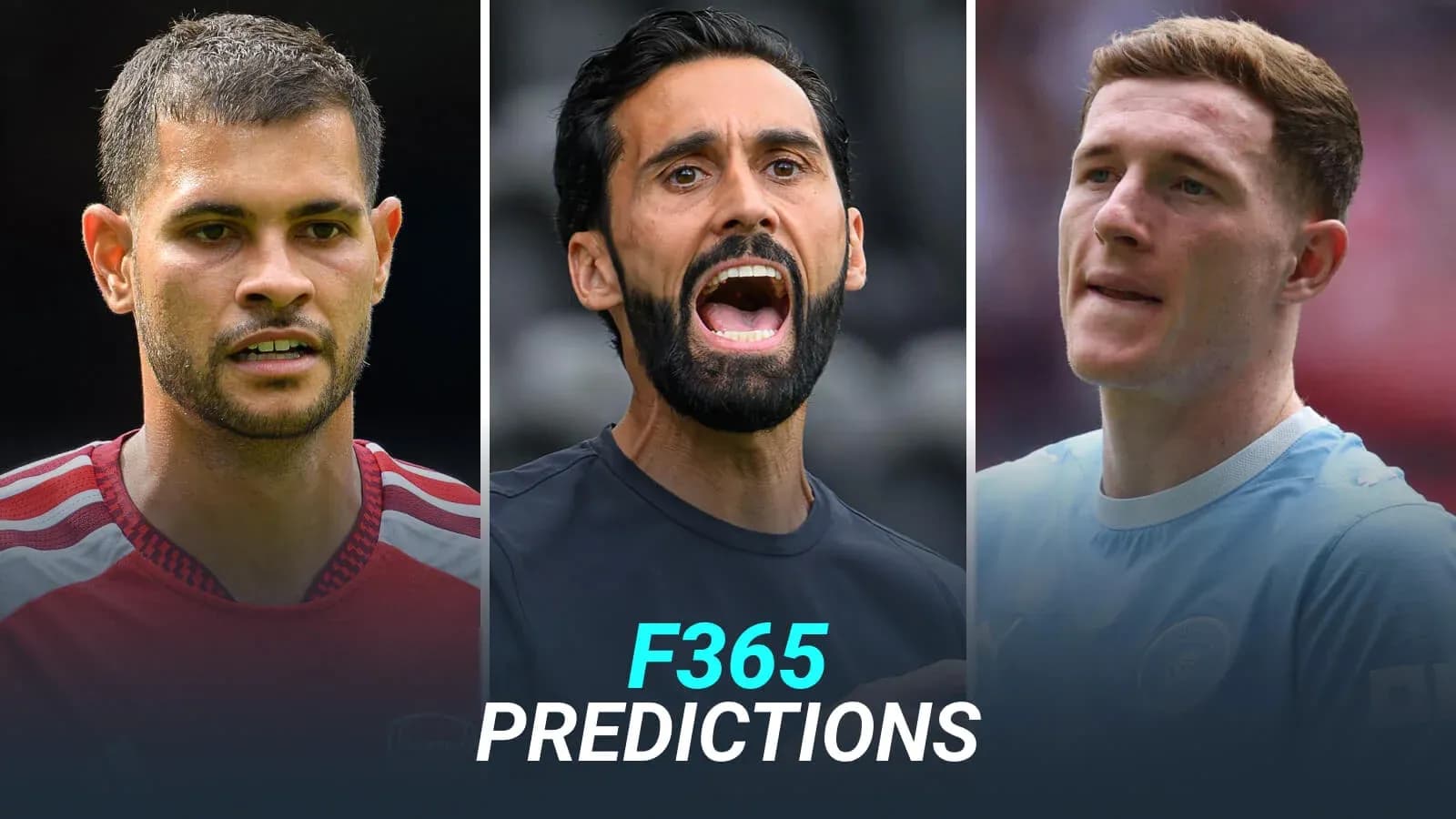
Arsenal’s Title to Lose: Predictions for the New Season
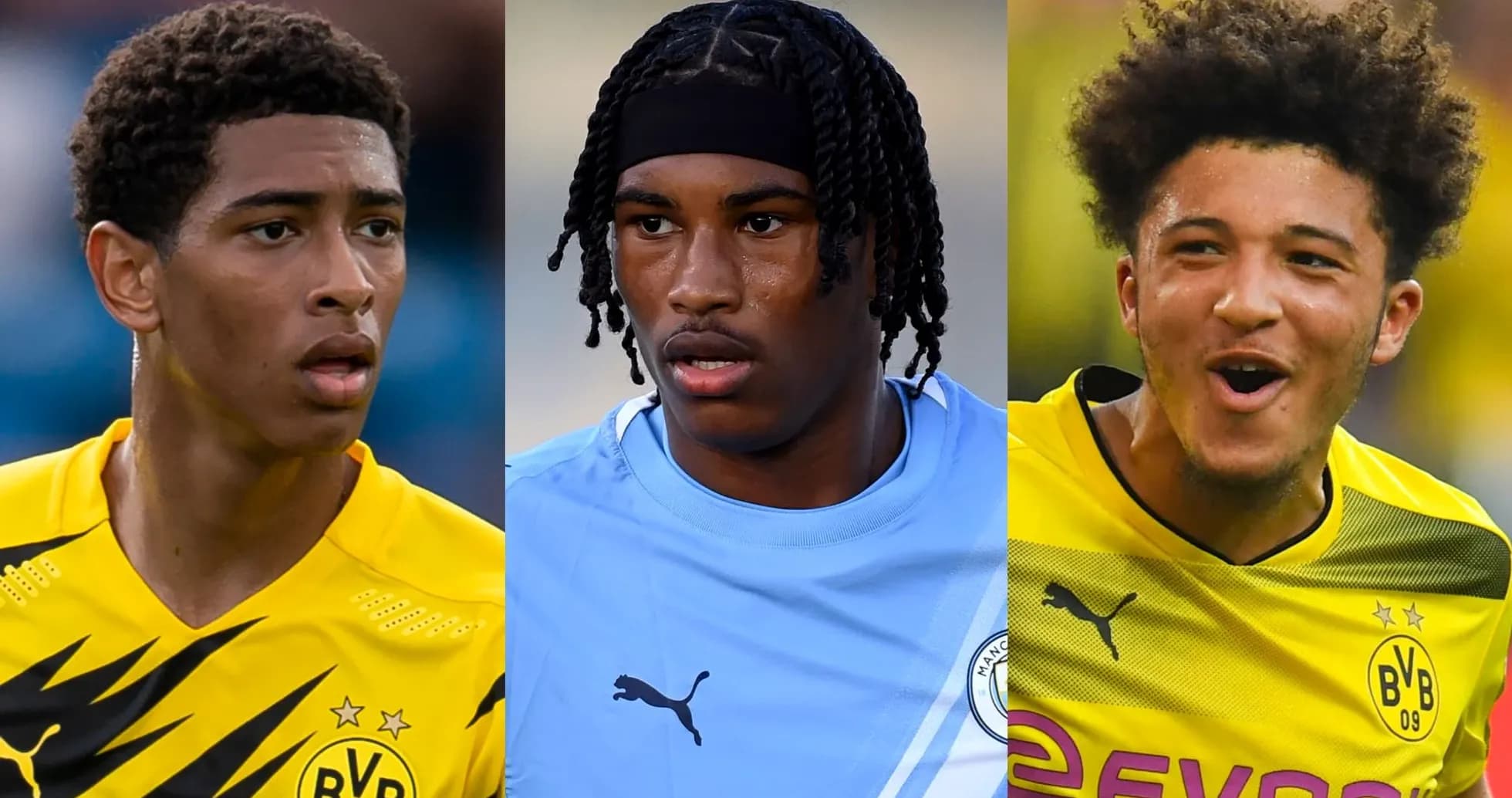
Jaden Heskey's Bold Move: A Father's Insight on Young Talent in England
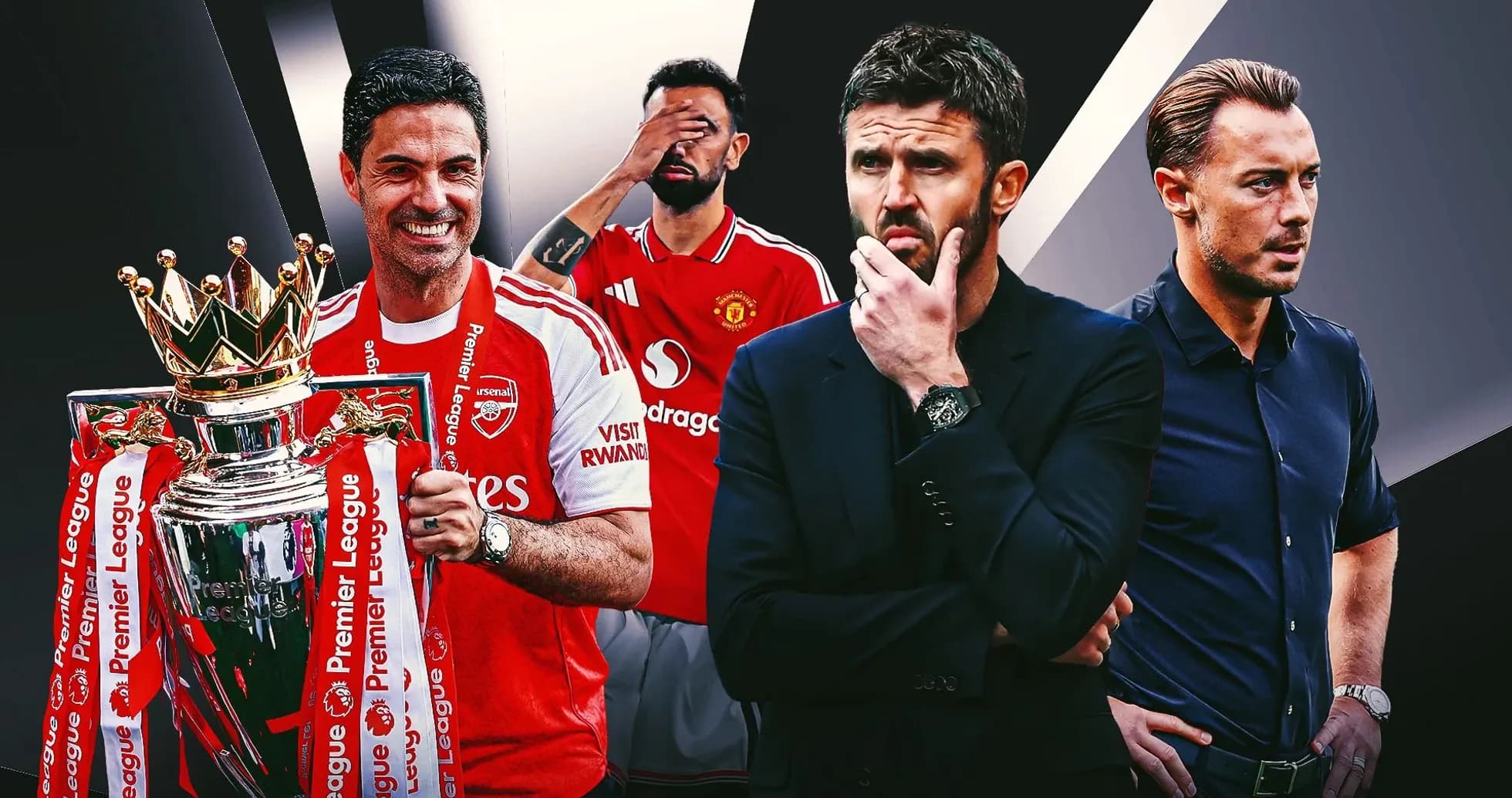
Morgan Rogers' Chelsea Move: Expectations and Challenges Ahead
Wayne Rooney Urges Manchester United to Sign Myles Lewis-Skelly
Darwin Núñez's Loan Move to Trabzonspor Hijacked by Al Diriyah