
Newcastle United's 2030 Dream Faces Harsh Reality
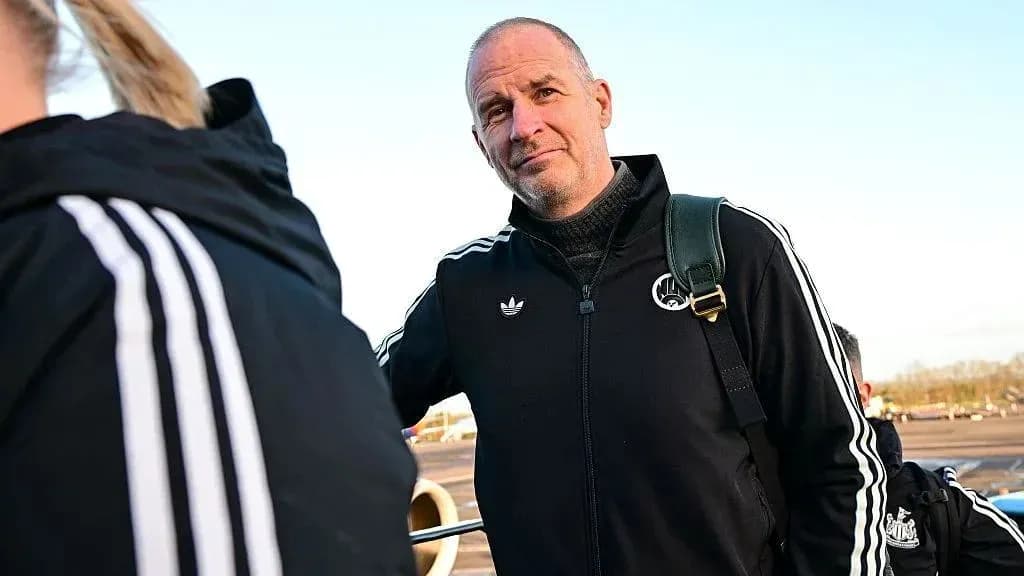
The talk at St James’ Park used to be about 2030. About Newcastle United muscling in on the game’s elite, about becoming “the top club in the world” within five years. That was the bold line from chief executive David Hopkinson, a declaration of intent as the club mapped out its future.
This summer has dragged that vision into a far harsher light.
Key players have gone. More could follow. A new manager is due in with less than three weeks until the opening game of the Premier League season against Liverpool. For a club that wanted to be a “perennial contender” for the biggest prizes by the end of the decade, the timing and scale of this upheaval could hardly be more jarring.
BBC Sport’s Newcastle United reporter Ciaran Kelly did not dance around it. Speaking on BBC Radio 5 Live’s Football Daily podcast, he said there is “going to have to be a change” in Hopkinson’s stated aim. Not a tweak. A change.
The exits tell their own story. Sandro Tonali, signed as a cornerstone of the project, has gone. Anthony Gordon, one of the most dynamic forwards in the league last season, has also departed. Now the captain, Bruno Guimaraes, looks likely to leave as well. That is not just talent walking out of the door. That is the spine of a supposed future superclub being ripped out in a single window.
The response has been to lean heavily into youth. High-ceiling prospects, energy, potential. It sounds exciting on paper. On the pitch, in the Premier League, it is something else entirely.
“Realistically, if you're losing that many key players, there has to be a recognition that these young players will take time to adapt to the Premier League, the physicality and intensity of it,” Kelly said. He pointed out that even seasoned professionals can struggle with the demands of the division. Throwing youngsters into that environment and expecting a seamless transition is a gamble, not a strategy.
“These young players have a lot of potential,” he added, “but they are going to need time and a lot of work on the training pitches.”
Time, though, is the one thing Newcastle do not seem to have much of. A new manager is walking into a dressing room that has lost leaders, lost experience, and lost some of its most reliable match-winners. Pre-season is short. The tactical reset will have to be fast. The adaptation from academy promise to Premier League reality will need to be even faster.
“It’s been a lot of change in one window and it's going to take time for it to come together,” Kelly said. The line hung there, heavy with implication. This is not what a club on the brink of global dominance is supposed to look like.
That is why the next public appearance from Hopkinson and the sporting director suddenly feels so significant. “I think it will be really interesting when we next hear from the chief executive and the sporting director about readjusting expectations,” Kelly admitted. The language matters now. So does the tone. Newcastle supporters have been sold a future in which their club sits at the top table of European football. They can see the present, and it does not match the brochure.
The 2030 slogan once sounded like ambition. Right now, it risks sounding like fantasy.
“Certainly the idea that Newcastle by 2030 are the biggest club in the world – I think there is going to have to be a change overall,” Kelly concluded.
The question is no longer whether Newcastle can crash the elite by the end of the decade. It is whether this summer’s turbulence forces the club to redraw the entire roadmap – and accept that the climb to the summit will be longer, rougher, and far less predictable than they dared to admit.
Related News
Carlos Alcaraz Urges an End to Matches Ending in the Early Hours
Carlos Alcaraz Criticizes Late US Open Finish After 3:30 a.m. Match
Jannik Sinner Set for ATP 500 Return in Beijing with Novak Djokovic Also Competing
Meet Iva Jovic: The American Tennis Prospect Making Waves
Flavio Cobolli Shares Insights on Practice Session with Jannik Sinner Ahead of Comeback
Till vs Romero: Fight Details, Undercard, and Viewing Info for This Weekend