
NWSL Women: Chicago Red Stars vs San Diego Wave Tactical Analysis

At SeatGeek Stadium in the NWSL Women group stage, this is a high-stakes league-phase fixture for both sides: Chicago Red Stars W sit 15th with 9 points from 11 games and a -17 goal difference (5 goals for, 22 against), fighting simply to stay in touch with the pack, while San Diego Wave W arrive 3rd on 22 points from 12 games with a +4 goal difference (17 for, 13 against), looking to consolidate their position in the promotion zone for the NWSL Women play-offs quarter-finals. For Chicago, it is a survival and credibility game; for San Diego, it is about keeping themselves firmly in the title and seeding conversation.
Head-to-Head Tactical Summary
The recent head-to-head record is tilted towards San Diego Wave W, with five meetings across 2024–2026, split between Snapdragon Stadium and SeatGeek Stadium.
On 29 March 2026 at Snapdragon Stadium (Group Stage), San Diego Wave W beat Chicago Red Stars W 2-0, with a 0-0 half-time and San Diego pulling away after the break. Earlier in 2025, also at Snapdragon Stadium on 19 October 2025 (Regular Season - 25), San Diego recorded a 6-1 win, having already led 4-0 at half-time, underlining how quickly the game can run away from Chicago when San Diego’s attack gets on top.
The 2025 meeting at SeatGeek Stadium on 26 April 2025 (Regular Season - 6) ended 3-0 to San Diego Wave W, after a 1-0 half-time advantage to the visitors, showing their ability to control an away match and extend a narrow lead in the second half. However, Chicago have shown they can flip the script at home: on 22 September 2024 at SeatGeek Stadium (Regular Season - 16), Chicago Red Stars W won 1-0, leading 1-0 at half-time and then protecting that margin. Earlier that year, on 29 June 2024 at Snapdragon Stadium (Regular Season - 11), Chicago had also won 3-0 away, after taking a 1-0 half-time lead.
Tactically, the pattern is clear: when San Diego’s high-output attack finds rhythm, the scoreline can become very one-sided (6-1, 3-0, 2-0), but Chicago have twice beaten San Diego with clean sheets (1-0, 3-0) when they defended compactly and punished transitions. The venue has not been decisive in itself; both clubs have won convincingly at each other’s grounds.
Global Season Picture
- League Phase Performance: In the league phase, Chicago Red Stars W are 15th with 9 points from 11 matches, scoring only 5 goals and conceding 22 (goal difference -17). Their home record is 2 wins and 3 losses from 5 games, with 4 goals scored and 8 conceded. San Diego Wave W are 3rd with 22 points from 12 matches, with 17 goals for and 13 against (goal difference +4). Away from home, they have 4 wins, 1 draw and 1 loss from 6 games, scoring 10 and conceding 8. This underlines a fragile Chicago defense and blunt attack (5 for, 22 against), versus a relatively balanced San Diego profile that leans slightly towards offensive strength (17 for, 13 against).
- Season Metrics: In the league phase, Chicago’s statistical profile from the team statistics block confirms a low-output attack, averaging 0.5 goals per match (5 total in 11) and conceding 2.0 goals per match (22 against), with 8 matches where they failed to score and only 2 clean sheets. Their biggest home win is 2-0 and their heaviest home defeat 0-3, reflecting a team that rarely pulls away from opponents and is vulnerable when chasing games. Card data shows a spread of yellow cards across all periods, suggesting defensive strain throughout matches rather than in a single phase.
In the league phase, San Diego Wave W average 1.4 goals scored per match (17 total in 12) and 1.1 conceded (13 against), with only 4 matches where they failed to score and 2 clean sheets. Their biggest wins include 3-1 at home and 2-3 away, while their heaviest away defeat is 2-0, indicating an attack that travels well and a defense that, while not elite, is generally resilient. - Form Trajectory: In the league phase, Chicago’s form string of “WLLLL” shows one win followed by four straight losses, underlining a downward trend and fragile confidence. San Diego’s “LDWWL” reflects more volatility but at a higher baseline: one loss, then a draw, two wins, and another loss. They are not in peak streak mode compared to their earlier “LWWWWWLLWWDL” pattern across the season, but they remain a side that more often responds with wins than extended slumps.
Tactical Efficiency
Without explicit numeric “Attack/Defense Index” values in the comparison block, the efficiency picture must be inferred from the available league-phase statistics. Chicago Red Stars W’s attack is low-efficiency (0.5 goals per match, 8 games without scoring) relative to the volume of matches played, and their defense is porous (2.0 goals conceded per match), which together indicate a negative combined index: they require a near-perfect defensive display to get anything from games, because they do not generate enough goals to offset even moderate defensive leaks.
San Diego Wave W, by contrast, show a positive efficiency profile in the league phase: 1.4 goals scored per match and 1.1 conceded, with a strong away attack (10 goals in 6 away games, 1.7 per match). Their biggest away win of 2-3 and overall away record (4 wins, 1 draw, 1 loss) suggest that their attacking index is clearly above average, while their defensive index is solid but not dominant. When mapped against the head-to-head data, San Diego’s efficiency spikes against Chicago in particular, with scorelines such as 6-1, 3-0 and 2-0 showing that when they control territory and tempo, their xG and shot conversion are likely to be significantly higher than Chicago’s.
In tactical terms, Chicago need to compress the game, protect central spaces and rely on low-scoring game states, because their season averages indicate they are unlikely to win if the match becomes open. San Diego’s season profile encourages them to push the tempo: their attack sustains pressure better than Chicago’s and their defense is robust enough to absorb the occasional counter if they maintain structure.
The Verdict: Seasonal Impact
In the league phase, this fixture carries asymmetrical but significant consequences. For Chicago Red Stars W, starting 15th with 9 points and a -17 goal difference, another defeat would deepen their negative goal balance and risk leaving them detached at the bottom end of the table, making any late push towards mid-table security increasingly unrealistic. A win, by contrast, would not only provide three vital points but also a psychological pivot: beating a top-three side could reset the narrative from survival-only to at least contesting a climb towards the lower mid-table, especially given their better relative record at home.
For San Diego Wave W, currently 3rd on 22 points and already in the promotion zone for the NWSL Women play-offs quarter-finals, this is the kind of away game that defines whether they remain simply a strong play-off qualifier or a genuine title and top seeding contender. Dropped points against a low-ranked side would invite pressure from teams behind them and could erode the buffer they have built with a strong away record. A win would push them closer to the league leaders, strengthen their claim to a top-two or top-three seeding, and maintain the perception that they reliably convert fixtures against struggling opponents.
Overall, the seasonal impact is sharper for Chicago in terms of relegation and bottom-end risk: failure to take points here would reinforce their profile as a side cut adrift, with a severely negative goal difference and poor form. For San Diego, the stakes are about ceiling rather than floor—victory keeps them on a trajectory towards the highest possible play-off seed and preserves their outside title credentials; anything less opens the door for rivals and raises questions about their consistency against teams they are expected to beat.
Related News
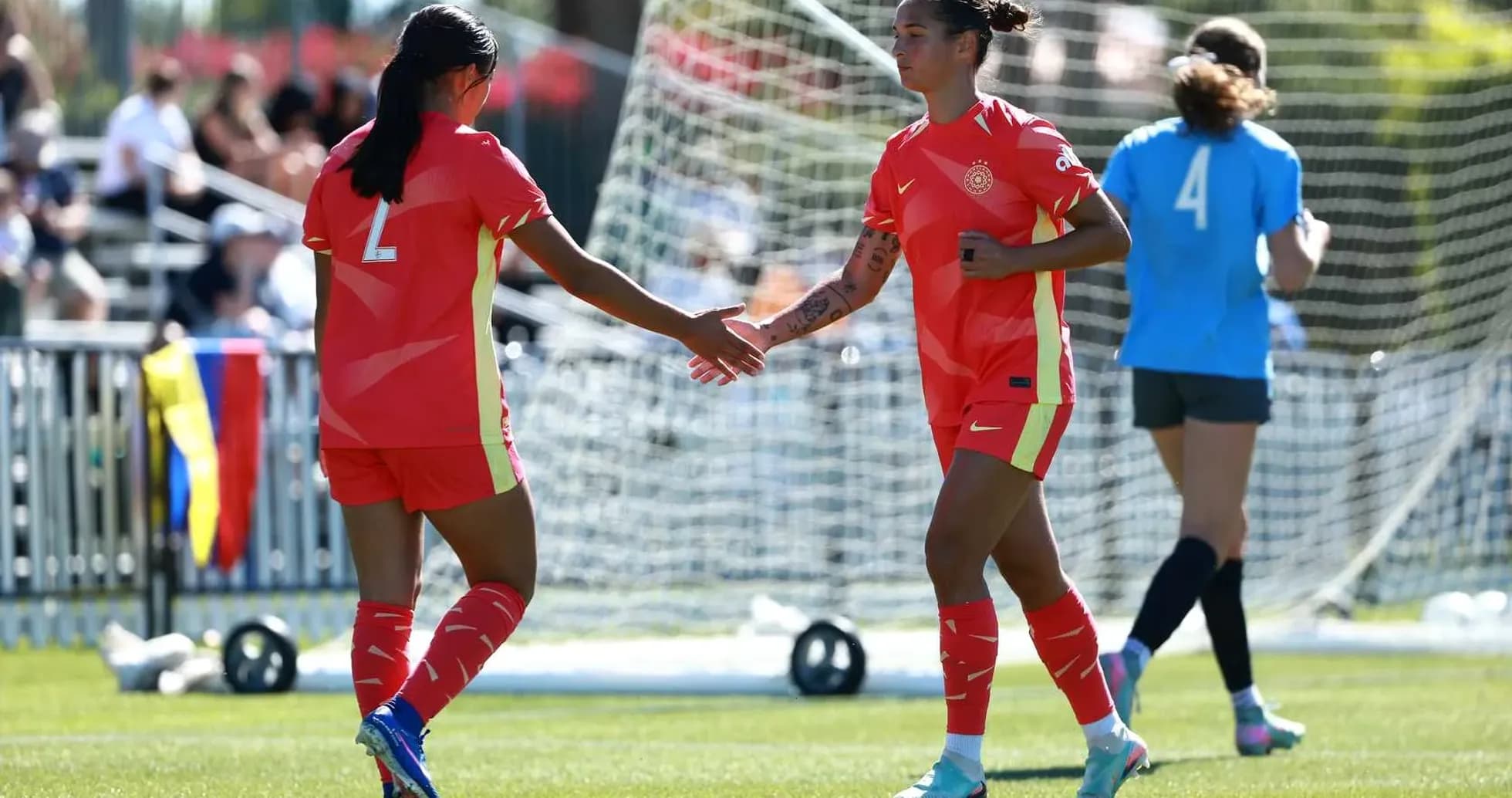
Portland Thorns W vs Houston Dash W: NWSL Women Clash

Kansas City W vs Denver Summit W: NWSL Women Showdown
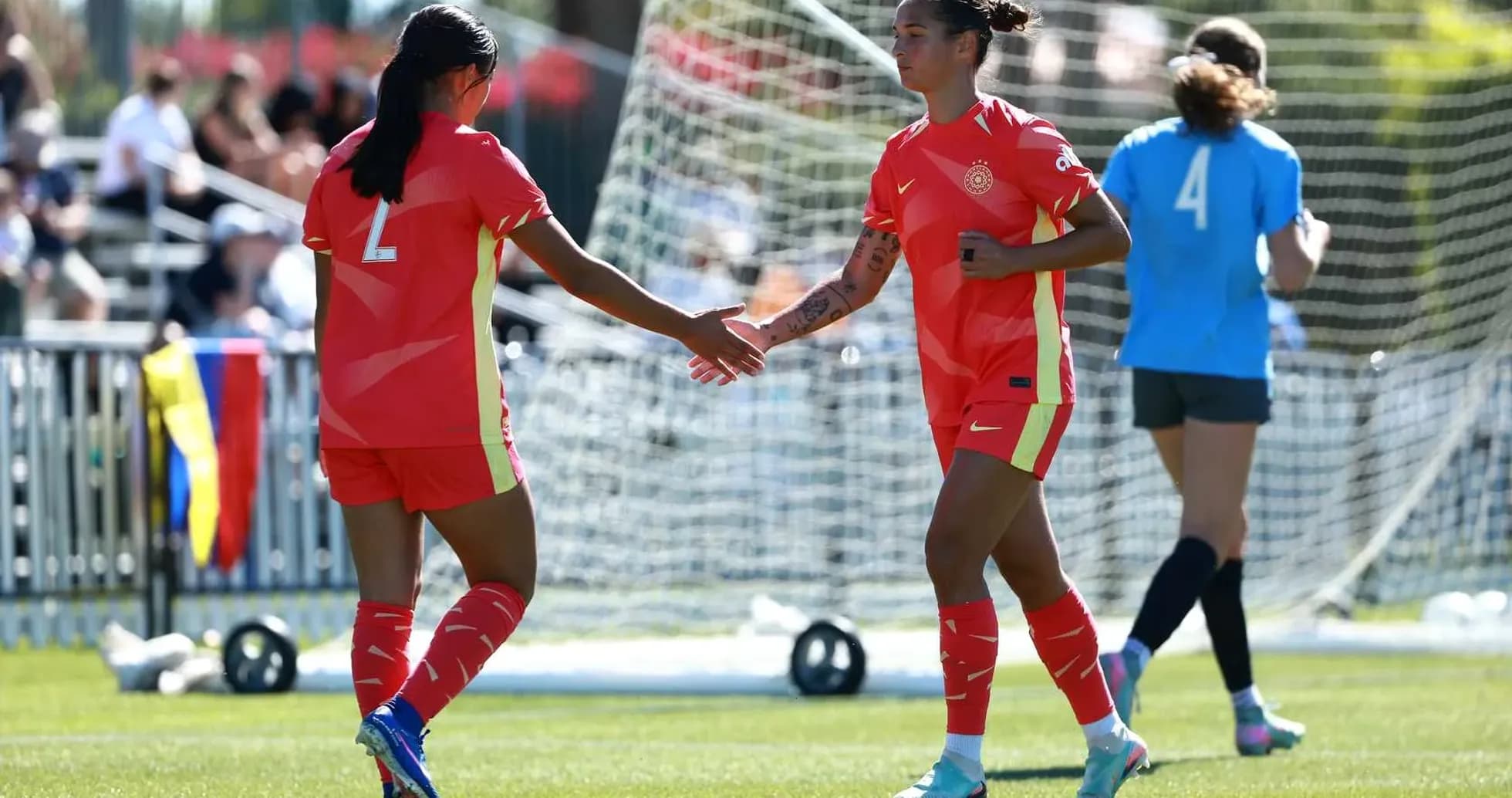
Portland Thorns W vs Houston Dash W Prediction: Key Stats and Tips

Washington Spirit W vs Angel City W Prediction: Key Stats and Betting Tips

Racing Louisville W vs San Diego Wave W Predicted Lineups and Team News

Kansas City W vs Denver Summit W Prediction: Key Stats and Betting Tips