
Oakland Roots vs Miami FC: A Tactical Stalemate

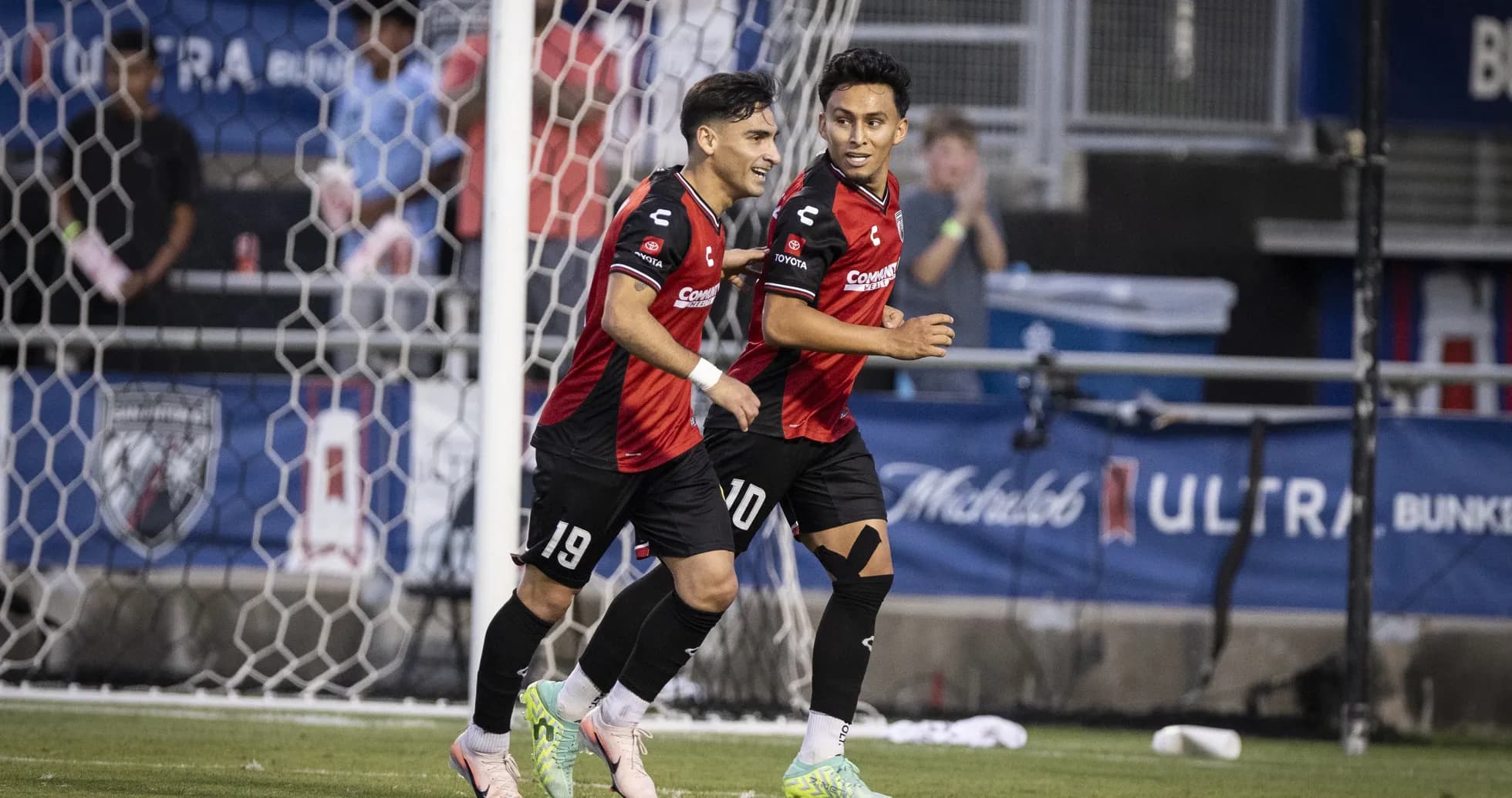
Under the late lights at Laney College Football Stadium, Oakland Roots and Miami FC produced a goalless stalemate that said more about structure and discipline than it did about cutting edge. Following this result, the table still shows them locked on 17 points, but the paths they have taken to that total could not be more different – and that contrast framed both the tactical story of the night and what it suggests for the rest of the USL Championship group stage.
I. The Big Picture – Two Identities Colliding
Oakland arrived as the more balanced side. Overall this campaign they have scored 18 and conceded 16 across 12 matches, a goal difference of 2 that underpins their current 3rd place in USL 1. At home they have been steady rather than spectacular: 9 goals for and 7 against in 7 matches, averaging 1.3 goals scored and 1.0 conceded. Their form line of “DLLWD” in the standings hints at inconsistency, but the broader seasonal form string “WWDLDDWDWLLD” shows a team that rarely collapses.
Miami FC, by contrast, have been volatile. Overall they have 15 goals for and 19 against in 13 matches, a goal difference of -4 that fits their 8th-place standing. At home they can be wild – 9 scored and 9 conceded in 5 games – but on their travels they tend to tighten up: just 6 goals scored and 10 conceded in 8 away fixtures, for an away scoring average of 0.8 and 1.3 conceded. That away conservatism was visible here: compact lines, risk-averse full-backs, and a clear priority on leaving Oakland with at least a point.
The 0-0 full-time score, after a 0-0 half-time, reflected those numbers almost too perfectly. Oakland’s season-long average of 1.5 goals per game overall never materialised, while Miami’s tendency to struggle in front of goal away from home was reinforced.
II. Tactical Voids and Disciplinary Undercurrents
With no official list of absentees, the lineups themselves became the clearest expression of each coach’s intentions.
Ryan Martin’s Oakland XI suggested a fluid, possession-leaning shape. With K. McIntosh in goal, the back line was built around K. Tingey, M. Edwards and J. Bravo, with J. de Vicente giving them an extra outlet from deep. In midfield, the technical core of F. Valot, T. McCabe, F. Bettache and B. Byaruhanga offered a blend of control and vertical passing, while W. Prentice and B. Jacquesson provided width and movement ahead of them.
The bench underlined Oakland’s flexibility: N. Hackshaw and B. Roberson as defensive reinforcements, T. Gibson and T. Lepley to tweak the midfield balance, and D. Trejo plus J. Kiil as attacking options. The absence of a pure target man in the starters hinted at a preference for mobility over aerial dominance.
For Miami, Gaston Maddoni set up a more clearly defined defensive block. F. Rodriguez in goal was shielded by B. Ndiaye, D. Knutson, A. Calfo and A. Milesi, a unit clearly tasked with compressing space rather than overlapping aggressively. In front of them, Tulu and R. Tori formed a protective screen, with T. Musto and R. Da Costa tasked with linking to the more creative and direct threats of J. Sonora and M. Diallo.
Miami’s substitutes – including M. Tunbridge, B. Bent, G. Diaz and M. Ndongo – offered pace and transitional threat rather than intricate buildup. It was a bench built to change the rhythm on the break, not to chase a high-possession game.
Disciplinary trends from the season added another layer of caution to both sides’ approach. Heading into this game, Oakland’s yellow cards clustered heavily between 61-75 minutes (26.32%) and then 46-60 and 76-90 (both 21.05%), with late red cards split between 46-60 and 91-105 (each 50.00%). Miami, meanwhile, showed a pronounced late-game edge: 25.64% of their yellows came between 61-75 minutes and another 25.64% between 76-90, with their only red card this season arriving in the 61-75 window. Both staffs knew that the final half-hour is where tempers and legs tend to fray, and that knowledge seemed to keep the first half especially cagey.
III. Key Matchups – Hunter vs Shield, Engine Room vs Enforcer
Without individual scoring data, the “hunter” in this contest was really Oakland’s collective attacking unit. At home they average 1.3 goals per match, and their overall offensive peak is rooted in the interplay of Valot, Bettache and Byaruhanga. Their task was to unpick a Miami away defence that, despite conceding 10 goals in 8 away games, has still produced 4 away clean sheets overall – an impressive ratio for a side sitting 8th.
That duel played out in the half-spaces. Bettache frequently dropped to receive between Miami’s lines, trying to drag Tulu and R. Tori into uncomfortable zones. When he did, Valot would drift wider, looking to combine with Prentice or Jacquesson. Miami’s response was conservative but effective: Tulu rarely vacated the central corridor, and the back four resisted the temptation to step out aggressively, trusting the double pivot to absorb pressure.
In the engine room, Byaruhanga and McCabe were asked to dictate tempo for Oakland, recycling possession and closing down counters at source. They were matched by the physical presence of Tulu and the work rate of Musto. This was the true battleground: if Oakland’s pair could accelerate the ball through midfield, the home side could lean into their overall scoring average of 1.5 goals per game. If Miami’s shield held, the visitors could drag the match into the kind of attritional away contest that has already yielded 4 draws on their travels.
IV. Statistical Prognosis – What 0-0 Really Means
In xG terms, this had the profile of a low-margin match even before a ball was kicked. Oakland’s overall goals against average of 1.3, combined with Miami’s away scoring average of 0.8, pointed toward a modest Miami attacking output. On the other side, Miami concede 1.3 goals per game away, but their 4 away clean sheets overall indicated a side capable of closing up shop when required.
The 0-0 therefore feels less like an anomaly and more like the logical intersection of two trends: Oakland’s occasional difficulty turning control into goals – they have failed to score in 3 home matches overall – and Miami’s increasingly pragmatic away posture, underpinned by those 4 away clean sheets and 5 total clean sheets this season.
Penalties, often the great variance engine in tight games, offered no twist here either. Heading into this fixture, both teams had taken 1 penalty overall and scored it, with no misses recorded. There was no spot-kick drama to tilt the balance.
Following this result, Oakland remain a side whose structural solidity (18 scored, 16 conceded overall) keeps them in the promotion conversation, but they will know that to turn 3rd place into something more, they must sharpen the edge of a home attack that still averages only 1.3 goals per game. Miami, for their part, will quietly welcome another point on their travels. With 1 away win, 4 away draws and 3 away defeats overall, each clean sheet away from home reinforces a blueprint: stay compact, trust the block, and hope that on another night, the transitions through Sonora and Diallo turn a stalemate into a smash-and-grab.
This 0-0 did not ignite the scoreboard, but it clarified the tactical identities of both clubs. Oakland as the measured aggressor, Miami as the disciplined survivor – two sides whose seasons may ultimately be defined by how often they can bend that identity without breaking it.
Related News
San Antonio's Tactical Edge Secures 2–1 Victory Over Colorado Springs

Charleston Battery Dominates Loudoun United 4–1 in Statement Win

Miami FC vs Orange County SC: USL Championship Clash Highlights
Colorado Springs vs San Antonio: USL Championship Group Stage Preview

Charleston Battery vs Loudoun United: Match Preview

Miami FC vs Orange County SC Match Preview