
Osasuna vs Espanyol: Tactical Insights from a La Liga Clash
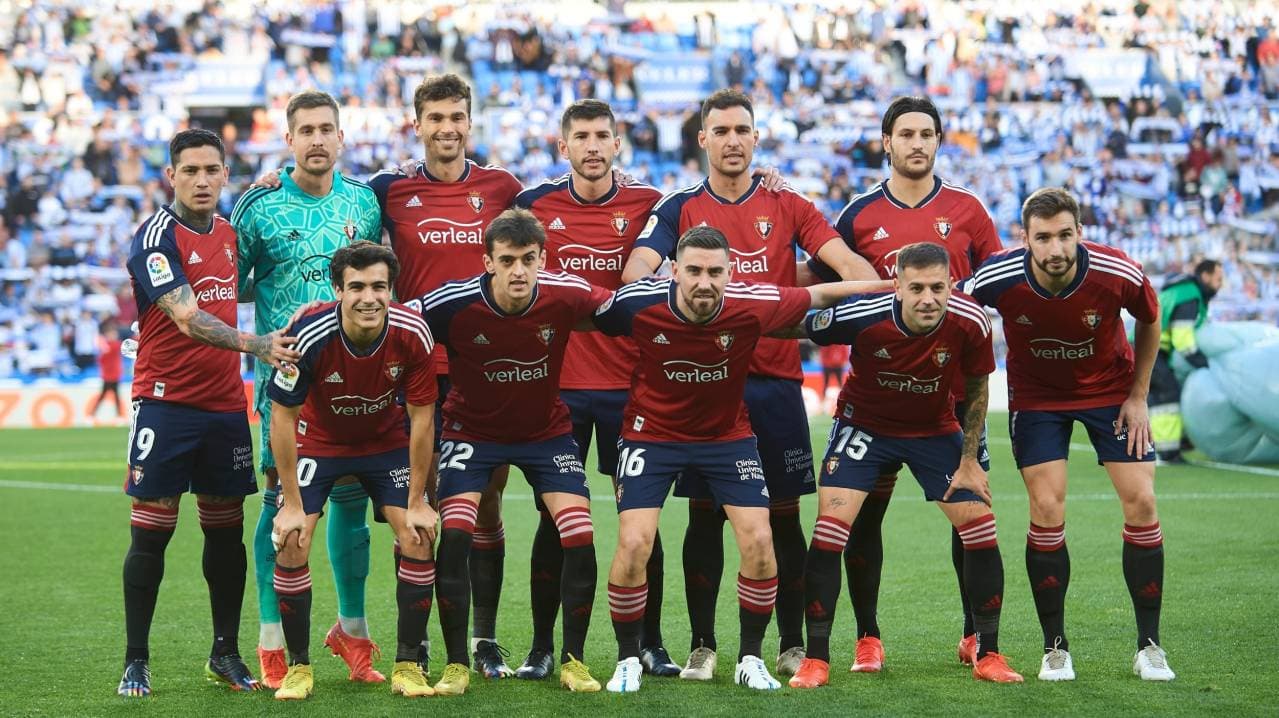
Estadio El Sadar felt tense rather than festive as this La Liga campaign edged toward its conclusion. Following this result, Osasuna’s 2–1 home defeat to Espanyol crystallised the story of both seasons: the hosts still volatile but formidable in Pamplona, the visitors flawed yet strangely efficient on their travels.
Osasuna came in as a home‑heavy side: 9 wins from 19 at El Sadar, scoring 31 and conceding 24. Overall, their goal difference of -5 (44 scored, 49 conceded) spoke of a team forever walking the line between control and chaos. Espanyol, 11th with 45 points and a total goal difference of -12 (42 for, 54 against), had been more unpredictable still, yet with 5 away wins and 22 away goals they carried a quiet menace when given space to counter.
Alessio Lisci doubled down on Osasuna’s seasonal identity with a familiar 4‑2‑3‑1. Sergio Herrera behind a back four of V. Rosier, Alejandro Catena, F. Boyomo and A. Bretones set a clear base: two centre‑backs comfortable defending the box, full‑backs asked to climb high and wide. In front, Lucas Torro and Jon Moncayola formed a double pivot designed to both screen and circulate, freeing a line of three — R. Garcia, A. Oroz, V. Munoz — to orbit around lone striker Ante Budimir.
Manolo Gonzalez answered with Espanyol’s 4‑4‑2, but it was a 4‑4‑2 with modern edges. M. Dmitrovic in goal, Omar El Hilali and C. Romero as the full‑backs, C. Riedel and Leandro Cabrera in the heart of defence. Across midfield, T. Dolan and Pere Milla offered width, while U. Gonzalez and Pol Lozano worked the central lanes. Up front, Edu Expósito — listed as “Exposito” — stepped off the line, knitting play behind K. Garcia, who stretched the last man.
The tactical voids on the teamsheet were significant. Osasuna were again without R. Moro, whose absence stripped Lisci of a direct wide runner from the bench — a loss felt once Espanyol’s block sank deeper. For the visitors, the double knee injuries to C. Ngonge and J. Puado removed two of their most vertical, penalty‑box‑minded forwards. In theory, that should have blunted Espanyol’s counter‑threat; in practice, it forced them into a more cerebral, possession‑and‑timing game that suited Expósito and Milla.
Discipline was always going to be a sub‑plot. Heading into this game, Osasuna’s yellow‑card profile was heavily back‑loaded: 21.35% of their cautions arrived between 76–90 minutes, with another 17.98% from 61–75. Espanyol were even more volatile late on, with a striking 30.00% of their yellows in the 76–90 window and 16.67% between 91–105. These numbers foretold a finale of frayed nerves, and the match duly descended into a card‑streaked closing act as both sides chased territory and time.
At the heart of Osasuna’s plan stood Budimir, one of La Liga’s most productive forwards this season. His 17 league goals from 36 appearances, fed by 88 shots (41 on target), framed him as the pure “hunter” in this contest. He is not just a finisher but a constant aerial and physical reference, winning 169 of 365 duels and drawing 35 fouls. Yet his penalty record injected an undercurrent of jeopardy: 6 scored but 2 missed. In a side that has converted 6 of 6 penalties overall this campaign, his individual misses are a reminder that high‑stakes moments can still tilt either way.
Opposite him, Espanyol’s defensive record on their travels — 31 away goals conceded, an average of 1.6 per away match — made clear that this was no iron curtain. The battle was always going to be whether Riedel and Cabrera could survive the relentless aerial bombardment and second‑ball chaos Budimir generates, especially once Rosier and Bretones pushed up to pin back the full‑backs. Catena’s presence at the other end of the pitch added another layer: the Osasuna centre‑back has chipped in 3 goals and 2 assists, with 32 blocked shots and 33 interceptions underlining how much of their defensive identity flows through him. He is both shield and launchpad.
If Budimir was the hunter, Edu Expósito was Espanyol’s architect‑in‑chief. With 6 assists and 80 key passes, he arrived in Pamplona as one of La Liga’s most creative midfielders this season. His 965 completed passes at 76% accuracy, coupled with 44 dribble attempts and 33 successes, tell the story of a player who can both thread lines and carry through pressure. His duel numbers — 142 wins from 265 — show he does not shirk the physical side either, though his 9 yellow cards warn of a tendency to push the boundary of acceptable aggression.
The engine room duel between Expósito and Osasuna’s central pair was the true tactical hinge. Moncayola, with 1,369 passes at 80% accuracy and 38 key passes of his own, is the side’s quiet metronome, while Torro’s positional discipline allows others to roam. Together, they were tasked with two conflicting missions: deny Expósito the half‑spaces where he thrives, and yet still find quick vertical lanes into Budimir’s feet and head.
Around them swirled the enforcers. Catena, with 11 yellows and a red this season, and Lozano, with 11 yellows and one yellow‑red, both sit near the top of the league’s disciplinary charts. Pere Milla and El Hilali also bring edge: Milla’s 36 tackles and 231 duels, El Hilali’s 72 tackles, 15 blocks and 40 interceptions underline Espanyol’s willingness to defend forward. On Osasuna’s side, Moncayola’s 52 tackles and 39 fouls committed show he is no stranger to the darker arts when transitions break against them.
Following this result, the statistical prognosis of their seasons feels almost prophetic. Osasuna’s overall scoring average of 1.2 goals per match and concession rate of 1.3 align almost perfectly with a narrow 2–1 defeat: competitive, dangerous, but always a mistake away from punishment. Espanyol’s total averages — 1.1 goals scored, 1.5 conceded — suggest a side that usually has to out‑punch its own defensive frailty; here, their attacking clarity and set‑piece threat allowed them to live with Osasuna’s pressure and strike decisively.
There was no xG data in the numbers, but the structural clues are unmistakable. A Budimir‑led attack against a porous away defence promised volume of chances, while an Expósito‑steered Espanyol facing a back line that concedes 1.3 goals per match overall hinted at ruthless exploitation of the few openings they would craft. In the end, Espanyol’s sharper execution and Osasuna’s inability to fully capitalise on their territorial dominance turned a finely balanced tactical duel into a narrow but telling away victory — a result that neatly encapsulates both squads’ 2025–26 identities.
Related News

Barcelona Dominates Sevilla in Tactical Showdown
Atletico Madrid vs Real Madrid: A Tactical Derby Analysis

La Liga Officials Admit Refereeing Mistake in Madrid Derby Over Lee Kang-in's Tackle on Federico Valverde

Elche vs Real Madrid: A Clash of Opposites in La Liga
Atletico Madrid Dominates Osasuna 4-0 in La Liga Showdown

Barcelona's Dominance: 7-2 Triumph Over Racing Santander