
PAOK's Tactical Superiority in 2-0 Victory Over Dynamo Kyiv

PAOK’s 2-0 win over Dynamo Kyiv at Toumba Stadium in the UEFA Europa League 2nd Qualifying Round was built on a clear tactical superiority rather than statistical dominance, as many key metrics are unavailable. With both sides nominally in a 4-2-3-1, PAOK used the shape far more aggressively, turning it into a high, fluid attacking structure that repeatedly isolated Dynamo’s full-backs and destabilised the double pivot. Dynamo’s own 4-2-3-1 remained flat and reactive, struggling to progress the ball or protect the central spaces where the match was effectively decided.
The decisive figure was G. Konstantelias, operating as PAOK’s central attacking midfielder. On paper, he started in the “10” slot of the 4-2-3-1, but in practice he functioned as the primary playmaker and final-third reference point. His timing between the lines was central to the first goal: arriving in the right pocket at 45', he finished a move initiated from the left by Jogo, whose overlapping and underlapping runs from full-back were a consistent theme. This combination highlighted PAOK’s key offensive pattern: full-backs advancing aggressively, wide midfielders tucking in, and Konstantelias attacking the half-spaces.
The second goal at 48' underlined the structural imbalance in Dynamo’s defensive block. With PAOK again building down the left, G. Michailidis stepped high from his nominal defensive line, effectively forming a three-man overload on that flank. His assist to Konstantelias came because Dynamo’s wide midfielder and full-back were pinned, while the near-side holding midfielder could not shift across in time. PAOK’s 4-2-3-1 thus often resembled a 2-3-5 in settled possession, with both full-backs advanced and the double pivot (B. Santamaria and C. Zafeiris) providing rest-defence cover and circulation.
Without possession and pressing stats, the territorial story is inferred from the flow of events and substitutions. PAOK reached half-time 1-0 up and doubled the lead immediately after the interval, suggesting a side comfortable enough to maintain control rather than chase transitions. The early booking for P. Hatzidiakos at 35' for “Tripping” came from PAOK defending high and aggressively – a calculated risk in a game where they largely dictated tempo. Crucially, that was PAOK’s only yellow card, indicating that their defensive structure stayed largely intact and disciplined.
Dynamo’s attacking 4-2-3-1 never truly connected its lines. M. Ponomarenko, the nominal striker, was isolated enough that his main notable action in the data is a yellow card at 50' for “Tripping”, not a shot or chance. The three behind him – B. Redushko, V. Buyalskyy and N. Voloshyn – were unable to exploit the spaces behind PAOK’s advanced full-backs, largely because Dynamo’s first and second build-up lines were suffocated. The double pivot of V. Brazhko and J. Lonwijk could not consistently turn under pressure, which meant long, hopeful passes rather than structured progression.
The substitution pattern from Dynamo at 67' is telling. N. Voloshyn (OUT) for A. Yarmolenko (IN) and V. Buyalskyy (OUT) for M. Shaparenko (IN) signalled a shift towards more technical, experienced profiles in the advanced midfield zones, an attempt by Igor Kostyuk to regain central control and creativity. Yet within 11 minutes, M. Shaparenko collected a yellow card at 78' for “Foul”, an indication that Dynamo’s response was more about chasing the game than reshaping it successfully.
Later changes reinforced this reactive posture: B. Redushko (OUT) for V. Kabaev (IN) at 80', A. Thiare (OUT) for K. Bilovar (IN) and J. Lonwijk (OUT) for P. Mounguengue (IN) at 86' look like a late, somewhat scattergun attempt to inject energy and alter the front line, but by then PAOK had dropped into a more controlled, compact block, protecting their 2-0 lead.
Alessio Lisci’s game management on the PAOK bench was notably more coherent. At 69', Taison (OUT) for D. Chatsidis (IN) suggested a desire to refresh the left flank’s work rate without sacrificing the structure that had produced both goals. The triple substitution at 76' – A. Zivkovic (OUT) for A. Baba (IN), P. Hatzidiakos (OUT) for A. Elustondo (IN), and C. Zafeiris (OUT) for M. Camara (IN) – was a classic consolidation move: fresh legs in both full-back and central midfield roles to maintain defensive solidity and counter-pressing intensity as the match entered its decisive final quarter.
The withdrawal of Konstantelias at 83' for D. Pelkas (IN) was another tactical nuance. With the score already 2-0, Lisci chose a player capable of retaining the ball and managing tempo rather than a pure runner. Pelkas’ experience and profile fit a closing-phase strategy built on possession control and game management rather than further expansion.
Defensively, PAOK’s back four, anchored by G. Michailidis and P. Hatzidiakos (before his substitution), held a relatively high line when the game state allowed, compressing the central channels where Dynamo’s No. 10 and wide forwards wanted to receive. The fact that Dynamo collected two yellow cards – Ponomarenko for “Tripping” and Shaparenko for “Foul” – while chasing the match, against only one for PAOK, supports the visual of a home side dictating duels and rhythm rather than being forced into emergency defending.
With no concrete data on shots, possession, passes, xG or goalkeeper saves, the tactical verdict must rest on structure, roles and match flow. PAOK’s 4-2-3-1 was clearly superior in its spacing and role definition: a double pivot that secured rest defence, full-backs that provided width and overloads, wide midfielders who could both attack inside and help in the press, and a No. 10 in Konstantelias who repeatedly found and punished pockets between Dynamo’s lines.
Dynamo’s identical base formation lacked that cohesion. Their double pivot was overrun, their full-backs were pinned, and their attacking midfielders were starved of usable possession. The late flurry of offensive substitutions could not compensate for structural inferiority established in the first hour. In a tie where margins in European qualifiers can be thin, PAOK’s tactical clarity and in-game management at Toumba Stadium created a two-goal cushion that felt the product of a plan executed with conviction rather than opportunism.
Related News
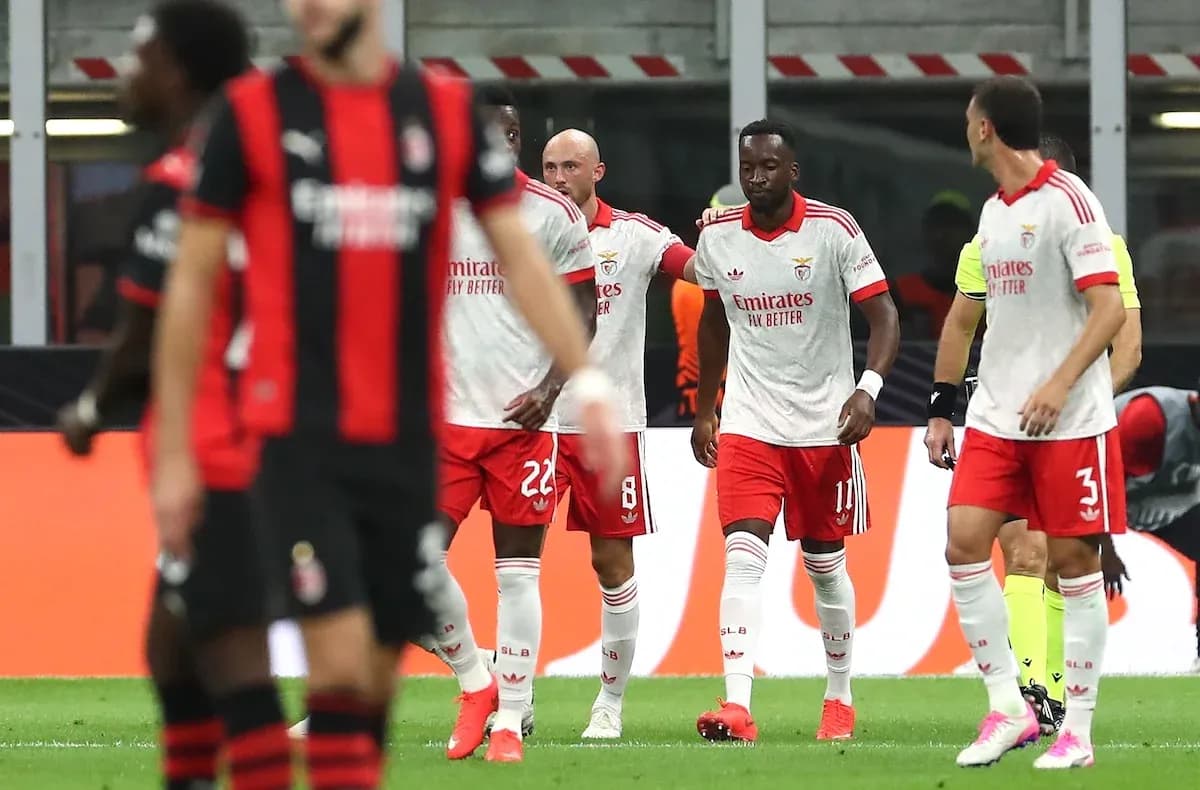
AC Milan vs Benfica: A Clash of Two Philosophies in UEFA Europa League
Five Standout Europa League Players to Watch in 2026/27
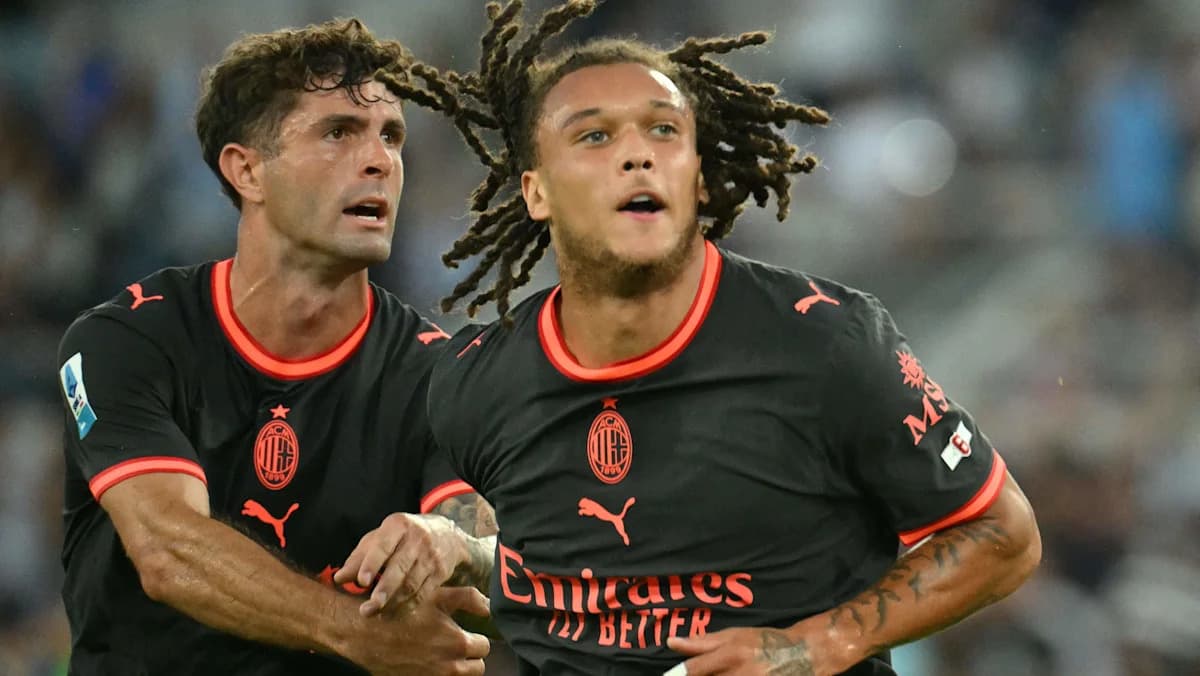
AC Milan vs Benfica Europa League Clash: Team Updates, Lineups & Broadcast Info
Omonia Nicosia vs Benfica Predicted Lineups: Team News for UEFA Europa League
Red Bull Salzburg vs Ararat-Armenia Predicted Lineups and Team News
Celje vs Red Bull Salzburg Predicted Lineups and Team News