
Paolo Maldini Takes Charge as Italy's Technical Director
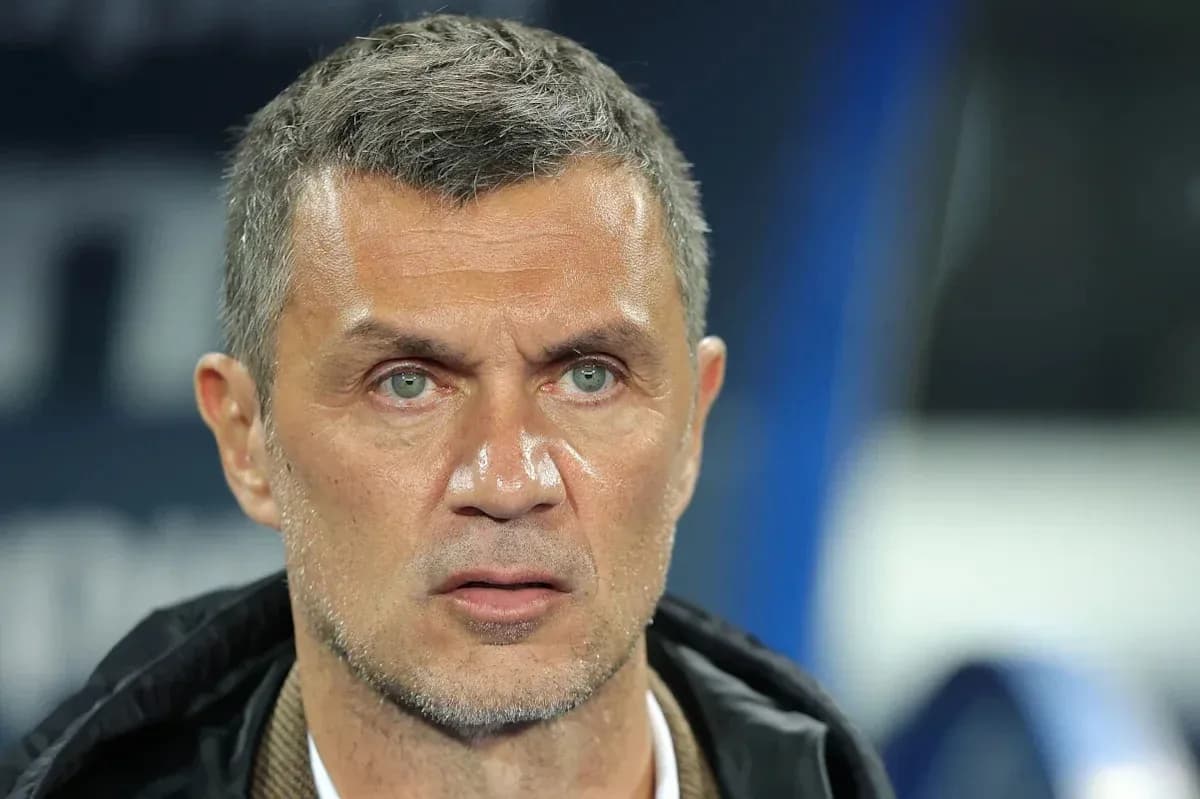
Paolo Maldini back at Italy’s helm. Not in a shirt this time, but with a pen, a plan and the weight of a nation on his shoulders.
The FIGC confirmed on Saturday night that the former Azzurri captain has been appointed technical director of the national team, a move that has instantly shifted the mood around a country still watching World Cups from the sofa. Maldini will not walk alone: alongside him, Leonardo returns as an advisor, rekindling a partnership that once shaped AC Milan’s modern era.
For Italy, this is the start of a reconstruction that had become impossible to postpone. Three consecutive World Cups as a television spectacle rather than a stage. While France, Spain, Argentina and England march into semi-finals elsewhere, Italy stares at its reflection and finally chooses one of its most iconic figures to redraw the blueprint.
Maldini, the symbol of a new project
This is no ceremonial role. Maldini steps into a commanding position at Coverciano, entrusted with steering the entire technical project and, crucially, with choosing the next head coach. The names are already swirling through the Italian media: Antonio Conte and Roberto Mancini sit at the front of the queue, with more glamorous, less realistic options like Pep Guardiola and Didier Deschamps also being floated.
The responsibility is immense, yet the reaction has been strikingly unified. From the stands to the old guard of the dressing room, there is a rare consensus: this is the right man, at the right time.
For Giovanni Malagò, the new FIGC president, it is an emphatic first major decision. In a federation that has often stumbled over its own internal politics, this call has cut through the noise and landed with approval.
Zoff’s seal of approval
When Dino Zoff speaks about Italian football, the country listens. The 1982 World Cup winner coached Maldini at Euro 2000, a tournament that ended in heartbreak against France in the final, and his words carry both memory and authority.
“Paolo has given so much for our football, to Milan in particular but also for the national team,” Zoff said. He did not stop at the player. He reached back to the roots. Maldini’s father, Cesare, was Enzo Bearzot’s assistant when Zoff lifted the World Cup in 1982. The surname is stitched into the Azzurri’s history.
For Zoff, the fit is obvious. “Maldini is a perfect appointment in terms of character, charisma and competence. I also understand the choice of Leonardo as an advisor. It’s right that a leader surrounds himself with people he trusts.”
Then came the key line, the one that hints at the battles still to come inside Italian football’s corridors: “Maldini has to be free to follow his beliefs, without external interference.” It is both a blessing and a warning. If this project is to work, the man in charge must be allowed to lead.
Old allies, new roles
Alessandro Costacurta knows Maldini better than most. Together they formed one of the great defensive partnerships at San Siro, stacking up trophies and clean sheets with ruthless regularity. His reaction captured the sense of relief that Italian football has finally turned to one of its sharpest minds.
“This is great news for Italian football, because we have brought in one of the most illuminated and sincere people in the sport,” the former defender said.
Costacurta went even further, elevating the significance of the decision. “Malagò made the best possible choice. In fact, picking Maldini is perhaps more important than choosing the new coach.” In a country obsessed with the identity of the CT, that is a bold statement. Yet it underlines the idea that Italy needs a vision before it needs a tactician.
Leonardo’s presence adds a different flavour. Costacurta drew the contrast neatly: “Leonardo is more of a dreamer, a visionary, whereas Paolo is more practical, looks to his knowledge and instinct.” Two different footballing brains, often starting from opposing ideas, yet with a proven ability to find common ground.
“The best thing about them,” Costacurta concluded, “is that they listen to each other, despite starting from different ideas, and always manage to find a common solution.”
A turning point or another false dawn?
For now, there are no tactics boards, no call-ups, no training camps. Just a new structure, a new hierarchy and a familiar face at the top of it. Maldini’s task is clear: identify the coach who can restore Italy’s competitive edge and rebuild a culture that has drifted.
Conte or Mancini? A bold foreign name or a return to trusted hands? The debate will rage in studios and bars across the country. But the first move belongs to Maldini, and Italy, for once, seems content to let him take it.
The Azzurri have chosen a legend to chart their future. The next whistle will not blow on a pitch, but in an office where one decision could define a generation.
Related News
India's Record Chase of 406 Against West Indies Highlighted by Gill's 223 and Rohit's Century
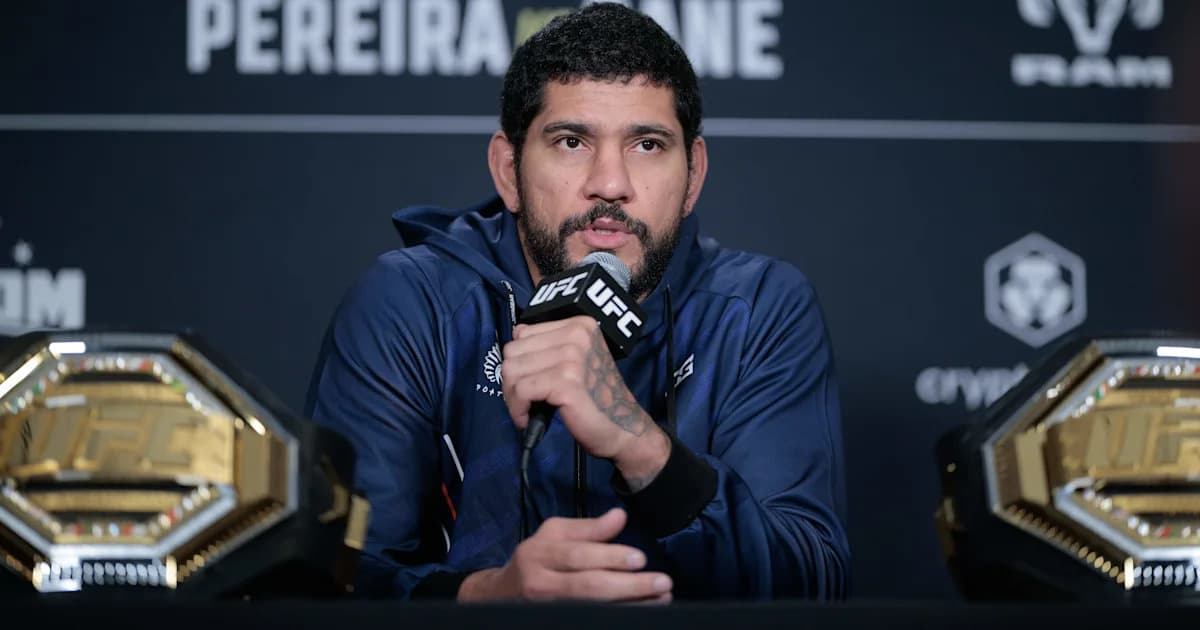
Alex Pereira Hints at Major UFC Bout: 'Big Challenge' Ahead
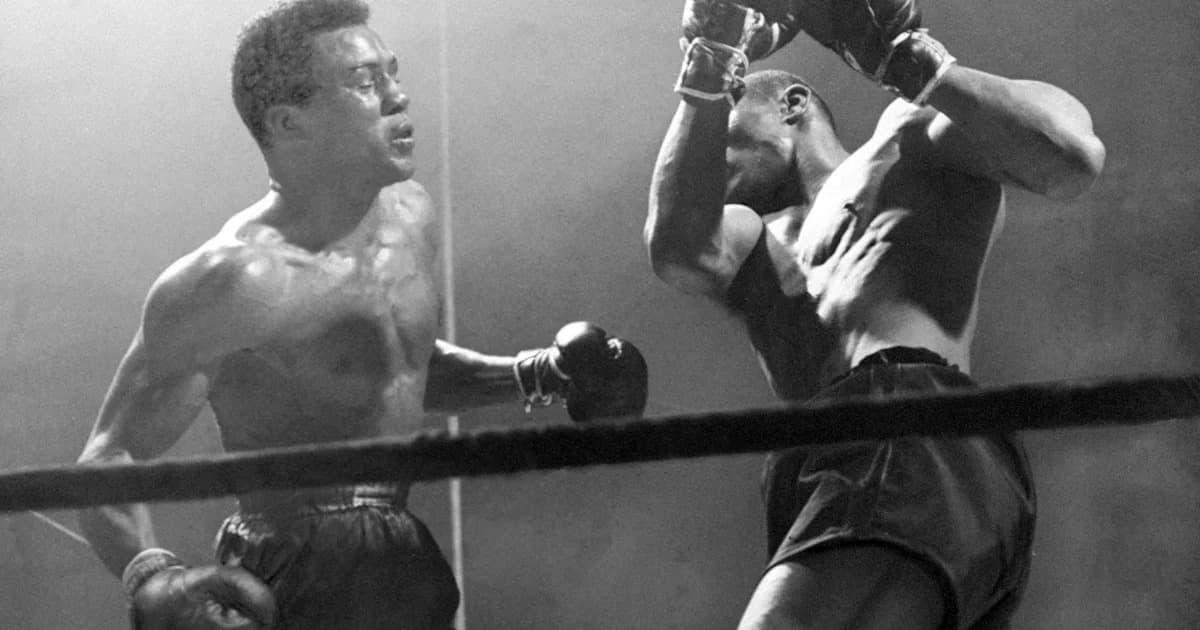
Three Hall of Famers, Ten Fights, 109 Rounds: The Forgotten Rivalry That Shaped Lightweight Boxing's Golden Era
Khamzat Chimaev and Colby Covington Set for RAF Abu Dhabi Title Clash in November
Thomas Tuchel Confident Harry Kane Will Join 100-Goal Club for England Soon
Cristiano Ronaldo Vows to Reveal Truth After Leaving Portugal Squad Amid Conflict