
Paul Scholes Critiques Arsenal's Transfer Strategy on Lewis-Skelly
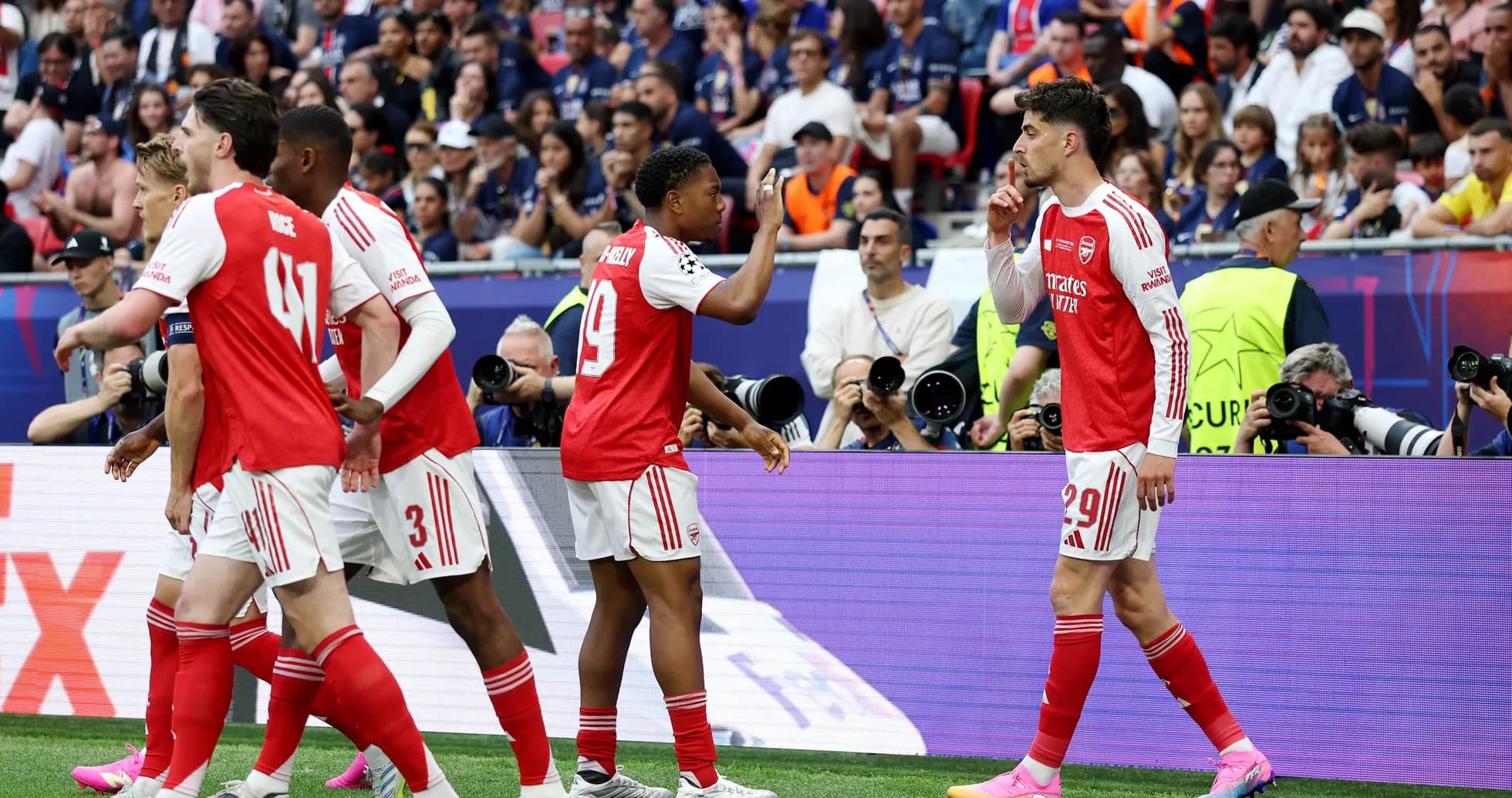
Paul Scholes has torn into Arsenal’s transfer thinking this summer, accusing the club of targeting the wrong sacrifice as speculation swirls around Myles Lewis-Skelly’s future.
The 19-year-old academy product has been linked with a shock move to Premier League rivals, yet in Scholes’ eyes it is one of Mikel Arteta’s marquee imports who should be feeling the heat instead.
Speaking on The Overlap Fan Debate, brought to you by Sky Bet, the Manchester United great did not bother dressing it up.
"I prefer Lewis-Skelly in centre midfield to Zubimendi," Scholes said. "I think Zubimendi struggled last year. If there’s one player you are going to get rid of, it would be him."
That line cut straight to the heart of a debate that has long divided big clubs: protect the academy jewel or double down on the expensive signing. Scholes was crystal clear which side he is on.
He went on to explain why losing a homegrown player would sting far beyond the balance sheet, drawing on his own experiences at Old Trafford. For him, forcing out a youngster raised in the club’s system to accommodate a signing from elsewhere damages the identity of the dressing room.
The 11-time Premier League winner reached back to one departure that still grates.
"It reminds me a little bit of when Danny Welbeck left Manchester United. I hated it, didn’t like it. Now, Danny was a little bit older than Myles Lewis-Skelly, but when you’re losing your own players, it’s disappointing."
That comparison will not be lost on Arsenal supporters. Welbeck’s move to North London became a symbol of United losing touch with their roots. Scholes is warning Arsenal not to repeat the same mistake from the other side of the trade.
If Scholes spoke with feeling, Jamie Carragher spoke with disbelief.
The Liverpool legend admitted he was stunned by reports earlier this week that Arsenal had potentially offered Lewis-Skelly to both Chelsea and Manchester United. The idea that the club might be actively placing such a talent in front of domestic rivals left him baffled.
"Do you think it’s from his side or the club’s side? That’s the thing that was a little bit strange about it," Carragher said. "It felt almost like Arsenal offered Manchester United Myles Lewis-Skelly. It wasn’t Myles Lewis-Skelly saying I want to leave or his people putting something out. That’s where the shock came from. I still can’t believe it."
The confusion stems not just from the player’s age, but from what he has already shown. Lewis-Skelly has impressed on major European nights, looking comfortable in situations that usually expose inexperience.
"You can’t play at that level unless you’re pretty special at that age," Carragher added. "All young players have ups and downs. Last season he didn’t play as much as he probably would have liked."
Those ups and downs are supposed to be managed, not traded away. That is the core of the argument from both former internationals: patience with genuine talent is a better investment than shuffling the pack for the sake of it.
Arteta, as ever, refused to be drawn into the noise.
When finally pressed this week on Lewis-Skelly’s future, the Arsenal manager slipped into neutral, offering no hint as to whether the club would cash in or close ranks around the teenager.
"I’m not going to talk about any speculation," he said. "If there is a speculation about our players, that’s a good sign."
For now, the speculation rages on. So does the question Scholes and Carragher have thrown back at Arsenal’s hierarchy: in a squad built to challenge for titles, who do you really back when it matters — the expensive import, or the kid who came through your own doors?
Related News

Cristian Romero Leaves Tottenham for Atletico Madrid in €40m Transfer

Andy Robertson Celebrates First Solo Win with Walk On Harry

Liverpool's Pursuit of Bradley Barcola: A Transfer Saga
Liverpool's Transfer Window: Barcola Pursuit and Gakpo's Future
Gabriel Martinelli Stays at Arsenal Amid Galatasaray Interest

Liverpool Targets Young Right-Back Hector Fort from Barcelona