
Pittsburgh Riverhounds Dominate Miami FC in Tactical Showdown
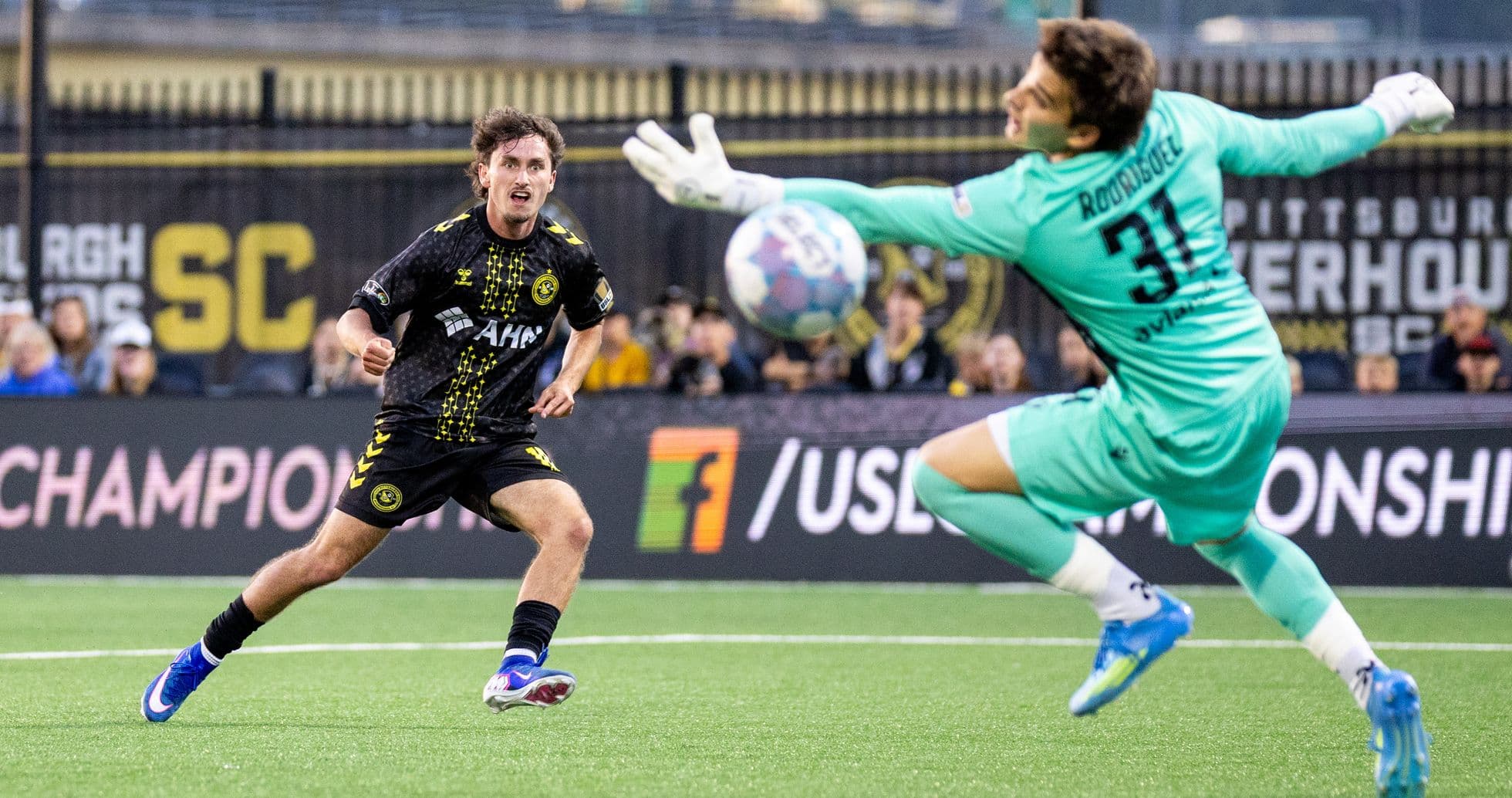
Highmark Stadium under the lights, a May chill rolling off the river, and two playoff-ambitious sides stepping into a Group Stage contest that felt like a dress rehearsal for knockout football. Pittsburgh Riverhounds versus Miami FC ended 2–0 to the hosts, but the scoreline only hints at the deeper tactical story: a clash between a high‑tempo, front‑foot home side and an away team still searching for defensive balance.
Heading into this game, the table had these two locked in the same mini‑universe. Pittsburgh sat 5th in USL 1 with 16 points from 10 matches, their overall goal difference a slim +1 (14 scored, 13 conceded). Miami mirrored the points tally, 16 from 12, but carried a heavier defensive burden: a goal difference of -4, the product of 15 goals for and 19 against. Both were on the promotion track toward the USL Championship Play Offs 1/8-finals, but their routes were starkly different.
For the Riverhounds, the seasonal DNA is clear: Highmark is a weapon. At home they had already taken 9 points from 4 matches, winning 3 and losing just 1, with 7 goals scored and only 4 conceded. Their attacking profile is front-loaded and relentless. Overall they average 1.8 goals at home and 1.4 in total, with a pronounced surge right after the interval: 30.77% of their goals arrive between 46–60 minutes, supported by early strikes in the opening 15 (23.08%). This is a side that comes out of the dressing room with a plan and the legs to execute it.
Miami FC, by contrast, arrived as a paradox. On their travels they average only 0.9 goals for but concede 1.4, part of an overall 1.6 goals against per match. Their attacking output is spread across phases – 23.08% of their goals come in each of three bands: 16–30, 46–60, and 76–90 – suggesting a team capable of surging in waves rather than dominating a single period. Defensively, however, the pattern is more troubling: 61–75 minutes is their soft underbelly, with 23.81% of goals conceded in that window, and another 19.05% in both 46–60 and 76–90. The second half, in other words, is where Miami tend to unravel.
Lineups
The lineups only sharpened those narratives. Rob Vincent sent out a Riverhounds XI built for verticality and work rate: N. Campuzano in goal, protected by a back line anchored by P. Barnes, V. Souza, O. Mikoy, and L. Kelp. In front of them, D. Griffin and E. Goldthorp offered legs and aggression, while R. Mertz and C. Ahl provided the connective tissue between lines. Up front, A. Dikwa and S. Bassett were the twin points of pressure, tasked with stretching Miami’s back line and forcing turnovers high.
Gaston Maddoni’s Miami FC, on the other hand, leaned on technical control and positional play. F. Rodriguez started in goal behind a defensive unit featuring B. Ndiaye, D. Knutson, A. Calfo, and A. Milesi. In midfield, G. Diaz and R. Tori were asked to screen and circulate, while J. Sonora and R. Da Costa added creativity in advanced zones. Wide and central attacking duties fell to M. Ndongo and A. Rocha, tasked with exploiting transition moments that Miami’s season-long profile suggests they often rely on.
There were no listed absences, so both coaches had near-full squads and deep benches. For Pittsburgh, the likes of B. Etou, T. Amann, M. Viera, J. Garcia, and A. Flowers-Gamboa waited as impact options. Miami’s bench, with Tulu, B. Bent, T. Musto, A. Naranjo, M. Diallo, and T. Celdran, offered fresh legs but perhaps less proven attacking edge on the road.
Disciplinary Trends
Disciplinary trends hinted at another battlefront. Riverhounds’ yellow cards are spread but spike late: 25.00% of their cautions come between 31–45 minutes and another 25.00% between 76–90, a sign of a team willing to foul to control tempo before and after the break. Miami’s profile is more volatile: 25.71% of their yellows fall in each of the 61–75 and 76–90 windows, with a red card already on the books in the 61–75 band. That combination – late fatigue, chasing games, and ill‑timed challenges – has been a recurring drag on their defensive stability.
Key Matchup
The key matchup, the “Hunter vs Shield”, played out in the timing bands. Pittsburgh’s attacking peak in the 46–60 window, followed by sustained threat through 61–75 and 76–90 (a combined 61.53% of their goals from 46–90), ran directly into Miami’s weakest defensive stretch. With Miami conceding 61.90% of their goals from 46–90 minutes, this was always likely to be decided after half-time. The Riverhounds’ pressing forwards – Dikwa and Bassett – and the late-arriving midfielders like Mertz and Ahl were structurally primed to exploit a Miami block that tends to lose shape as legs tire.
In the “Engine Room”, the duel between Pittsburgh’s central pair (Griffin and Goldthorp) and Miami’s shield (Diaz and Tori) was critical. Pittsburgh’s season numbers – just 1.3 goals conceded overall, 1.0 at home – reflect a midfield that protects its back line well and limits clean entries. Miami’s 1.6 goals against in total, with 10 conceded away, reveal a unit that struggles to consistently screen the spaces in front of their defenders. Over 90 minutes, that imbalance tilted territory and chances toward the hosts.
Following this result, the 2–0 home win fits almost perfectly with the statistical prognosis. Riverhounds’ profile – strong at home, sharp after the interval, and defensively controlled – translated into a clean sheet and multiple scoring phases. Their penalty record this season remains flawless, with 2 penalties scored from 2 taken and none missed, reinforcing a sense of composure in decisive moments. Miami, despite flashes of attacking threat, again found their away defensive structure stretched in the very windows where the data said they were most vulnerable.
From a tactical lens, this felt less like a one-off and more like a confirmation. Pittsburgh look every inch a playoff-calibre side: disciplined without the ball, ruthless in their second-half surges, and buoyed by a Highmark Stadium that amplifies their strengths. Miami remain talented but brittle, a team whose attacking waves cannot yet mask the structural cracks that appear once the clock ticks past 45 minutes. In a competition where the margins in a 1/8-final can be defined by a 15-minute spell, those patterns will matter even more than this single night by the river.
Related News
San Antonio's Tactical Edge Secures 2–1 Victory Over Colorado Springs

Charleston Battery Dominates Loudoun United 4–1 in Statement Win

Miami FC vs Orange County SC: USL Championship Clash Highlights
Colorado Springs vs San Antonio: USL Championship Group Stage Preview

Charleston Battery vs Loudoun United: Match Preview
Miami FC vs Orange County SC Match Preview