
Pivotal Weekend for USMNT Stars in Europe: Tillman, Aaronson, Robinson, Pepi
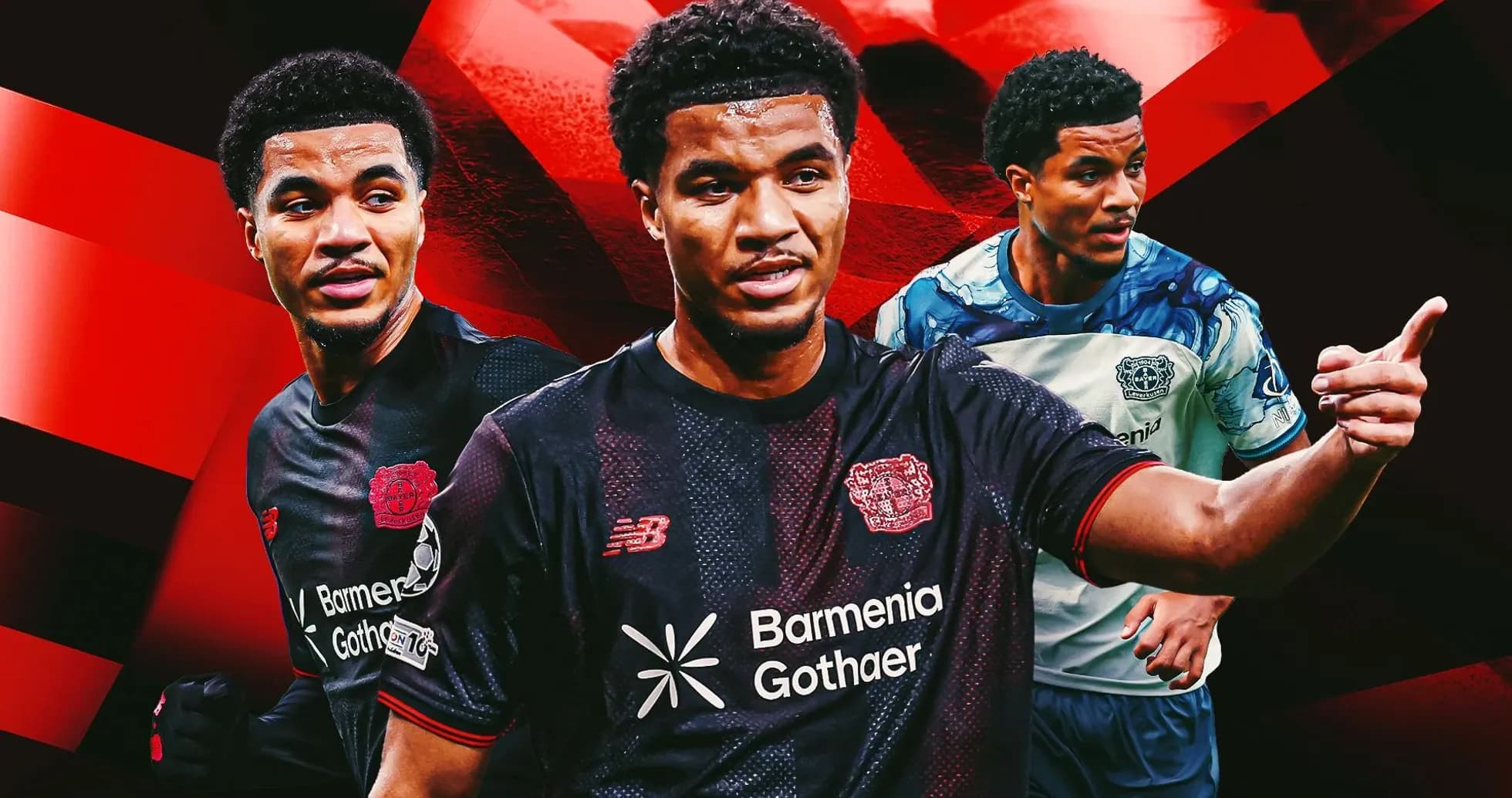
Tillman’s second chance, Aaronson’s ceiling, Robinson’s reset and Pepi’s stall: a pivotal weekend for USMNT stars in Europe
Tillman, reimagined – now he has to deliver
Malik Tillman just played the World Cup of his life. Not as the silky, free-roaming No.10 he once was at PSV, but as something far more demanding.
Mauricio Pochettino did what two managers at Bayer Leverkusen never managed to pull off: he tore up the old scouting report and rebuilt Tillman as a No.8. The American’s game shifted from pure flair to hard-running, high-pressing, ball-carrying authority. He became a machine without losing the magic. Those two outrageous free-kick goals will sit in USMNT highlight reels for years.
Now comes the awkward part: going back to a club that has changed almost beyond recognition.
The Leverkusen Tillman joined a year ago were Bundesliga kings, Champions League-bound, still buzzing from finally breaking Bayern Munich’s grip on the title in 2024. That version is gone. The current one is bruised, confidence dented by a flat, underwhelming season that ended with Europa League, not Europe’s top table.
Tillman didn’t exactly light it up in that slump. Six goals and one assist across the campaign is a thin return for a player of his talent, especially in a side that needed someone to grab games and twist them its way.
Now he gets a reset.
Carles Martínez Novell arrives from Toulouse with a reputation for squeezing the most out of limited resources. Four years of overachieving in France have made him a manager on the rise, and stylistically he feels like the right fit for a club trying to rediscover its identity. He wants progressive football. He wants the ball moved quickly and aggressively through the lines.
That should suit Tillman. Whether Martínez Novell sees him as a Pochettino-style No.8, driving and pressing from deep, or as a more traditional No.10, floating between the lines, there is clearly room for him in this new project.
And the fixture list has handed him a soft landing. Elversberg, fresh to the Bundesliga, arrive as ideal opposition for a player looking to stamp his authority early. If Tillman wants to turn a brilliant World Cup into a defining club season, this is the kind of game where he has to start bending things to his will.
Aaronson, the worker who needs end product
Brenden Aaronson remains a puzzle. You get the effort. You get the energy. You get the constant improvement in his all-round play. Yet the numbers still whisper the same question: is this enough?
For a player with his reputation, 33 goals and 31 assists across 268 league games feels light. The industry is there, but the final punch often isn’t.
Even so, he has survived and then convinced at Leeds. Under Daniel Farke, Aaronson has moved from nearly-man to trusted starter. That in itself is no small achievement after the turbulence of his time at the club.
His first outing of the season underlined why Farke trusts him. Lining up on the left in a 1-0 win over Nottingham Forest, Aaronson didn’t create a single chance, but his work without the ball told the story: seven defensive contributions, 14 sprints, six ball recoveries. Classic Aaronson – a winger who doubles as an extra presser, an extra runner, an extra set of legs when the game starts to fray.
The problem, as ever, lies in the final third. Leeds have tried to ease that burden. Harry Wilson’s arrival on the right gives them a more natural creator and goal threat, someone who can share the responsibility Aaronson has often carried without quite having the weapons to justify it.
Even with Wilson in the side, though, Leeds still look a little short of spark in attack. Against a drilled, well-organised Brentford on Sunday, that gap in cutting edge could become glaring.
Aaronson’s place feels safe. His role does not. At some point, the numbers have to move. If he wants to be seen as more than a system player, more than a manager’s favourite, he needs to turn all that running into something the scoreboard can see.
Robinson and Fulham’s wild new world
Alvaro Arbeloa’s first Premier League game as Fulham manager was chaos. The kind of chaos that sells tickets.
Fulham lost 3-2 to Chelsea, but they were alive. They attacked, they improvised, they leaned into the talent of a young, expressive squad. For a coach who never quite controlled the egos at Real Madrid, this might be the environment he always needed: less politics, more pure football.
Antonee Robinson sits right at the heart of that idea.
Arbeloa wants his full-backs to be brave, to join attacks, to overload wide areas and feed the storm in the final third. That is Robinson’s natural game. His greatest strength has always been his ability to surge forward, carry the ball and break lines with his passing.
Against Chelsea, the numbers backed that up. Robinson played more line-breaking passes than Fulham’s left winger, Cesar Palacios. He wasn’t just overlapping; he was helping to build the attacks.
The flip side was brutal. Cole Palmer toyed with him for long stretches. Palmer produced a masterclass, drifting inside, drifting wide, always one step ahead. Robinson struggled to contain him, and Fulham paid for it.
So now comes the rebound test.
Sunderland arrive in an odd state. They somehow fought their way into European qualification last season and now face the strain of a Europa League campaign. Rotation, tired legs, and split focus all threaten to drag them down. On paper, they look vulnerable.
For Robinson, this is the kind of game where he has to show both sides of his brief. The front-foot, line-breaking full-back Arbeloa wants – and the solid defender Fulham need if this adventure is going to last beyond the early thrill.
Pepi, stuck on the launchpad
Ricardo Pepi went to the World Cup with a chance to own the USMNT No.9 shirt. He left with a blank.
No goals, no assists, around 200 minutes on the pitch. For a striker tipped for a breakout tournament, it was a jarring return.
The months since have been no less strange. In January, Pepi looked close to a Premier League move. Then came a broken arm. Instead of a transfer, there was recovery, then a return to doing what he does best: scoring for PSV.
The goals came, but the step up didn’t. No move this summer. No big leap to a higher-profile league. Just more of the same, with a faint sense that time is ticking on the next stage of his career.
PSV won’t complain. For them, Pepi is central. He is their main striker, the man expected to carry the goal-scoring load as they defend their title and juggle the demands of the Champions League. He has already struck twice in his first three league games, a reminder that whatever the noise around him, he remains a reliable finisher.
Utrecht at home is the next assignment. Another chance to keep the domestic rhythm going, to turn a decent start into something more substantial.
For Pepi, this season feels like a crossroads. Keep scoring at this rate and the offers will come again. Stall, and the narrative shifts from “next big thing” to “good Eredivisie striker.”
For Tillman, Aaronson, Robinson and Pepi, the coming days are not just about three points. They’re about direction. Which of them turns a promising chapter into a defining season?
Related News
Aston Villa Signs Jackson: A Reunion with Unai Emery
Liverpool's Midfield Crisis: The Case for Lamine Camara
Aston Villa's Forward Line Transformation: Nicolas Jackson Joins
Marcus Rashford Rejects Istanbul Move to Stay at Manchester United
Virgil van Dijk's Challenge as Liverpool Embraces Iraola Era
Valencia Targeting Harvey Elliott for Summer Move