
How Politics Influences World Cup Referee Assignments
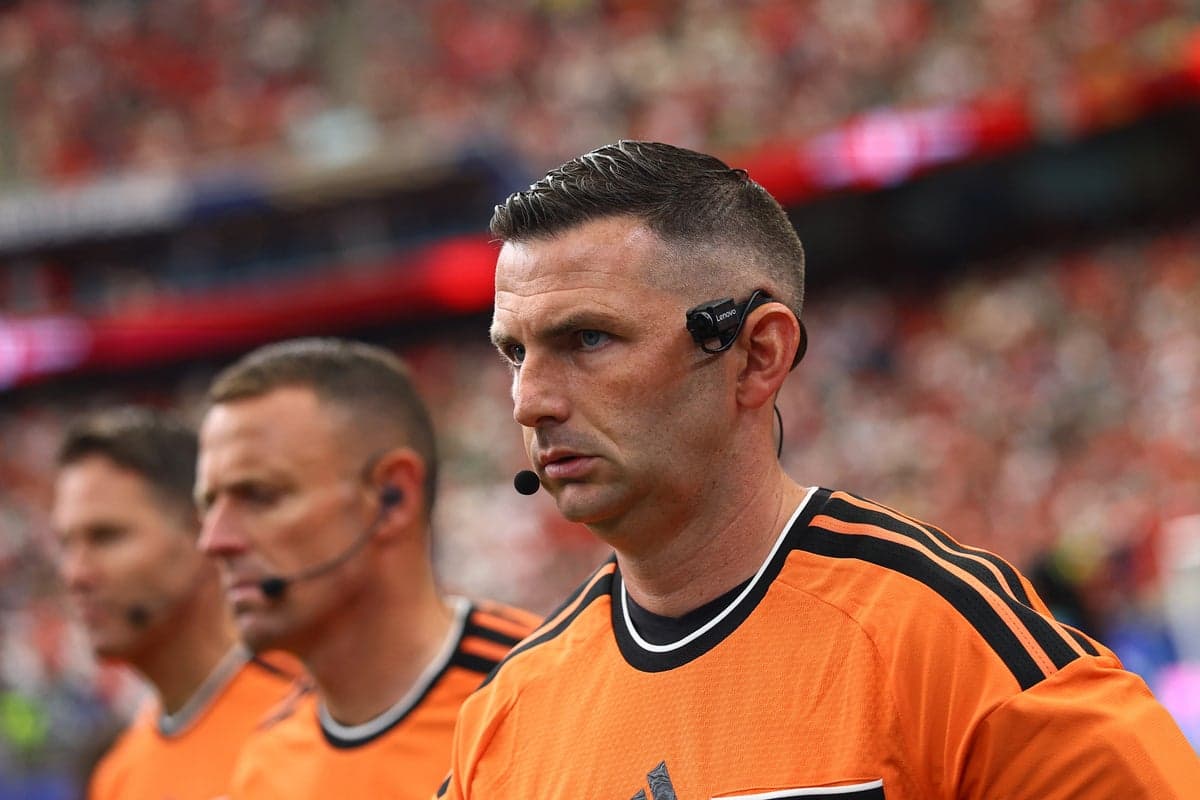
As the 2026 World Cup progresses, attention has shifted beyond players to focus on referees and their assignments. This week stirred debate after an all-Argentine officiating team was named for France's 2-0 victory over Morocco on Thursday.
Fans questioned this move, especially since France might face defending champions Argentina in the final, repeating the 2022 scenario. FIFA also revealed that English referees Anthony Taylor and Michael Oliver are barred from overseeing Argentina's matches due to lingering sensitivities from the Falklands War, which occurred 44 years ago.
What Drives FIFA’s Referee Selection?
Performance remains the primary criterion. Referees undergo rigorous multi-year evaluations led by FIFA's Referees Committee, headed by Pierluigi Collina, a revered former World Cup final referee. Referees usually operate with two assistants throughout the tournament, making teamwork vital.
Besides merit, geopolitical factors influence appointments. For instance, officials never oversee games involving their home country or matches directly affecting their nation’s potential opponents. An English referee would avoid games like Panama vs Croatia or Argentina vs Switzerland if England could face the winner next.
The principle of neutrality often guides selections. If an African team meets a South American one, a European referee is preferred. Conversely, when two European teams clash, such as Spain vs Belgium, a European official is acceptable. Political tensions also matter; American referees did not officiate Iran’s matches amid ongoing conflicts.
Does the Falklands War Affect Referee Assignments?
FIFA acknowledges the Falklands War influences decisions. English referees won’t oversee Argentina’s games or any match impacting Argentina’s progress, and vice versa. This reality makes it unlikely either Taylor or Oliver will officiate the final, since England and Argentina share the same half of the draw.
The conflict remains sensitive, particularly after Argentina’s players celebrated a win by singing “Muchachos,” a song referencing the Malvinas, the Argentine name for the islands. Older conflicts, such as World War II, do not affect referee choices, allowing, for example, a German official to oversee an England match.
Have There Been Exceptions?
Yes. In 2006, Argentine referee Horacio Elizondo officiated England’s controversial quarter-final loss to Portugal, a game remembered for Wayne Rooney’s red card following a clash with Ricardo Carvalho. FIFA has not clarified why current restrictions tied to the Falklands War were not applied back then.
Related News
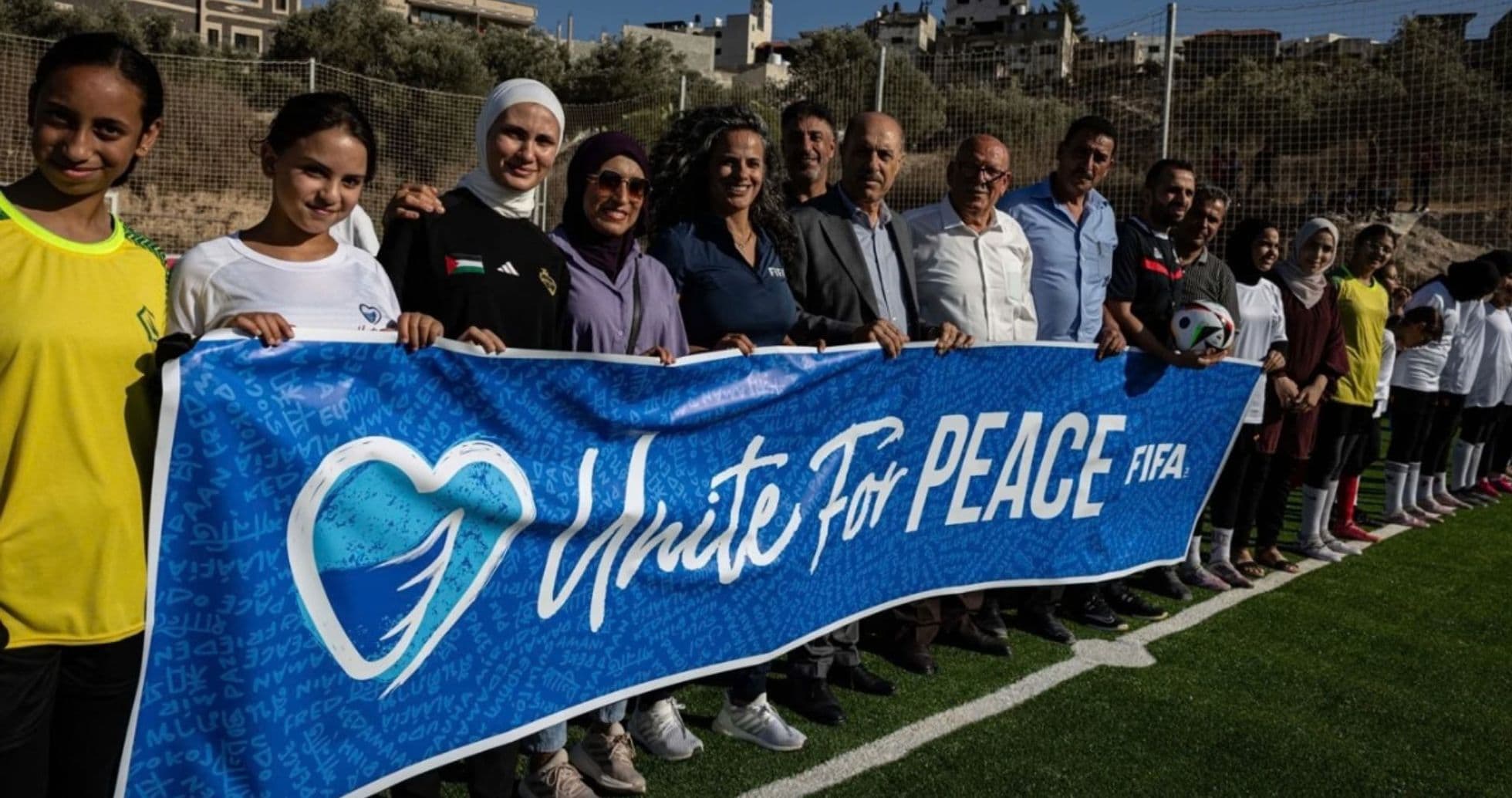
FIFA Opens New Football Arenas in Palestine to Support Youth in the West Bank
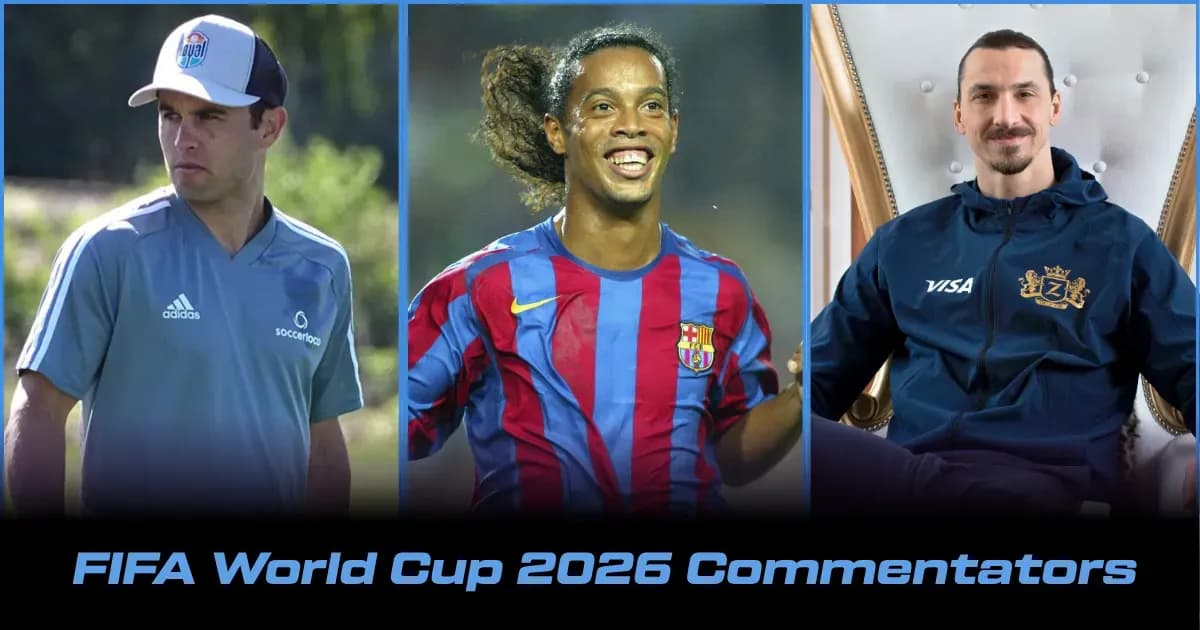
FIFA World Cup 2026: Complete List of Commentators and Presenters
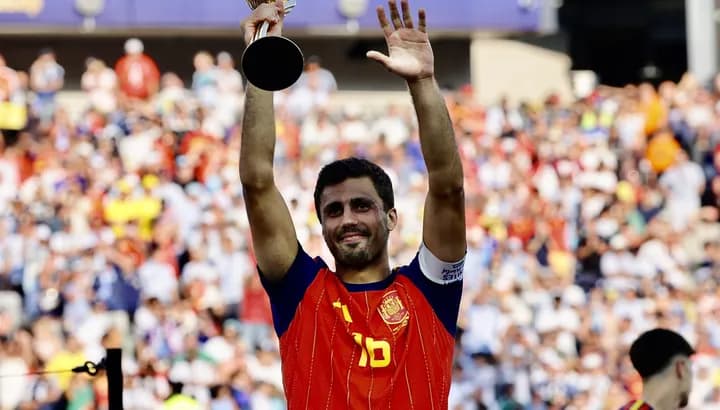
World Cup 2026 Best XI: Messi, Rodri, Mbappe Lead the Team of the Tournament

Spain's Tactical Mastery Secures Second World Cup Victory in 2026
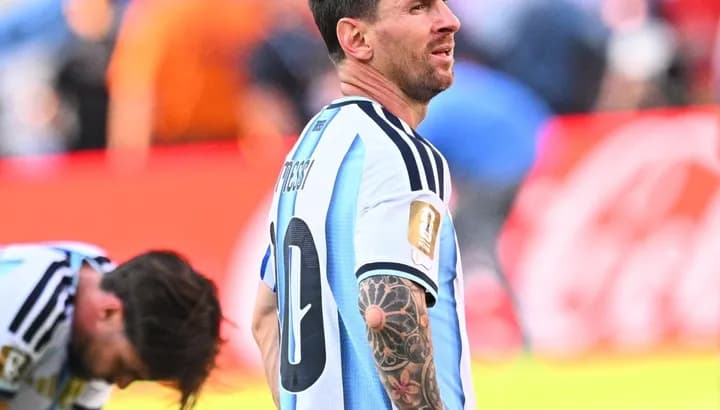
Top 10 Players of the 2026 World Cup: Mbappe or Messi at the Summit?
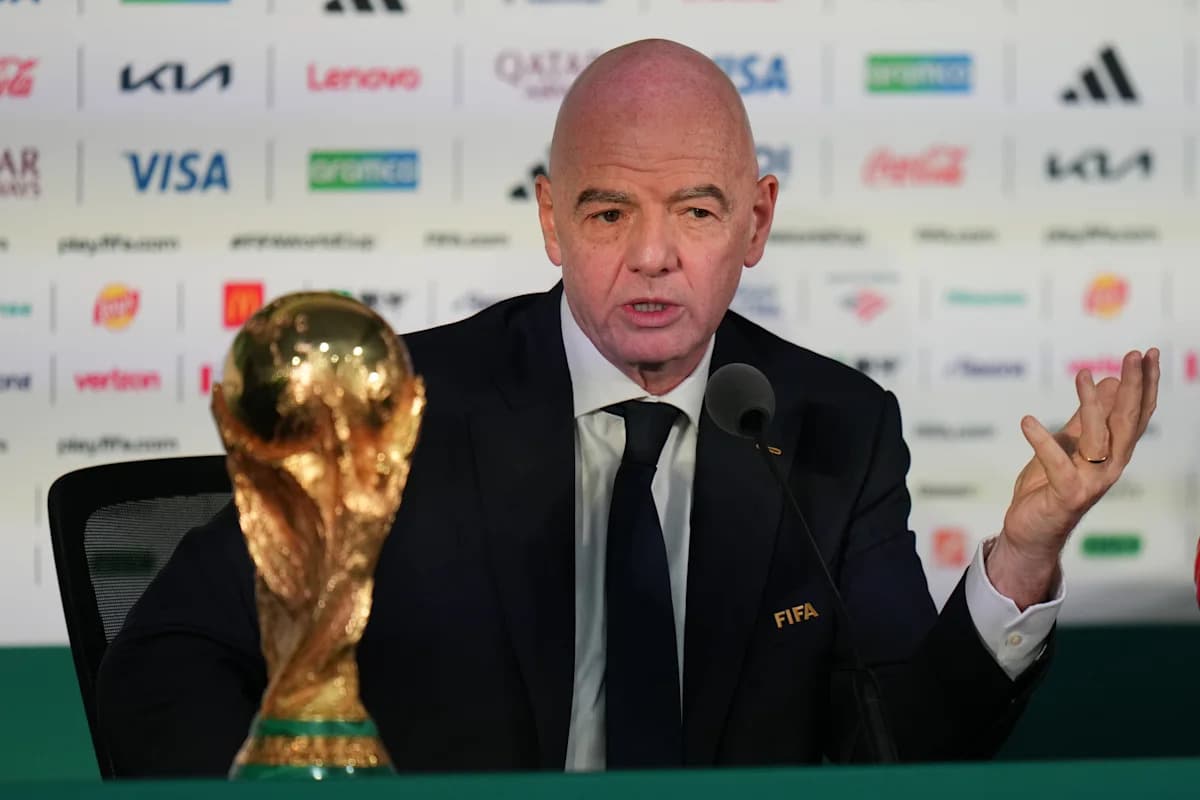
Gianni Infantino Responds to Critics Amid 2026 World Cup Celebrations