
How Premier League Clubs Are Sidestepping the New Anti-Gambling Shirt Sponsorship Rules
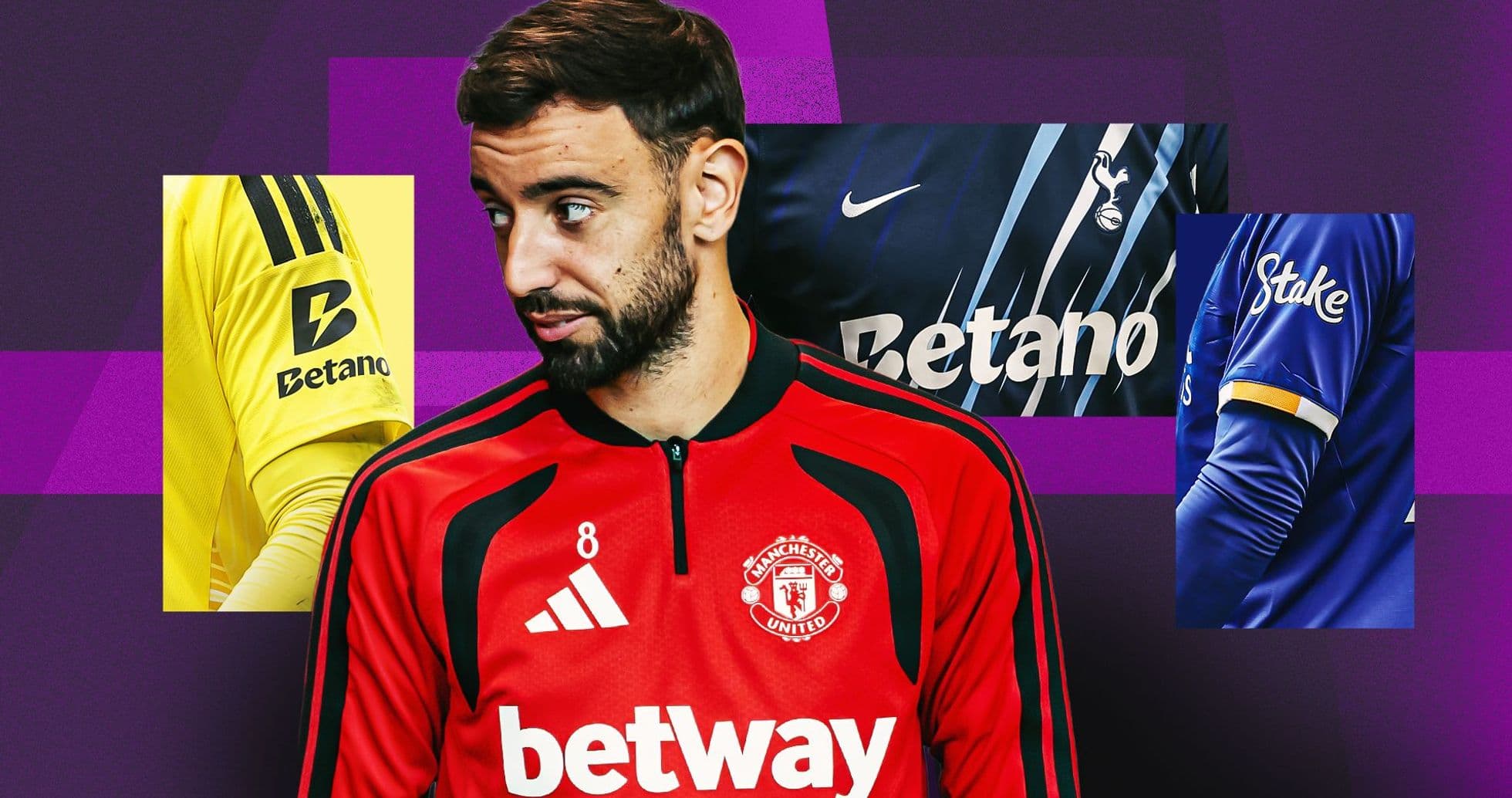
Betting companies can no longer appear on the front of Premier League matchday shirts following a historic ban agreed by all 20 clubs. Yet, major clubs like Manchester United and Tottenham Hotspur have quickly found ways to keep gambling brands highly visible, casting doubt over the ban's effectiveness.
The Ban and Its Origins
The decision to remove betting sponsors from shirt fronts was first agreed over three years ago, although 18 out of 20 clubs originally opposed a full ban. The move, announced in April 2023, was aimed at reducing gambling advertising in football as part of wider government consultation and efforts to promote responsible sponsorship.
- Ban effective from: 2026-27 season
- Number of clubs with gambling shirt sponsors before ban: 11 of 20
- Estimated combined deal value: £104 million (2024-25 season)
This ban followed two decades of rapid growth in gambling sponsorships after the 2005 Gambling Act liberalized advertising rules. Tottenham led the way in 2006, signing a lucrative deal with online casino Mansion. Many other clubs soon followed, with up to 28 out of 44 Premier League and Championship clubs sporting betting logos in 2019.
The Persistence of Gambling Ads Despite the Ban
Even though betting logos are no longer on shirt fronts during matches, gambling advertisements remain widespread. Stadium hoardings, pre-match kits, training wear, and media coverage continue to feature these brands prominently. Sky Sports and TNT broadcasts still showcase gambling sponsors, while Sky Bet backs all three Football League divisions.
Research suggests that before the ban, up to 3,500 gambling logos could appear during a single televised Premier League match, showing just how entrenched the industry remains.
Nick Harvey from the Coalition to End Gambling Ads said: "If clubs were allowed to promote near-identical brands elsewhere, it makes a mockery of the whole exercise. Removing shirt-front logos is already just a gesture."
Training Kits and Sleeve Sponsorships Exploit a Lucrative Loophole
Gambling companies are still permitted on sleeves, training kits, and pre-match tops. This loophole has been exploited by some top clubs this season.
- Manchester United: Signed a record £20 million per year training kit deal with Betway, featuring branding on men's and women's training kits and matchdays at Old Trafford.
- Tottenham Hotspur: Partnered with Betano for training and pre-match wear.
- Everton and Aston Villa: Moved gambling sponsors from shirt fronts to sleeves; six Premier League clubs now have sleeve deals with betting firms.
These sponsorships reach fans through stadium exposure and social media content, meaning gambling advertising continues to be highly visible, even to younger audiences.
Government Focus on Unlicensed Gambling Sponsors
The UK government is targeting unlicensed gambling operators sponsoring Premier League clubs. A proposed ban would make such deals illegal if approved.
- Clubs with unlicensed sponsors include Everton (Stake.com), Fulham (SBOTOP), and others.
- Unregulated gambling markets earned nearly £380 million from UK users in the first half of 2025.
- Concerns include lack of consumer protections and links to addiction, financial harm, and suicide.
The Premier League reportedly opposes this ban, arguing many of these services are not technically available in the UK.
A DCMS spokesperson stated: "We welcome the voluntary ban on front-of-shirt gambling sponsorship but are concerned about unlicensed operators still raising their profile through other sponsorships."
The Big Step Campaign and Personal Stories
The Big Step campaign, driven by people affected by gambling harm, has pushed for an end to gambling advertising in football for seven years. It reports 117 to 496 gambling-related suicides annually in England, with over 10% of young adults facing problem gambling.
James Grimes, a recovering addict and director of the national gambling harm prevention program Chapter One, started the campaign in 2019 by walking between stadiums of clubs with gambling shirt sponsors. He lost £100,000 over 12 years before quitting in 2018.
Grimes told GOAL: "Football promoted something that later destroyed my life. Even in recovery, the amount of gambling ads made watching football difficult."
Criticism of Loopholes and Industry Priorities
Grimes condemns clubs exploiting loopholes to profit from gambling sponsorships despite the ban on shirt fronts.
"The gambling and football industries will always maximize profit, which is not the right direction," he said. "More advertising means more gambling harm, especially among young people."
He argues football has a responsibility to shield young fans from gambling promotion during matches and on social media.
Contradictions Highlighted by Player Cases
Gambling addiction also affects players. Former Brentford striker Ivan Toney received an eight-month ban for 232 betting breaches after being diagnosed with gambling addiction. Tottenham’s Sandro Tonali was suspended for 10 months for betting violations during his time in Italy and admitted to developing a gambling problem.
Ironically, Tonali now wears training gear displaying Betano's logo, one of the gambling sponsors recently signed by Spurs, a situation criticized by The Big Step.
Grimes remarked: "Clubs have players who struggled with gambling addiction yet force them to advertise the very thing that harmed their lives."
Small Steps but Much More Needed
The ban on front-of-shirt gambling sponsors is seen as only a small step forward by advocates like Grimes.
"It’s a drop in the ocean compared to the volume of gambling messages still present across football," he said. "Football prioritizes profit over public health, but we feel some pride in what we've achieved."
The Premier League did not comment on clubs’ exploitation of loopholes but maintains the ban reduces brand visibility and is part of a broader approach to socially responsible gambling sponsorship.
Related News
Fulham vs Manchester United Predicted Lineups: Team News and Match Insights
Bournemouth vs Liverpool Predicted Lineups: Team News and Match Analysis
Brentford vs Chelsea Preview: Key Bets, Odds and Expert Picks for Premier League Clash
Fulham vs Manchester United: Premier League Clash Preview
Bournemouth vs Liverpool Preview: Key Rivalry in Premier League
Fulham vs Manchester United Prediction: Key Stats and Betting Tips