
Premier League Transfer Fees: Why Some Remain Undisclosed and Other Common Questions
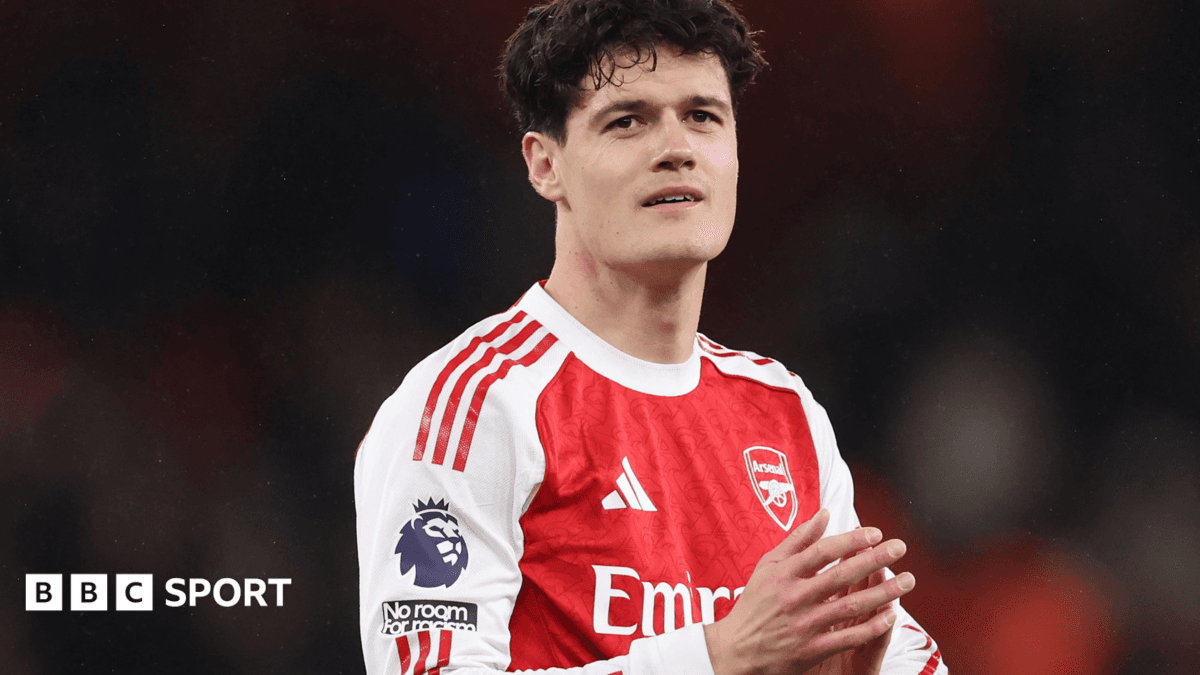
During the busy transfer window, many fans wonder why certain clubs choose not to make transfer fees public. The main reason is strategic secrecy. Clubs prefer to keep their spending private so rival teams cannot gauge how much budget remains for future signings or replacements.
Although in today’s world, leaks from agents and insiders often reveal these figures, some clubs still opt for discretion. When English clubs deal with foreign teams listed on stock exchanges, such as Lyon or Juventus, the overseas club must disclose the exact fee publicly. Yet, English sides sometimes still list the fee as undisclosed, maintaining a level of opacity despite the information becoming available elsewhere.
Understanding Homegrown Players in the Premier League
A homegrown player is defined by time spent training with clubs in England or Wales rather than by nationality. To qualify, a player must have been registered with an English or Welsh club for at least three full seasons or 36 months before turning 21.
This rule applies even if the player is not English. For example, Joao Pedro, born in Brazil, became homegrown after joining Watford at 18 and spending the required time there. This differs from UEFA’s rules, which only consider the period between ages 15 and 21.
When Being English Isn’t Enough
Some players born in England or who represent England internationally don’t count as homegrown if they didn’t spend enough developmental years in England. Eric Dier was considered overseas because he completed much of his football education in Portugal, not England.
On the flip side, Noni Madueke trained in English academies for several years before playing abroad, making him homegrown despite his stint at PSV Eindhoven.
Similarly, Jeremie Frimpong, although born in Amsterdam and playing for the Netherlands, qualifies as homegrown due to his nine years in Manchester City's academy.
The Mechanics of Sell-On Fees
Sell-on fees are payments made to a player's former club when that player is sold again for a profit. Here’s how it usually works:
- Team A sells a player to Team B for £5 million.
- Team B later sells the same player to Team C for £20 million.
- The sell-on fee applies to the profit (£15 million in this case), so a 10% fee would amount to £1.5 million payable to Team A.
If the larger transfer fee is paid in installments, the sell-on fee typically follows the same payment schedule. Team A receives payments only after Team B is paid by Team C. Sometimes contracts specify immediate payment of the sell-on fee or allow negotiations for early settlement at a discounted amount.
Additional FAQs Answered by BBC Sport’s Ask Me Anything Team
- Rules governing player swaps during transfer windows.
- Reasons why the EFL Cup matches are scheduled on weekends.
- New financial regulations Premier League clubs must adhere to.
- Changes introduced in the Fantasy Premier League for the 2026-27 season.
Related News
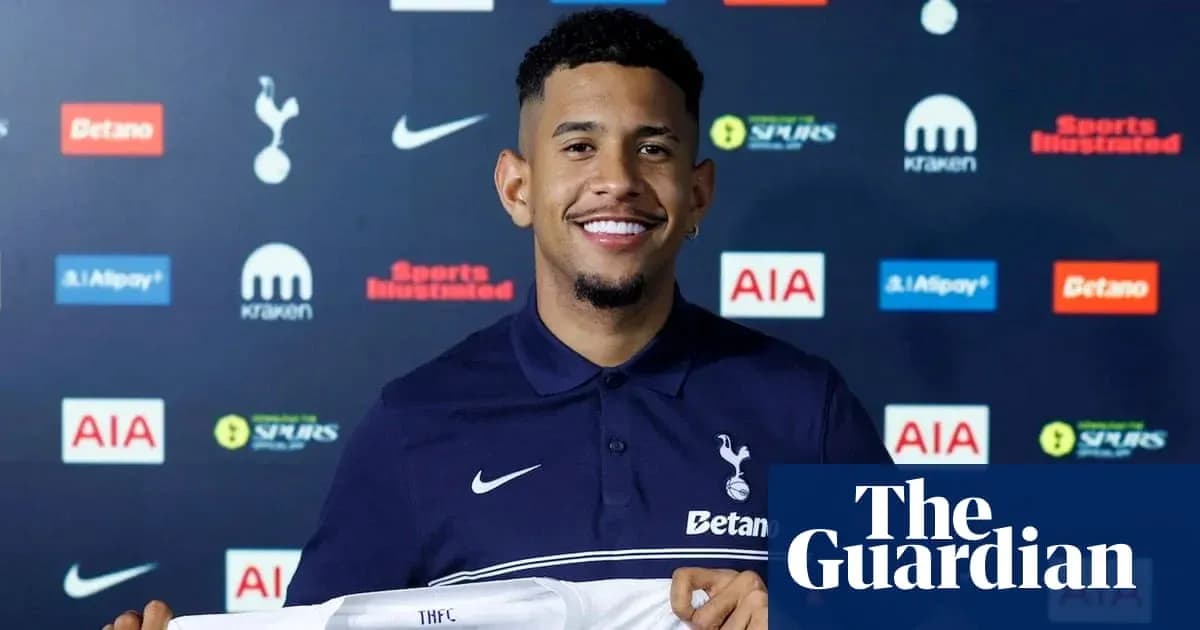
Tottenham Signs Sávio for £75m as De Zerbi Era Begins
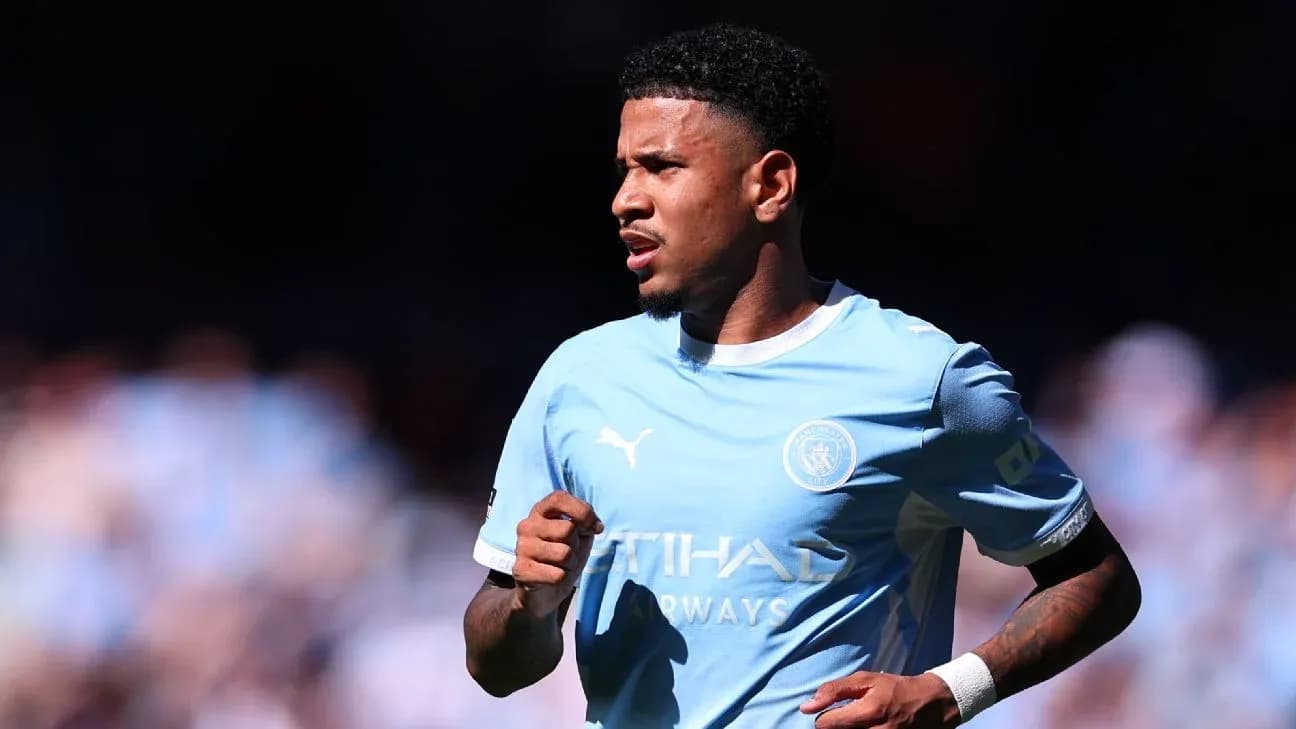
Sávio Joins Tottenham in £85 Million Deal as De Zerbi's Rebuild Gains Momentum
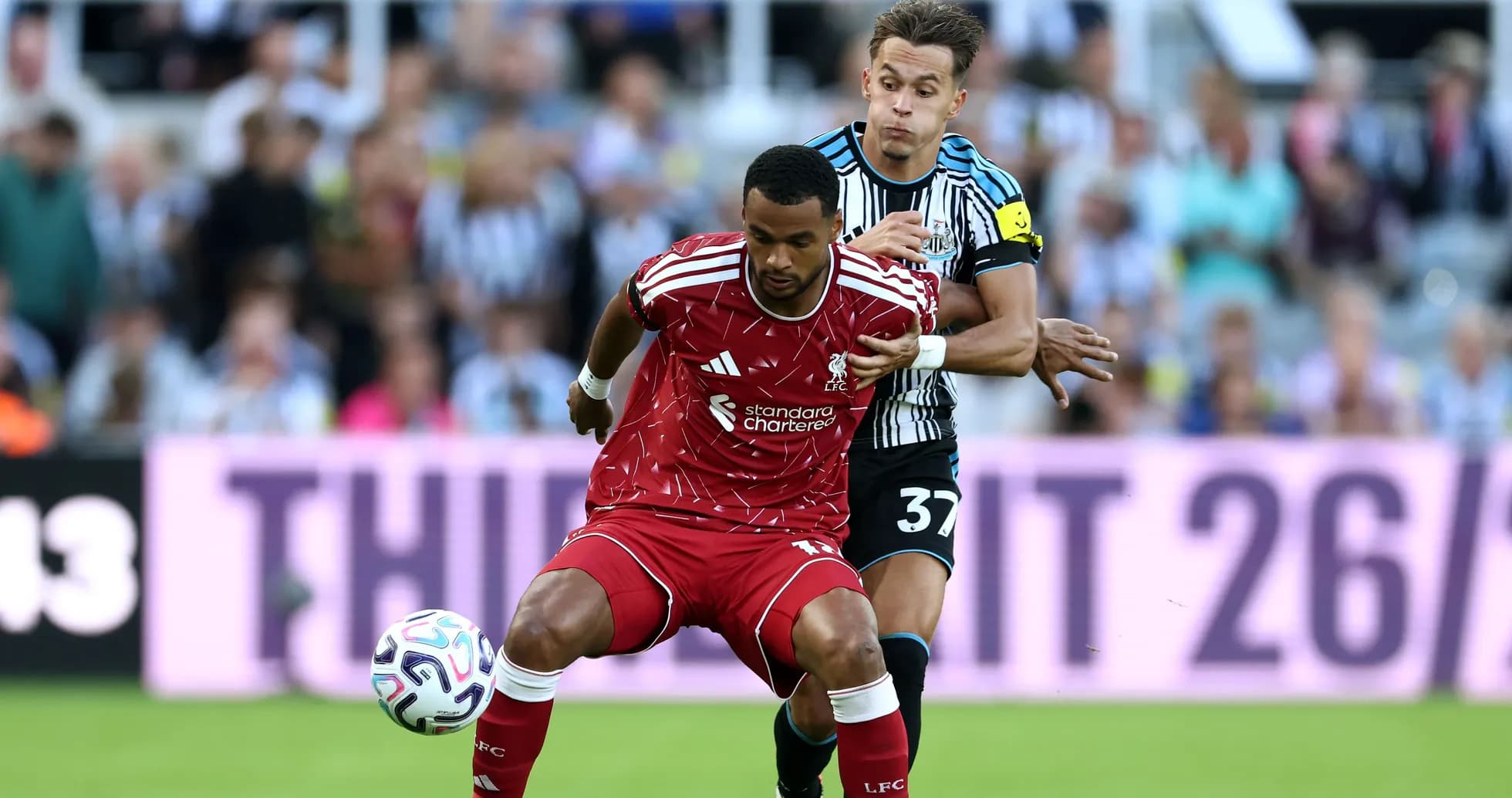
Cody Gakpo Transfer Battle: Manchester City vs Tottenham

Inter Milan's New English Signings: A Shift in Serie A
Chelsea Pursue Eduardo Camavinga After Scott Bid Rejected
Steve McManaman Doubts Barcelona's Haaland Pursuit