
Premier League Trophy: A 22-Year Wait Ends in Glory
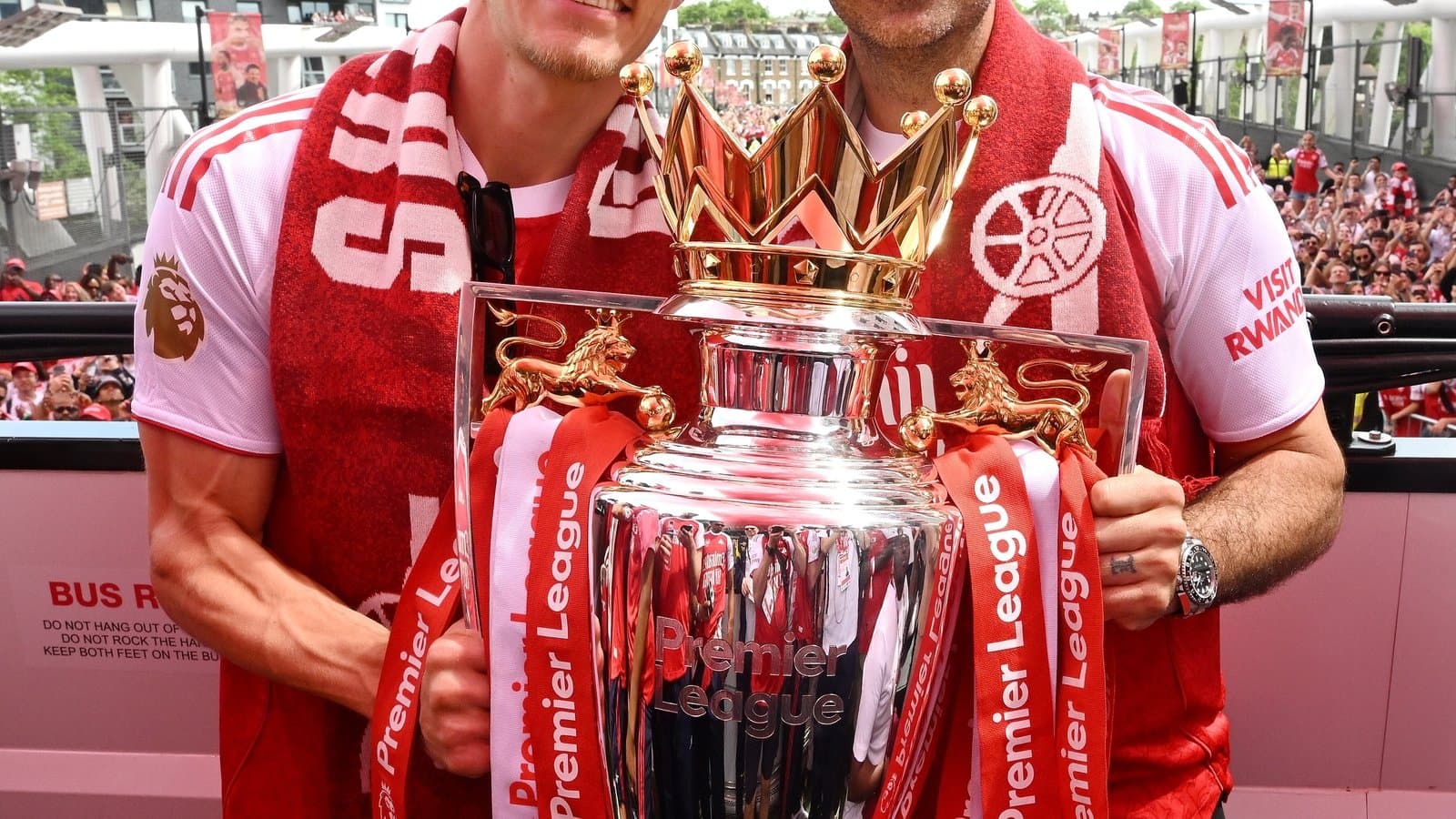
The wait lasted 22 years. The release, when it finally came, played out under the south London floodlights.
At Selhurst Park last month, Martin Odegaard climbed the steps, wrapped his hands around English football’s most coveted silverware and sent the Premier League trophy arcing into the night sky. Gold confetti, camera flashes, teammates roaring beneath him – the image that will live on every wall and every highlight reel from this title-winning season.
Days later, the same trophy rolled through the streets on an open-top bus, glinting above a sea of shirts and flags at a champions parade that turned the city into a moving, singing tribute. The long chase was over. The cup was finally theirs.
Only once the noise died down did a simple question emerge: what exactly have they been lifting?
A heavyweight prize
For a start, that famous piece of silver is no delicate ornament. Each player who took a turn with it at Selhurst Park was hoisting 9.5kg – roughly 1.4 stone – of solid, unforgiving metal.
Add the engraved base that records every champion from 1993 right through to this 2025/26 triumph and the weight jumps dramatically. Trophy plus base comes in at 25.4kg, or 4 stone. No wonder the celebrations sometimes end with a captain’s arms trembling as much from effort as emotion.
It is a trophy that looks imposing on television. Up close, it feels it.
Built to dominate the stage
From the floor of the presentation plinth to the tip of the crown, the Premier League trophy stands 104cm tall – around 3ft 5in. Across the widest point, it stretches 61cm, or 2ft. It doesn’t just sit in a photo; it owns it.
And there is not just one of them.
The league keeps two identical trophies, each carrying the roll call of champions around the base. One lives with the reigning title winners throughout the season, sitting in club museums, reception areas and media rooms, serving as a permanent reminder of what was achieved – and what must be defended. The other remains at the Premier League’s disposal, ready for duties elsewhere.
Both, though, tell the same story in metal and stone.
The craft behind the crown
Look closer and the detail begins to speak.
The base, a solid, weighty platform, is made from Malacite, a semi-precious stone sourced from Africa. Its deep green ring at the bottom is no accident; it symbolises the pitch itself, the field of play on which every title race is decided. Above that, names run in sequence from the league’s early years in 1993 to the newest engraving: champions of 2025/26.
The main body of the trophy is the work of Asprey London, the Crown Jewellers. They cast it in solid sterling silver, polishing it to the mirror shine that catches every flashbulb as the captain lifts it to the sky. Sitting on top, the crowns are formed from 24-carat silver gilt, a nod to royalty for a competition that styles itself as the pinnacle of the English game.
Its theme is “The Three Lions of English Football”. Two golden lions sit on either side of the trophy, rigid, regal, guarding the prize. The third lion appears only in the moment that defines a season: when the captain grips the handles and raises the trophy above their head, they complete the trio.
For a few seconds, man and metal become the emblem of an entire campaign.
How long does glory stay on the shelf?
The reality of modern football is that even the grandest silverware is only ever on loan.
One of the two Premier League trophies remains in the champions’ possession during the following season, a constant, gleaming presence inside the training ground and stadium. The other continues to serve the league – for events, media work, and, ultimately, for the next coronation.
There is a deadline, too. At least three weeks before the final league match of the season, the club must return its trophy to the Premier League. It will then be prepared, polished, and positioned for whoever climbs the steps next.
For now, the engraving is fresh, the celebrations still echo, and the trophy sits in its new home. The question already hangs in the air: how long before they have to give it back – and how hard will they fight to make sure it comes straight back again?
Related News

Wilfred Ndidi’s Marriage Reportedly Ends as He Enters New Relationship
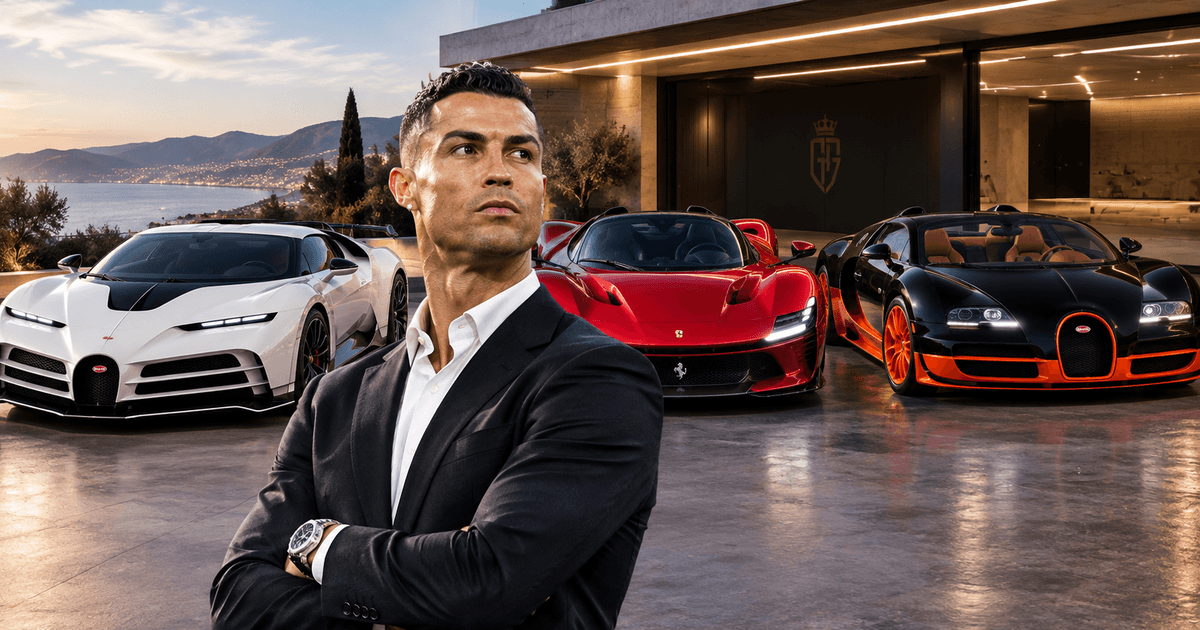
Cristiano Ronaldo's Top 5 Most Valuable Cars in His Extraordinary Collection
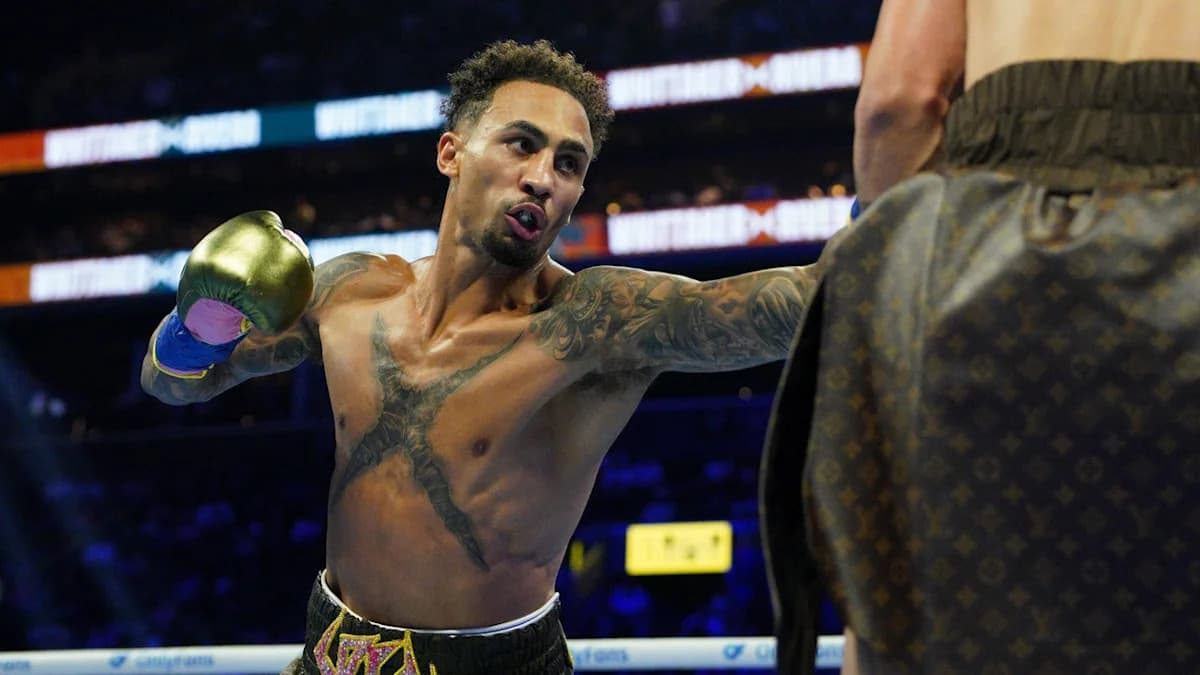
Ben Whittaker’s Challenge to Prove Eddie Hearn’s Bold British Boxing Bet
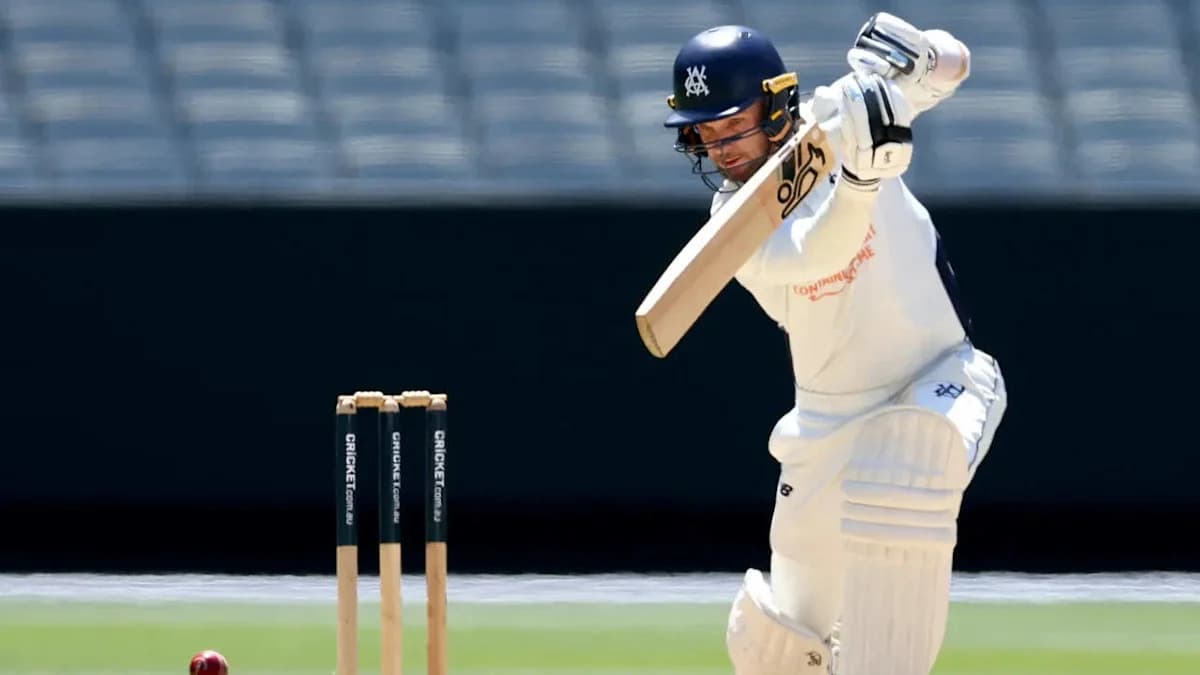
Peter Handscomb on the Challenge of Facing Indian Bowlers
How to Watch UFC 332: Silva vs. Wang Live on CBS and Paramount+ This Saturday
Raul Rosas Jr. Shares His Thoughts on the Shocking UFC Vegas 121 Finish Against Raoni Barcelos