
PSG’s Champions League Edge Also Creates Their Biggest Challenge
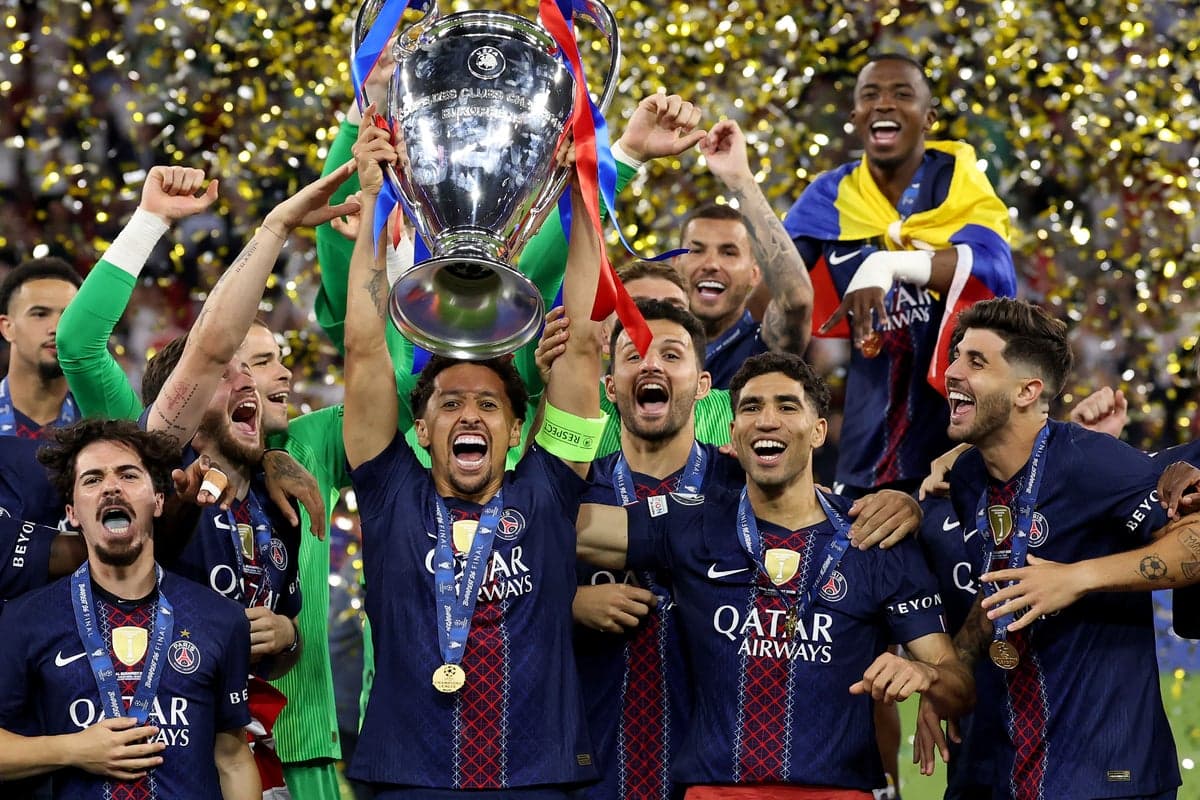
After the 2026 Champions League final, Mikel Arteta found himself consumed by one main question: how does Arsenal become European champions? More specifically, how do you overcome Paris Saint-Germain? Usually, that question drives the excitement as the Champions League enters its third season following the expansion to 36 teams and with PSG chasing an unprecedented third straight title.
Yet, the real inquiry might be whether the current format unintentionally favors dominant clubs from single-team leagues such as Ligue 1 or the Bundesliga. It’s a topic tangled with debates over English financial clout and the competition’s structure, but the answers seem less relevant when looking at the tournament’s early stages.
The Group Stage: A Form of "Wallpaper Football"
PSG often barely acknowledge the Champions League until February. In their two victorious seasons, they finished 15th and 11th respectively in the group phase, forcing them into the play-off round — a kind of “punishment” stage. Still, they rise to the occasion when it matters most, something many other clubs struggle to replicate.
This isn’t about repeating the common criticism that the group phase has lost its prestige or calling the format a disguised super league that distorts finances. Prize money, especially the larger sums available today, has created a clear hierarchy among clubs, reducing surprises from outsiders.
Despite the group stage’s diminished status compared to the 1990s and early 2000s, it still offers drama and moments of discovery. Watching newcomers like Como, LASK, Viking, and Sabah navigate this level brings some enjoyment amid the routine.
English Clubs and the Champions League Landscape
Manchester United feels the magic of a competition closely linked to its heritage, while Jose Mourinho aims for his third Champions League title with Real Madrid, 16 years after his last. This season marks the first without Pep Guardiola since 2012, which may free Manchester City to push even further. Meanwhile, Liverpool's Andoni Iraola faces the challenge of adapting to the Champions League’s demanding calendar in his debut campaign.
The tournament schedule resembles a domestic league, blending fatigue and strategic squad rotation. Some clubs appear to treat the group stage as a long warm-up, saving their best players for later knockout rounds where the stakes are higher.
English teams dominate the top table positions, none knocked out at the group stage so far. Even Tottenham Hotspur, despite a tough recent season, finished fourth last year, though they were not truly Europe's fourth best team, as 14th-placed Atletico Madrid showed during their knockout clash.
The Premier League’s competitive balance is steep, with little difference between bottom and top clubs in terms of wealth, making it more demanding. This contrasts with leagues like Ligue 1, where PSG’s dominance reflects a different dynamic.
Broader Implications of the Expanded Format
The new group stage acts as a subtle counterbalance to Premier League power, coinciding with ongoing tensions between UEFA and FIFA and efforts by major clubs to offset English dominance. The Super League was one attempt; the expanded Champions League is another, matching the Premier League in broadcasting revenue and challenging its calendar control.
This intensification also highlights a weakness in the Premier League: fewer global stars. Clubs like Real Madrid, Barcelona, and PSG earn more and pay bigger wages, partly because their leagues allow players to sustain top-level careers longer.
For example, Rodri chose to join Barcelona mindful of this, a move that might influence this season’s Champions League race. After years without genuine threat, Barcelona now look restored to competitiveness thanks to Rodri and coach Hansi Flick. His style has faced criticism, but Rodri offers a vital midfield presence that could change their fortunes.
The Road Ahead: Beating PSG
If PSG don’t clinch a third consecutive trophy, opponents will have to figure out how to overcome their strength. That challenge is why Arteta stresses improving Arsenal’s overall level. Despite PSG’s slow start this season, they remain the only team that truly understands how to finish strong when it counts.
Related News
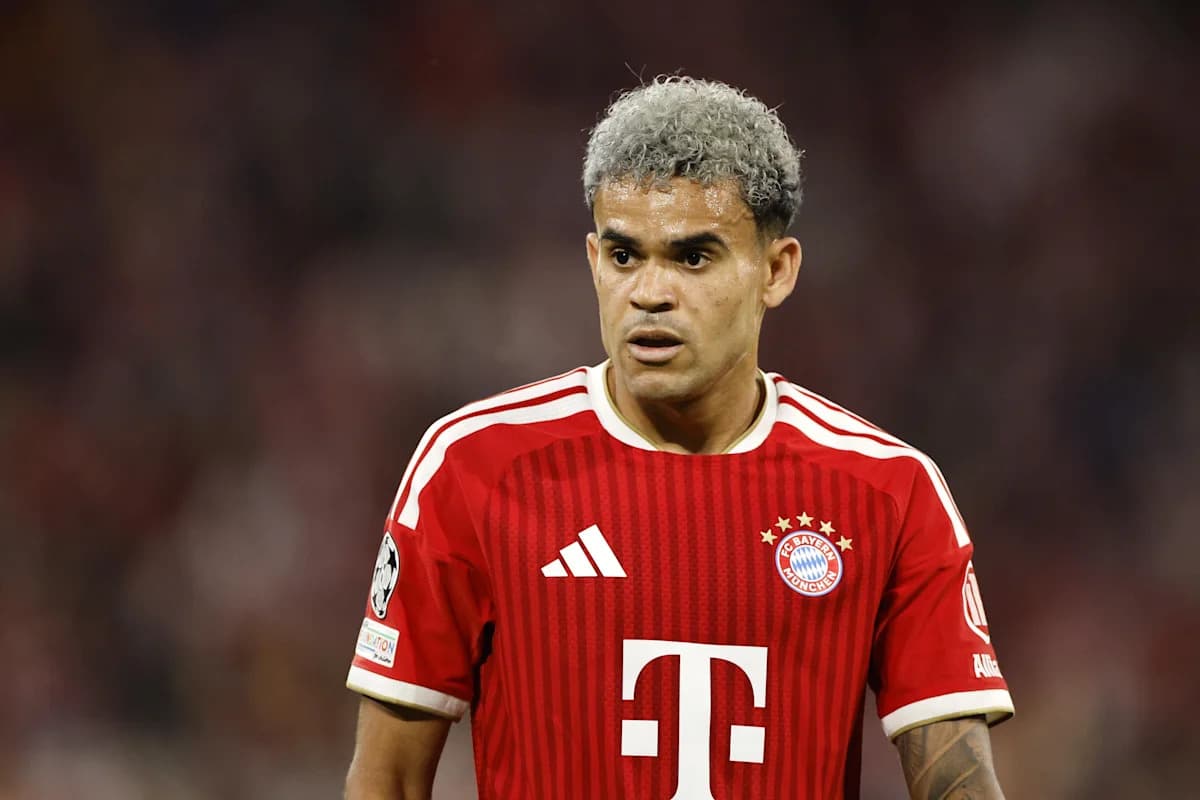
Luis Díaz Confident Bayern Munich Can Win Champions League
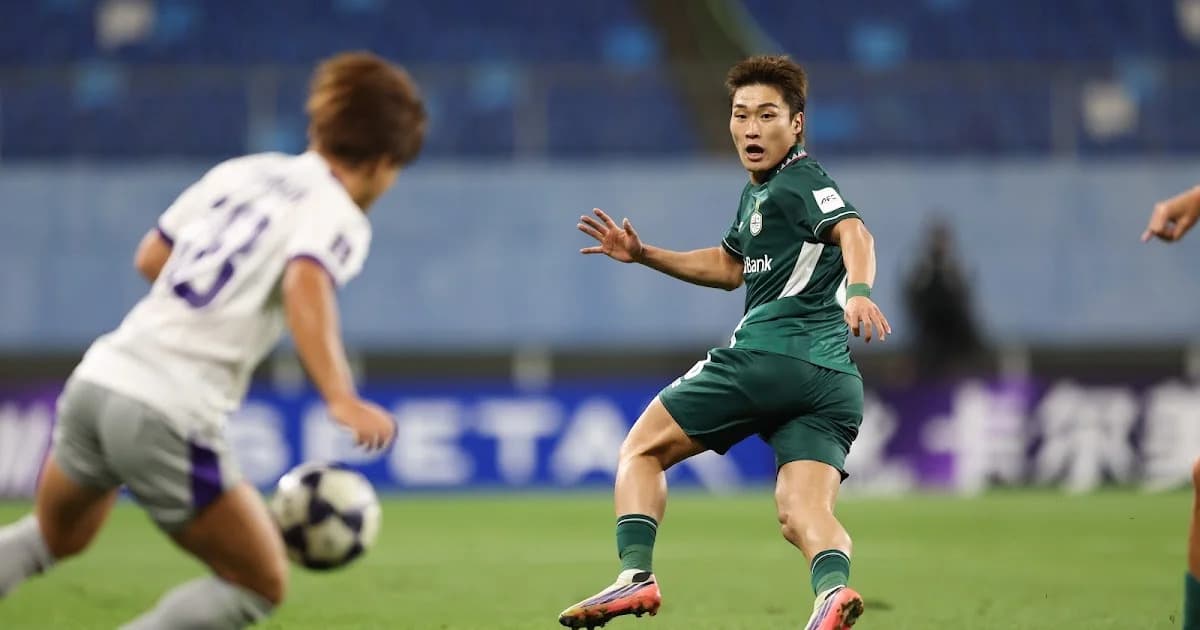
AFC Champions League Matchday One: Insights and Team Strategies
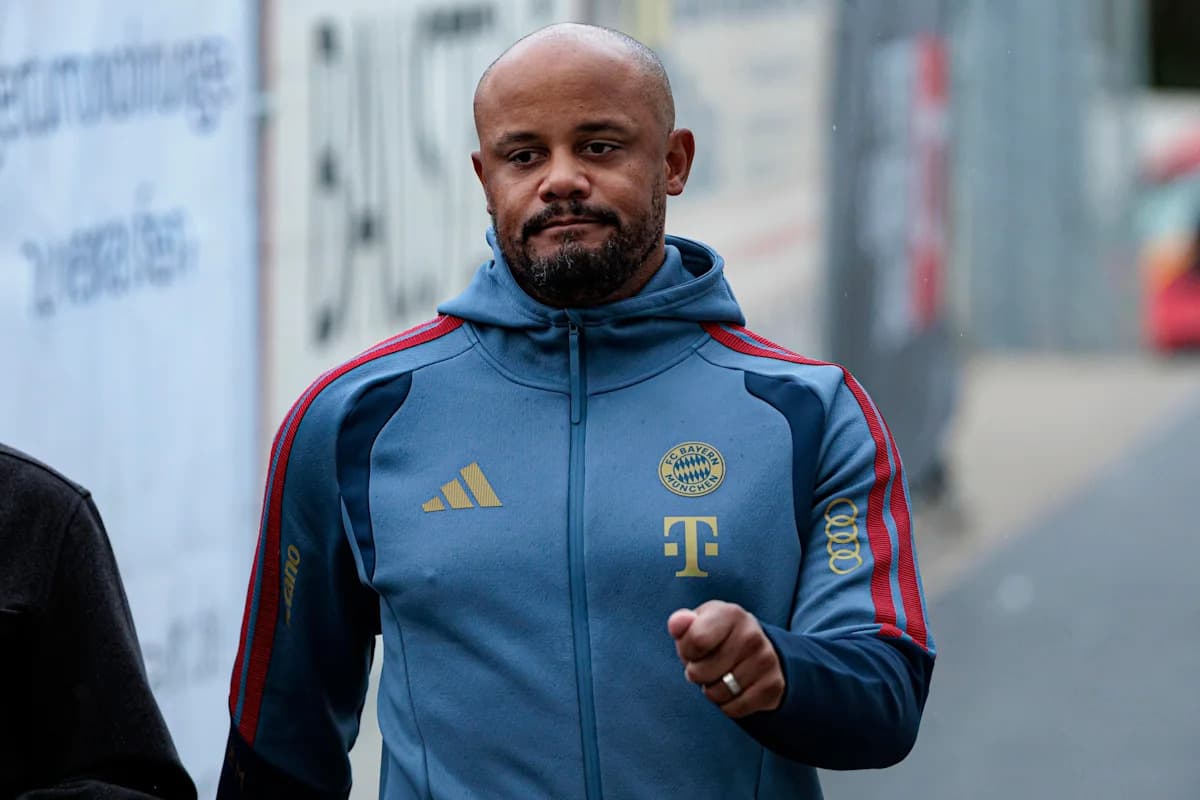
Vincent Kompany’s Bayern Munich Future Not Tied Solely to Champions League Success
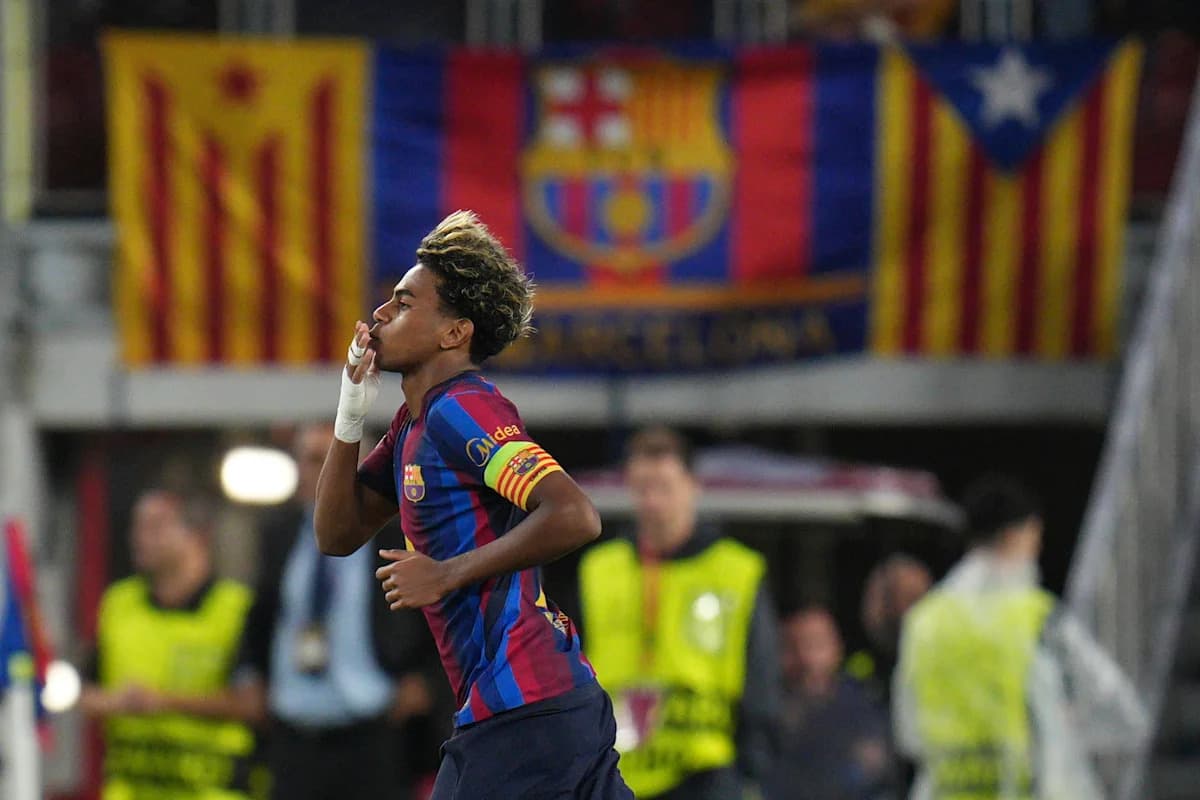
Barcelona’s Camp Nou to Host 2029 Champions League Final, Munich Confirmed for 2028
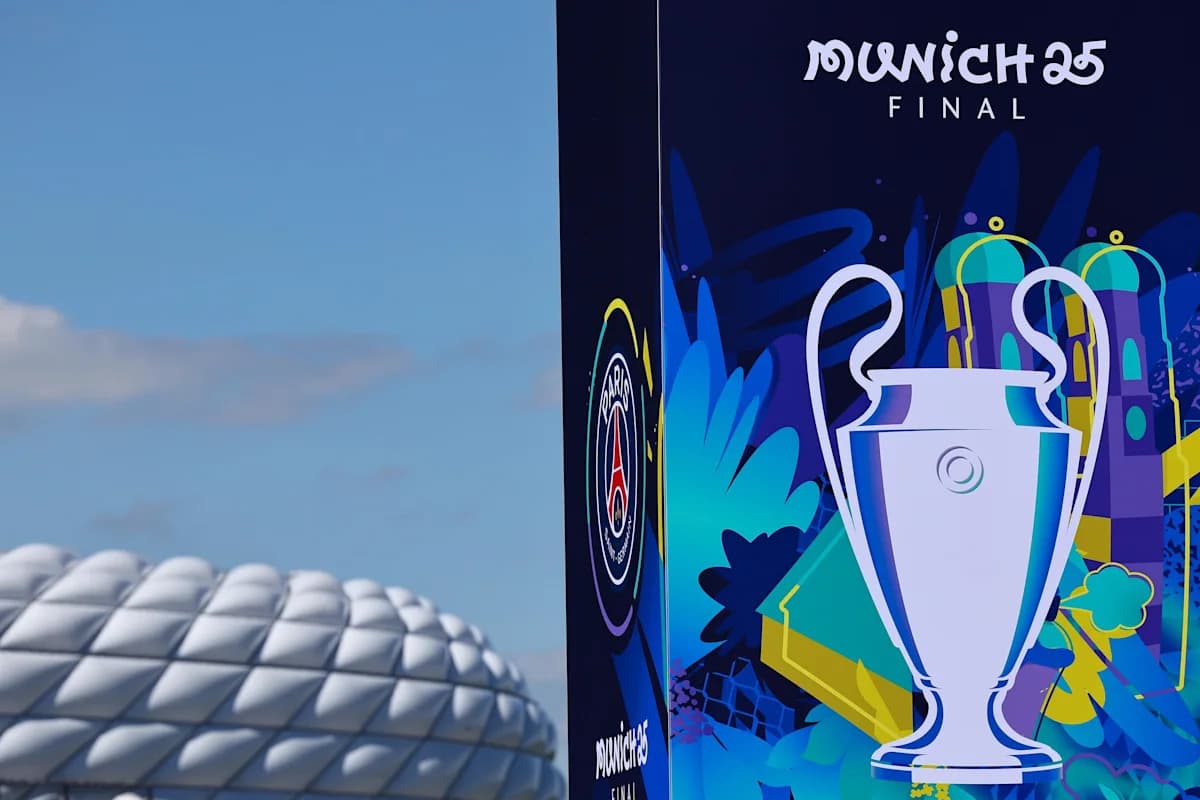
Bayern Munich's Allianz Arena Set to Host 2028 Champions League Final
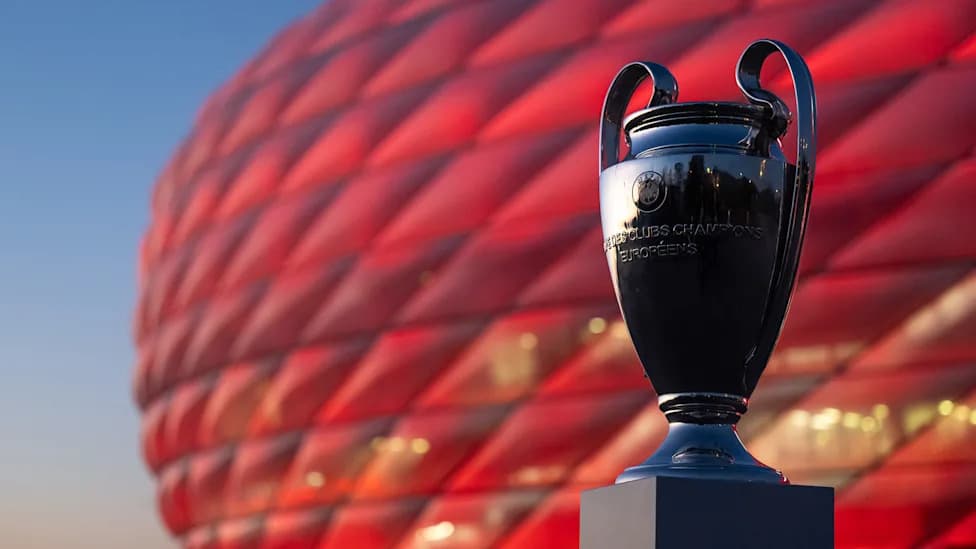
Allianz Arena to Host 2028 Champions League Final for Third Time