
PSG's Champions League Edge Doubles as Their Greatest Challenge
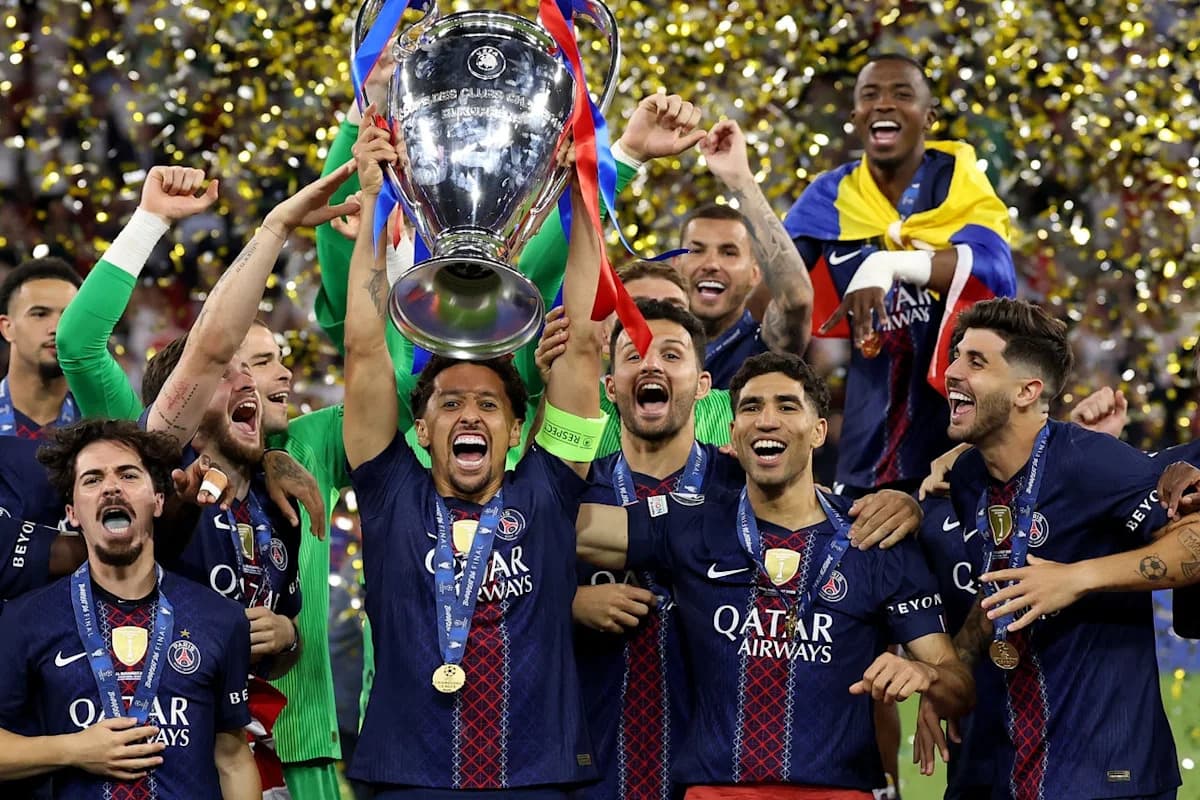
After the 2026 Champions League final, Mikel Arteta found himself fixated on one question: how did Arsenal become European champions? More precisely, how do you beat Paris Saint-Germain? The question has taken on new significance with the tournament now in its third season since expanding to 36 teams and PSG aiming for an unprecedented third straight title.
But the issue may not be simply whether PSG are the best side—they probably are—but how the current format seems to favour dominant clubs from single-team leagues like Ligue 1 or the Bundesliga. This debate touches on broader concerns about the Champions League, including whether English financial strength truly shows up in the later rounds. Yet, because the knockout phase differs so much, these debates almost feel secondary right now.
Group Stage Performances and Strategy
PSG often seem indifferent to the group phase until February. Over their two championship seasons, they finished 15th and 11th in the league phase, meaning they had to navigate a tough playoff round. They know how to step up when it matters most—something elusive for many others.
This isn’t just another complaint about the group stage’s diminished excitement or claims that it’s a disguised super league skewed by money. Prize money today has undeniably created tiers among clubs, which partly explains why surprise teams rarely advance. Still, there’s enjoyment in following new entrants like Como, LASK, Viking, and Sabah as they make their debuts.
New Stories and Shifting Dynamics
- Manchester United returns to Old Trafford and will relish the competition they have a deep connection with.
- Jose Mourinho hopes to clinch a title for Real Madrid, chasing his third trophy 16 years later.
- This is the first season without Pep Guardiola since 2012; maybe Manchester City will benefit from this shift and push further.
- Liverpool’s Andoni Iraola faces the challenge of adapting to the Champions League’s physical demands in his debut campaign.
The regular schedule makes the competition feel like an extended domestic league—almost wallpaper football—always present but only building toward the real drama. The group phase primarily shapes the knockout bracket rather than predicting the eventual winner.
The New Format and Club Strategies
This is the second season with UEFA’s tennis-style fixed route, but how seriously top clubs treat the eight-match group phase varies. Some believe preserving their strongest squads for tougher knockout ties makes more sense than risking fatigue early on.
This strategy reflects in English clubs’ performances. None were eliminated in the group stage last season, even Tottenham, despite a poor campaign, secured fourth place. Yet, 14th-placed Atletico Madrid showed that Spurs weren’t the fourth best team by overpowering them in the last 16. Tottenham’s struggles with relegation battles highlight the Premier League’s demanding competitiveness and the challenges its clubs face juggling multiple competitions.
English League Strength vs. European Competition
The Premier League’s steady competitive gradient and financial spread make it tougher than other leagues. Ironically, the expanded group stage acts as a corrective against the perception of English dominance by spreading out opportunities.
This context also feeds into football politics, especially the ongoing tension between FIFA and UEFA. Many big clubs seek to counterbalance Premier League power; the proposed Super League was one attempt. The expanded Champions League serves as an alternative, matching the Premier League in broadcasting rights and encroaching on its schedule and player workload.
Financial Power and Player Stars
It’s hard not to connect this intensity with the Premier League’s relative lack of star power compared to clubs like Real Madrid, Barcelona, and PSG. These giants boast higher revenues and wages, supported by leagues that often extend their players’ careers at the top level.
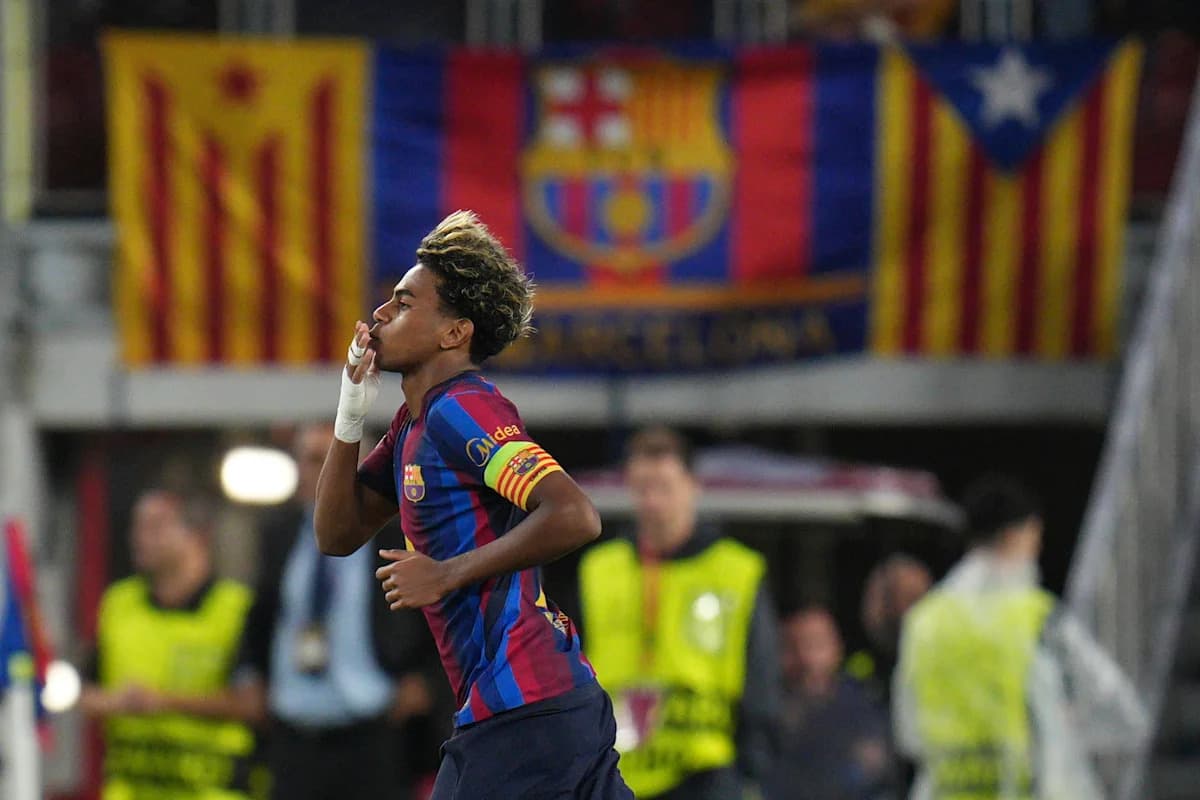
Rodri’s move to Barcelona might prove decisive this season. He considered LaLiga’s advantages before transferring, boosting Barcelona’s Champions League chances for the first time in eight years. Barcelona hasn’t felt like a major contender since 2019, but new talents like Lamine Yamal and coach Hansi Flick’s tactics have restored some respectability. Rodri’s all-encompassing style stabilizes their midfield, offering a key solution.
The Road Ahead
With this added depth to the field, there’s one more potential challenger beyond PSG. If PSG falters, others must figure out how to bypass them. That’s why Arteta talks about elevating Arsenal’s level. Despite a slow start, PSG remains the only club that truly knows how to finish a campaign in this calendar.
Related News
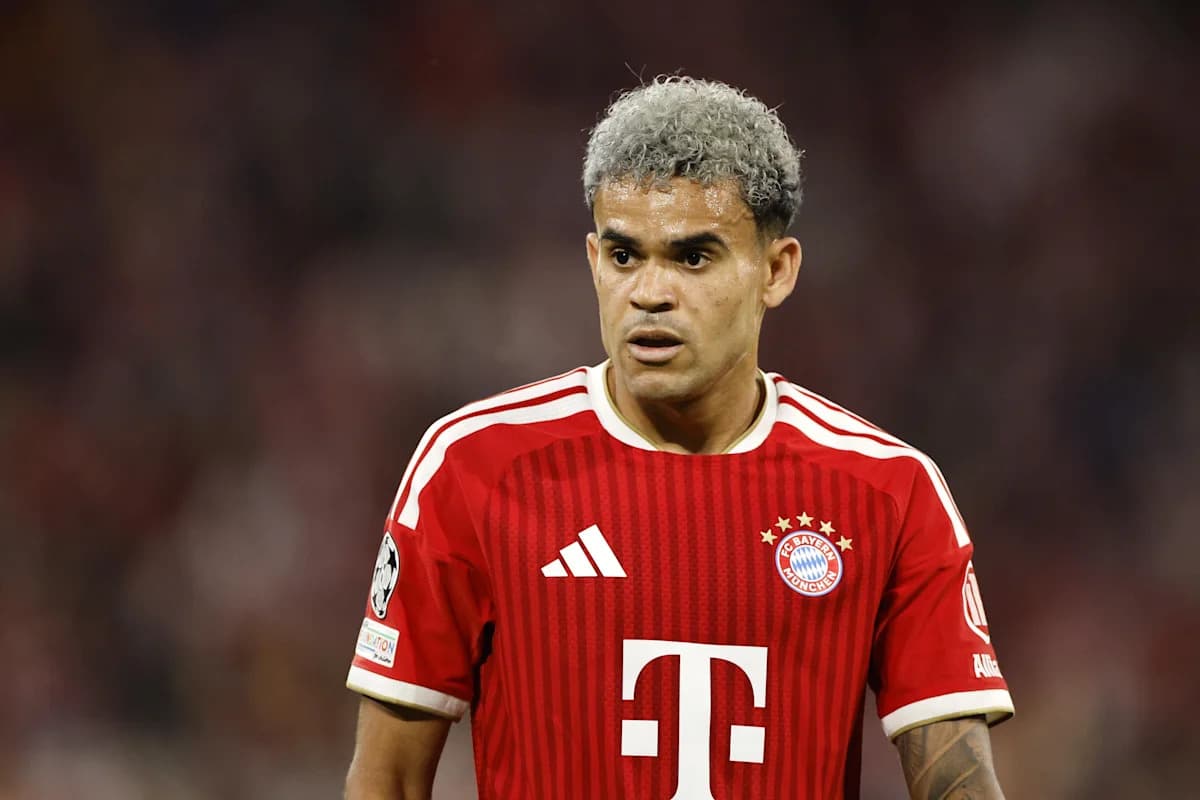
Luis Díaz Confident Bayern Munich Can Win Champions League
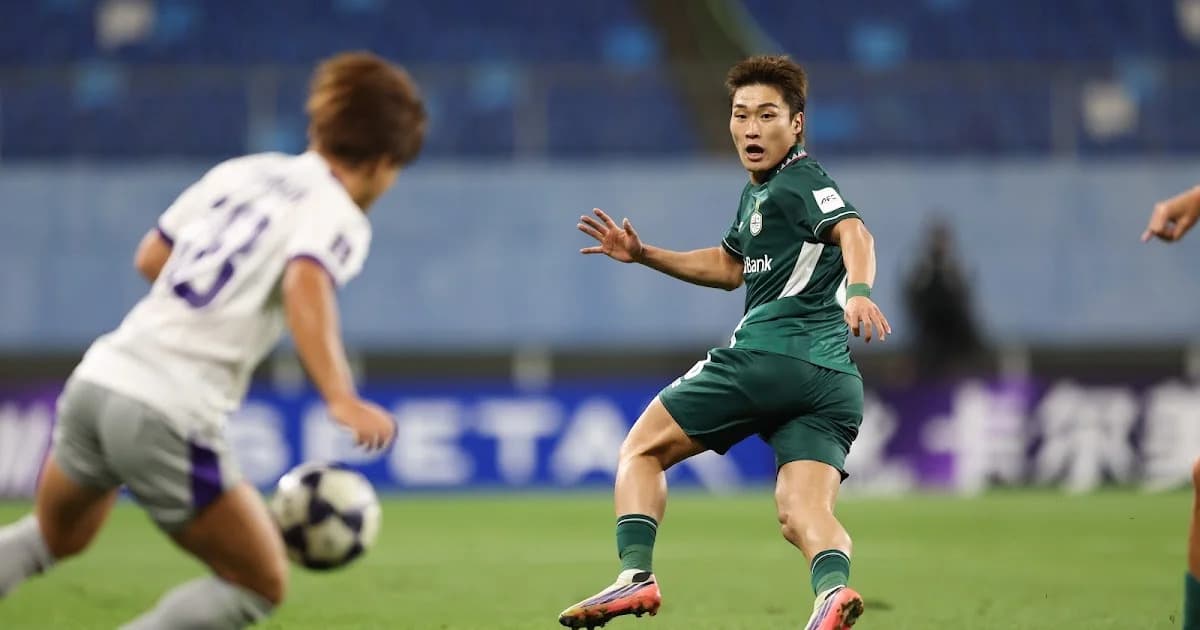
AFC Champions League Matchday One: Insights and Team Strategies
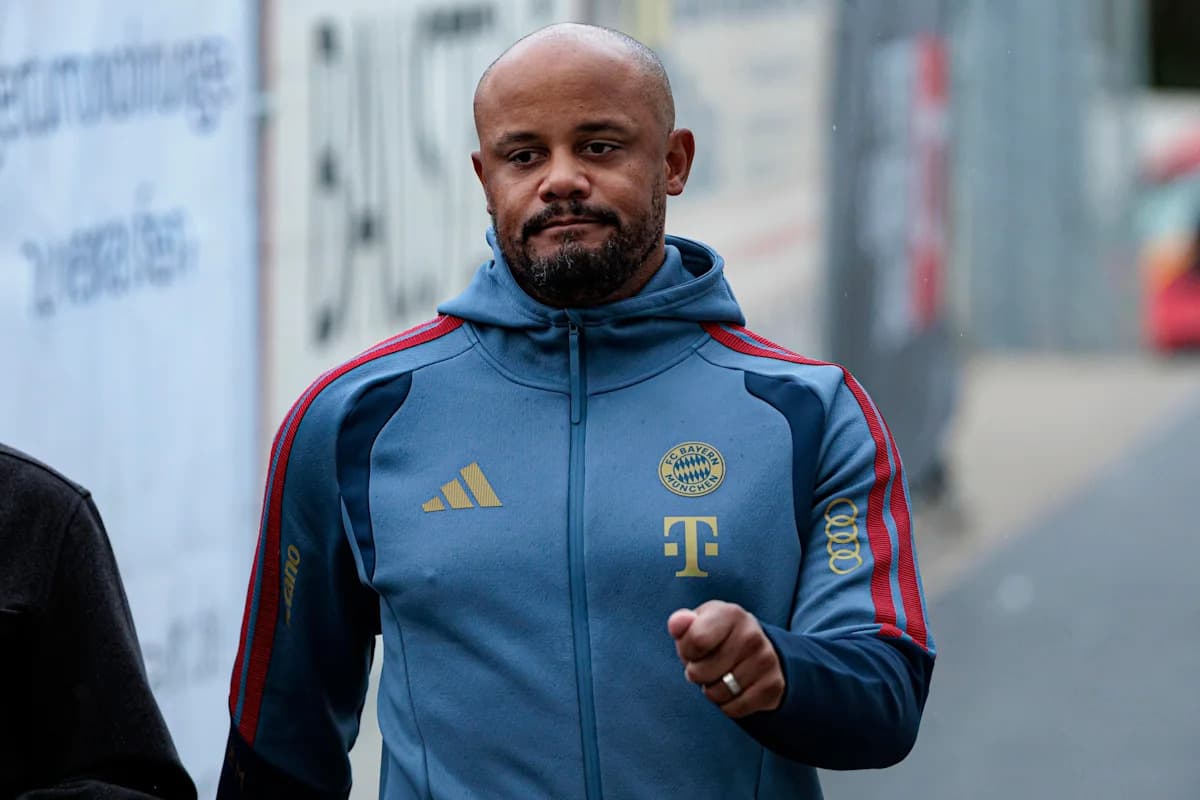
Vincent Kompany’s Bayern Munich Future Not Tied Solely to Champions League Success
Barcelona’s Camp Nou to Host 2029 Champions League Final, Munich Confirmed for 2028
Bayern Munich's Allianz Arena Set to Host 2028 Champions League Final
Allianz Arena to Host 2028 Champions League Final for Third Time