
Qarabag vs CSKA Sofia: Tactically Tight Goalless Draw in Europa League
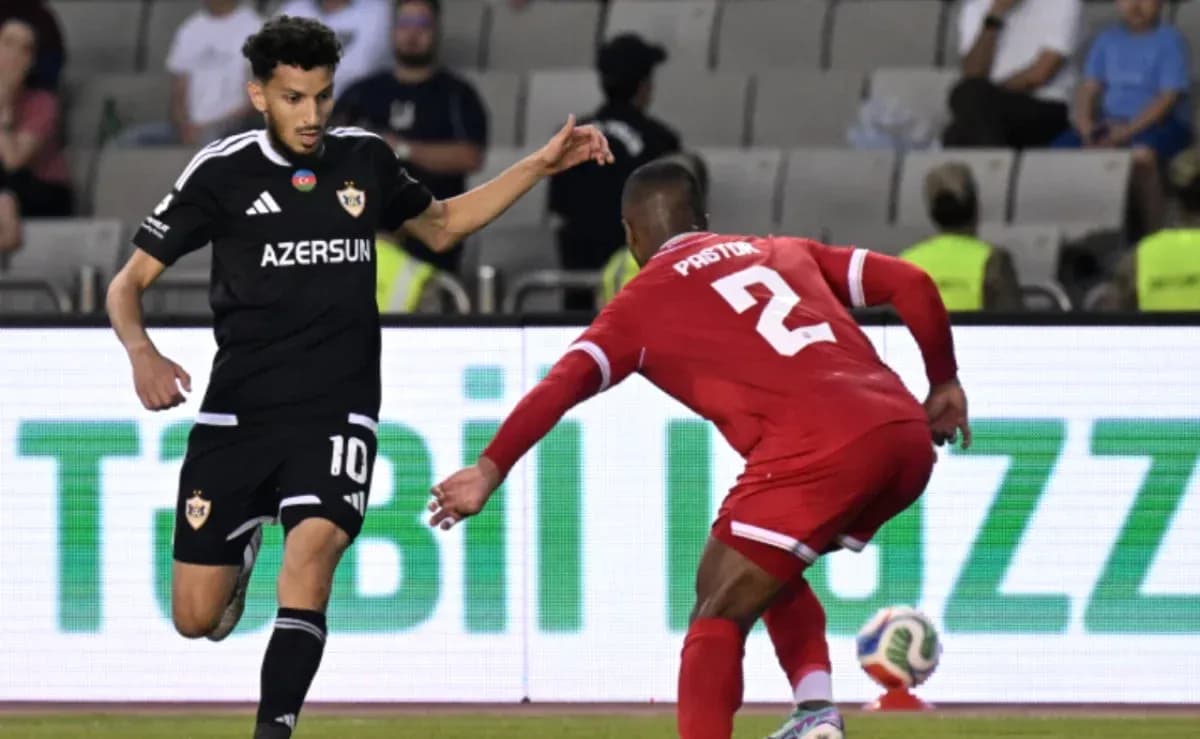
Qarabag and CSKA Sofia produced a goalless but tactically tight first leg at Azərsun Arena in the UEFA Europa League 2nd Qualifying Round, a match defined by structural discipline more than penalty-box chaos. The 0-0 reflects two well-drilled units cancelling each other out: Qarabag’s 4-2-3-1, built around a fluid line of three behind the striker, against CSKA Sofia’s compact 4-4-2 that subtly morphed into a 4-2-3-1 in defensive phases. With possession almost even (48% Qarabag, 52% CSKA Sofia) and shots similarly balanced (12–11 in Qarabag’s favour), the contest became a battle of spacing, pressing triggers and second-ball control rather than clear dominance from either side.
Qarabag’s structure under Qurban Qurbanov was immediately recognisable. In the 4-2-3-1, the double pivot of Pedro Bicalho and M. Jankovic provided the positional base, with Bicalho anchoring and Jankovic stepping higher to connect with Kady Borges and A. Zoubir between the lines. Wide, O. Kashchuk and Zoubir started nominally as attacking midfielders but continually inverted into the half-spaces, leaving the full-backs – especially Matheus Silva on the right and B. Langa on the left – to provide width and overlap. Z. Sawo worked as a lone forward, often dropping into pockets to help overload central zones and create 3v2s against CSKA Sofia’s double pivot.
This approach produced volume more than clarity: Qarabag generated 12 total shots to CSKA Sofia’s 11 and led 5–4 in shots on goal. The hosts’ eight corner kicks to CSKA’s two underline how often they were able to pin the Bulgarians back and force last-ditch interventions or deflections behind. However, with zero blocked shots recorded for either side, much of Qarabag’s shooting came from situations where CSKA’s back four had already retreated into a compact block, steering attempts into saveable zones rather than desperate blocks.
Key Tactical Moments
The key tactical hinge came around the hour mark. Before that, the first half had been cagey, reflected in the disciplinary timeline: at 35', Leandro Godoy (CSKA Sofia) received a yellow card, followed two minutes later at 37' by a yellow for Marko Janković (Qarabag). Those cautions framed a midfield battle in which both teams were aggressive in duels but largely successful in preventing transitions from turning into high-quality chances.
Qurbanov’s double substitution at 56' signalled a shift in Qarabag’s attacking emphasis. At 56', R. Cephas (IN) came on for M. Jankovic (OUT), and simultaneously at 56', E. Cafarquliyev (IN) came on for B. Langa (OUT). Removing Jankovic reduced Qarabag’s double-pivot stability but injected more verticality and direct running in the attacking band. Cafarquliyev’s introduction at left-back added more natural width and overlapping intent, aiming to stretch CSKA Sofia’s right side and create better crossing angles rather than the earlier pattern of recycling possession around the block.
CSKA Sofia, set up by Hristo Yanev in a 4-4-2, were primarily oriented towards compactness and counter-attacking. Pastor and A. Martino at full-back held relatively conservative starting positions, with the central defenders F. Rodriguez and T. Ivanov focused on maintaining a narrow line to deny Sawo space between them. In midfield, J. Gbamin operated almost as a third centre-back in build-up, dropping between or alongside the centre-backs, while M. Ebong and B. Jordao worked laterally to block Qarabag’s access into Kady Borges. S. Sensi, from his nominal midfield role, provided the main creative outlet with diagonal passes into the channels for L. Godoy and I. Pittas.
Despite having a slight edge in possession (52%), CSKA Sofia accepted longer spells without the ball and looked to be efficient rather than expansive. Their 11 shots and four on goal indicate that when they did attack, they were able to reach finishing positions, but Qarabag’s rest-defence – with Bicalho screening and the centre-backs B. Huseynov and B. Varkonyi holding a disciplined line – limited the quality and frequency of truly dangerous entries into the box.
Second Half Adjustments
The second-half substitution wave underlined both coaches’ priorities. At 73', J. Zwarts (IN) came on for L. Godoy (OUT), and at 73', I. Solet (IN) came on for M. Ebong (OUT), freshening CSKA Sofia’s front line and midfield legs for transitions. Qarabag responded at 74' with a further attacking tilt: at 74', J. Mouaddib (IN) came on for O. Kashchuk (OUT), and at 74', C. Makreckis (IN) came on for B. Huseynov (OUT). Removing a centre-back for Makreckis was a bold signal – Qarabag were prepared to accept more risk in their back line to overload midfield and attacking zones, effectively pushing towards a back three in some phases with Cafarquliyev and Matheus Silva high as wing-backs.
The final Qarabag change at 78' – J. Montiel (IN) for A. Zoubir (OUT) – maintained that attacking intent, swapping one creative wide player for another with fresh energy to attack CSKA Sofia’s full-backs. Yanev’s late triple adjustment preserved defensive balance: at 84', T. Ouorou (IN) came on for A. Martino (OUT); then in added time at 90+1', M. Brahimi (IN) came on for Pastor (OUT) and P. Panayotov (IN) came on for S. Sensi (OUT). These moves were about managing fatigue and ensuring the block remained compact enough to protect the 0-0.
Discipline remained controlled despite the intensity. CSKA Sofia finished with two yellow cards – Leandro Godoy at 35' and Facundo Rodríguez at 77' – while Qarabag had one, Marko Janković at 37'. With all card events lacking explicit additionalInfo, the narrative remains strictly on their timing and impact: both sides had to manage key players on bookings for long stretches, which likely contributed to a slight drop in tackle aggression in central areas and helped keep the match from turning chaotic.
Statistically, the draw feels justified. Qarabag edged total shots (12–11), shots on goal (5–4) and corners (8–2), reflecting territorial pressure and a more proactive attacking posture, especially after the hour mark. CSKA Sofia’s marginal possession edge (52%) does not contradict that picture; much of their ball circulation came in deeper zones, focused on resetting shape and avoiding risky central turnovers rather than sustained pressure in the final third. With neither side registering blocked shots, both defensive units succeeded more through positional control and forcing sub-optimal shooting angles than through emergency last-ditch interventions.
In the broader qualifying context, Qarabag can take confidence from their ability to tilt the game territorially without conceding clear-cut chances, while CSKA Sofia will be satisfied with how their 4-4-2 defensive structure travelled, absorbing pressure and keeping the tie level. The tactical chess match at Azərsun Arena leaves everything open for the second leg, with both coaches now armed with clear evidence of where the opponent’s structure can be probed – Qarabag down the flanks and between the lines, CSKA Sofia in transition and through targeted adjustments to their midfield balance.
Related News
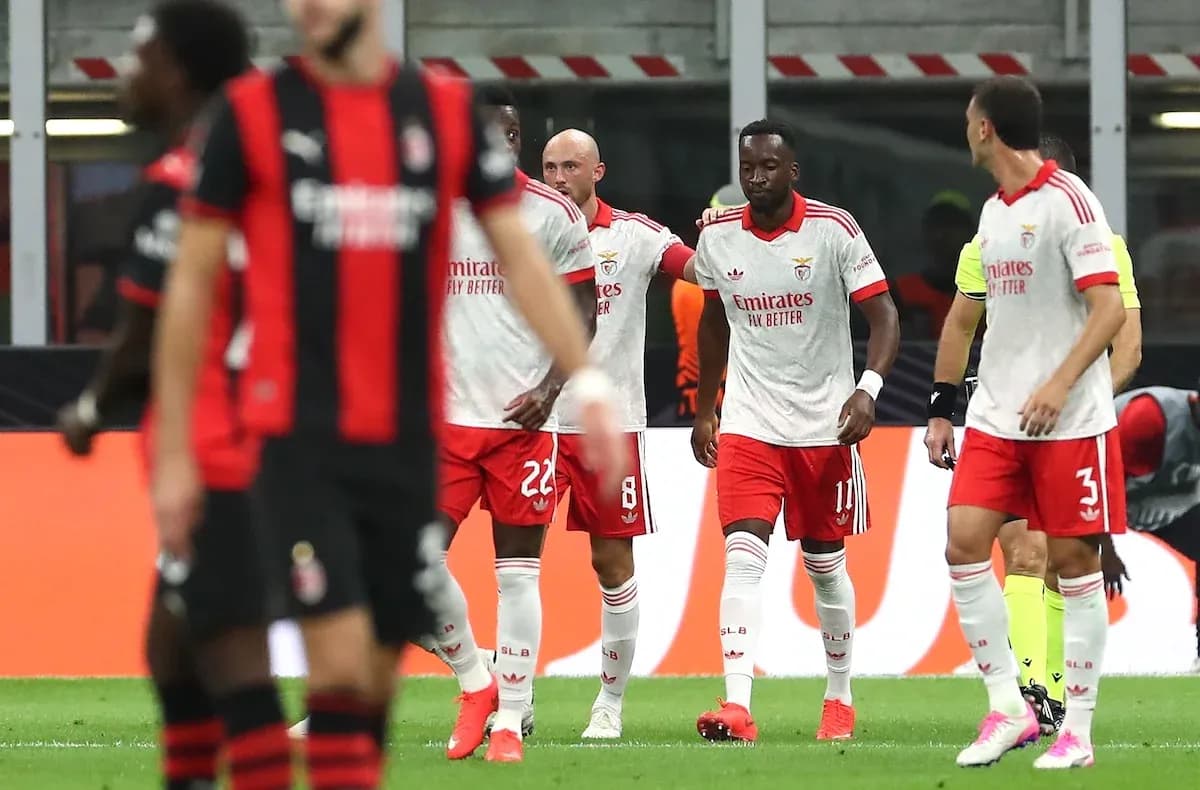
AC Milan vs Benfica: A Clash of Two Philosophies in UEFA Europa League
Five Standout Europa League Players to Watch in 2026/27
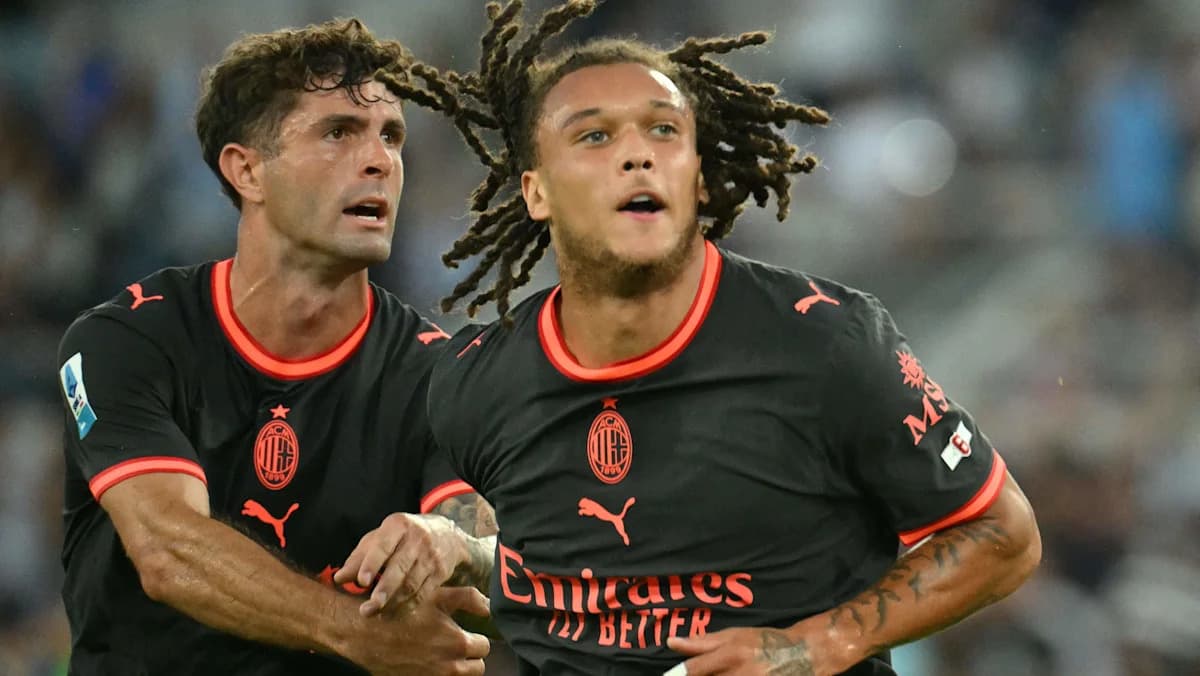
AC Milan vs Benfica Europa League Clash: Team Updates, Lineups & Broadcast Info
Omonia Nicosia vs Benfica Predicted Lineups: Team News for UEFA Europa League
Red Bull Salzburg vs Ararat-Armenia Predicted Lineups and Team News
Celje vs Red Bull Salzburg Predicted Lineups and Team News