
Qarabag Dominates Vestri in UEFA Europa League Qualifier
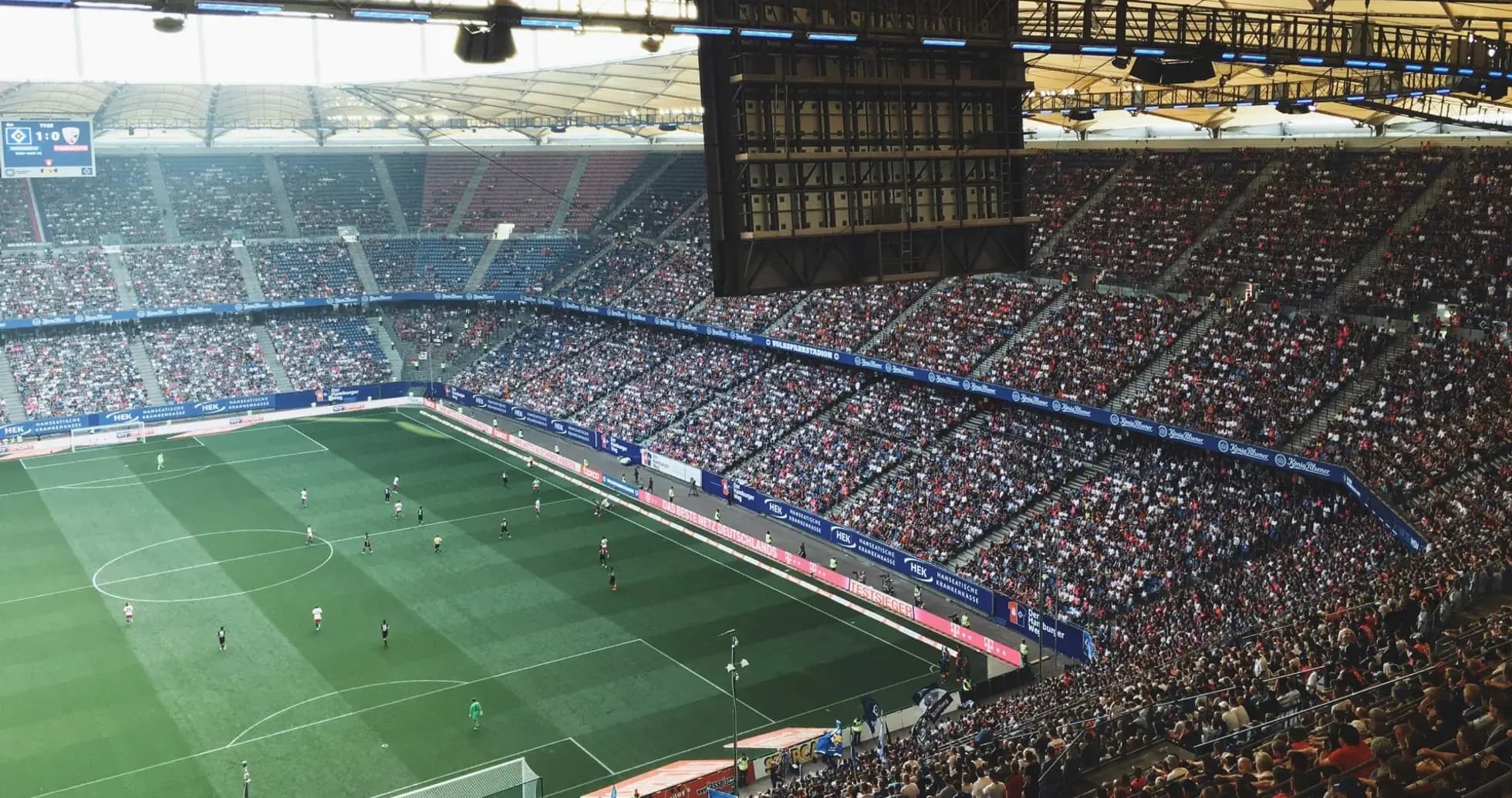
Vestri 0-3 Qarabag at Throttarvollur leaves the Icelandic side with a steep uphill task in the UEFA Europa League 1st Qualifying Round, as the Azerbaijani visitors established a commanding first-leg advantage built on early control and superior individual quality. With no league standings context attached to this tie, the significance is purely continental: Qarabag have one foot in the next round, while Vestri must now chase a three-goal deficit away from home.
Match Report
The tone was set almost immediately. On 5', Qarabag struck the opener: Qarabag goal — Jaly Mouaddib (assisted by Zakaria Sawo) finished off an incisive move, punishing Vestri before they could settle into their defensive shape.
Qarabag continued to dictate the tempo and doubled their lead before the half-hour. On 29', Qarabag goal — Pedro Bicalho (assisted by Zakaria Sawo) arrived from midfield to convert after another well-constructed attack, with Sawo again providing the final pass to make it 0-2 and give the visitors a firm grip on the tie by half-time.
Any hope of a Vestri response after the interval was quickly extinguished. On 56', Qarabag goal — Zakaria Sawo (assisted by Kady Borges) capped his outstanding attacking display by getting on the scoresheet himself, finishing a move orchestrated by Borges to stretch the advantage to 0-3 and effectively kill the contest as a competitive affair.
Both coaches turned to their benches just after the hour to manage legs and look for a momentum shift. On 63', Qarabag made a triple change: Renaldo Cephas replaced Abdellah Zoubir (Qarabag), Samuel Lobato replaced Pedro Bicalho (Qarabag), and Olexiy Kashchuk replaced Jaly Mouaddib (Qarabag), with the visitors rotating key attacking pieces while protecting their lead.
Vestri responded with their own triple substitution at 63' in search of fresh energy and a route back into the tie: Konstantin Cheshmedjiev replaced Sergine Fall (Vestri), Gunnar Jónas Hauksson replaced Jacob Stensson (Vestri), and Breki Þór Hermannsson replaced Elmar Atli Gardarsson (Vestri), signalling a reshuffle both in defence and midfield.
On 69', Vestri continued to adjust their attacking structure as T. G. Hafthorsson replaced Johannes Selven (Vestri), adding another new face in the forward zones to try to disrupt Qarabag’s control.
Qarabag then made further defensive-minded changes to see out the game. On 74', Cebrail Makreckis replaced Bədavi Hüseynov (Qarabag), and Elvin Jafarguliyev replaced Bruno Langa (Qarabag), refreshing the back line and defensive midfield screen to preserve the clean sheet.
The final substitution came on 77', when Vestri introduced additional attacking craft from the bench: Albin Mörfelt replaced Birkir Eydal (Vestri), but despite the late change the hosts were unable to break down a well-organised Qarabag side, and the match closed at 0-3 without further major incidents.
Fixture Statistics & Tactical Audit
- xG: Vestri — not available vs Qarabag — not available
- Possession: Vestri — not available vs Qarabag — not available
- Shots on Target: Vestri — not available vs Qarabag — not available
- Goalkeeper Saves: Vestri — not available vs Qarabag — not available
With no underlying statistical data recorded beyond the scoreline, the tactical reading rests on the pattern of goals and substitutions. Qarabag’s three strikes, spaced across both halves, point to a side able to create and convert chances at key moments, while their wave of attacking substitutions at 63' and defensive rotations from 74' onwards suggest a controlled management of the game state once the tie was effectively secured. Vestri’s clustered substitutions around the hour mark underline a reactive approach, chasing a contest that had already tilted heavily against them after conceding twice in the opening half-hour.
Standings Update & Seasonal Impact
This being a UEFA Europa League 1st Qualifying Round tie, traditional league standings do not apply, and no pre-match points or goal tallies are provided. The impact is therefore binary and knockout-driven: Qarabag carry a three-goal cushion into the return leg, giving them significant margin for error and the option to manage minutes for key players. Vestri, by contrast, must engineer a high-risk, attack-heavy plan in the second leg, knowing that conceding an away goal would almost certainly end their European campaign.
Lineups & Personnel
Vestri Starting XI
- GK: Marvin Darri Steinarsson
- DF: Elmar Atli Gardarsson, Edson, Gudmundur Páll Einarsson, Sergine Fall, Marinó Steinar Hagbarðsson, Birkir Eydal
- MF: Albert Ingi Jóhannsson, Jacob Stensson, Johannes Selven, Emmanuel Agyeman Duah
- FW: (No natural forward listed in the starting XI; Emmanuel Agyeman Duah operated from the advanced midfield line in a 4-1-4-1)
Qarabag Starting XI
- GK: Mateusz Kochalski
- DF: Matheus Silva, Bədavi Hüseynov, Bence Várkonyi, Bruno Langa
- MF: Pedro Bicalho, Marko Janković, Jaly Mouaddib, Kady Borges, Abdellah Zoubir
- FW: Zakaria Sawo
Post-Match Verdict
This was a clinical Qarabag performance (three goals from three distinct attacking patterns and providers), built on early control and intelligent game management. Their 4-2-3-1 structure allowed Sawo to influence the match both as creator and finisher, while Bicalho and Mouaddib’s forward runs from midfield repeatedly exposed gaps between Vestri’s lines. The visitors’ ability to rotate heavily from the 63rd minute without surrendering control underlines how comfortably they handled the game state.
For Vestri, this was effectively a defensive collapse in phases (two goals conceded inside 29 minutes, then a decisive third early in the second half), compounded by a lack of cutting edge in the final third. The 4-1-4-1 starting shape, with no orthodox centre-forward, struggled to pin back Qarabag’s centre-backs, leaving the hosts unable to sustain pressure or create the volume of chances required to threaten a comeback. Heading into the second leg, Vestri must find a more aggressive attacking balance without leaving themselves as open as they were here to Qarabag’s vertical transitions and late-arriving midfield runners.
Related News
AC Milan vs Benfica: A Clash of Two Philosophies in UEFA Europa League
Five Standout Europa League Players to Watch in 2026/27
AC Milan vs Benfica Europa League Clash: Team Updates, Lineups & Broadcast Info
Omonia Nicosia vs Benfica Predicted Lineups: Team News for UEFA Europa League
Red Bull Salzburg vs Ararat-Armenia Predicted Lineups and Team News
Celje vs Red Bull Salzburg Predicted Lineups and Team News