
Rafael van der Vaart Critiques Netherlands' Tactical Collapse
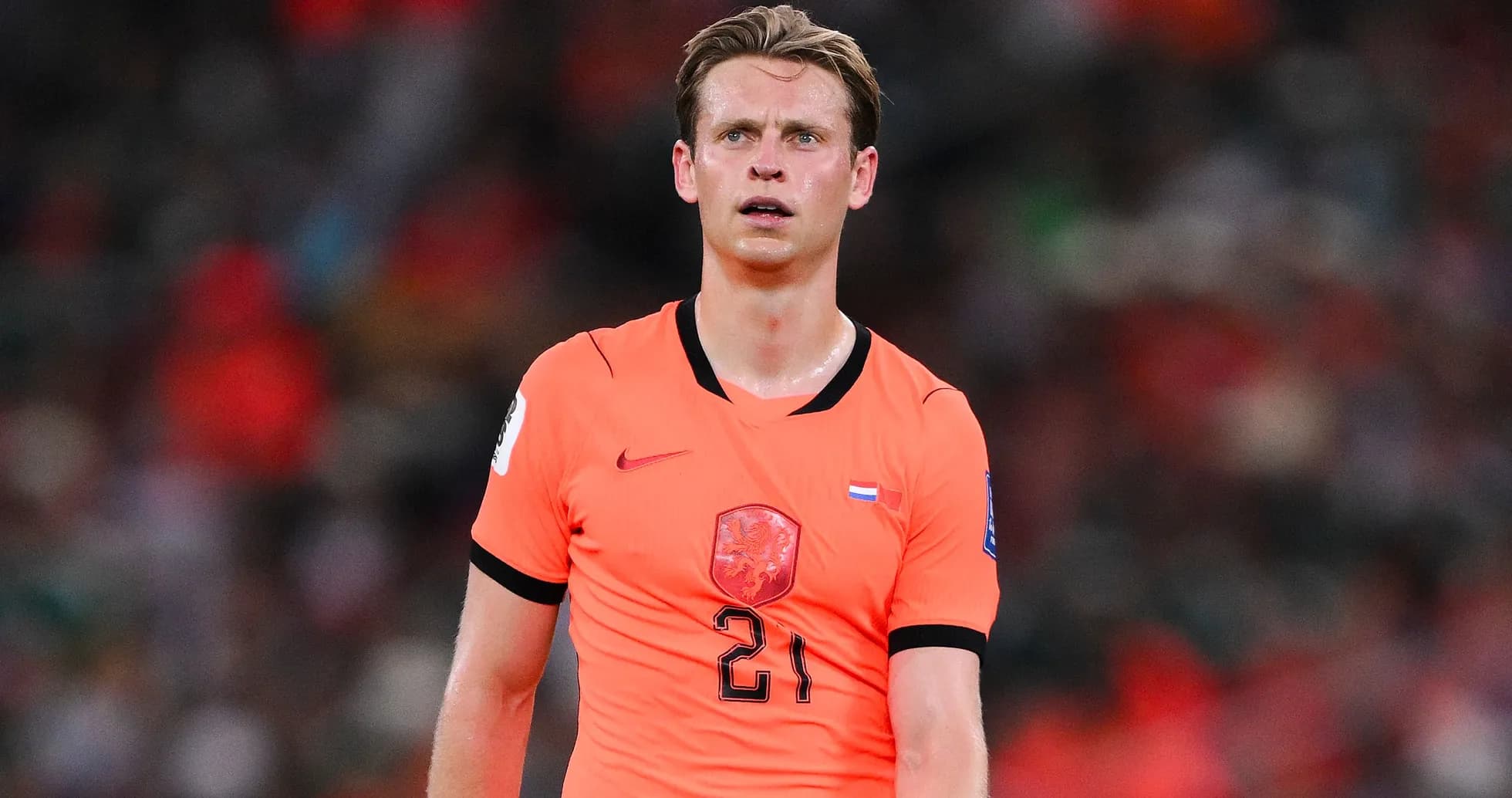
Rafael van der Vaart did not bother with diplomacy. Live on Dutch broadcaster NOS, the former Real Madrid playmaker tore into the national team’s collapse, baffled by the tactical overhaul that left the Netherlands wide open and their star man stranded.
The Dutch had fought through a tricky group. They had rhythm, a structure, a sense that things were finally starting to align. Then came Morocco – and a game plan that ripped up everything that had just begun to work.
“What goes on in your head that makes you change everything against Morocco?” Van der Vaart asked, visibly exasperated. It was less a question, more an indictment.
Midfield gamble that backfired
The heart of his anger lay in the centre of the pitch. Ronald Koeman’s decision to alter the structure and effectively go into battle with a stripped-back midfield played straight into Moroccan hands. Their greatest strength, Van der Vaart argued, is in that very area – and the Netherlands walked right into it.
The result was brutal. The Dutch midfield got overrun, their passing lanes cut off, their rhythm broken. The team’s supposed conductor, Frenkie de Jong, barely got on the ball. For a player whose entire game depends on dictating tempo in possession, it was a tactical straitjacket.
“Frenkie played the absolute worst game I’ve ever seen from him today. Truly disappointing. But is that because of the system?” Van der Vaart asked. The criticism was sharp, but it came wrapped in a wider accusation: the setup had hung him out to dry.
Koeman eventually replaced De Jong with Marten de Roon after 110 minutes, by which time the damage – both tactical and psychological – was already done. For long spells, De Jong looked like a bystander in a match that was supposed to revolve around him.
“You play them with just two men?”
Van der Vaart’s analysis cut straight to the structural flaw.
“I think Morocco's midfield is their strongest asset. And then you decide to play against them with just two men? I didn't study to be a manager, but that seems a bit clumsy to me.”
It was a line that landed with force. Not just because of its bluntness, but because it captured what millions watching had already sensed: the Netherlands had chosen the wrong fight, in the wrong area, with the wrong tools.
Without control of the ball, the Dutch lost their identity. De Jong, normally the metronome, faded into the background. “Frenkie is only effective when you have the ball, but we didn't have the ball at all today, so Frenkie was completely invisible. And he is supposed to be our main man...” Van der Vaart said.
Cody Gakpo at least found the net, but even that came with a sting in the tail. “Cody Gakpo scored the goal, but of course, he was barely involved either.” One of the few bright sparks in front of goal had been starved just as badly as the playmaker behind him.
A squad under the microscope
The flight home will be a quiet one. The Netherlands leave a deeply disappointing tournament with more questions than answers, their campaign overshadowed by a tactical gamble that backfired on the biggest stage.
While Morocco move on, preparing for a last-16 tie against Canada in Houston with momentum and clarity, Koeman returns to a storm. His tactical direction is under direct fire. The age profile of key players has been exposed. The spine of the team, once a source of security, now looks fragile.
Internal scrutiny will be fierce. Some of the old guard may not survive the reset. Significant personnel changes feel less like a possibility and more like a necessity before the next international cycle begins.
Koeman now stands at a crossroads: double down on his vision, or rebuild a side that can once again trust the very system that is supposed to set it free.
Related News

Anthony Joshua Names Murat Gassiev as Next Opponent if He Defeats Tyson Fury

UFC 332: Start Time and Fight Highlights for Natalia Silva vs. Wang Cong

Court McGee Opens Up About Choosing UFC 332 as His Final MMA Fight
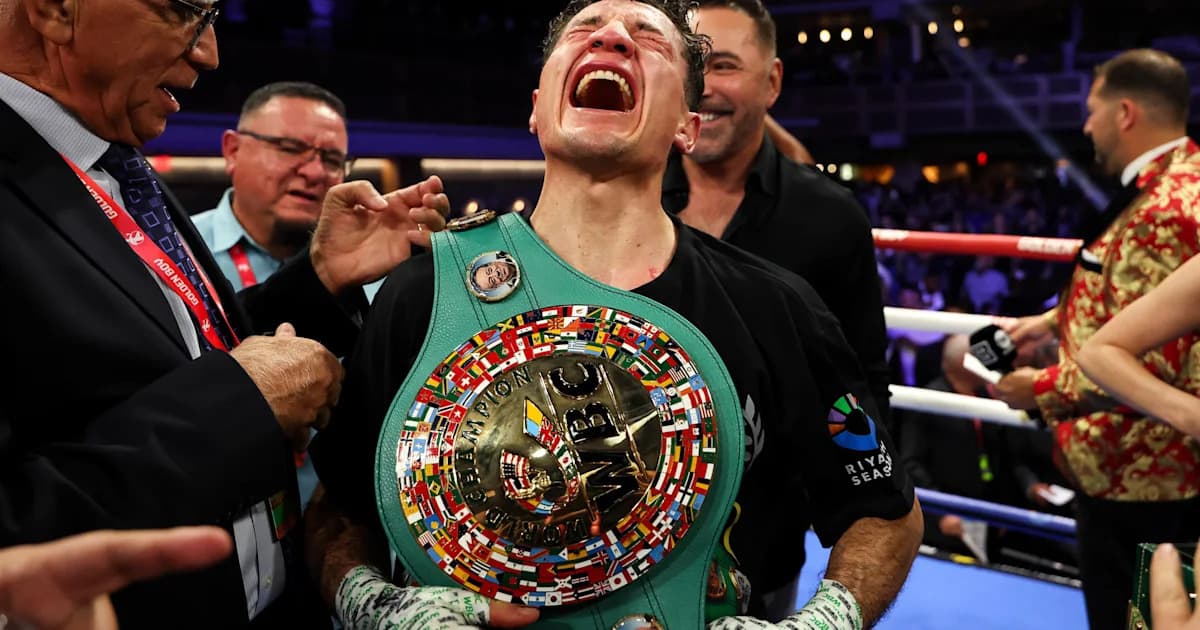
WBC Orders Lightweight Title Unification: William Zepeda vs Jadier Herrera
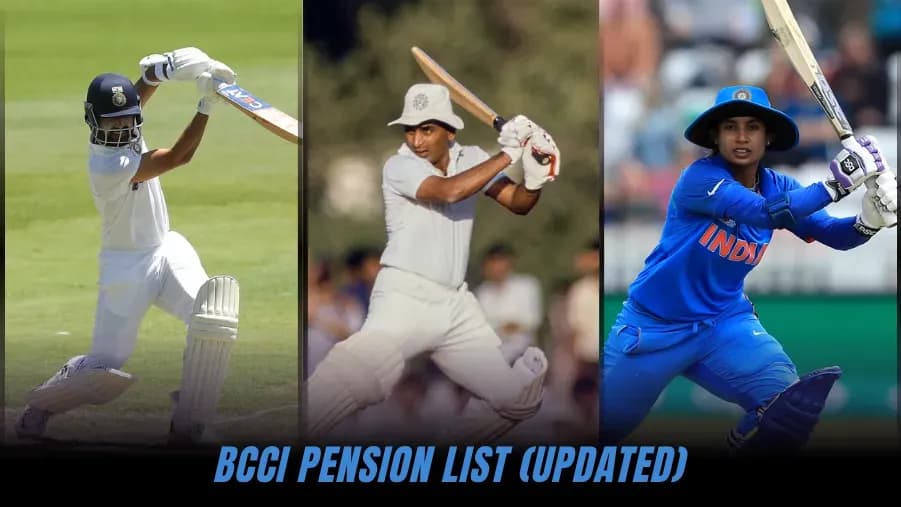
BCCI Pension List: Monthly Payments to Retired Indian Cricketers in 2025

Why Fury vs Joshua Is Set for Cardiff, and Dua Lipa’s Unexpected Role