
Real Madrid's Late Winner Against Espanyol: Mourinho's Return
Real Madrid walked out of Catalonia with three points and very few answers.
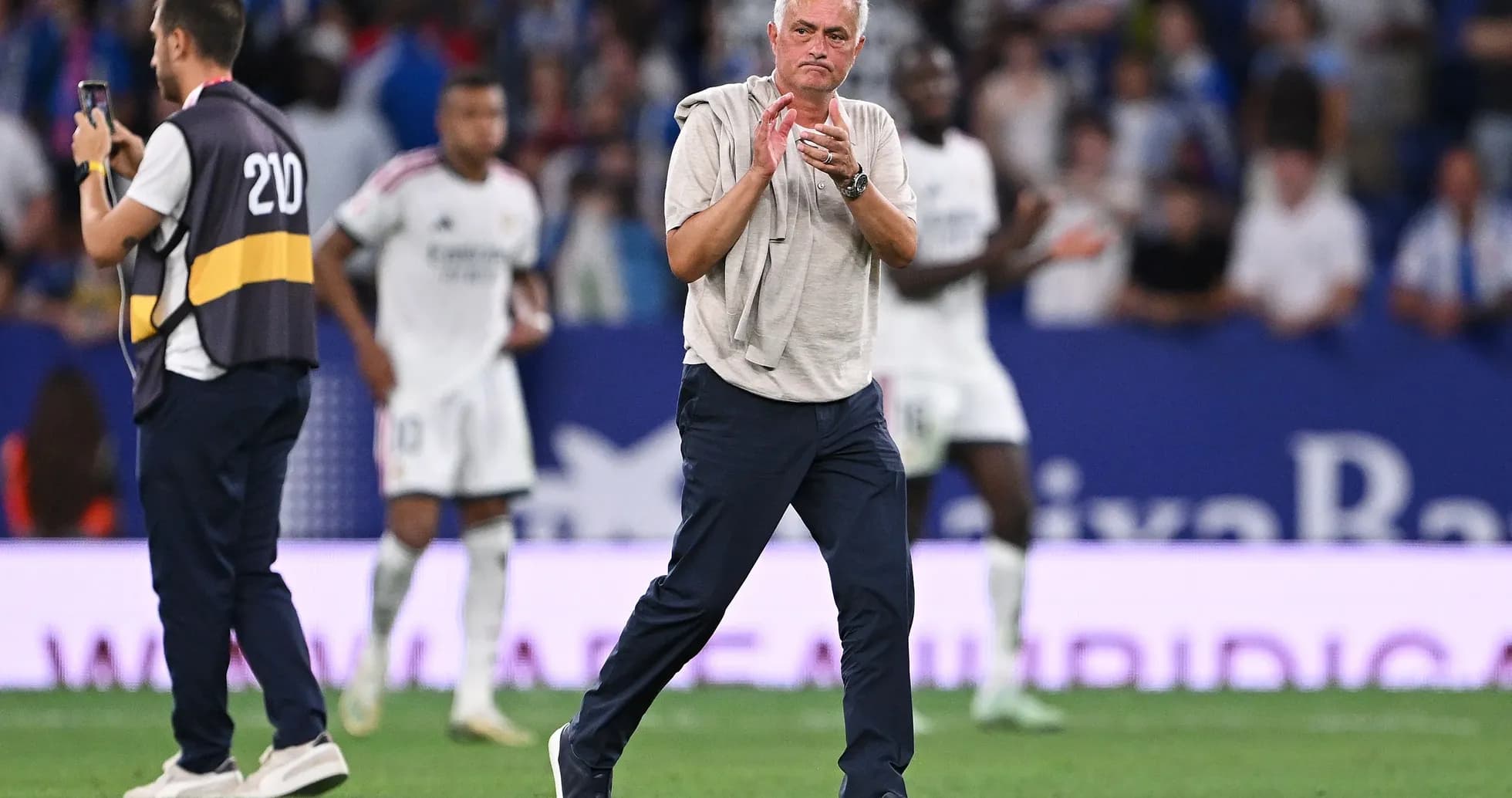
A 90th-minute strike from debutant Carlos Espí snatched a 2–1 win over Espanyol on Saturday night, sparing José Mourinho from an awkward start to his second spell in charge and giving the 15-time European champions a winning launch to their 2026–27 La Liga campaign. It felt like daylight robbery as much as it did a statement of their enduring ability to find a way.
For a while, it all looked so simple.
Dream Start, Sudden Drift
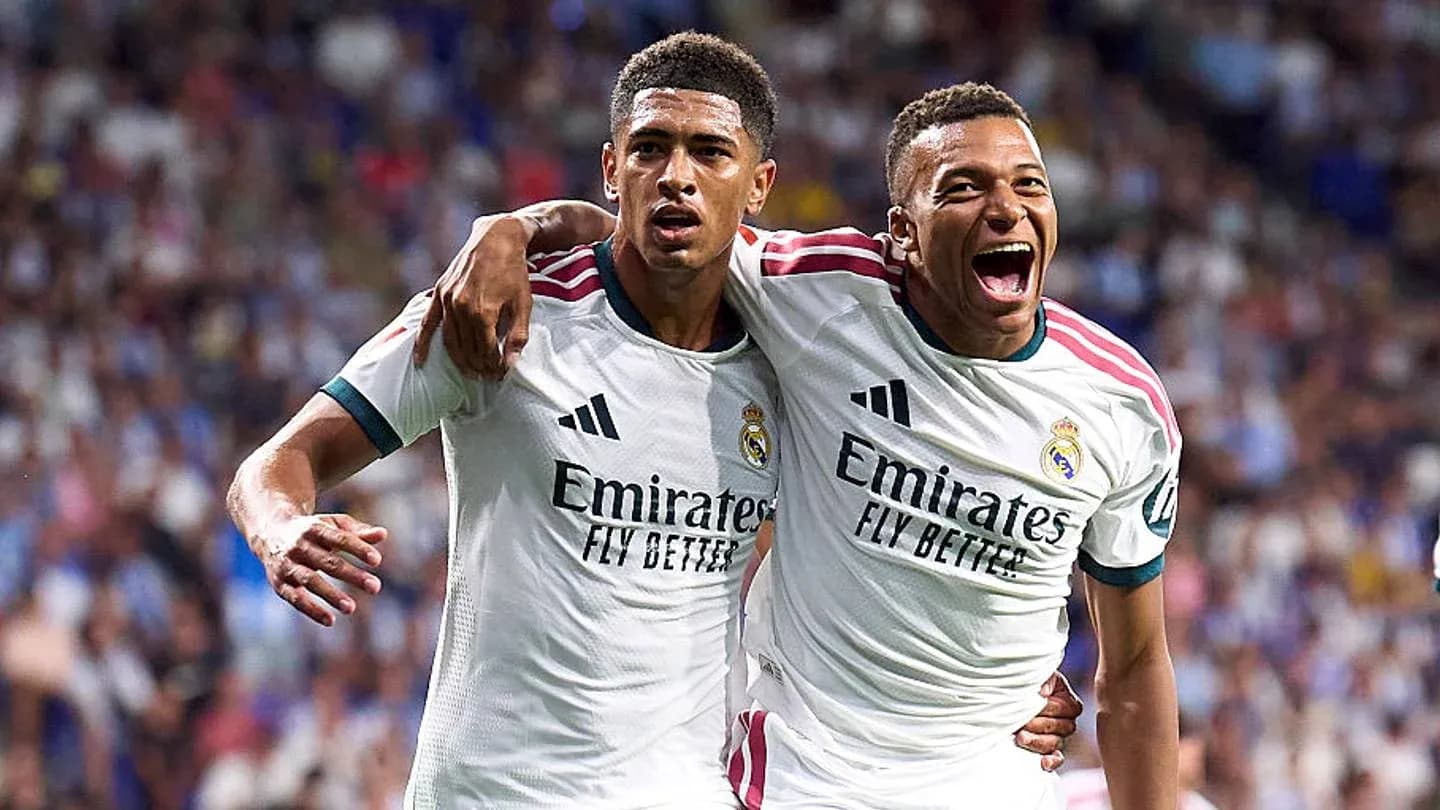
Madrid’s season began with a training-ground masterpiece. In the ninth minute, Arda Güler stood over a set piece and bent in a wicked delivery, the kind that begs to be attacked. Jude Bellingham obliged, thundering a header past a helpless Espanyol back line to make it 1–0. One ball, one run, one goal. The Mourinho era rebooted with a flourish.
From there, though, the visitors loosened their grip. The tempo dipped, the pressing slackened, and Espanyol grew bolder with every Madrid misstep. On the half-hour, the punishment arrived.
Álex Calatrava ghosted into the box while Federico Valverde ball-watched and barked instructions instead of tracking the runner. The Espanyol midfielder met the chance with conviction, beating Thibaut Courtois to level the match. The goal exposed an old Madrid weakness: runners from deep, unchecked and unchallenged.
You might have expected Mourinho’s team talk at the break to ignite something. It didn’t. Madrid emerged flat, short of ideas, and increasingly predictable against a disciplined low block that has troubled them for two straight seasons.
Mbappé Misfires, Espí Delivers
Kylian Mbappé, desperate to influence the game, abandoned his central station and drifted to the right wing in the first half, trying to shake free of Espanyol’s compact shape. He carved out a few half-chances, but nothing to justify the disruption. After the restart, he squandered the kind of opportunity he usually buries, heading wide with the goal gaping.
Vinícius Júnior, meanwhile, ran into familiar traffic. He saw plenty of the ball down the left but offered little end product, finishing with no chances created and no shots on target. Espanyol read his movements, doubled up on him, and happily absorbed the contact as he hit the turf too easily for the referee’s liking.
Madrid’s attacks became repetitive. Cross after cross floated into the box with no clear pattern, no clever rotations, no incisive runs. Bernardo Silva and Valverde failed to break lines from deep. The ball moved, but the defense rarely shifted.
As the clock ticked into the final minutes, the sense of déjà vu was unmistakable. Another night of sterile dominance. Another low block Madrid could not unpick. Another game begging for a moment of individual brilliance.
It did not come from Mbappé or Vinícius.
Instead, it came from Espí. Introduced in the 80th minute, the young forward seized his moment. Mbappé finally carved out space on the right, the move developed, and Espí arrived with the conviction of a player who had not yet been scarred by Madrid’s recent frustrations. One clean finish, 2–1, and a debut goal that instantly rewrote the night’s narrative.
Mourinho’s team escaped, but they did not convince.
The Same Old Problem
Strip away the late drama and the storyline feels painfully familiar.
Real Madrid still look uncomfortable against organized, “inferior” Spanish sides willing to sit deep and suffer. The patterns are predictable: heavy reliance on wing play, slow ball circulation in midfield, and a lack of coordinated movement in the final third. When the individual magic doesn’t arrive, the structure rarely compensates.
Vinícius relied on his usual bag of tricks and ran into a wall. Mbappé tried to do everything, everywhere, and ended up wasting Madrid’s clearest chance before redeeming himself with the pre-assist for Espí’s winner. The pair never quite clicked, operating more as two separate stars than a devastating partnership.
Behind them, the midfield lacked bite and imagination. Valverde and Bernardo Silva offered tidy spells of possession but few penetrative passes. Valverde’s lapse on Calatrava’s goal summed up a performance that has become worryingly common when he plays in his preferred role: lots of running, not enough control.
The result? A win that sounded loud on the scoreboard but rang hollow in the performance.
Bright Sparks: Güler and Bellingham
Not everyone fit the “problem” label.
Arda Güler and Jude Bellingham were at the heart of almost everything Madrid did well. Güler’s set-piece delivery for the opener showcased his technique, but his influence went far beyond that. Whenever he found space on the right, he lifted his head and looked to create, threading passes and linking play with a clarity others lacked. His 8.5 FotMob rating reflected a performance that did not deserve to end just past the hour mark.
Bellingham, rated 8.3, picked up where he left off with England this summer. He attacked the box relentlessly, scored the first goal of the Mourinho era, and treated the Espanyol midfield to a relentless stream of late runs and skillful touches. His energy without the ball matched his quality on it.
If Mourinho is searching for a core to build around, Güler and Bellingham just made a compelling case. Their blend of creativity and work rate suggested a partnership capable of reshaping Madrid’s attacking identity—if they are allowed to grow together.
Back Line Choices Under the Microscope
The defensive selection also told its own story.
Mourinho opted for Denzel Dumfries over Trent Alexander-Arnold, clearly prioritizing defensive solidity on the right. The irony was brutal. Dumfries, rated 7.2, needed Ibrahima Konaté to bail him out after overcommitting forward, and he was beaten down his flank in the sequence that led to Espanyol’s equalizer. His attacking threat was limited enough that Mbappé essentially took over the right side in the first half.
Mourinho sacrificed Alexander-Arnold’s creativity for supposed defensive security. In the end, he got neither.
Konaté, on debut, impressed in patches. His 7.7 rating reflected his physical dominance—bullying attackers off the ball and using his height to clear danger. He did, however, look uncertain at times with his positioning inside the area. Dean Huijsen (7.1) complemented him with composed distribution, including five passes into the final third, and showed commitment in the challenge, even shedding blood for the cause.
On the left, Álvaro Carreras (7.4) delivered exactly what Mourinho would have wanted after last season’s struggles: no major errors, clean passing into midfield, and a quiet solidity that gave Madrid a base, if not a weapon.
Thibaut Courtois, with a 6.7 rating, endured a largely uneventful night. He could do little about Calatrava’s strike and was again let down by the players in front of him rather than the other way around.
Bench Cameos and a Debut Hero
The bench told its own tactical story.
Yan Diomande, on for Güler in the 64th minute, produced some decent deliveries and initiated the move that ended with Espí’s winner, though he sometimes dwelled on the ball too long in the box. Marc Cucurella, also introduced in the 64th minute for Carreras, looked like a player still shaking off World Cup rust. He did his job but clearly needs time to build an understanding with Vinícius.
Trent Alexander-Arnold and Eduardo Camavinga arrived on 80 minutes, but the game’s chaos and Espanyol’s deep block limited their influence. Alexander-Arnold’s cameo was solid but unspectacular (6.3), while Camavinga completed all his passes (6.4) without having the platform to dictate.
Then came Espí.
On in the 80th minute for Bellingham, he needed just ten minutes to justify Mourinho’s faith. His 7.5 rating barely captures the significance of the moment: a debut goal, a match-winner, and a potentially season-defining confidence boost for a young forward stepping into one of the most unforgiving spotlights in football.
Ratings, Reality, and a Warning Shot
The FotMob numbers paint a clear picture of where Madrid stand.
The defensive gamble on Dumfries over Alexander-Arnold backfired. The midfield, with Valverde and Bernardo Silva, still lacks the authority and incision required to dominate games against compact opposition. The attacking trident of Mbappé, Vinícius, and Bellingham remains a work in progress, with Güler emerging as the most natural playmaker in the side.
Notably, Güler and Bellingham were central to everything positive. Their combination of guile and grit hinted at a future in which Madrid’s attack is less reliant on hopeful crosses and solo dribbles and more on structured, intelligent movement.
For now, though, the pattern is hard to ignore. Madrid needed a late rescue act to scrape past Espanyol. The alarm bells that rang across Catalonia were loud enough to reach Madrid’s dressing room.
Three points buy Mourinho time. They do not buy him comfort.
Barcelona still loom. The question is not whether Madrid can win ugly in August. It’s whether this version of Real Madrid, with its familiar flaws and flickers of brilliance, can grow quickly enough to dethrone the champions when the season’s real battles begin.
Related News
Everton's Youthful Midfield Shines in Season Opener

Jose Mourinho’s Dramatic Return to Real Madrid: A 90th-Minute Winner
Tottenham's Big Spending Fails to Deliver Against Brentford
Real Madrid's Late Winner Against Espanyol: Mourinho's Return
Real Madrid's Opening Drama Under José Mourinho
Brentford's Impressive Start to the Premier League Season