
Rodri's Impact at Barcelona: A New Midfield Axis
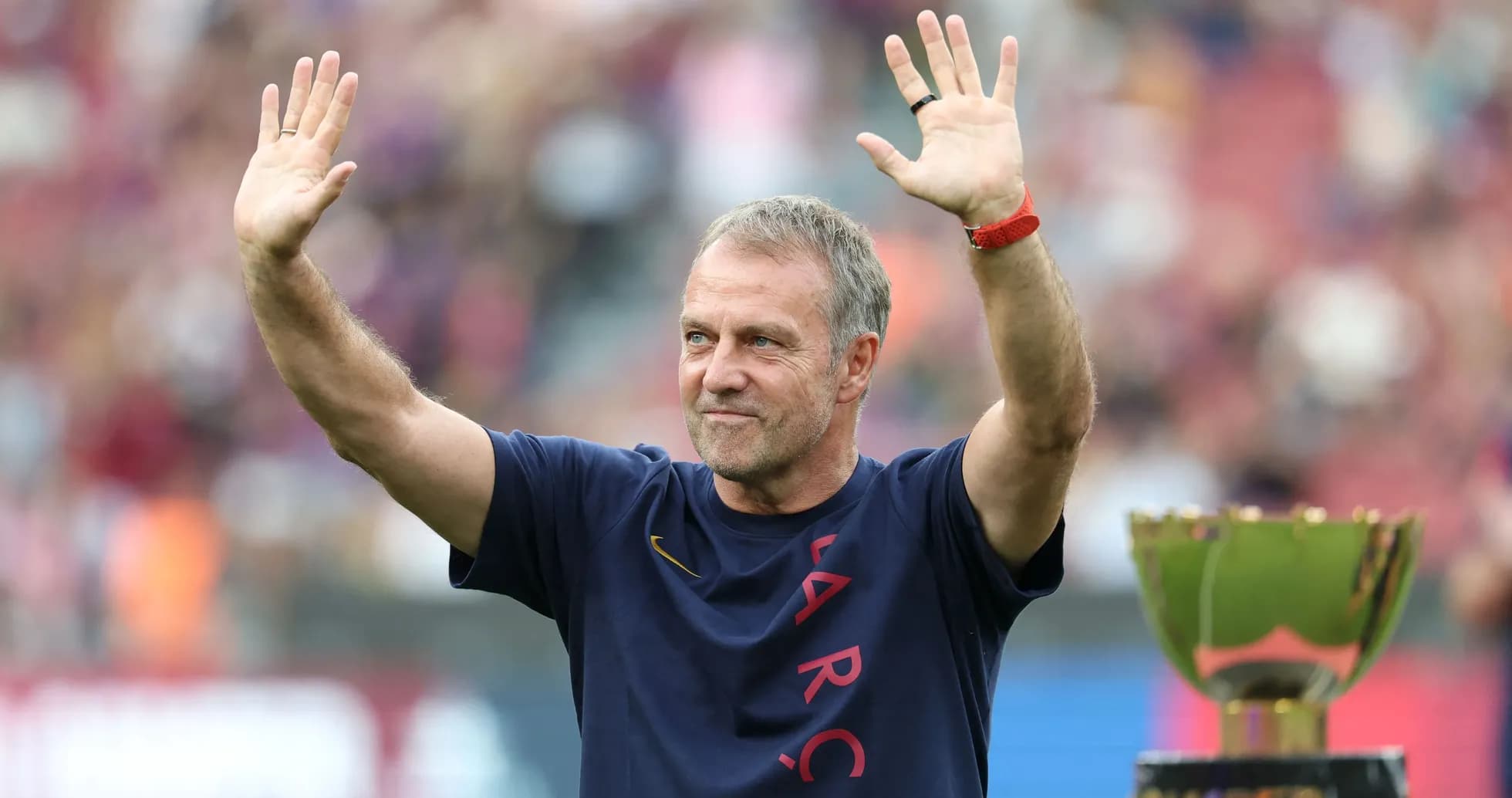
Rodri did not ease his way into Barcelona life. He crashed straight into it.
Barely a week after his unveiling, with only a handful of training sessions behind him, the former Manchester City midfielder stepped onto the pitch against Athletic Bilbao and immediately started bending the game to his will. As the Spanish daily Sport put it, he had “jumped onto a train travelling at full speed” – and somehow taken the controls.
He entered in the 62nd minute to a roar usually reserved for long‑established idols. The crowd at once treated him as a reference point, not a newcomer. His first act in a Barça shirt said everything: a towering leap in midfield to cut out an aerial ball, a statement of authority rather than a simple interception.
From that moment, the tone changed. This was not a player feeling his way in. This was a dominant personality, the kind Hansi Flick had already labelled a “natural leader”, stepping straight into the centre of Barcelona’s structure.
A new axis in midfield
Those early touches revealed something Barça have missed in recent years: the presence and calm of an old‑school, classic midfielder with a modern engine. His frame, his timing, his command of space – they all stood out. Very quickly, his composure started to spread. Pedri, Fermin Lopez, Dani Olmo, everyone around him in the middle third began to play with a little more certainty.
Flick wasted no time reshaping the team around his new signing. He built his midfield on Rodri, Pedri, Fermin Lopez and Olmo, abandoning the familiar double pivot for a single, traditional holding player. One anchor, one reference, and it was Rodri.
As the lone pivot, he became the first and often only receiver needed to pierce Bilbao’s lines. Barcelona built from the back in a 4-3-3, but the structure felt different: cleaner, more direct, more assured. Rodri dropped in, took the ball under pressure, and the whole team advanced 10 metres up the pitch.
The knock-on effect was immediate. Pedri pushed higher almost by instinct, liberated from the constant responsibility of dropping deep to help in the build-up. Fermin Lopez and Olmo rotated intelligently between the interior lanes, alternating who attacked the box and who linked play.
Out wide, Adama and Lamine Yamal stretched the pitch, pinning Bilbao’s full-backs and giving Barça the width and balance Flick craves. The pattern began to click. The ball circulated with purpose, Rodri at the hub, and the pressure mounted.
It finally broke with the second goal. A flowing move of sharp, patient possession suddenly accelerated when the ball reached Adama on the flank. His cross caused chaos. Aymeric Laporte misjudged it badly, and Fermin Lopez punished the mistake, snapping up the chance to score his third goal of the season.
Barcelona could have had more. They settled for two only because Unai Simon produced a standout performance, the Athletic goalkeeper repeatedly denying what on another night might have been a rout. Still, the message was clear: this Barça can overwhelm you offensively even without a classic No 9 on the pitch.
Goals without a striker, control with one man
Two of Barcelona’s opening league matches this season already rank among their top five outings for expected goals since Hansi Flick took charge. That is not a coincidence. It is a sign of a side generating not just volume, but high‑quality chances.
They have done it without a recognised out‑and‑out striker leading the line. No traditional target man, no fixed reference in the box – and yet some of their most productive attacking performances of the Flick era have arrived in these first weeks.
Rodri’s arrival fits perfectly with the collective idea the German coach has tried to instil: goals shared, responsibility shared. Raphinha has exploded into a more central, striker‑like role and already has three to his name, but the plan is broader than one man’s scoring streak. It is about creating a platform where any of the forwards or midfielders can finish moves.
Rodri strengthens that platform. His impact stretches from one penalty area to the other. Against Athletic Bilbao, he already showed the understanding he forged with Pau Cubarsi in the Spain setup, knitting together the first phase of build‑up with the defensive line and setting the rhythm of Barça’s possession.
The numbers at the back support the impression. Barcelona have opened the campaign with two clean sheets, a small sample but exactly the kind of start Flick has demanded. The coach has been clear: this season must be about control. Control of space, control of tempo, control of risk.
After the win, Flick did not hide his satisfaction. “Everyone is happy that Rodri is playing with us. He is the perfect player for us and for our style,” he said. For a manager who builds his football on structure and intensity, having a pivot who can both protect and construct is close to ideal.
Perhaps the most telling change is what Rodri allows others not to do. With him in place, Barcelona can keep the ball for longer spells without constantly dragging Pedri back to the base of the move. The young playmaker can spend more time where he hurts teams most – between the lines, near the box, combining and creating.
One game is not a season. But in just under half an hour against Athletic Bilbao, Rodri offered a glimpse of something Barça have been chasing for years: a single midfielder capable of tying the whole idea together. If this is how he looks after a week, what happens when he has a month?
Related News
Roberto De Zerbi's Selection Dilemmas Ahead of Premier League Clash
Álvarez Rejects Man City Return as Barcelona Dream Faces Atlético Block
Tottenham's Ambitious Summer Rebuild: De Zerbi's Perspective
Manchester United's Left-Back Search: Chelsea Players in Focus
Liverpool Seek First Win Against Nottingham Forest at Anfield

Manchester United's Shift from Blockbuster Transfers