
Rodri's Transfer to Barcelona: A Defining Moment for Spanish Football
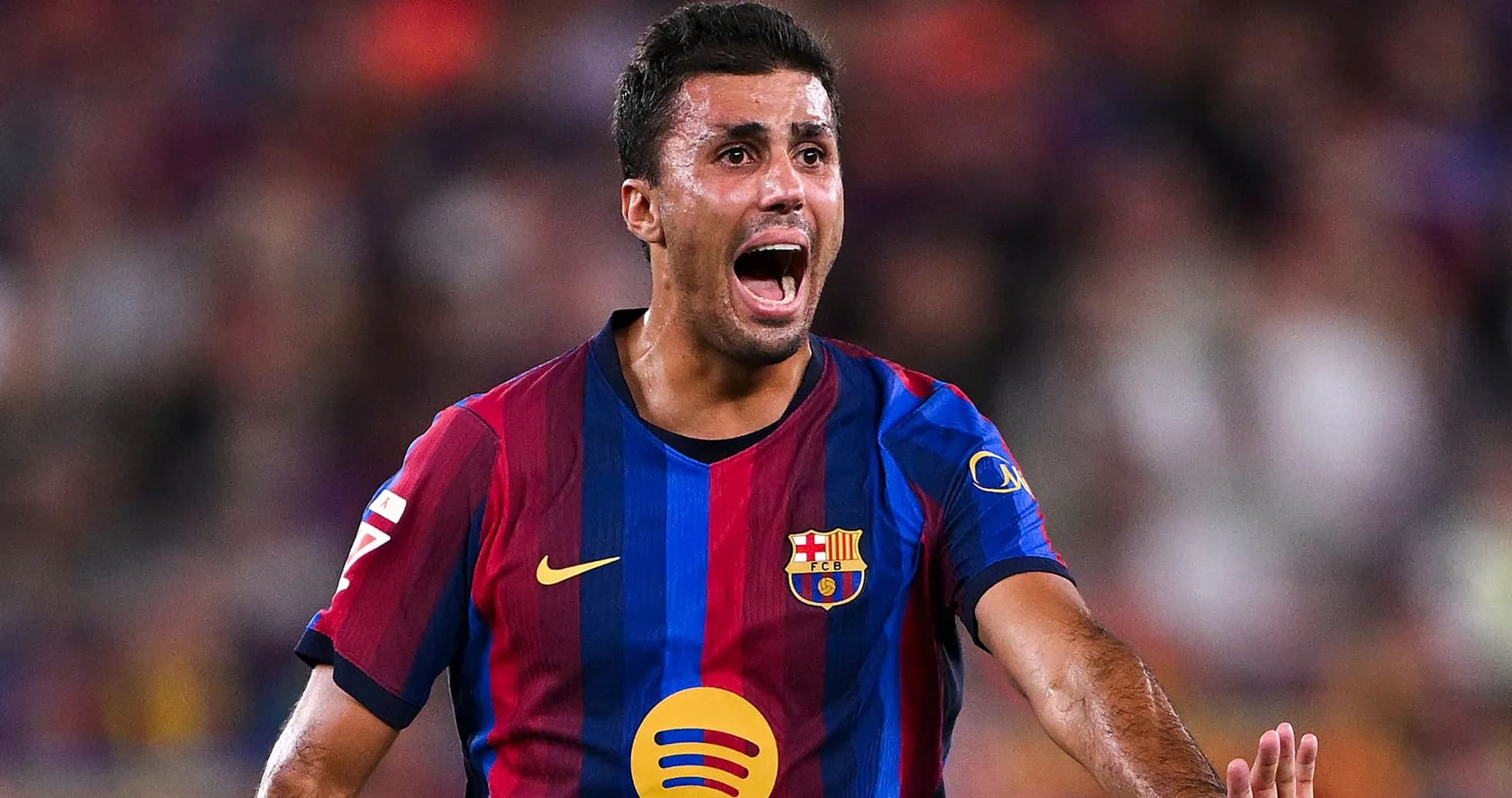
Rodri’s summer move did more than shake up the transfer market. It split Spain down the middle.
The 2024 Ballon d'Or winner walked away from Manchester City at the peak of his powers, leaving behind a dynasty in England to step into the furnace of La Liga. Real Madrid wanted him. Badly. He chose Barcelona.
For a player of his profile, that is not a transfer. It is a statement.
“It’s been a process, rather than a decision”
Rodri didn’t dress it up as a dramatic overnight twist. Speaking to Mundo Deportivo, he described his City exit as something that unfolded slowly, almost inevitably.
“It’s been a process, rather than a decision,” he said. “First, you have to realise that your time there has come to an end and that you might want a new challenge. From there, the moment the opportunity at Barcelona arose, I realised it was the best thing for me for many reasons.”
No talk of wage battles. No hint of being pushed out. The 30-year-old framed it as a football choice, pure and simple. A new challenge, a new league, a new dressing room.
And at the end of that road stood two doors: the Bernabeu and Camp Nou.
Madrid wanted him. Barca convinced him.
Real Madrid’s interest was no secret. They saw the Spain midfielder as a cornerstone for the next era, a player to anchor a side already stacked with talent. Losing him to Barcelona cuts deeper than any routine transfer miss. This is a player they courted, a Spanish international, a Ballon d'Or winner, now in the colours of their greatest rival.
Rodri admitted the weight of that decision.
“I had to weigh up a lot of things and make such an important decision between two of the best clubs in the world,” he said. “In the end, I made my decision based on sporting considerations – on what sparked a bit more enthusiasm in me and on understanding where I could win and develop the most as a player. It wasn’t an easy decision at all; saying no to Madrid wasn’t easy, especially as they treated me exceptionally well.”
The respect for Madrid is obvious. The pull of Barcelona, stronger.
What tipped it? The project. The people.
“I’ve always based my decisions on sporting considerations – where I believe I’ll be able to win, be happy and, above all, develop as a player,” he explained. “And that’s why I’ve chosen Barca – also because of the generation of players they have and what Hansi is building there. Ultimately, Deco and Hansi, at the top of the organisation, convinced me.”
Hansi Flick’s tactical plan. Deco’s sporting vision. A young, hungry core around him. That was the package that won the argument.
A family pitch, not a hard sell
Rodri’s description of Barcelona’s approach cuts through the usual transfer theatre. No ultimatums. No pressure. No countdown clocks.
He talked about a club that felt “very homely, like a family club”, and that tone mattered to him.
“At no point did they put any pressure on me whatsoever; everyone expressed their desire to have me on board, to work together, and to see what I could bring to the team,” he said. “It was more about the football itself – what they understood I could bring both on and off the pitch, and I really liked that.”
That kind of language is telling. For a player who has already conquered the Premier League and Europe with City, the sales pitch had to go beyond status and salary. Barcelona went straight for the football. For his role. For his influence in the dressing room and on the pitch.
They didn’t just want Rodri the name. They wanted Rodri the organiser, the leader, the reference point.
Ballon d’Or storm on the outside, calm on the inside
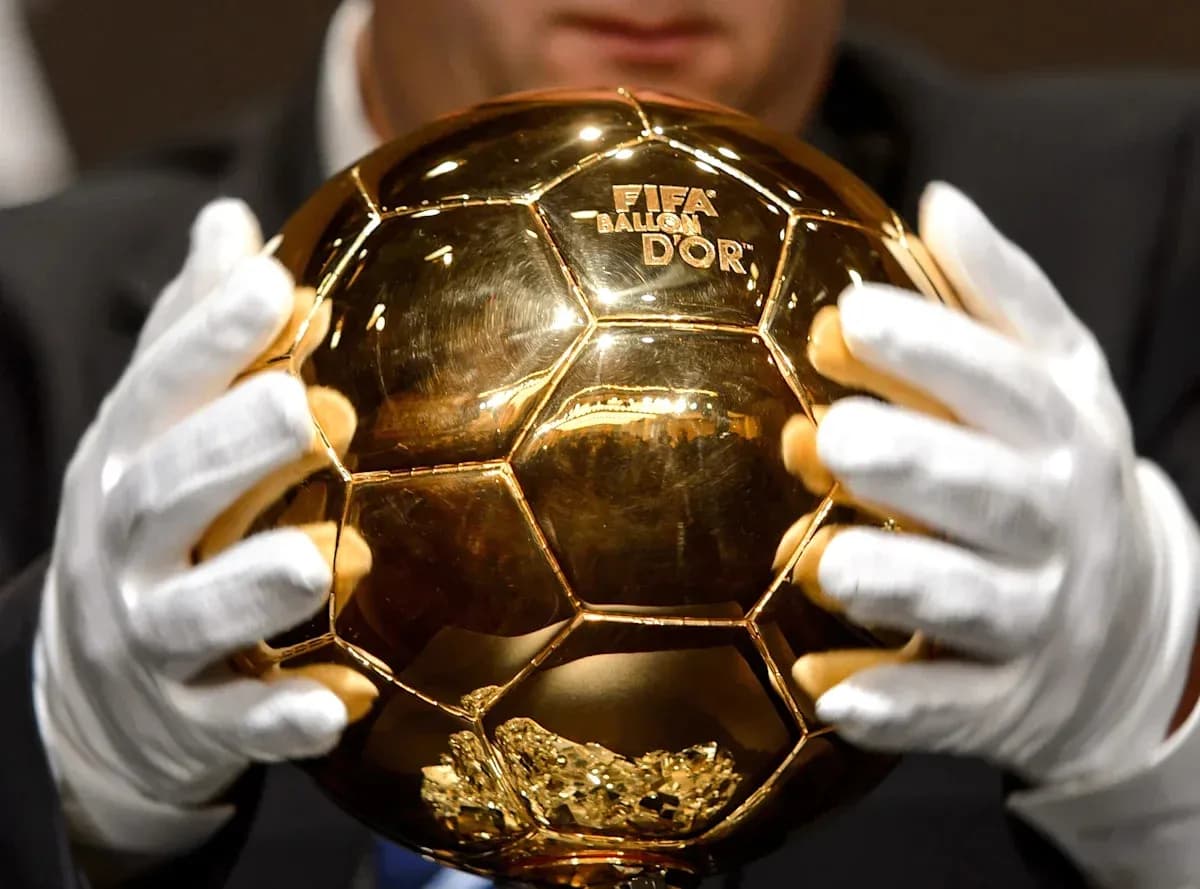
Layered over all of this was the noise around the Ballon d'Or. Rodri lifted the award ahead of Vinicius, a decision that sparked heated debate and reportedly contributed to Real Madrid’s boycott of the ceremony.
From the outside, it was easy to stitch a narrative together: Madrid snub the gala, Rodri snubs Madrid.
He rejected that idea outright.
“Anyone who knows me knows that I try to distance myself from that sort of thing, like the media hype,” he said. “I focus on football. In that sense, I’m very English, aren’t I? The Premier League is football and little else.”
That line says plenty about his mindset. Years under Pep Guardiola in a league obsessed with tempo and intensity have shaped him. Strip away the noise. Focus on the pitch. Let others feed the drama.
His move, he insists, came from the same place: tactics, development, and the feeling of where he can grow next.
A decision that will define an era
So Rodri leaves Manchester as a champion and arrives in Barcelona as the heartbeat of a new project, with Hansi Flick and Deco betting big on his presence in the middle of the park.
Madrid, having treated him “exceptionally well”, must now watch him dictate games in the wrong shade of shirt.
In a league often defined by fine margins and fierce loyalties, one question lingers: when the dust settles on this era of Spanish football, will this be remembered as the moment Barcelona stole back the balance of power in midfield?
Related News
Richarlison's Frustration at Tottenham: A Growing Rift
Bayer Leverkusen Denies Karim Benzema Transfer Rumors
Southend United Signs Ryan Battrum on Loan
Seko Fofana Retires from International Duty with Ivory Coast
Ballon d'Or Battle Ignites: Candidates and Controversies
Declan Rice's Boot Switch: From adidas to Nike and Beyond